Liao Y-H, Chiang K-H, Shieh J-M, Huang C-R, Shen C-J, Huang W-C, Chen B-K
Institute of Bioinformatics and Biosignal Transduction, College of Bioscience and Biotechnology, National Cheng Kung University, Tainan, Taiwan, ROC.
Department of Chest Medicine, Chi Mei Medical Center, Tainan, Taiwan, ROC.
Oncogene. 2017 Apr 20;36(16):2228-2242. doi: 10.1038/onc.2016.371. Epub 2016 Oct 31.
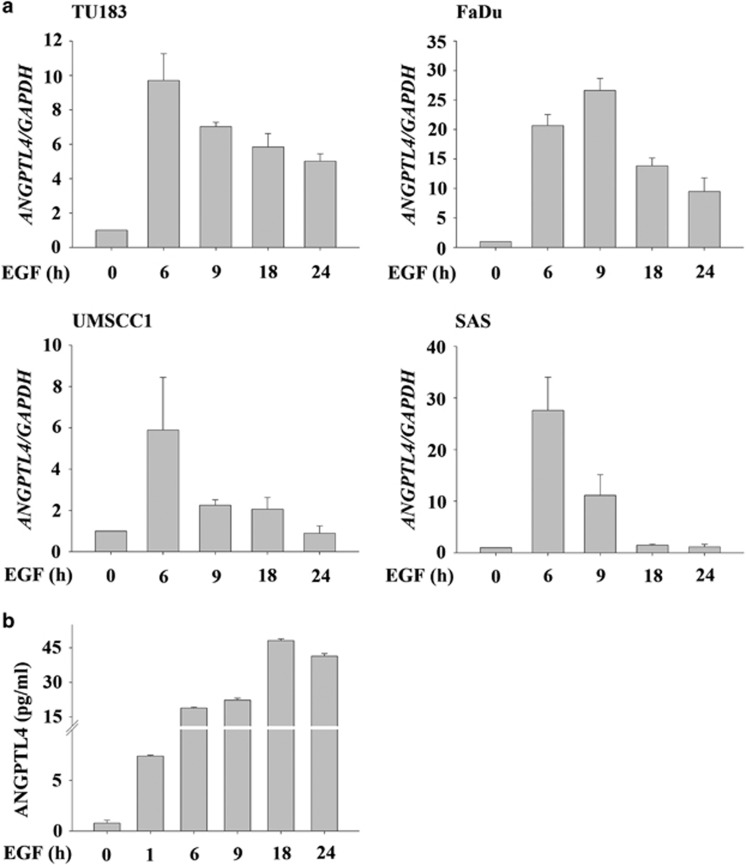
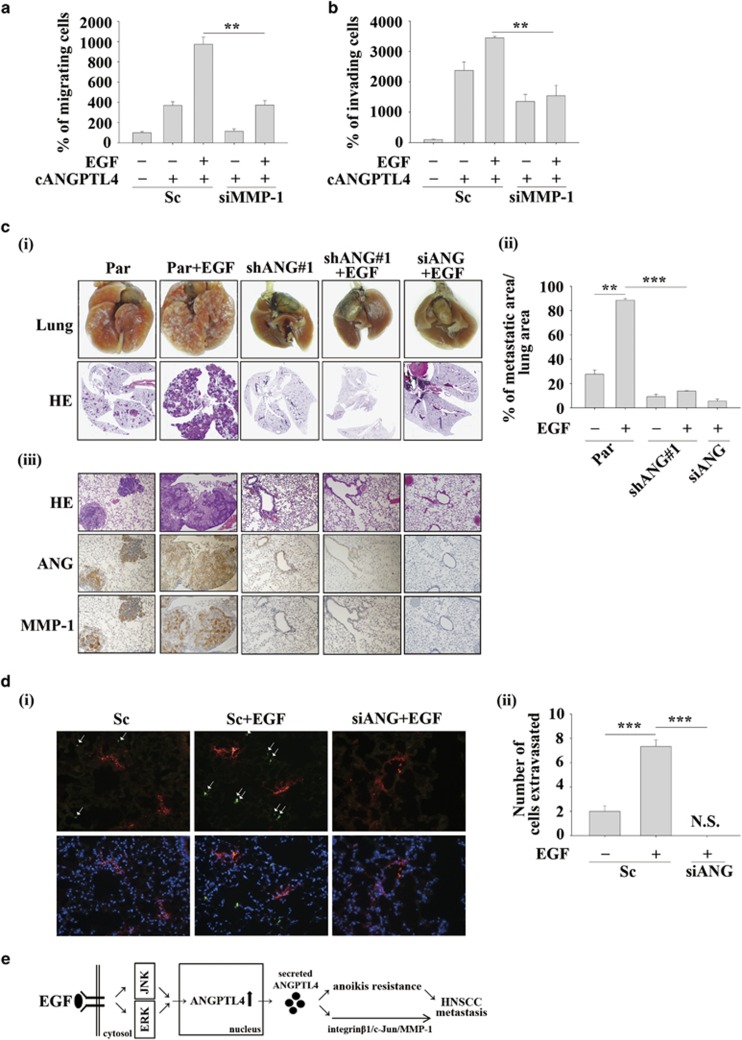
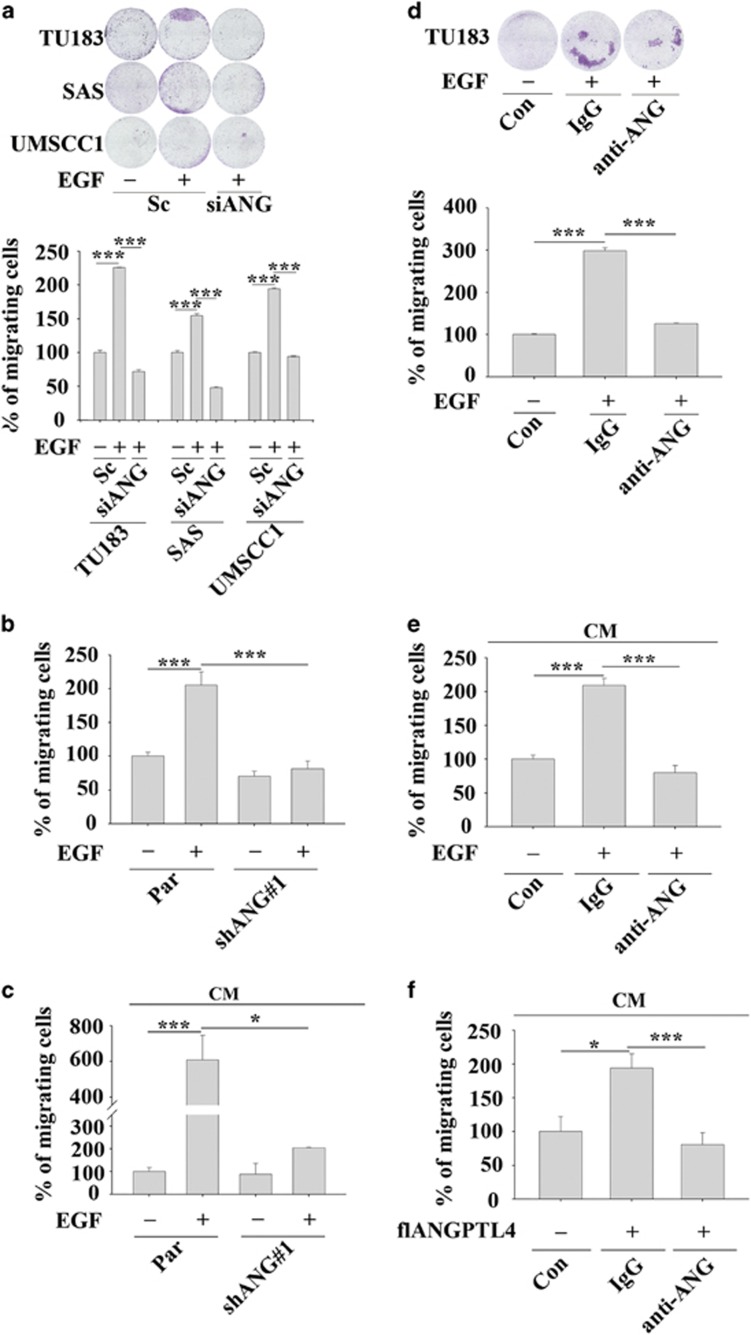
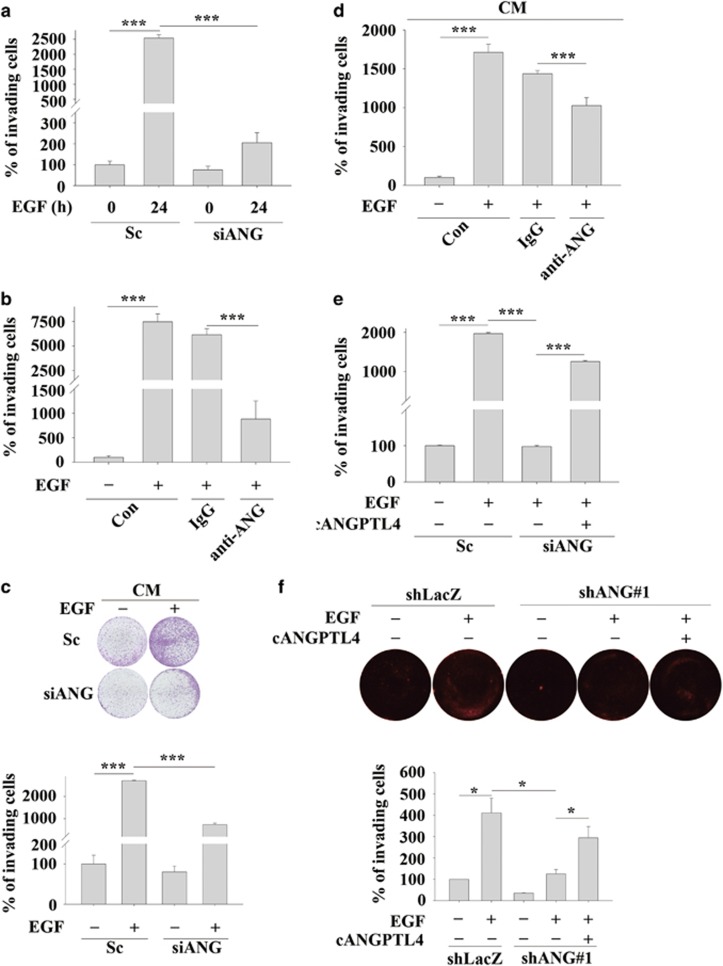
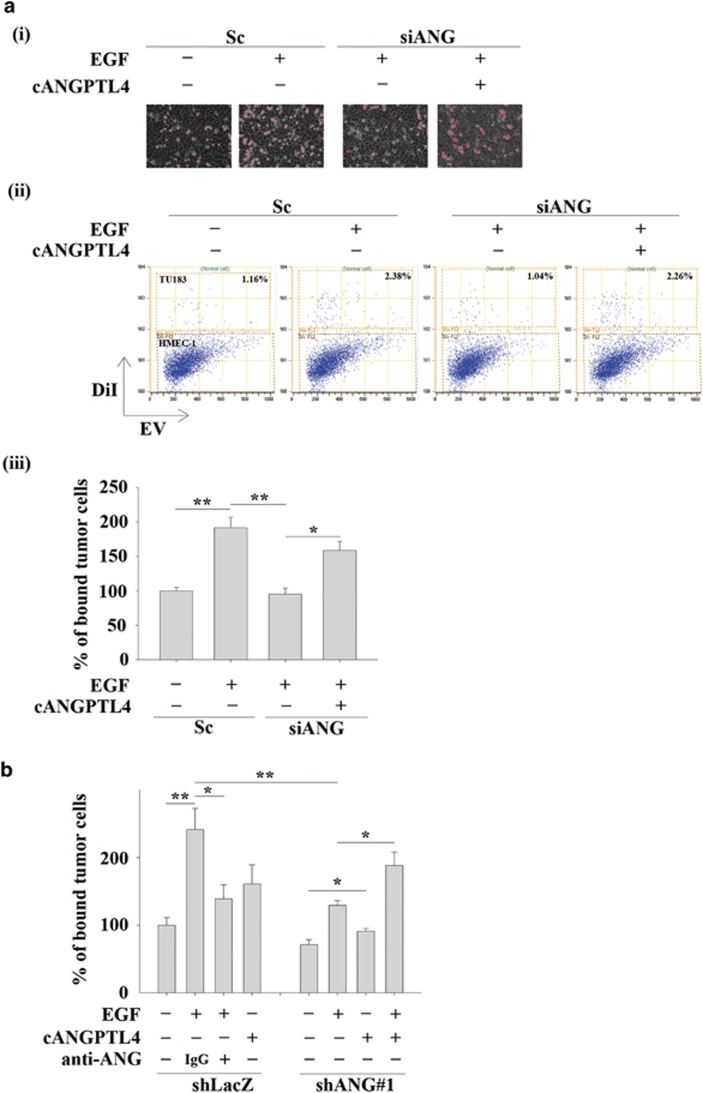
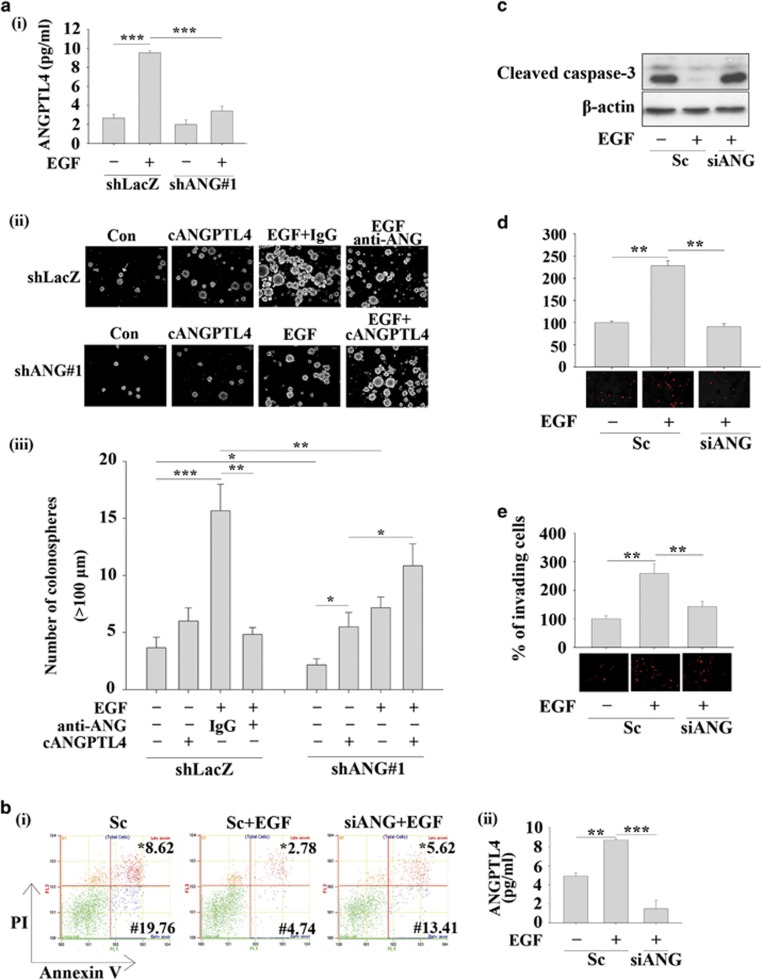
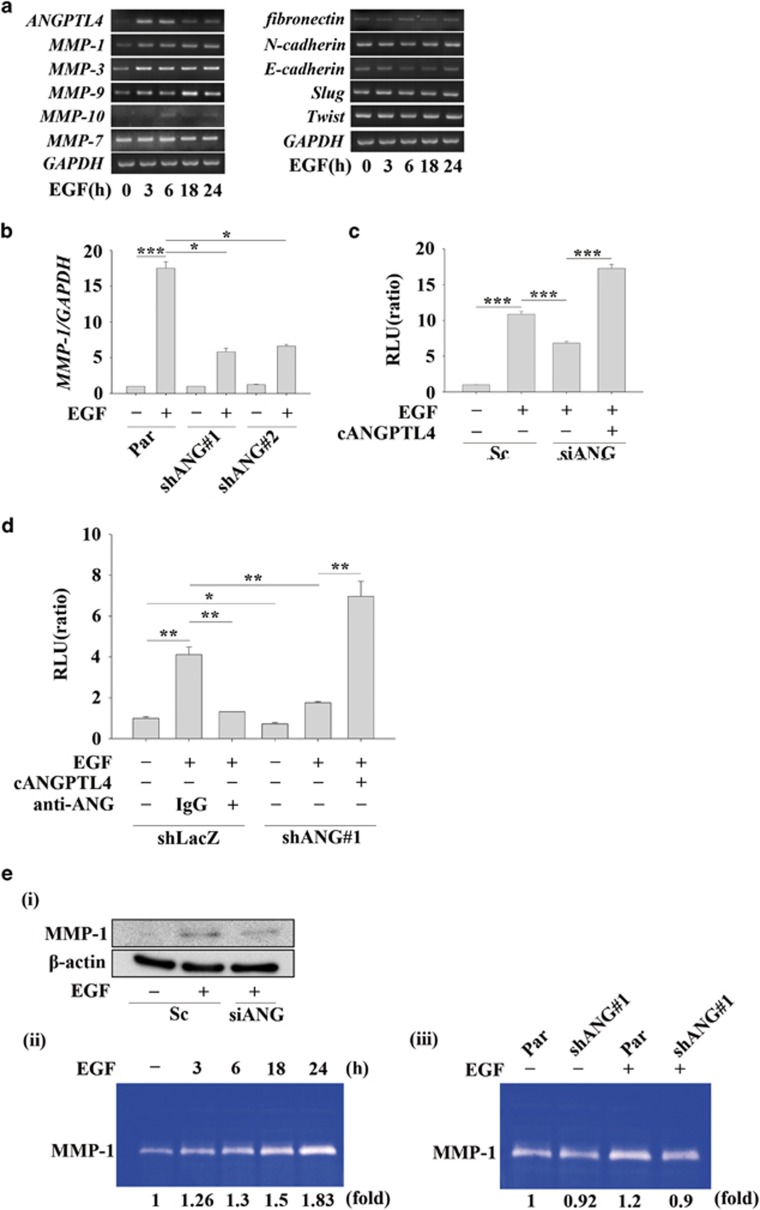
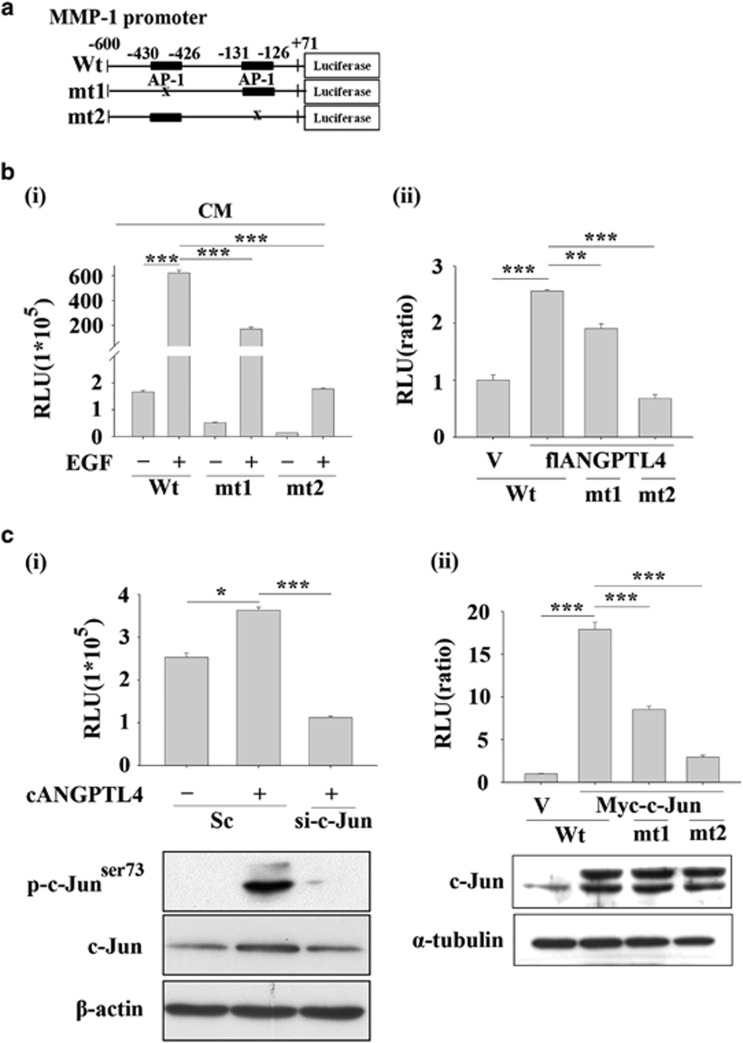
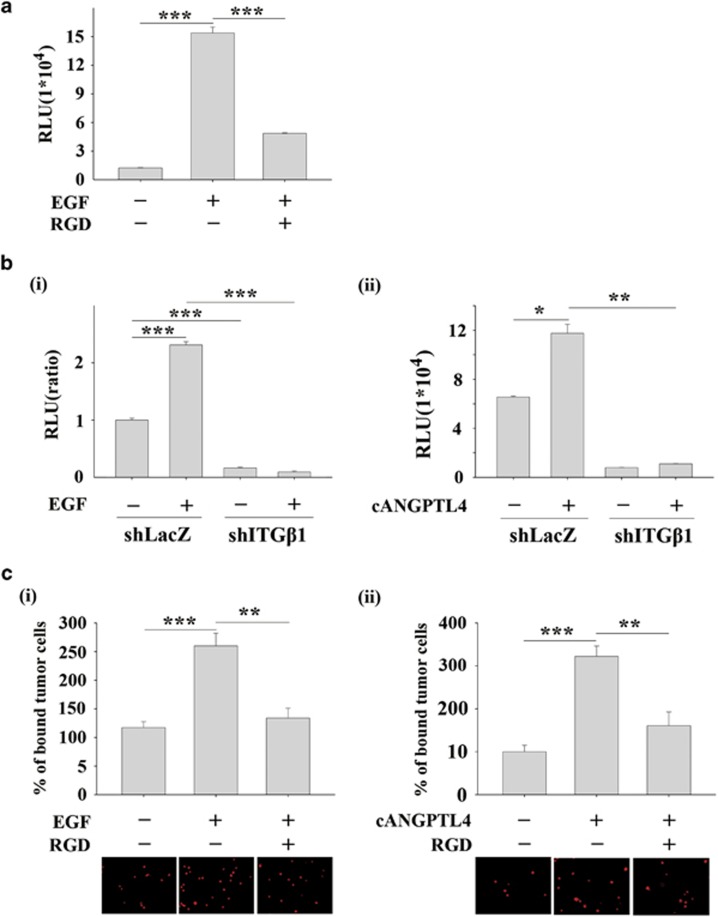
Epidermal growth factor (EGF) is important for cancer cell proliferation, angiogenesis and metastasis in many types of cancer. However, the mechanisms involved in EGF-induced head and neck squamous cell carcinoma (HNSCC) metastasis remain largely unknown. In this study, we reveal that angiopoietin-like 4 (ANGPTL4) plays an important role in the regulation of EGF-induced cancer metastasis. We showed that EGF-induced ANGPTL4 expression promoted anoikis resistance and cancer cell migration and invasion in HNSCC. In addition, depletion of ANGPTL4 inhibited EGF-induced cancer cell invasion. Autocrine production of EGF-induced ANGPTL4 regulated the expression of matrix metalloproteinases (MMPs). The induction of MMP-1 gene expression by ANGPTL4-activated integrin β1 signalling occurred through the AP-1 binding site in the MMP-1 gene promoter. Furthermore, down-regulation of MMP-1 impeded EGF- and recombinant ANGPTL4-enhanced HNSCC cell migration and invasion. Depletion of ANGPTL4 significantly blocked EGF-primed extravasation and metastatic seeding of tumour cells and MMP-1 expression in lungs. However, no effect of ANGPTL4 on tumour growth was observed. These results suggest that EGF-induced expression and autocrine production of ANGPTL4 enhances HNSCC metastasis via the up-regulation of MMP-1 expression. Inhibition of ANGPTL4 expression may be a potential strategy for the treatment of EGFR-mediated HNSCC metastasis.
表皮生长因子(EGF)在多种癌症的癌细胞增殖、血管生成和转移中起着重要作用。然而,EGF诱导的头颈部鳞状细胞癌(HNSCC)转移所涉及的机制在很大程度上仍不清楚。在本研究中,我们揭示血管生成素样4(ANGPTL4)在EGF诱导的癌症转移调控中发挥重要作用。我们发现EGF诱导的ANGPTL4表达促进了HNSCC中的失巢凋亡抗性以及癌细胞的迁移和侵袭。此外,ANGPTL4的缺失抑制了EGF诱导的癌细胞侵袭。EGF诱导的ANGPTL4的自分泌产生调节基质金属蛋白酶(MMPs)的表达。ANGPTL4激活的整合素β1信号通路通过MMP-1基因启动子中的AP-1结合位点诱导MMP-1基因表达。此外,MMP-1的下调阻碍了EGF和重组ANGPTL4增强的HNSCC细胞迁移和侵袭。ANGPTL4的缺失显著阻断了EGF引发的肿瘤细胞肺外渗和转移定植以及肺中MMP-1的表达。然而,未观察到ANGPTL4对肿瘤生长的影响。这些结果表明,EGF诱导的ANGPTL4表达和自分泌产生通过上调MMP-1表达增强了HNSCC转移。抑制ANGPTL4表达可能是治疗EGFR介导的HNSCC转移的潜在策略。