Kontula Osmo, Miettinen Anneli
Population Research Institute, Family Federation of Finland, Helsinki, Finland;
Population Research Institute, Family Federation of Finland, Helsinki, Finland.
Socioaffect Neurosci Psychol. 2016 Oct 25;6:31624. doi: 10.3402/snp.v6.31624. eCollection 2016.
The pursuit of sexual pleasure is a key motivating factor in sexual activity. Many things can stand in the way of sexual orgasms and enjoyment, particularly among women. These are essential issues of sexual well-being and gender equality.
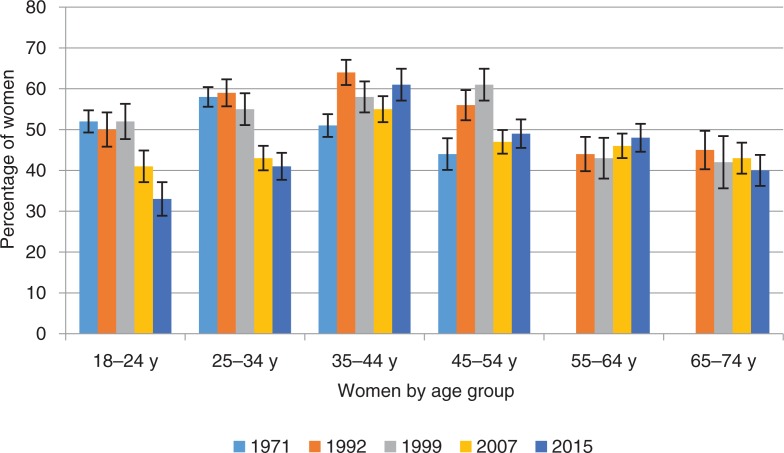
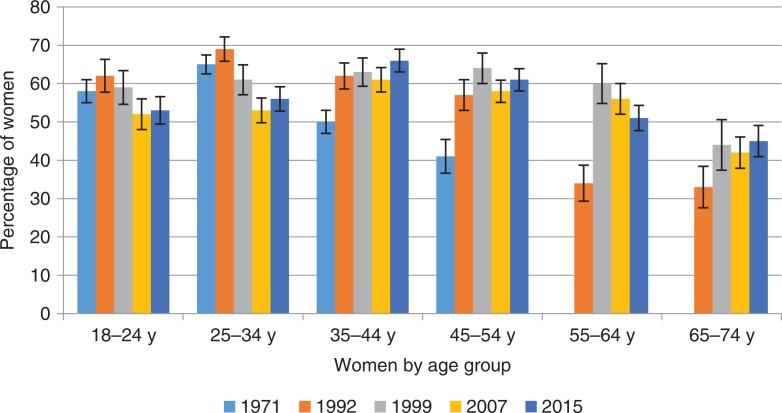
This study presents long-term trends and determinants of female orgasms in Finland. The aim is to analyze the roles of factors such as the personal importance of orgasms, sexual desire, masturbation, clitoral and vaginal stimulation, sexual self-esteem, communication with partner, and partner's sexual techniques.
In Finland, five national sex surveys that are based on random samples from the central population register have been conducted. They are representative of the total population within the age range of 18-54 years in 1971 (=2,152), 18-74 years in 1992 (=2,250), 18-81 years in 1999 (=1,496), 18-74 years in 2007 (=2,590), and 18-79 years in 2015 (=2,150). Another dataset of 2,049 women in the age group of 18-70 years was collected in 2015 a national Internet panel.
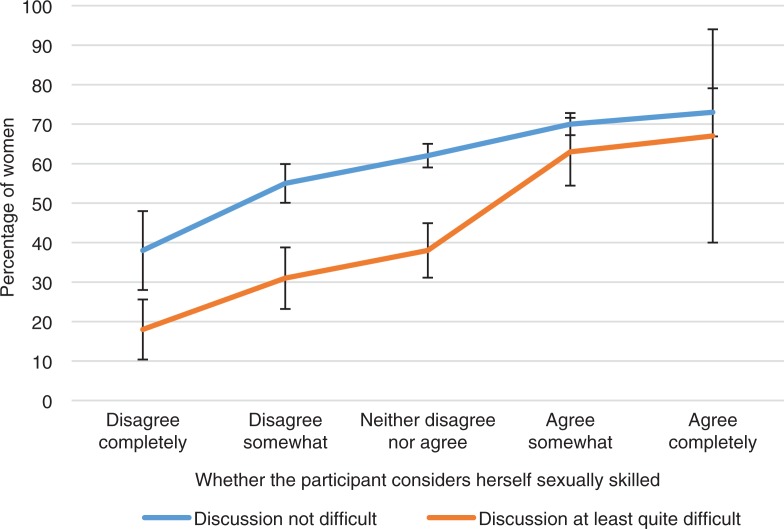
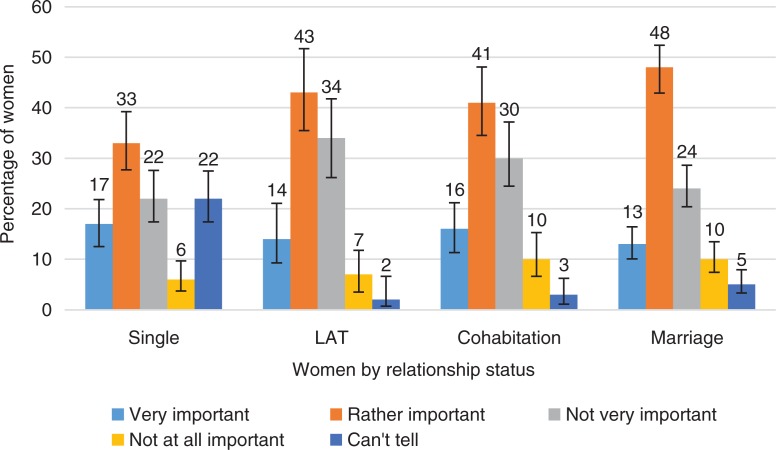
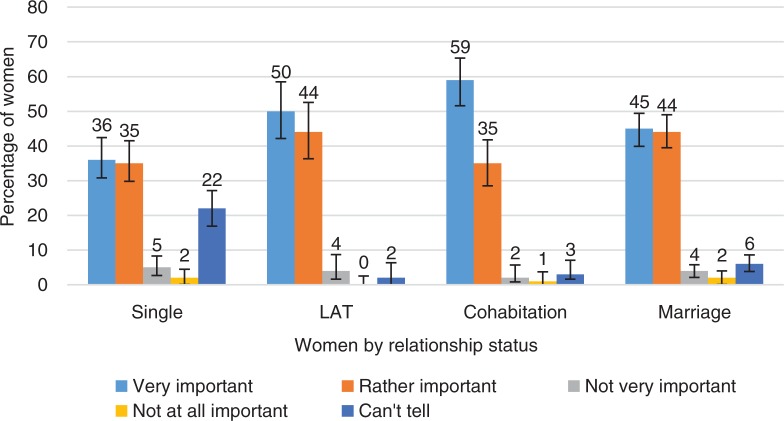
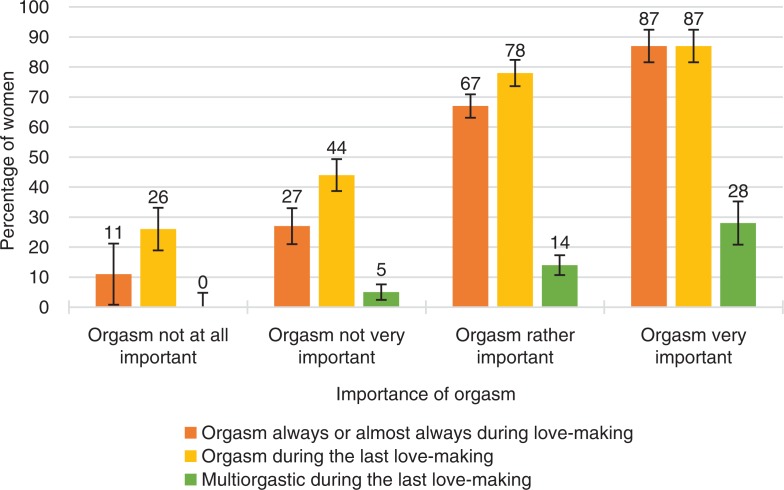
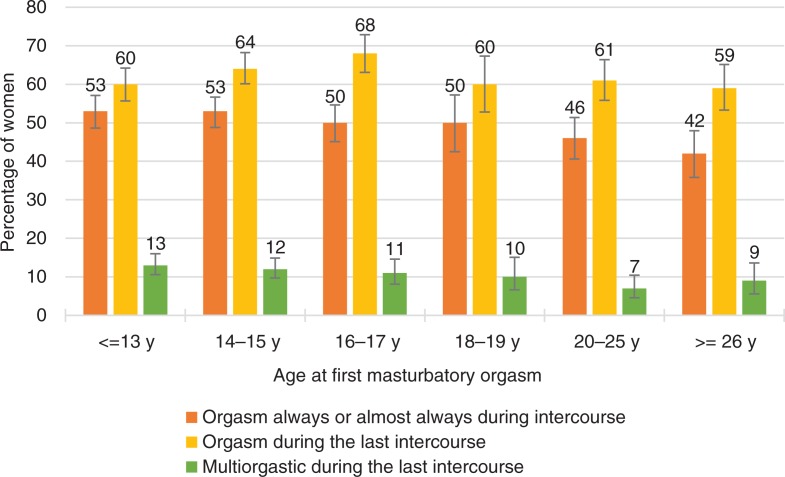
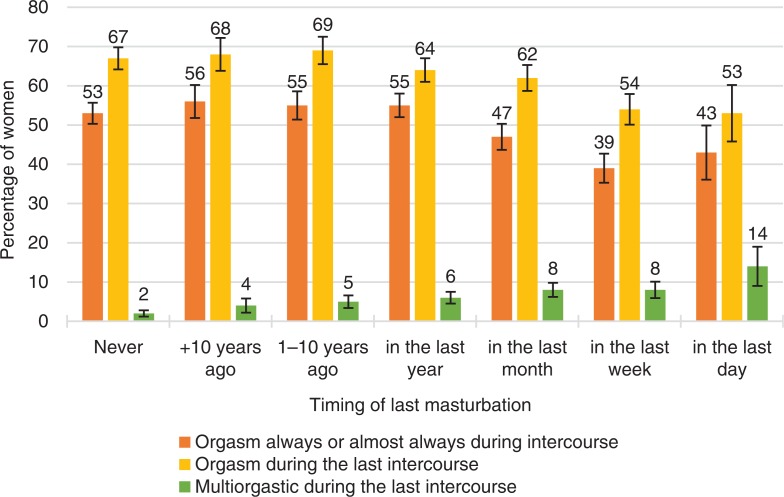
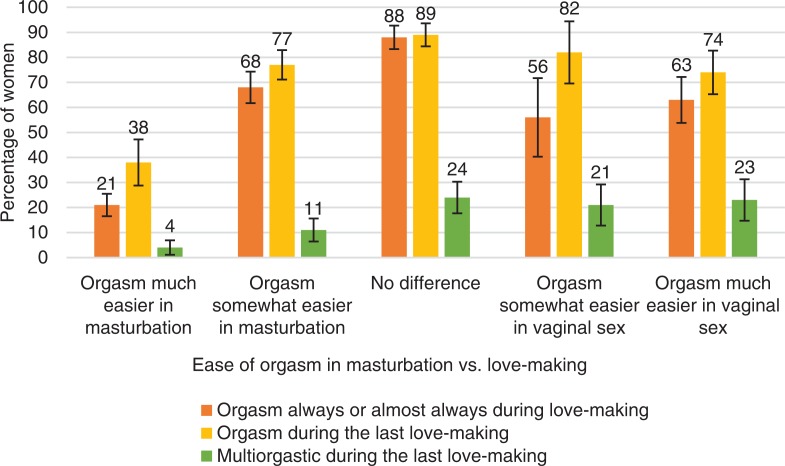
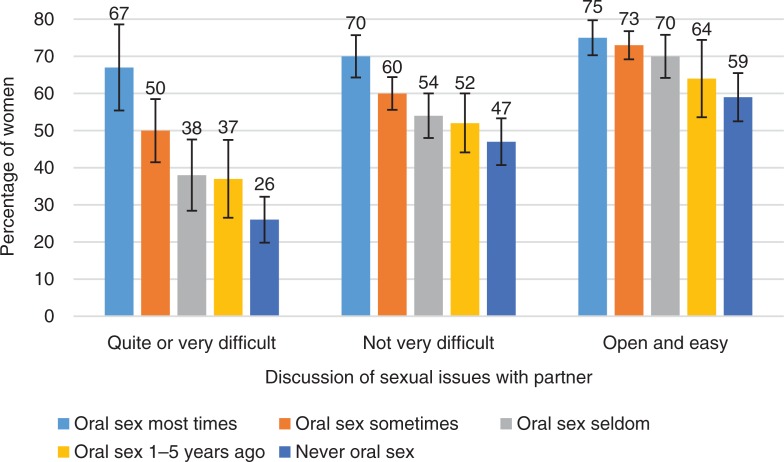
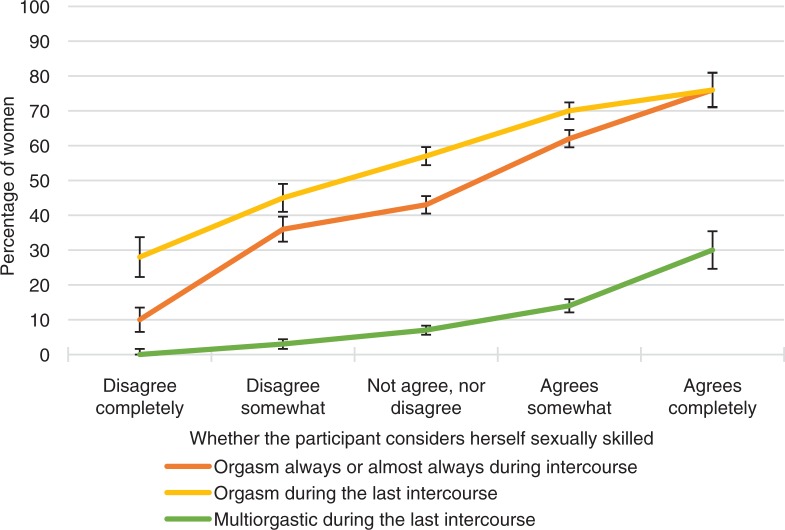
Contrary to expectations, women did not have orgasms that are more frequent by increasing their experience and practice of masturbation, or by experimenting with different partners in their lifetime. The keys to their more frequent orgasms lay in mental and relationship factors. These factors and capacities included orgasm importance, sexual desire, sexual self-esteem, and openness of sexual communication with partners. Women valued their partner's orgasm more than their own. In addition, positive determinants were the ability to concentrate, mutual sexual initiations, and partner's good sexual techniques. A relationship that felt good and worked well emotionally, and where sex was approached openly and appreciatively, promoted orgasms.
The findings indicate that women differ greatly from one another in terms of their tendency and capacity to experience orgasms. The improvements in gender equality and sexual education since the 1970s have not helped women to become more orgasmic. Neither has the major increase in masturbation habits (among women in general). One challenge for future studies is to understand why women value their partner's orgasms more than their own.
对性快感的追求是性活动的一个关键驱动因素。许多因素会妨碍性高潮和性愉悦的达成,尤其是在女性当中。这些都是性健康和性别平等的重要问题。
本研究呈现了芬兰女性性高潮的长期趋势及其决定因素。目的是分析诸如性高潮的个人重要性、性欲、自慰、阴蒂和阴道刺激、性自尊、与伴侣的沟通以及伴侣的性技巧等因素所起的作用。
在芬兰,已开展了五项基于中央人口登记随机样本的全国性性调查。它们分别代表了1971年年龄在18 - 54岁的总人口(=2152人)、1992年年龄在18 - 74岁的总人口(=2250人)、1999年年龄在18 - 81岁的总人口(=1496人)、2007年年龄在18 - 74岁的总人口(=2590人)以及2015年年龄在18 - 79岁的总人口(=2150人)。2015年还收集了另一个数据集,包含2049名年龄在18 - 70岁的女性——一个全国性互联网小组的数据。
与预期相反,女性并不会通过增加自慰经历和实践,或者在一生中与不同伴侣尝试性行为来更频繁地达到性高潮。她们更频繁达到性高潮的关键在于心理和关系因素。这些因素和能力包括性高潮的重要性、性欲、性自尊以及与伴侣进行性沟通的开放性。女性更看重伴侣的性高潮而非自己的。此外,积极的决定因素包括集中注意力的能力、双方主动进行性行为以及伴侣良好的性技巧。一段感觉良好且情感上相处融洽、性行为开放且令人愉悦的关系会促进性高潮的出现。
研究结果表明,女性在达到性高潮的倾向和能力方面差异很大。自20世纪70年代以来性别平等和性教育的改善并未帮助女性更容易达到性高潮。自慰习惯的大幅增加(总体而言在女性中)也没有起到这样的作用。未来研究的一个挑战是理解为什么女性更看重伴侣的性高潮而非自己的。