Ranalletta Maximiliano, Rossi Luciano A, Sirio Adrian, Bruchmann Guillermina, Maignon Gastón D, Bongiovanni Santiago L
Department of Orthopedics and Traumatology, Prof Dr Carlos E. Ottolenghi Italian Hospital of Buenos Aires, Buenos Aires, Argentina.
Orthop J Sports Med. 2016 Oct 25;4(10):2325967116669310. doi: 10.1177/2325967116669310. eCollection 2016 Oct.
Arthroscopic treatment of calcific deposits of rotator cuff tears has been described with successful results in the general population. However, despite the high frequency of this condition, there is no information in the literature regarding arthroscopic treatment of rotator cuff calcifications in athletes.
To analyze the time to return to sport, clinical outcomes, and complications of complete arthroscopic removal of intratendinous calcific deposits and repair of the tendon lesion without acromioplasty in athletes.
Case series; Level of evidence, 4.
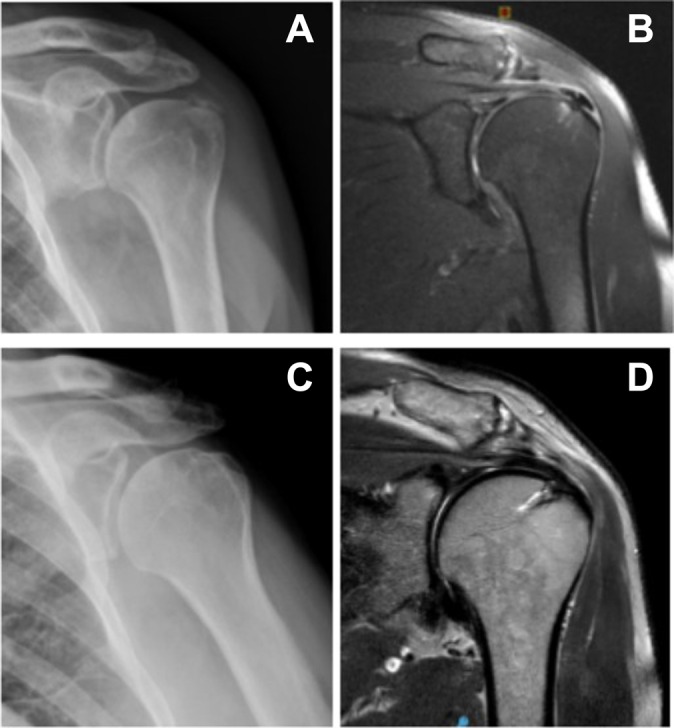
This study retrospectively evaluated 24 consecutive patients with a mean age of 36.2 years. The mean follow-up was 59 months (range, 24-108 months). Patients completed a questionnaire focused on the time to return to sport and treatment course. Pre- and postoperative functional assessment was performed using the Constant score and University of California Los Angeles (UCLA) score. Pain was assessed by visual analog scale (VAS). Radiographs and magnetic resonance imaging (MRI) were performed to evaluate the recurrence of calcifications and the indemnity of the supraspinatus tendon repair.
Of the 24 patients, 23 (95.8%) were able to return to sports; 91.3% returned to the same level. The mean time to return to play was 5.3 months (range, 3-9 months): 26% of patients (6/23) returned to sports in less than 4 months, 61% (14/24) returned between 4 and 6 months, and 13% (3/24) returned after the sixth month. The mean Constant score increased from 26.9 preoperatively to 89.7 postoperatively ( < .001), and the UCLA score increased from 17.3 preoperatively to 33.2 postoperatively ( < .001). Significant improvement was obtained for pain (mean VAS, 8.4 [before surgery] vs 0.6 [after]; < .001). The overall majority (91.6%) of patients were satisfied with their result. MRI examination at last follow-up (79% of patients) showed no tendon tears.
In athletes with calcifying tendinitis of the supraspinatus tendon with failed nonoperative treatment, complete arthroscopic removal of calcific deposits and tendon repair without acromioplasty results in significant pain relief and improvement in functional outcomes. Most patients return to the same level of proficiency regardless of the type of sport and the level of competition before injury, with 91.6% of patients satisfied with their results.
关节镜治疗肩袖撕裂钙化沉积在普通人群中已有成功报道。然而,尽管这种情况很常见,但文献中尚无关于运动员肩袖钙化的关节镜治疗的信息。
分析运动员完全关节镜下清除肌腱内钙化沉积物并修复肌腱损伤而不进行肩峰成形术的恢复运动时间、临床结果和并发症。
病例系列;证据等级,4级。
本研究回顾性评估了24例连续患者,平均年龄36.2岁。平均随访59个月(范围24 - 108个月)。患者完成了一份关于恢复运动时间和治疗过程的问卷。术前和术后功能评估采用Constant评分和加利福尼亚大学洛杉矶分校(UCLA)评分。疼痛通过视觉模拟量表(VAS)评估。进行X线片和磁共振成像(MRI)以评估钙化的复发情况和冈上肌腱修复的完整性。
24例患者中,23例(95.8%)能够恢复运动;91.3%恢复到相同水平。恢复运动的平均时间为5.3个月(范围3 - 9个月):26%的患者(6/23)在不到4个月内恢复运动,61%(14/24)在4至6个月之间恢复,13%(3/24)在第6个月后恢复。Constant评分平均从术前的26.9提高到术后的89.7(P <.001),UCLA评分从术前的17.3提高到术后的33.2(P <.001)。疼痛有显著改善(平均VAS,术前8.4 vs术后0.6;P <.001)。总体上大多数(91.6%)患者对结果满意。最后一次随访时的MRI检查(79%的患者)显示无肌腱撕裂。
对于非手术治疗失败的冈上肌腱钙化性肌腱炎运动员,完全关节镜下清除钙化沉积物并进行肌腱修复而不进行肩峰成形术可显著缓解疼痛并改善功能结果。大多数患者无论运动类型和受伤前比赛水平如何,都能恢复到相同的熟练程度,91.6%的患者对结果满意。