
选定阿拉伯国家非传染性疾病出版物中的基因研究图谱绘制:迈向指导性研究议程的第一步。
Mapping genetic research in non-communicable disease publications in selected Arab countries: first step towards a guided research agenda.
作者信息
Jamaluddine Zeina, Sibai Abla Mehio, Othman Shahd, Yazbek Soha
机构信息
Medical Laboratory Sciences, American University of Beirut, Riad El Solh, P.O. Box 11-0236, 1107 2020, Beirut, Lebanon.
Epidemiology and Population Health, American University of Beirut, Beirut, Lebanon.
出版信息
Health Res Policy Syst. 2016 Nov 10;14(1):81. doi: 10.1186/s12961-016-0153-9.
BACKGROUND
In the Arab world, intervention and policy response to non-communicable diseases (NCD) has been weak despite extensive epidemiological evidence highlighting the alarmingly increased prevalence of chronic diseases. Generating genetic information is one key component to promote efficient disease management strategies. This study undertook a scoping review to generate the profile of the undertaken research on genetics of NCD publications in selected Arab countries. An analysis of the research produced examined the extent, range, nature, topic and methods of published research. The study aimed at identifying the gaps in genetic NCD research to inform policy action for NCD prevention and control.
METHODS
The scoping review was conducted based on the five-stage methodological framework and included countries in Arab region selected to represent various economies and epidemiological transitions.
RESULTS
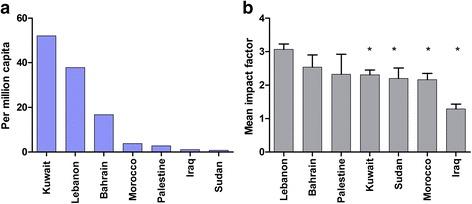
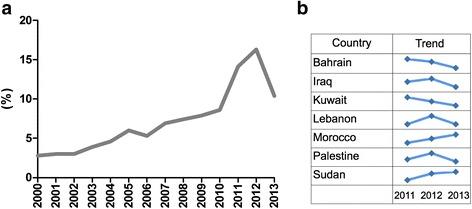
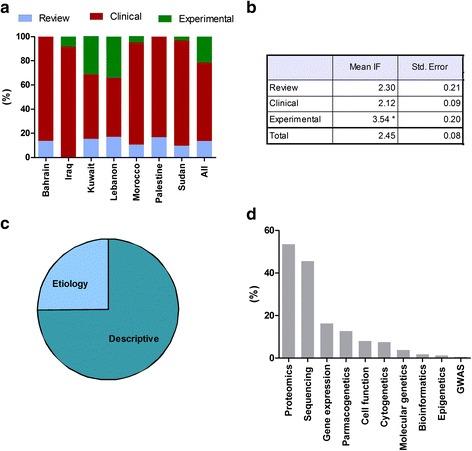
The search identified 555 articles that focus on genetics-NCD research in the selected Arab countries over the duration of this study (January 2000 to December 2013). The most commonly conducted research was descriptive and clinically focused, rather than etiologically focused. Country-specific carrier and risk screening studies were not among the top research designs. The genetic component of certain highly heritable diseases, as well as diabetes, obesity, hypertension, chronic lung dysfunction and metabolic syndrome were all under investigated.
CONCLUSIONS
This scoping review identified gaps for further research in the context of bioinformatics and genome-wide association studies. Genetic research in the Arab region has to be redirected towards NCDs with the highest morbidity, heritability and health burden within each country. A focused research plan to include community genetics is required for its proper integration in the Arab community.
背景
在阿拉伯世界,尽管有大量流行病学证据表明慢性病患病率惊人地上升,但对非传染性疾病(NCD)的干预和政策应对一直很薄弱。生成遗传信息是促进有效疾病管理策略的一个关键组成部分。本研究进行了一项范围综述,以了解选定阿拉伯国家关于非传染性疾病出版物遗传学的研究概况。对所开展研究的分析考察了已发表研究的范围、广度、性质、主题和方法。该研究旨在确定非传染性疾病遗传研究中的差距,为非传染性疾病预防和控制的政策行动提供信息。
方法
范围综述基于五阶段方法框架进行,涵盖阿拉伯地区被选中以代表不同经济和流行病学转变情况的国家。
结果
在本研究期间(2000年1月至2013年12月),检索到555篇聚焦于选定阿拉伯国家非传染性疾病遗传学研究的文章。最常开展的研究是描述性的且以临床为重点,而非病因学重点。特定国家的携带者和风险筛查研究不在主要研究设计之列。某些高度遗传性疾病以及糖尿病、肥胖症、高血压、慢性肺功能障碍和代谢综合征的遗传成分均未得到充分研究。
结论
本范围综述确定了在生物信息学和全基因组关联研究背景下有待进一步研究的差距。阿拉伯地区的遗传研究必须转向每个国家发病率、遗传性和健康负担最高的非传染性疾病。需要一项包括社区遗传学的重点研究计划,以便将其恰当地融入阿拉伯社区。


 Zotero 插件