Zhao Shanmin, Li Li, Wang Shiyong, Yu Chenlin, Xiao Bang, Lin Lifang, Cong Wei, Cheng Jishuai, Yang Wenjing, Sun Wei, Cui Shufang
Laboratory Animal Centre, Second Military Medical University, Shanghai, China.
Department of Training, Second Military Medical University, Shanghai, China.
Oncotarget. 2016 Dec 20;7(51):84839-84850. doi: 10.18632/oncotarget.13321.
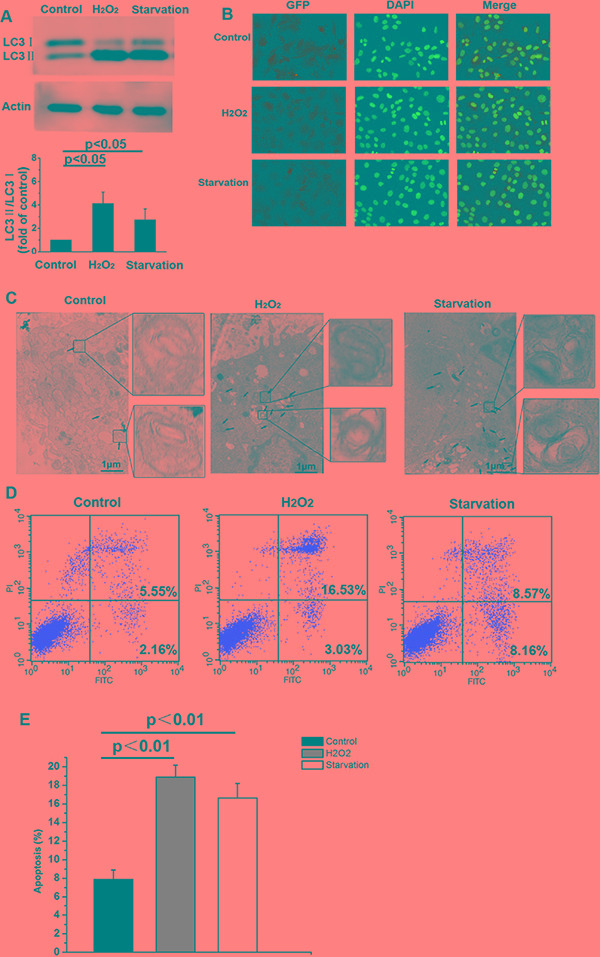
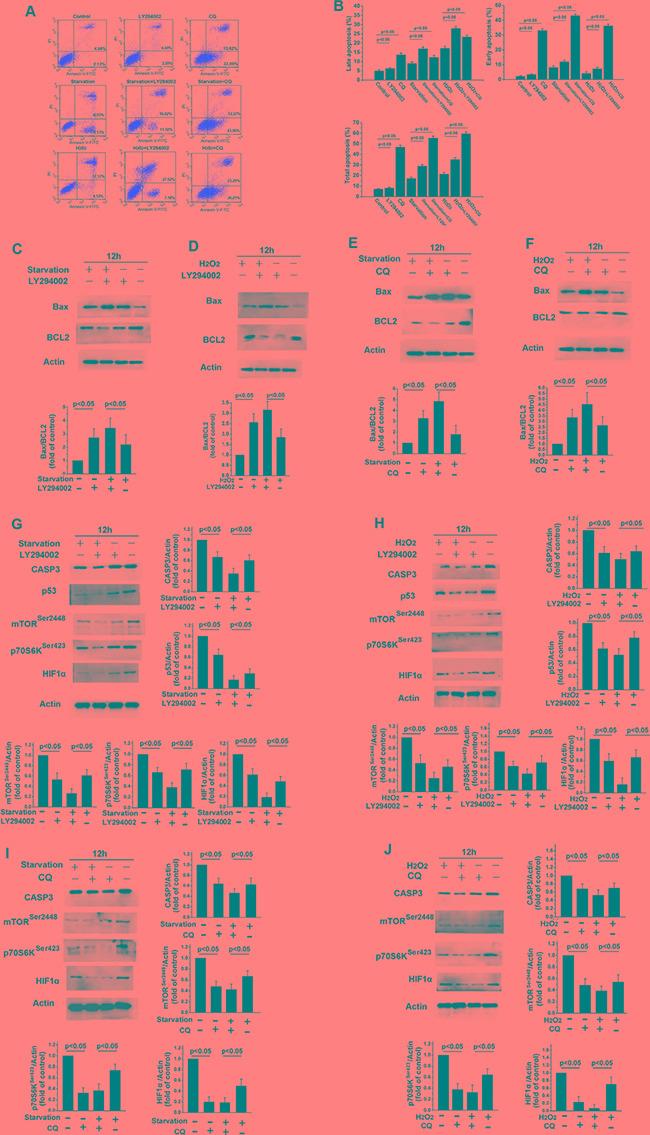
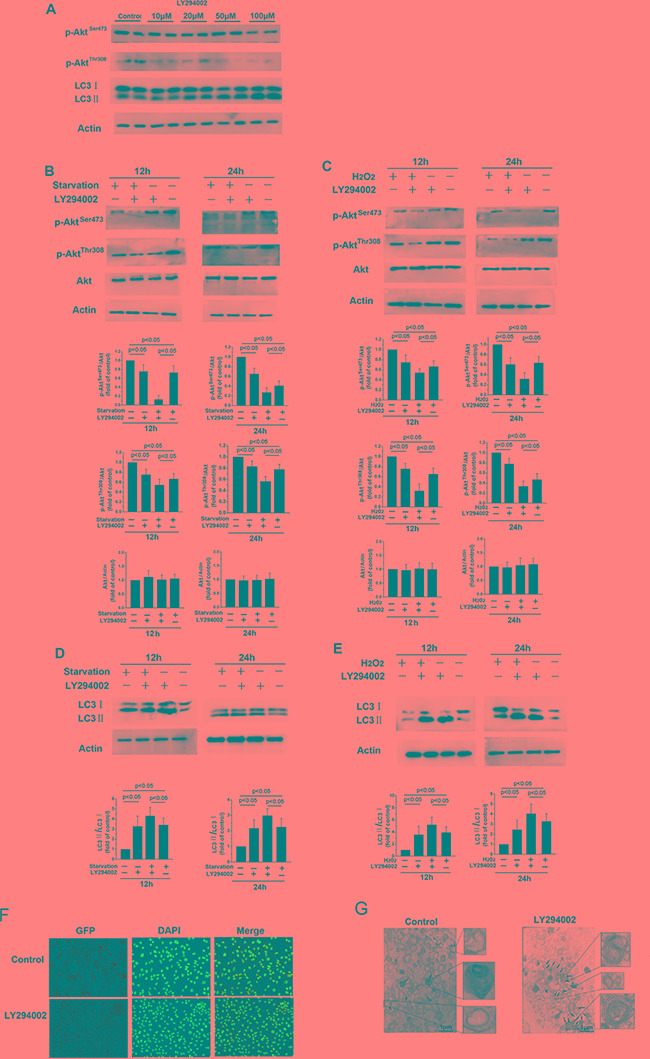
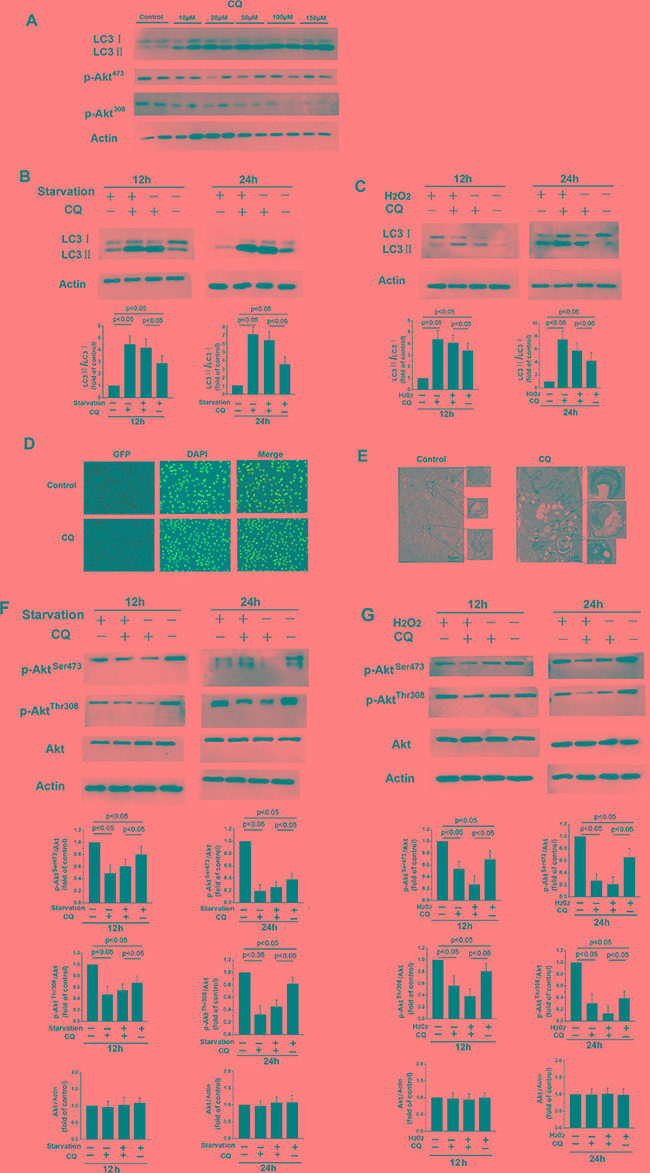
Naked mole-rats (NMR; Heterocephalus glaber) display extreme longevity and resistance to cancer. Here, we examined whether autophagy contributes to the longevity of NMRs by assessing the effects of the PI3K/Akt pathway inhibitor LY294002 and the autophagy inhibitor chloroquine (CQ) on autophagy and apoptosis in NMR skin fibroblasts. Serum starvation, H2O2 treatment, and LY294002 treatment all increased the LC3-II/LC3-I ratio and numbers of double-membraned autophagosomes and autophagic vacuoles, and decreased levels of p70S6K, p-AktSer473, and p-AktThr308. By contrast, CQ treatment decreased p70S6K, AktSer473, and AktThr308 levels. The Bax/Bcl-2 ratio increased after 12 h of exposure to LY294002 or CQ. These data show that inhibiting the Akt pathway promotes autophagy and apoptosis in NMR skin fibroblasts. Furthermore, LY294002 or CQ treatment decreased caspase-3, p53, and HIF1-α levels, suggesting that serum starvation or H2O2 treatment increase autophagy and apoptosis in NMR skin fibroblasts by inhibiting the PI3K/Akt pathway. CQ-induced inhibition of late autophagy stages also prevented Akt activation and induced apoptosis. Finally, the HIF-1α and p53 pathways were involved in serum starvation- or H2O2-induced autophagy in NMR skin fibroblasts.
裸鼹鼠(NMR;Heterocephalus glaber)表现出极长的寿命和对癌症的抵抗力。在此,我们通过评估PI3K/Akt通路抑制剂LY294002和自噬抑制剂氯喹(CQ)对NMR皮肤成纤维细胞自噬和凋亡的影响,来研究自噬是否有助于NMR的长寿。血清饥饿、H2O2处理和LY294002处理均增加了LC3-II/LC3-I比率以及双膜自噬体和自噬泡的数量,并降低了p70S6K、p-AktSer473和p-AktThr308的水平。相比之下,CQ处理降低了p70S6K、AktSer473和AktThr308的水平。暴露于LY294002或CQ 12小时后,Bax/Bcl-2比率增加。这些数据表明,抑制Akt通路可促进NMR皮肤成纤维细胞的自噬和凋亡。此外,LY294002或CQ处理降低了caspase-3、p53和HIF1-α水平,这表明血清饥饿或H2O2处理通过抑制PI3K/Akt通路增加了NMR皮肤成纤维细胞的自噬和凋亡。CQ诱导的晚期自噬阶段抑制也阻止了Akt激活并诱导了凋亡。最后,HIF-1α和p53通路参与了血清饥饿或H2O2诱导的NMR皮肤成纤维细胞自噬。