Ahn Youngbeom, Kim Jeong Myeong, Kweon Ohgew, Kim Seong-Jae, Jones Richard C, Woodling Kellie, Gamboa da Costa Gonçalo, LiPuma John J, Hussong David, Marasa Bernard S, Cerniglia Carl E
Division of Microbiology, National Center for Toxicological Research, U.S. Food and Drug Administration, Jefferson, Arkansas, USA.
MS, Bioworks LLC, Ann Arbor, Michigan, USA.
mBio. 2016 Nov 22;7(6):e01716-16. doi: 10.1128/mBio.01716-16.
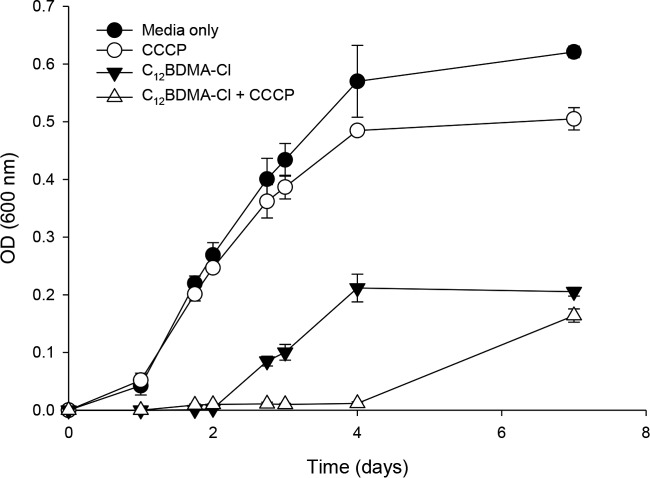
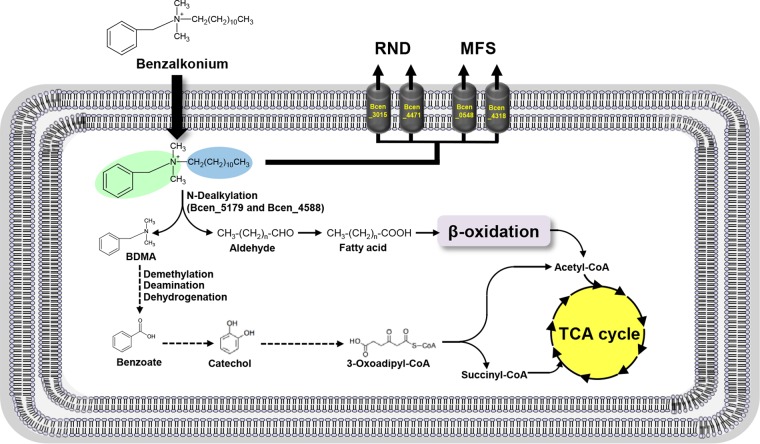
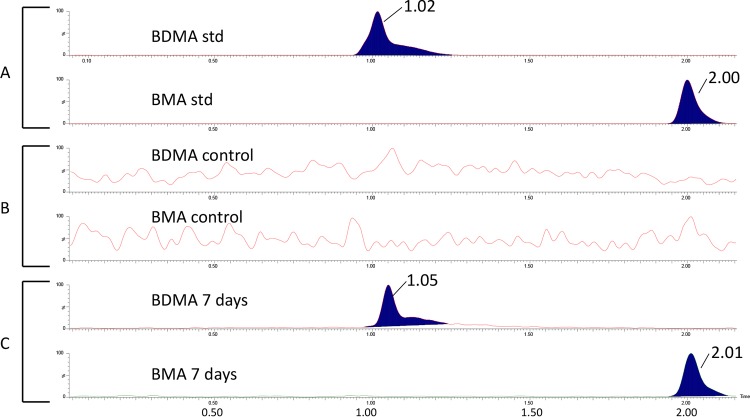
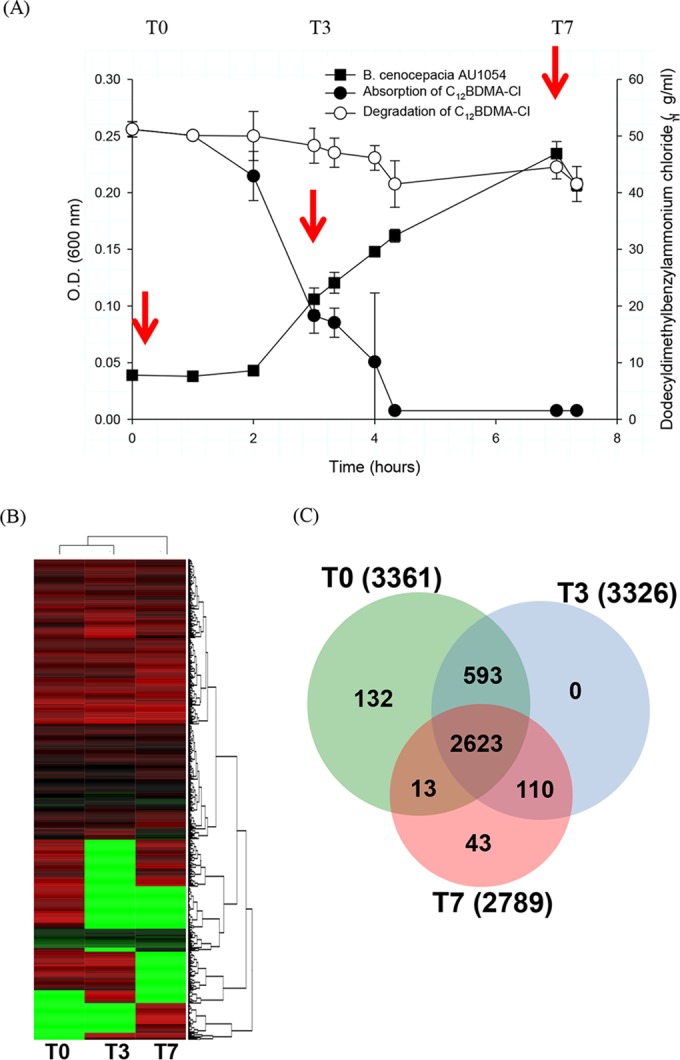
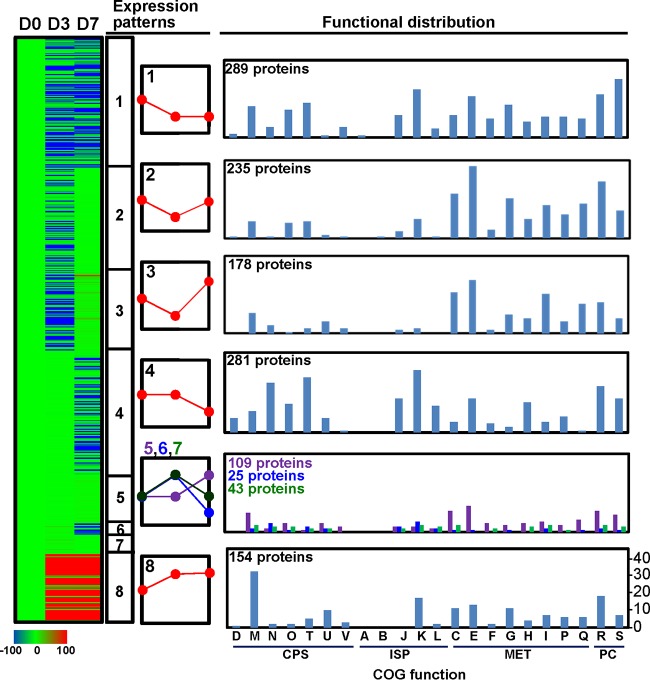
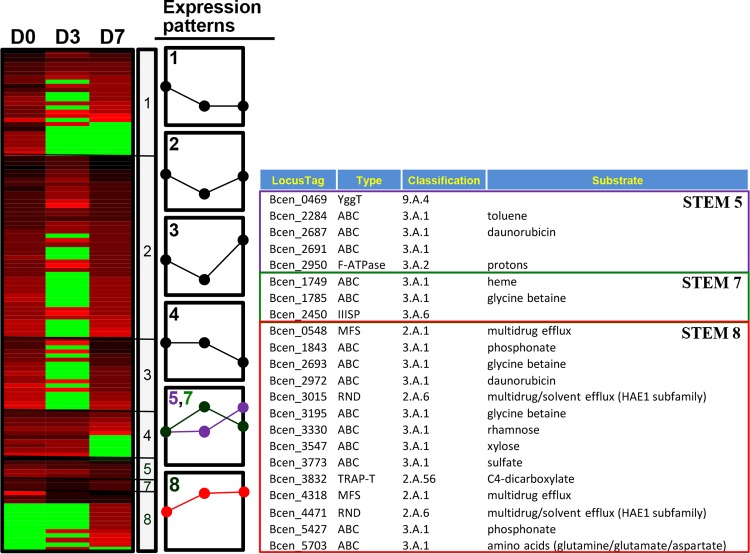
Pharmaceutical products that are contaminated with Burkholderia cepacia complex (BCC) bacteria may pose serious consequences to vulnerable patients. Benzyldimethylalkylammonium chloride (BZK) cationic surfactants are extensively used in medical applications and have been implicated in the coselection of antimicrobial resistance. The ability of BCC to degrade BZK, tetradecyldimethylbenzylammonium chloride (CBDMA-Cl), dodecyldimethylbenzylammonium chloride (CBDMA-Cl), decyldimethylbenzylammonium chloride (CBDMA-Cl), hexyldimethylbenzylammonium chloride, and benzyltrimethylammonium chloride was determined by incubation in 1/10-diluted tryptic soy broth (TSB) to determine if BCC bacteria have the ability to survive and inactivate these disinfectants. With BZK, CBDMA-Cl, and CBDMA-Cl, inhibition of the growth of 20 BCC strains was observed in disinfectant solutions that ranged from 64 to 256 µg/ml. The efflux pump inhibitor carbonyl cyanide m-chlorophenylhydrazone increased the sensitivity of bacteria to 64 µg/ml BZK. The 20 BCC strains grew well in 1/10-diluted TSB medium with BZK, CBDMA-Cl, and CBDMA-Cl; they absorbed and degraded the compounds in 7 days. Formation of benzyldimethylamine and benzylmethylamine as the initial metabolites suggested that the cleavage of the C alkyl-N bond occurred as the first step of BZK degradation by BCC bacteria. Proteomic data confirmed the observed efflux activity and metabolic inactivation via biodegradation in terms of BZK resistance of BCC bacteria, which suggests that the two main resistance mechanisms are intrinsic and widespread.
Benzyldimethylalkylammonium chloride is commonly used as an antiseptic in the United States. Several recent microbial outbreaks were linked to antiseptics that were found to contain strains of the Burkholderia cepacia complex. Burkholderia species survived in antiseptics, possibly because of the degradation of antiseptic molecules or regulation of relevant gene expression. In this study, we assessed the efflux pump and the potential of B. cepacia complex bacteria to degrade benzyldimethylalkylammonium chloride and improved our understanding of the resistance mechanisms, by using proteomic and metabolic information. To our knowledge, this is the first systematic report of the intrinsic mechanisms of B. cepacia complex strain resistance to benzyldimethylalkylammonium chloride, based on the metabolic and proteomic evidence for efflux pumps and the complete biodegradation of benzyldimethylalkylammonium chloride.
被洋葱伯克霍尔德菌复合体(BCC)细菌污染的药品可能会给易感患者带来严重后果。苄基二甲基烷基氯化铵(BZK)阳离子表面活性剂广泛用于医疗应用,并且与抗菌药物耐药性的共选择有关。通过在1/10稀释的胰蛋白胨大豆肉汤(TSB)中培养来测定BCC降解BZK、十四烷基二甲基苄基氯化铵(CBDMA-Cl)、十二烷基二甲基苄基氯化铵(CBDMA-Cl)、癸基二甲基苄基氯化铵(CBDMA-Cl)、己基二甲基苄基氯化铵和苄基三甲基氯化铵的能力,以确定BCC细菌是否有能力在这些消毒剂中存活并使其失活。对于BZK、CBDMA-Cl和CBDMA-Cl,在浓度范围为64至256μg/ml的消毒剂溶液中观察到对20株BCC菌株生长的抑制。外排泵抑制剂羰基氰化物间氯苯腙增加了细菌对64μg/ml BZK的敏感性。20株BCC菌株在含有BZK、CBDMA-Cl和CBDMA-Cl的1/10稀释TSB培养基中生长良好;它们在7天内吸收并降解了这些化合物。作为初始代谢产物的苄基二甲胺和苄基甲胺的形成表明,C烷基-N键的断裂是BCC细菌降解BZK的第一步。蛋白质组学数据从BCC细菌对BZK的抗性方面证实了观察到的外排活性和通过生物降解的代谢失活,这表明这两种主要的抗性机制是内在的且广泛存在的。
苄基二甲基烷基氯化铵在美国通常用作防腐剂。最近的几起微生物爆发事件与被发现含有洋葱伯克霍尔德菌复合体菌株的防腐剂有关。伯克霍尔德菌属在防腐剂中存活,可能是因为防腐剂分子的降解或相关基因表达的调控。在本研究中,我们通过使用蛋白质组学和代谢信息评估了外排泵以及洋葱伯克霍尔德菌复合体细菌降解苄基二甲基烷基氯化铵的潜力,并增进了我们对耐药机制的理解。据我们所知,这是基于外排泵的代谢和蛋白质组学证据以及苄基二甲基烷基氯化铵的完全生物降解,关于洋葱伯克霍尔德菌复合体菌株对苄基二甲基烷基氯化铵耐药内在机制的第一份系统性报告。