Oikonomou Vasilis, Moretti Silvia, Renga Giorgia, Galosi Claudia, Borghi Monica, Pariano Marilena, Puccetti Matteo, Palmerini Carlo A, Amico Lucia, Carotti Alessandra, Prezioso Lucia, Spolzino Angelica, Finocchi Andrea, Rossi Paolo, Velardi Andrea, Aversa Franco, Napolioni Valerio, Romani Luigina
Department of Experimental Medicine, University of Perugia, 06132 Perugia, Italy.
Department of Agriculture, Food, and Environmental Sciences, University of Perugia, 06132 Perugia, Italy.
Cell Host Microbe. 2016 Dec 14;20(6):744-757. doi: 10.1016/j.chom.2016.10.012. Epub 2016 Nov 23.
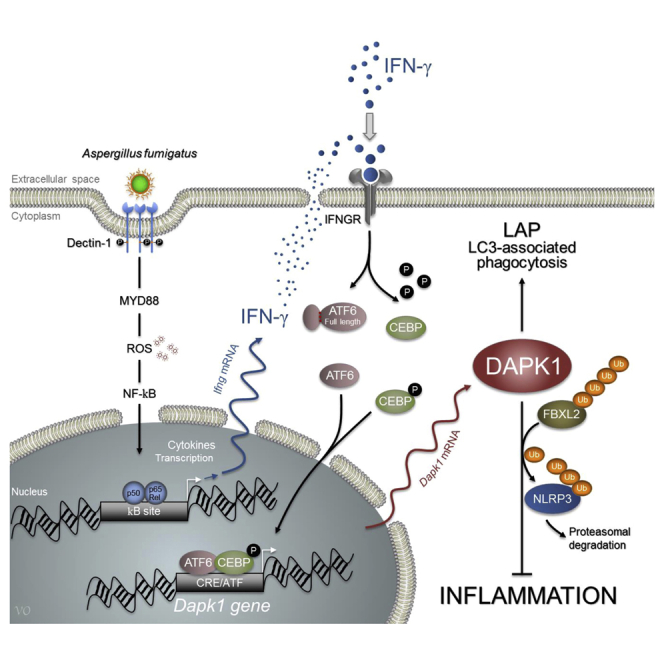
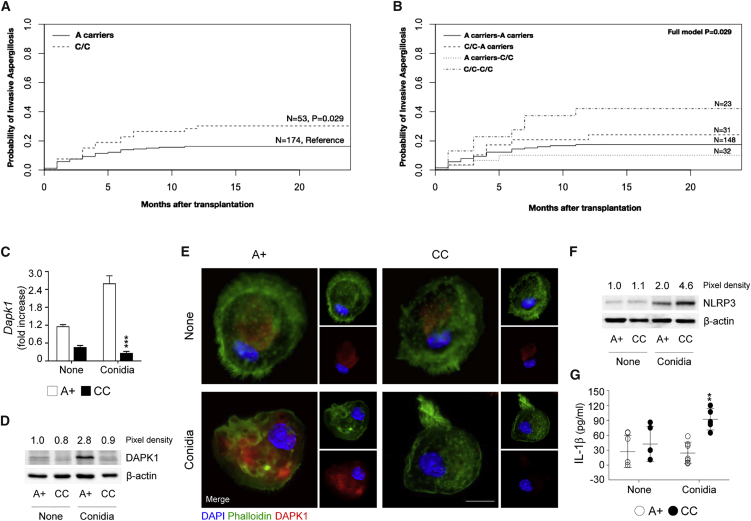
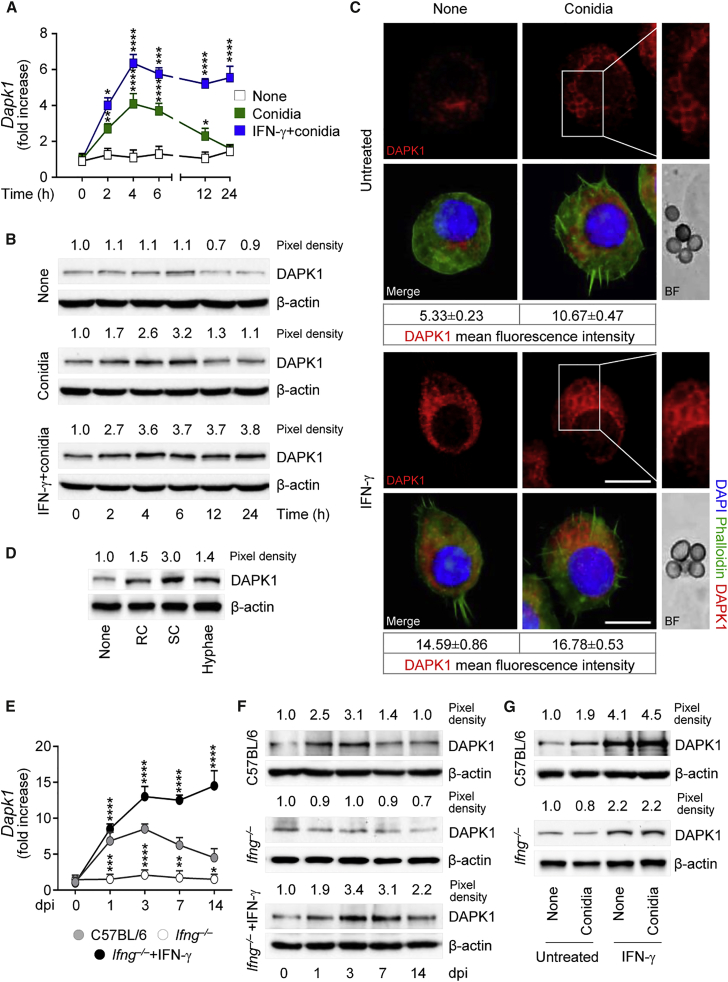
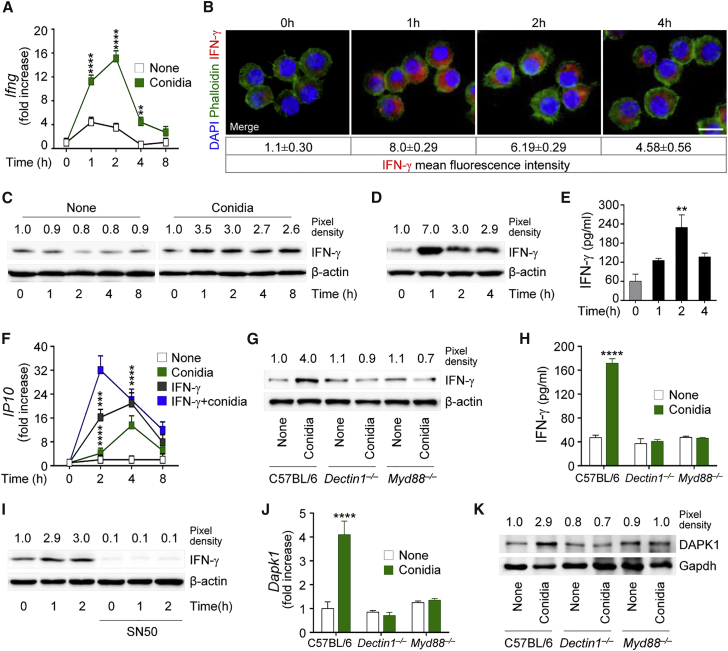
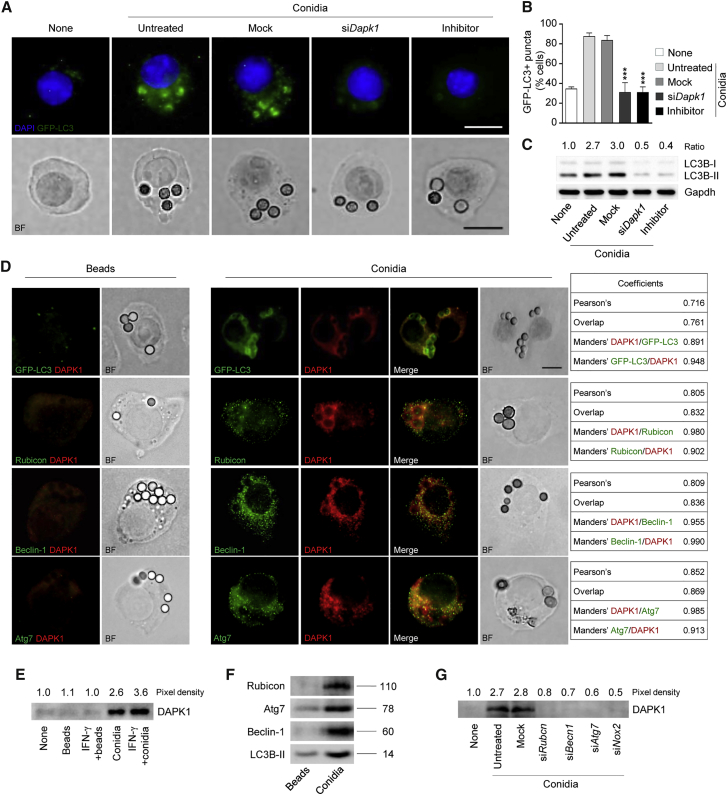
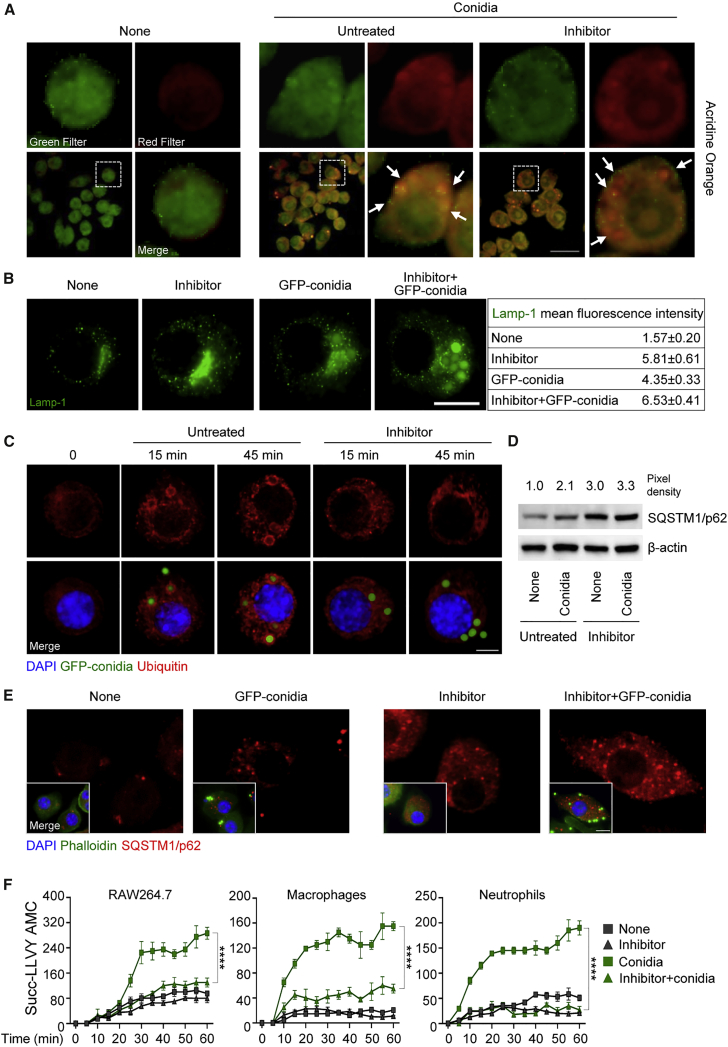
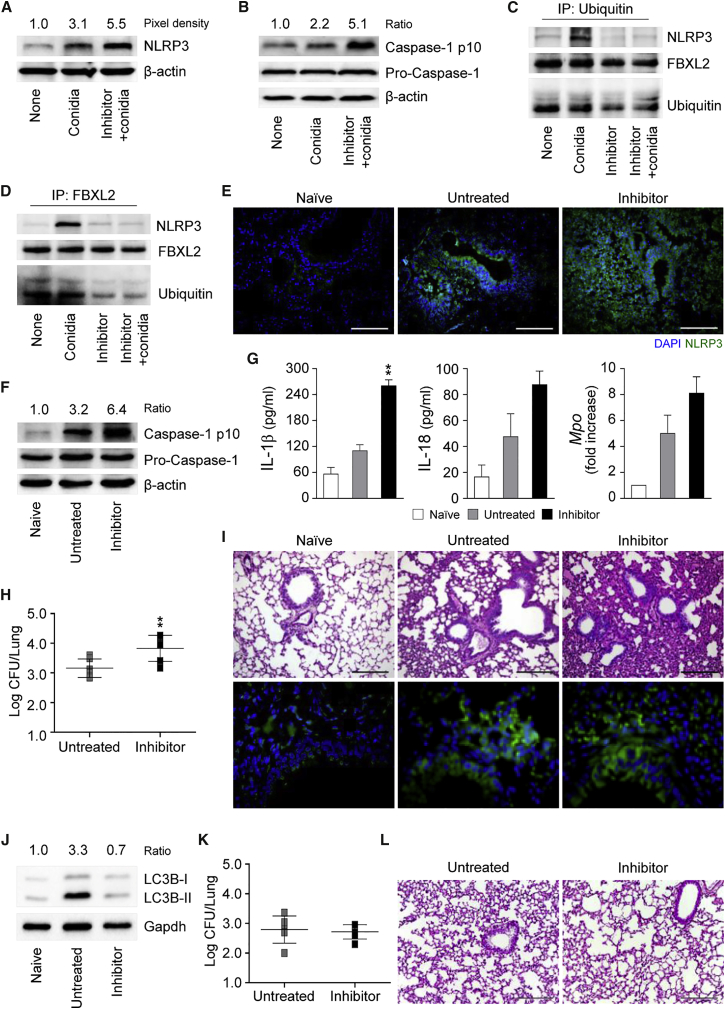
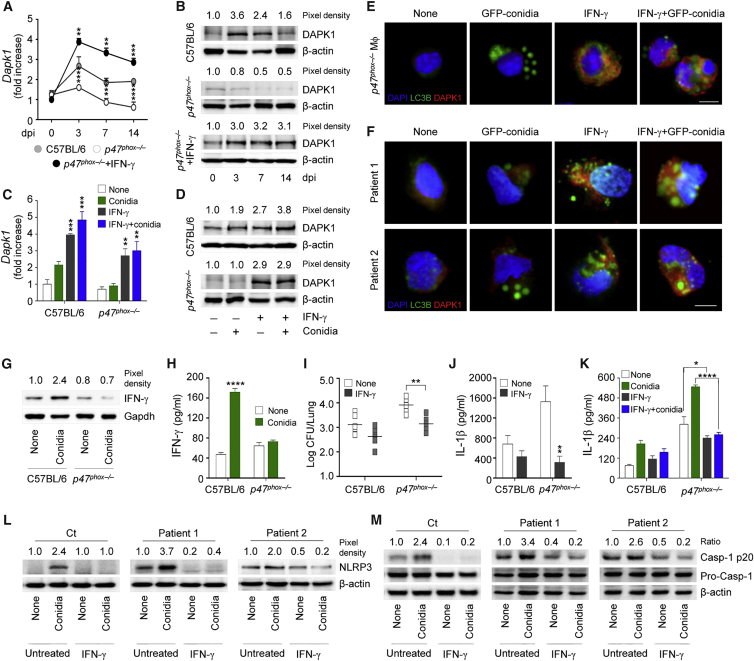
Defects in a form of noncanonical autophagy, known as LC3-associated phagocytosis (LAP), lead to increased inflammatory pathology during fungal infection. Although LAP contributes to fungal degradation, the molecular mechanisms underlying LAP-mediated modulation of inflammation are unknown. We describe a mechanism by which inflammation is regulated during LAP through the death-associated protein kinase 1 (DAPK1). The ATF6/C/EBP-β/DAPK1 axis activated by IFN-γ not only mediates LAP to Aspergillus fumigatus but also concomitantly inhibits Nod-like receptor protein 3 (NLRP3) activation and restrains pathogenic inflammation. In mouse models and patient samples of chronic granulomatous disease, which exhibit defective autophagy and increased inflammasome activity, IFN-γ restores reduced DAPK1 activity and dampens fungal growth. Additionally, in a cohort of hematopoietic stem cell-transplanted patients, a genetic DAPK1 deficiency is associated with increased inflammation and heightened aspergillosis susceptibility. Thus, DAPK1 is a potential drugable player in regulating the inflammatory response during fungal clearance initiated by IFN-γ.
一种非经典自噬形式,即LC3相关吞噬作用(LAP)的缺陷,会导致真菌感染期间炎症病理加剧。尽管LAP有助于真菌降解,但LAP介导炎症调节的分子机制尚不清楚。我们描述了一种在LAP过程中通过死亡相关蛋白激酶1(DAPK1)调节炎症的机制。由IFN-γ激活的ATF6/C/EBP-β/DAPK1轴不仅介导对烟曲霉的LAP,还同时抑制Nod样受体蛋白3(NLRP3)的激活并抑制致病性炎症。在表现出自噬缺陷和炎性小体活性增加的慢性肉芽肿病小鼠模型和患者样本中,IFN-γ可恢复降低的DAPK1活性并抑制真菌生长。此外,在一组造血干细胞移植患者中,遗传性DAPK1缺陷与炎症增加和曲霉菌病易感性升高有关。因此,DAPK1是调节IFN-γ启动的真菌清除过程中炎症反应的潜在可药物作用靶点。