Ardente Natália Carneiro, Ferreguetti Átilla Colombo, Gettinger Donald, Leal Pricila, Mendes-Oliveira Ana Cristina, Martins-Hatano Fernanda, Bergallo Helena Godoy
Universidade do Estado do Rio de Janeiro, Instituto de Biologia Roberto Alcântara Gomes, Laboratório de Ecologia de Mamíferos, Rio de Janeiro, Rio de Janeiro, Brazil.
Harold W. Manter Laboratory of Parasitology, University of Nebraska-Lincoln, Lincoln, Nebraska, United States of America.
PLoS One. 2016 Nov 28;11(11):e0167266. doi: 10.1371/journal.pone.0167266. eCollection 2016.
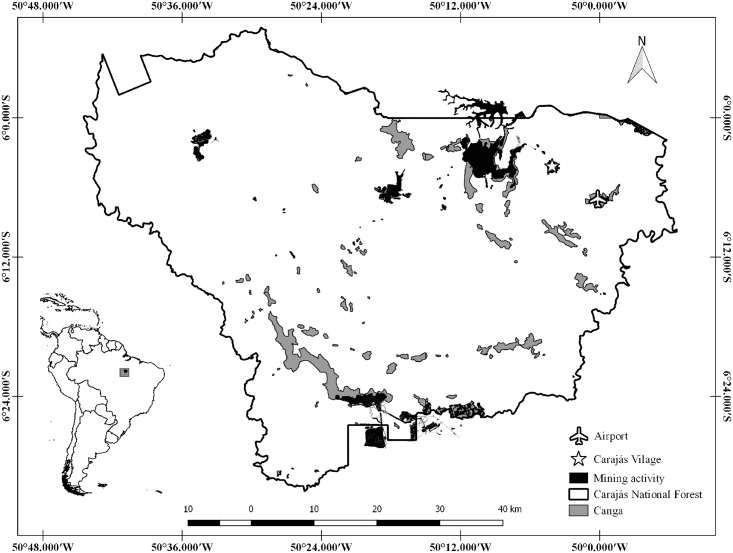
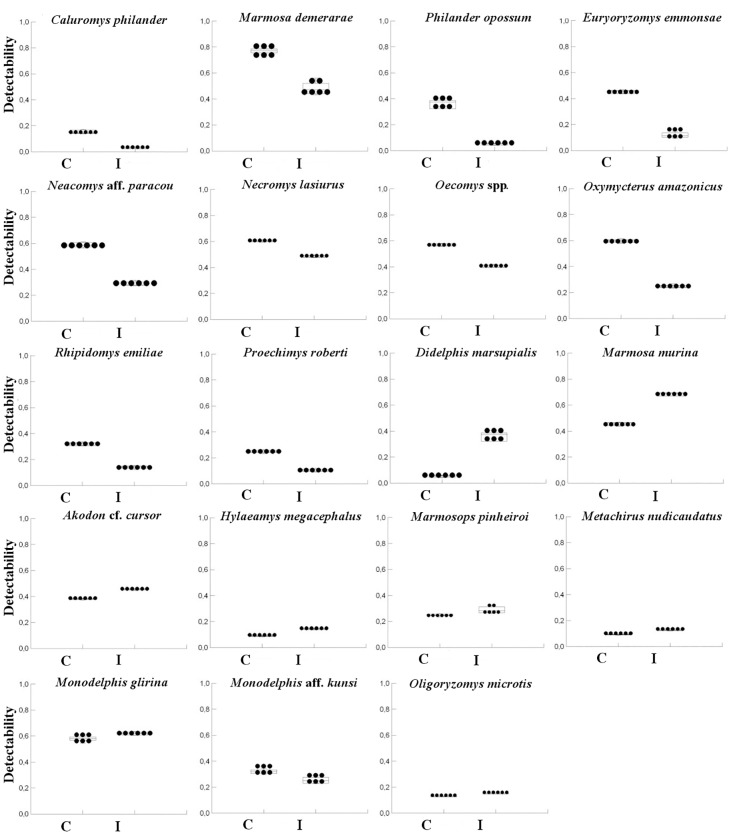
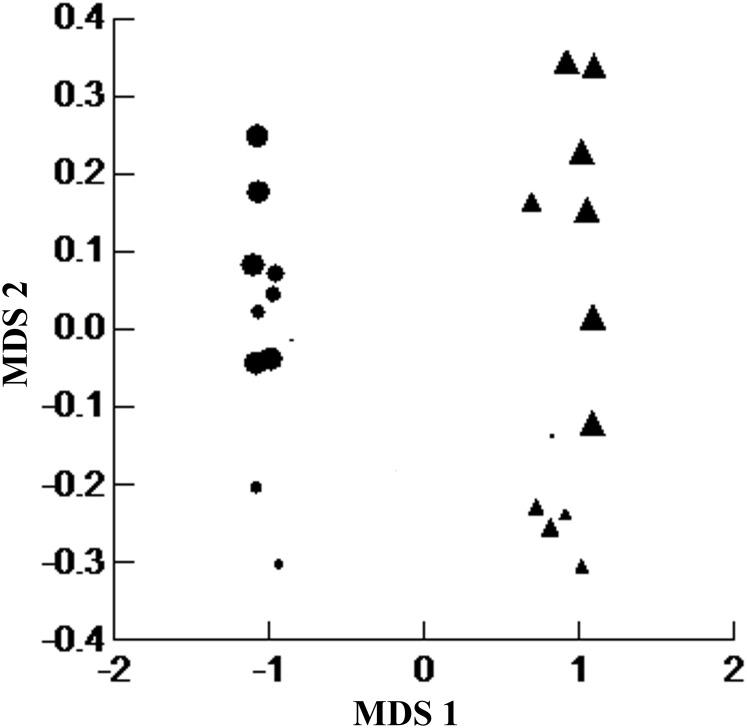
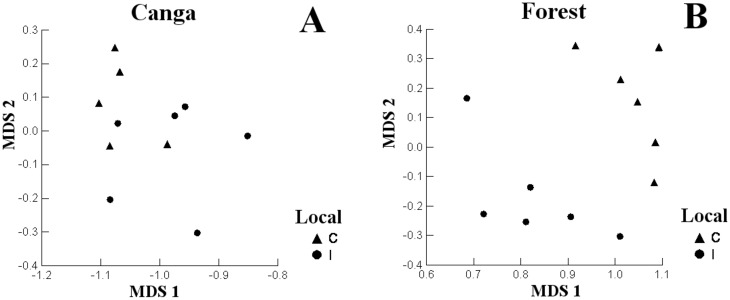
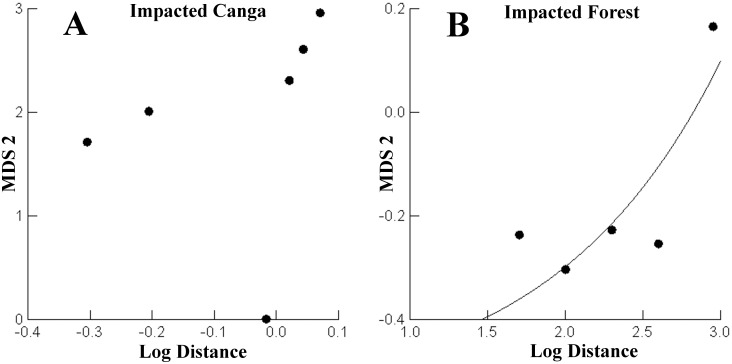
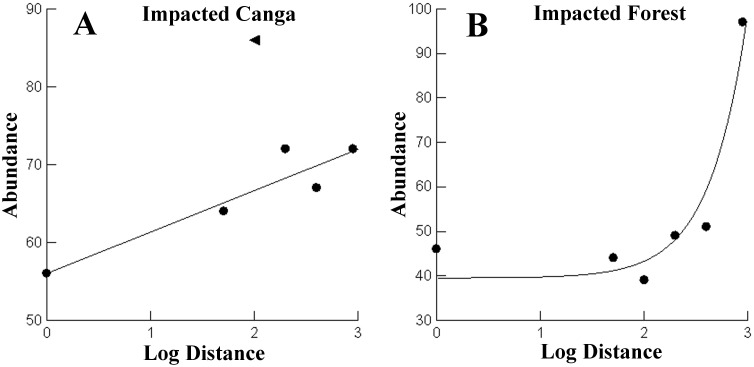
The Carajás National Forest contains some of the largest iron ore deposits in the world. The majority of the minerals are found below a plant community known as Savana Metalófila, or "Canga", which represents only 3% of the landscape within the Carajás National Forest (CNF). The aim of our study was to understand the diversity of community of non-volant small mammals in the two predominant vegetation types: Ombrophilous Forest and Canga, and to examine how mining impacts these communities. Sampling was conducted from January 2010 to August 2011 in 11 sampling sites divided by the total area of Canga and 12 sampling sites in the forest, totalizing 23 sites. Of these, 12 sites (Canga and Forest) were considered impacted areas located close to the mine (<< 900 meters) and 11 sites (Canga and Forest), serving as controls, which were at least 7,000 meters from the mine. We recorded 28 species, 11 from the Order Didelphimorphia and 17 from the Order Rodentia. The two forest types shared 68.42% of the species found in the CNF. A gradient analysis (Non-metric multidimensional scaling) revealed that the first axis clearly separated the non-flying small mammal communities by vegetation type. Occupancy models showed that the detectability of species was affected by the distance from the mining activities. Of all the small mammals analyzed, 10 species were positively affected by the distance from mining in areas impacted (e.g. more likely to be detected farther from mining areas) and detectability was lower in impacted areas. However, three species were negatively affected by the distance from mining, with higher detectability in the impacted areas, and seven species showed no effect of their proximity to mining operations. To date, there are no studies in Brazil about the impact of mining on mammals or other vertebrates. This study reveals that the effect of mining may go beyond the forest destruction caused by the opening of the mining pits, but also may negatively affect sensitive wildlife species.
卡拉雅斯国家森林蕴藏着世界上一些最大的铁矿石矿床。大部分矿物质位于一种名为萨瓦纳金属嗜生植物群落(Savana Metalófila),即“坎加”(Canga)之下,而该群落仅占卡拉雅斯国家森林(CNF)景观的3%。我们研究的目的是了解两种主要植被类型(喜雨森林和坎加)中非飞行小型哺乳动物群落的多样性,并研究采矿如何影响这些群落。2010年1月至2011年8月期间,在按坎加总面积划分的11个采样点以及森林中的12个采样点进行了采样,共计23个点。其中,12个点(坎加点和森林点)被视为靠近矿山(<900米)的受影响区域,11个点(坎加点和森林点)作为对照,距离矿山至少7000米。我们记录了28个物种,其中11个来自负鼠目,17个来自啮齿目。这两种森林类型共有CNF中发现物种的68.42%。梯度分析(非度量多维标度法)表明,第一轴按植被类型清晰地分隔了非飞行小型哺乳动物群落。占有率模型显示,物种的可探测性受与采矿活动距离的影响。在所有分析的小型哺乳动物中,10个物种在受影响区域中受与采矿距离的正向影响(例如,在离矿区较远的地方更有可能被探测到),且在受影响区域可探测性较低。然而,3个物种受与采矿距离的负向影响,在受影响区域可探测性较高,7个物种显示其与采矿作业的距离没有影响。迄今为止,巴西尚无关于采矿对哺乳动物或其他脊椎动物影响的研究。本研究表明,采矿的影响可能不仅限于因矿坑开采导致的森林破坏,还可能对敏感的野生动物物种产生负面影响。