Fleseriu Maria, Rusch Elisha, Geer Eliza B
Oregon Health & Science University, Portland, OR, USA.
Novartis Pharmaceuticals Corporation, East Hanover, NJ, USA.
Endocrine. 2017 Jan;55(1):247-255. doi: 10.1007/s12020-016-1182-4. Epub 2016 Nov 28.
Pasireotide long-acting release is a somatostatin analog that is indicated for treatment of patients with acromegaly. This analysis documents the safety of pasireotide long-acting release in patients with acromegaly enrolled in the ACCESS trial (ClinicalTrials.gov identifier: NCT01995734).
ACCESS is an open-label, multicenter, single-arm, expanded-treatment protocol designed to provide patients access to pasireotide long-acting release pending regulatory approval. Patients received pasireotide long-acting release 40 mg administered intramuscularly every 28 days. The primary outcome was the proportion of patients having a treatment-emergent grade ≥3 or serious adverse event. Efficacy data were not collected.
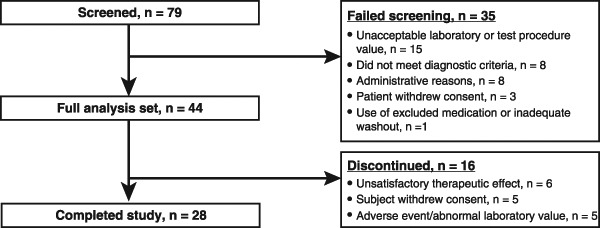
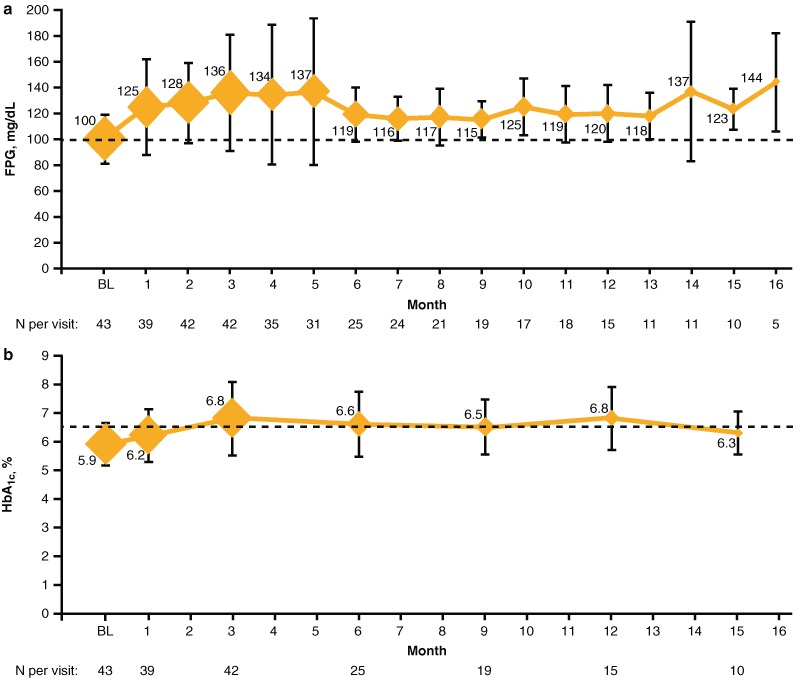
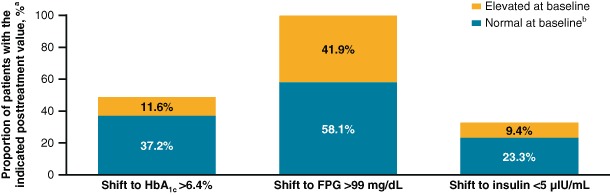
Forty-four adult patients with active acromegaly were enrolled in the study for an average of 37.6 weeks (range, 4-70 weeks). Twenty-five grade ≥3 treatment-emergent adverse events were reported in 11 patients (25.0 %), 3 of whom (27.3 %) experienced grade ≥3 hyperglycemia. In patients treated with pasireotide long-acting release for ≥3 months (n = 42), mean glycated hemoglobin and fasting plasma glucose levels increased significantly from 5.9 % and 100.4 mg/dL at baseline to 6.8 % and 135.9 mg/dL at 3 months, respectively. Ten patients (22.7 %) were treated with pasireotide long-acting release for ≥15 months, after which mean glycated hemoglobin and fasting plasma glucose levels were 6.3 % and 123 mg/dL, respectively. Twenty-one patients (48 %) initiated antidiabetic medication.
Grade ≥3 adverse events (primary outcome) were reported in 25.0 % of acromegaly patients treated with pasireotide long-acting release in a clinical setting. Hyperglycemia-related adverse events were reported in 45.5 % of patients, but were typically manageable, supporting the role of pasireotide long-acting release as a safe treatment option for acromegaly patients.
帕西瑞肽长效释放剂是一种生长抑素类似物,适用于肢端肥大症患者的治疗。本分析记录了参加ACCESS试验(ClinicalTrials.gov标识符:NCT01995734)的肢端肥大症患者使用帕西瑞肽长效释放剂的安全性。
ACCESS是一项开放标签、多中心、单臂、扩展治疗方案,旨在为患者提供在监管批准前使用帕西瑞肽长效释放剂的机会。患者每28天接受一次40mg帕西瑞肽长效释放剂肌肉注射。主要结局是出现治疗中出现的≥3级或严重不良事件的患者比例。未收集疗效数据。
44例成年活动性肢端肥大症患者入组研究,平均时间为37.6周(范围4 - 70周)。11例患者(25.0%)报告了25起≥3级治疗中出现的不良事件,其中3例(27.3%)经历了≥3级高血糖。在接受帕西瑞肽长效释放剂治疗≥3个月的患者(n = 42)中,糖化血红蛋白和空腹血糖水平从基线时的5.9%和100.4mg/dL分别显著升至3个月时的6.8%和135.9mg/dL。10例患者(22.7%)接受帕西瑞肽长效释放剂治疗≥15个月,之后糖化血红蛋白和空腹血糖水平分别为6.3%和123mg/dL。21例患者(48%)开始使用抗糖尿病药物。
在临床环境中,接受帕西瑞肽长效释放剂治疗的肢端肥大症患者中有25.0%报告了≥3级不良事件(主要结局)。45.5%的患者报告了与高血糖相关的不良事件,但通常可控制,这支持了帕西瑞肽长效释放剂作为肢端肥大症患者安全治疗选择的作用。