Griffin Paul, Pasay Cielo, Elliott Suzanne, Sekuloski Silvana, Sikulu Maggy, Hugo Leon, Khoury David, Cromer Deborah, Davenport Miles, Sattabongkot Jetsumon, Ivinson Karen, Ockenhouse Christian, McCarthy James
Clinical Tropical Medicine Laboratory, QIMR Berghofer, Brisbane, Australia.
Q-Pharm Pty Ltd, Brisbane, Australia.
PLoS Negl Trop Dis. 2016 Dec 8;10(12):e0005139. doi: 10.1371/journal.pntd.0005139. eCollection 2016 Dec.
Interventions to interrupt transmission of malaria from humans to mosquitoes represent an appealing approach to assist malaria elimination. A limitation has been the lack of systems to test the efficacy of such interventions before proceeding to efficacy trials in the field. We have previously demonstrated the feasibility of induced blood stage malaria (IBSM) infection with Plasmodium vivax. In this study, we report further validation of the IBSM model, and its evaluation for assessment of transmission of P. vivax to Anopheles stephensi mosquitoes.
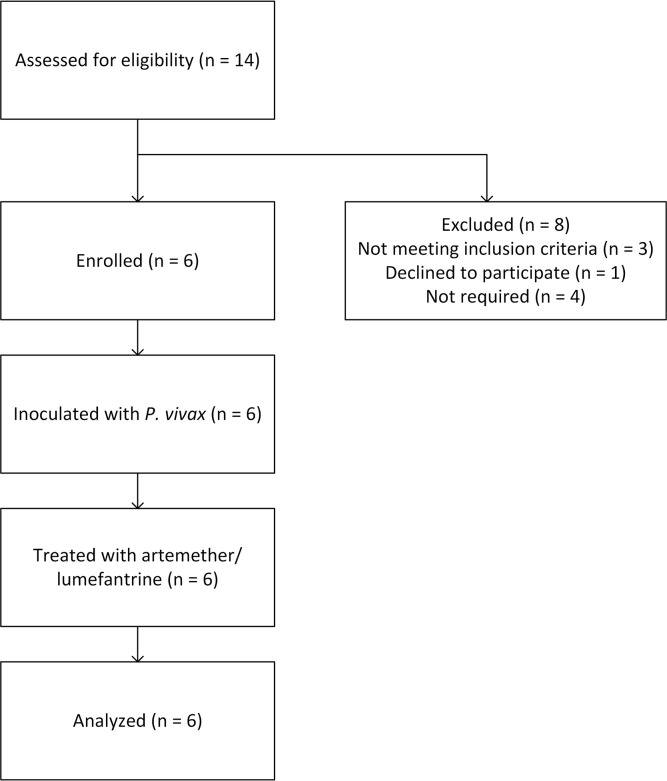
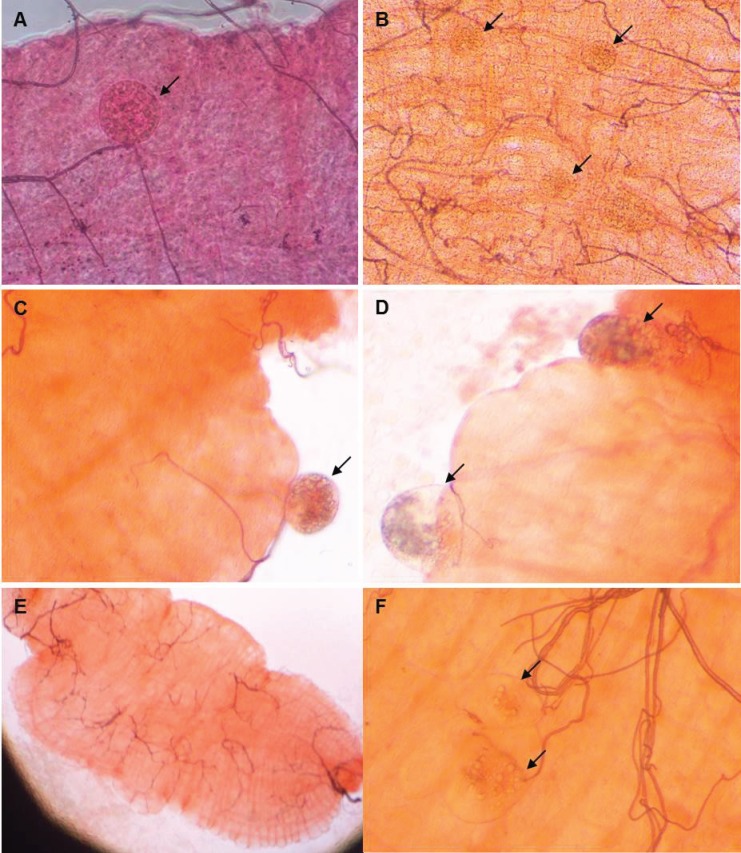
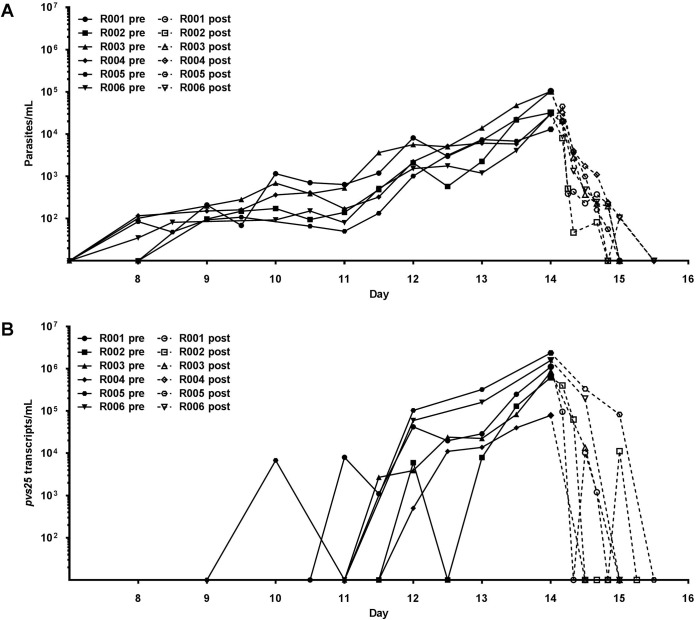
Six healthy subjects (three cohorts, n = 2 per cohort) were infected with P. vivax by inoculation with parasitized erythrocytes. Parasite growth was monitored by quantitative PCR, and gametocytemia by quantitative reverse transcriptase PCR (qRT-PCR) for the mRNA pvs25. Parasite multiplication rate (PMR) and size of inoculum were calculated by linear regression. Mosquito transmission studies were undertaken by direct and membrane feeding assays over 3 days prior to commencement of antimalarial treatment, and midguts of blood fed mosquitoes dissected and checked for presence of oocysts after 7-9 days.
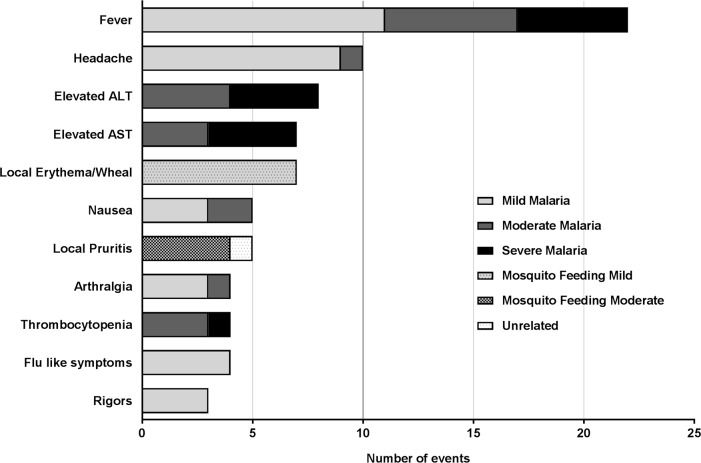
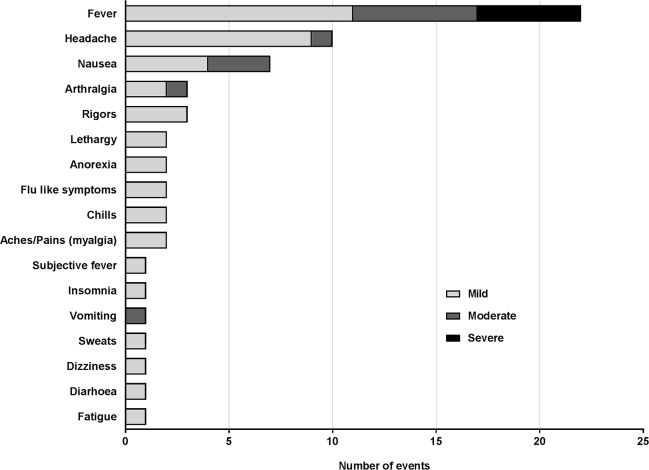
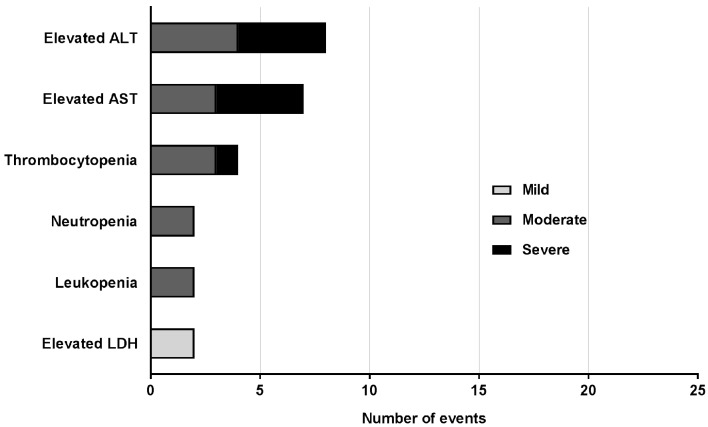
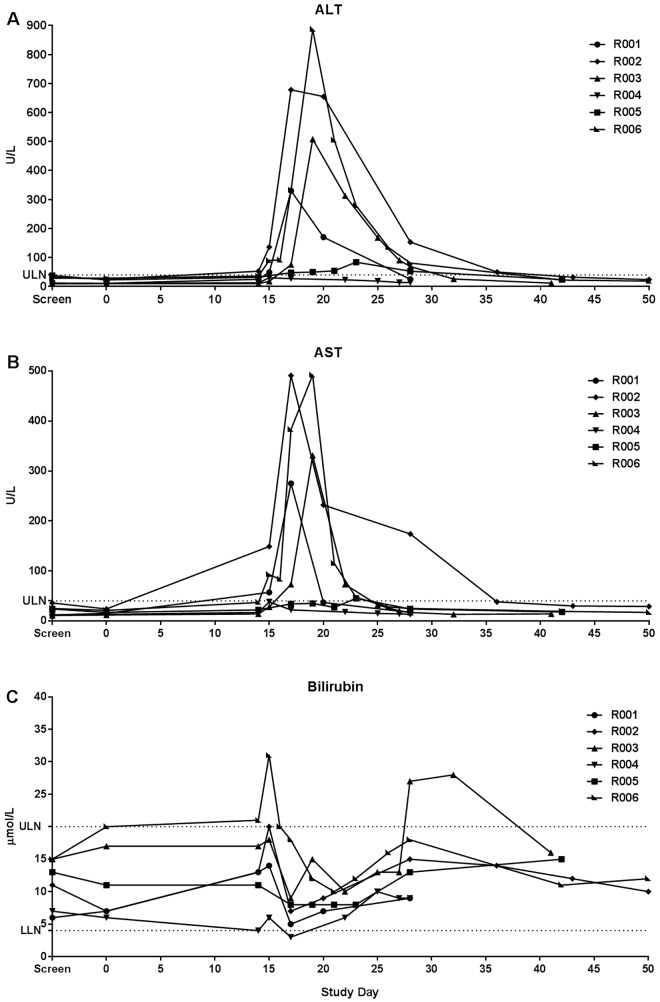
The clinical course and parasitemia were consistent across cohorts, with all subjects developing mild to moderate symptoms of malaria. No serious adverse events were reported. Asymptomatic elevated liver function tests were detected in four of six subjects; these resolved without treatment. Direct feeding of mosquitoes was well tolerated. The estimated PMR was 9.9 fold per cycle. Low prevalence of mosquito infection was observed (1.8%; n = 32/1801) from both direct (4.5%; n = 20/411) and membrane (0.9%; n = 12/1360) feeds.
The P. vivax IBSM model proved safe and reliable. The clinical course and PMR were reproducible when compared with the previous study using this model. The IBSM model presented in this report shows promise as a system to test transmission-blocking interventions. Further work is required to validate transmission and increase its prevalence.
Anzctr.org.au ACTRN12613001008718.
采取干预措施阻断疟疾从人类传播至蚊子是助力消除疟疾的一种有吸引力的方法。一个限制因素是缺乏在开展现场疗效试验之前测试此类干预措施疗效的系统。我们之前已证明了用间日疟原虫诱导血液阶段疟疾(IBSM)感染的可行性。在本研究中,我们报告了IBSM模型的进一步验证,以及对其评估间日疟原虫传播给斯氏按蚊的能力的评估。
通过接种感染疟原虫的红细胞,使6名健康受试者(三个队列,每个队列n = 2)感染间日疟原虫。通过定量PCR监测寄生虫生长,通过针对mRNA pvs25的定量逆转录酶PCR(qRT-PCR)监测配子体血症。通过线性回归计算寄生虫增殖率(PMR)和接种量大小。在开始抗疟治疗前3天,通过直接喂饲和膜饲试验进行蚊子传播研究,并在7 - 9天后解剖喂血蚊子的中肠,检查是否存在卵囊。
各队列的临床病程和寄生虫血症一致,所有受试者均出现轻度至中度疟疾症状。未报告严重不良事件。6名受试者中有4名检测到无症状的肝功能检查结果升高;这些在未治疗的情况下自行缓解。蚊子的直接喂饲耐受性良好。估计的PMR为每个周期9.9倍。从直接喂饲(4.5%;n = 20/411)和膜饲(0.9%;n = 12/1360)中观察到蚊子感染的低发生率(1.8%;n = 32/1801)。
间日疟原虫IBSM模型被证明是安全可靠的。与之前使用该模型的研究相比,临床病程和PMR具有可重复性。本报告中呈现的IBSM模型显示出作为测试传播阻断干预措施的系统的前景。需要进一步开展工作以验证传播并提高其发生率。
Anzctr.org.au ACTRN12613001008718。