Lordén Gema, Sanjuán-García Itziar, de Pablo Nagore, Meana Clara, Alvarez-Miguel Inés, Pérez-García M Teresa, Pelegrín Pablo, Balsinde Jesús, Balboa María A
Instituto de Biología y Genética Molecular, Consejo Superior de Investigaciones Científicas, Universidad de Valladolid, 47003 Valladolid, Spain.
Centro de Investigación Biomédica en Red de Diabetes y Enfermedades Metabólicas Asociadas, 28029 Madrid, Spain.
J Exp Med. 2017 Feb;214(2):511-528. doi: 10.1084/jem.20161452. Epub 2016 Dec 28.
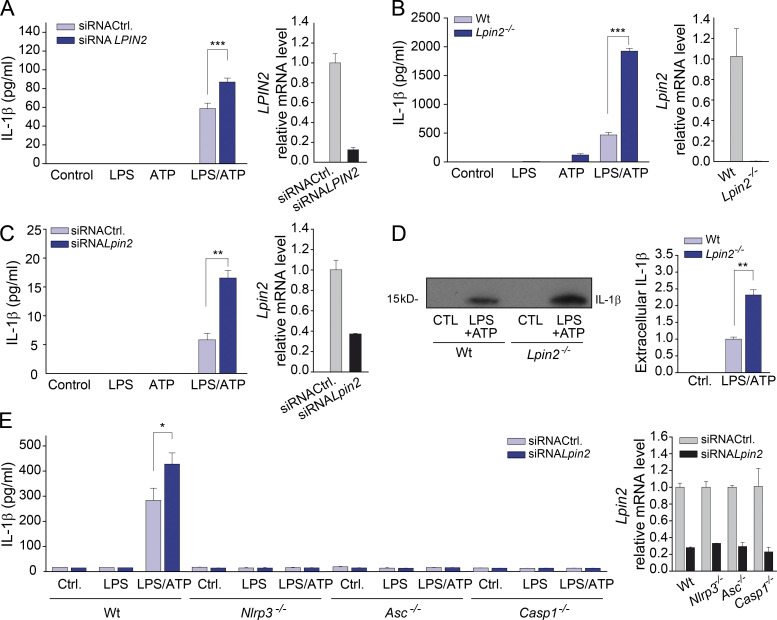
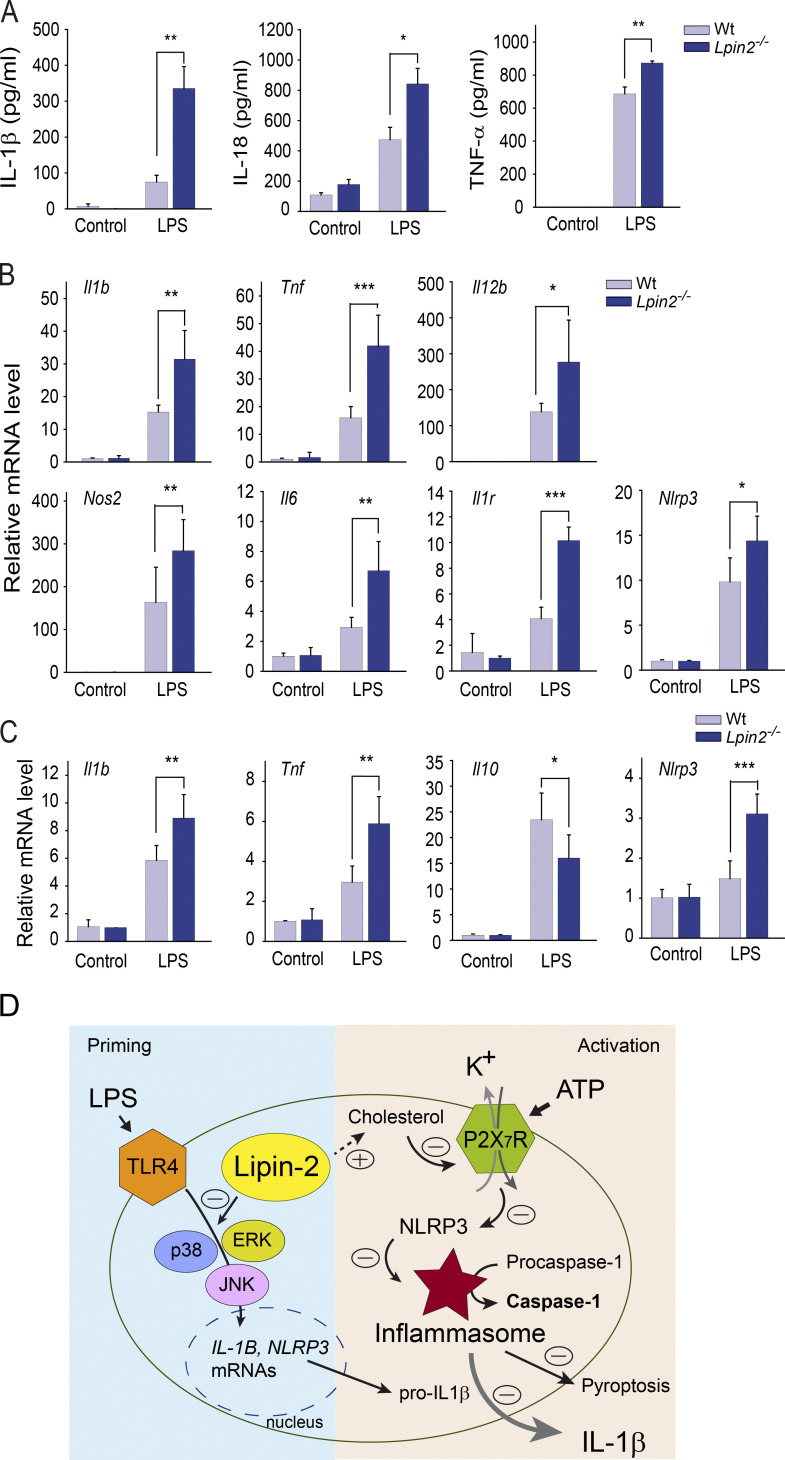
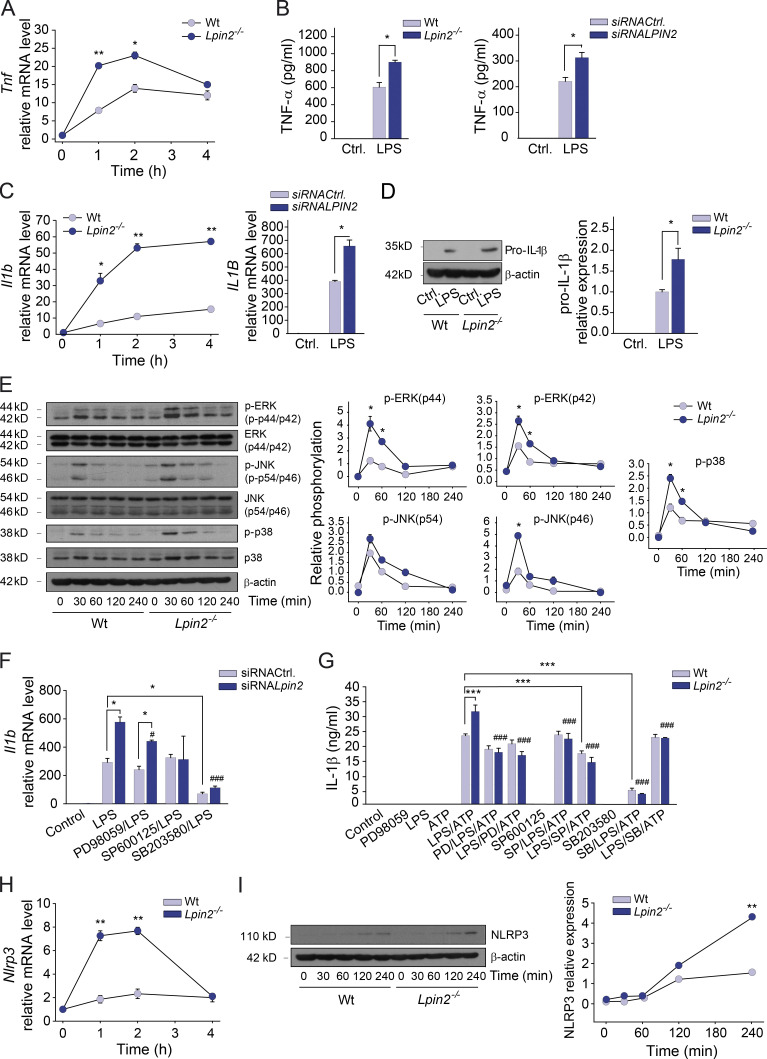
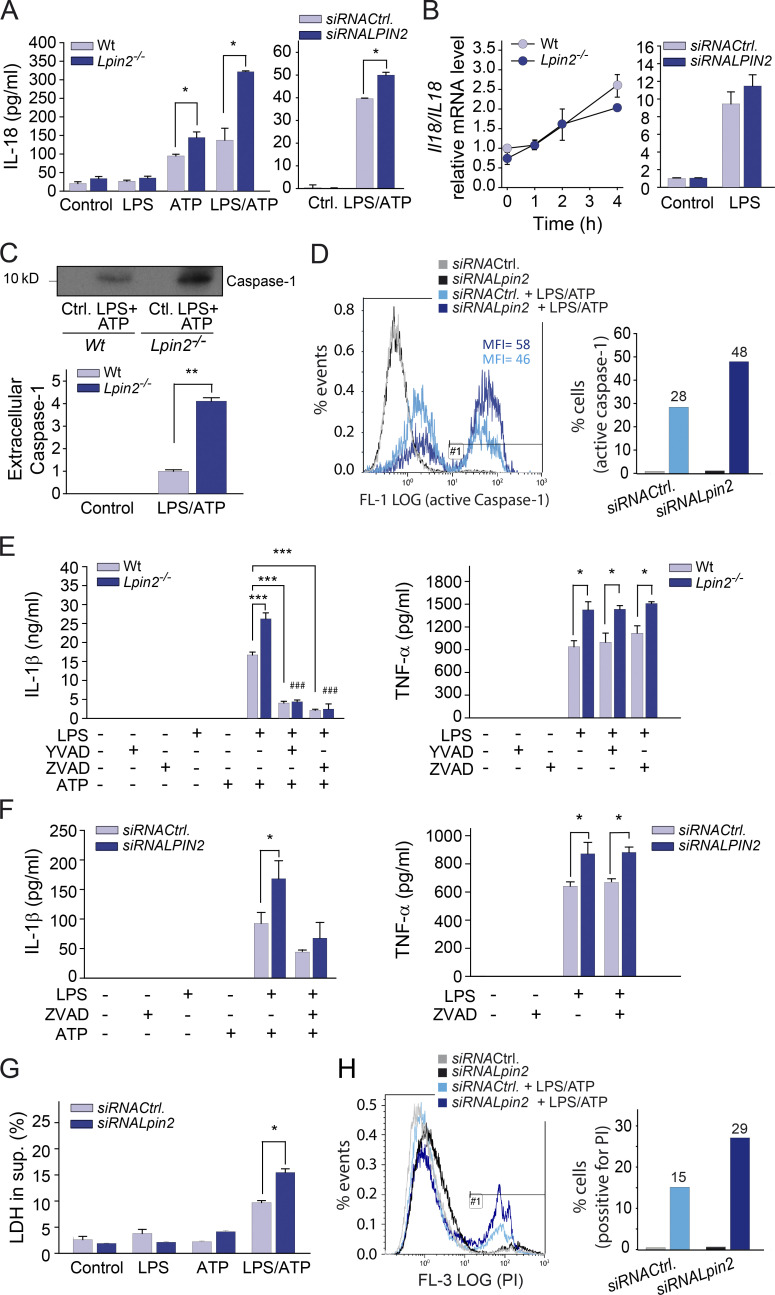
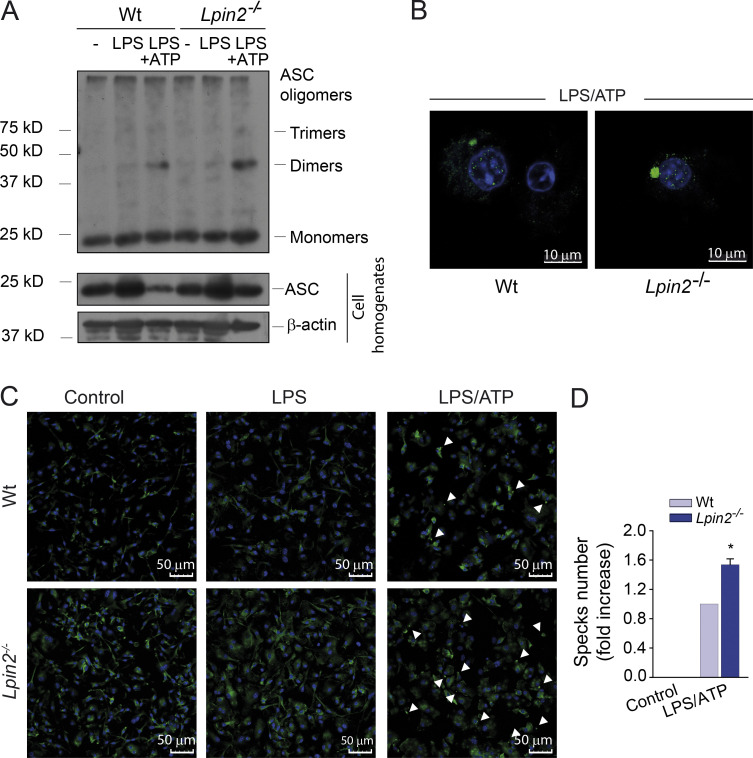
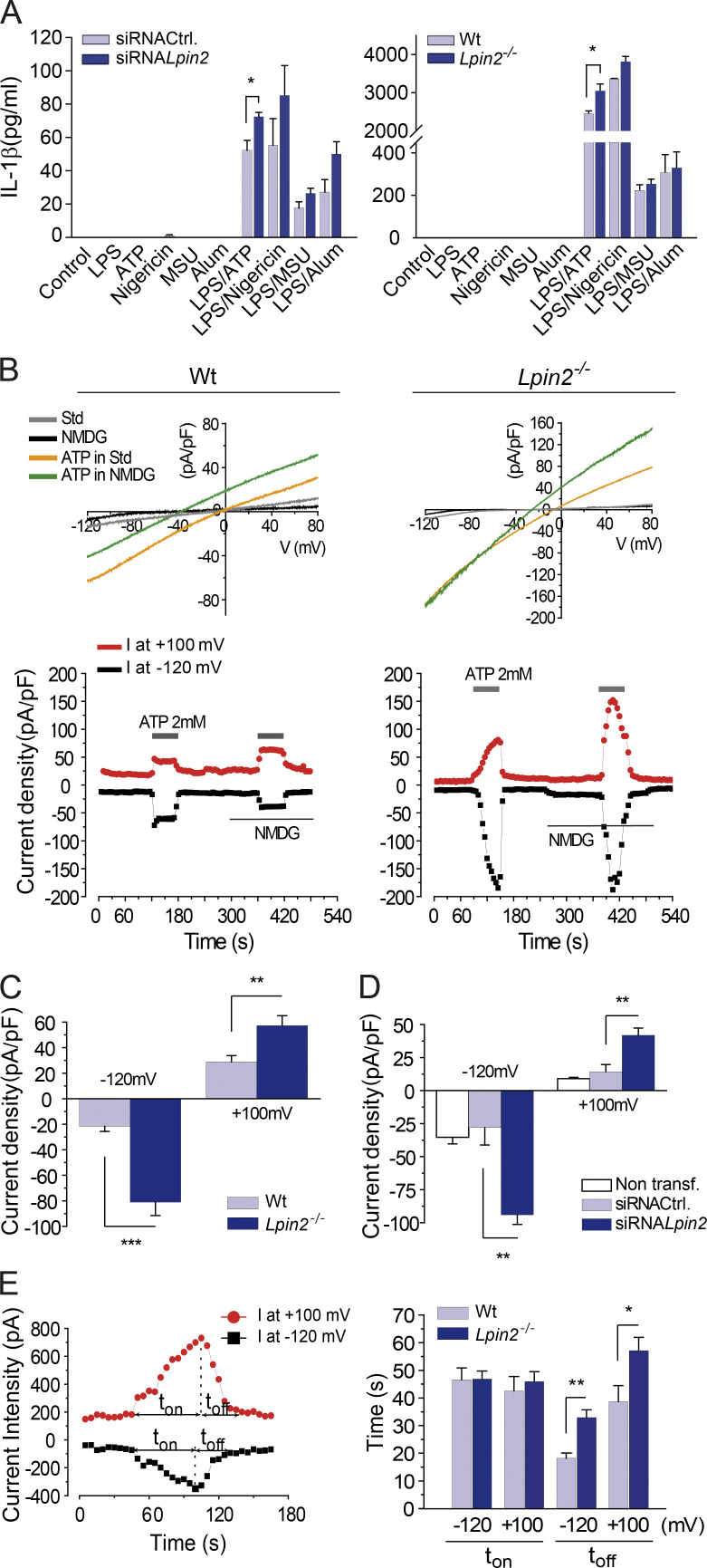
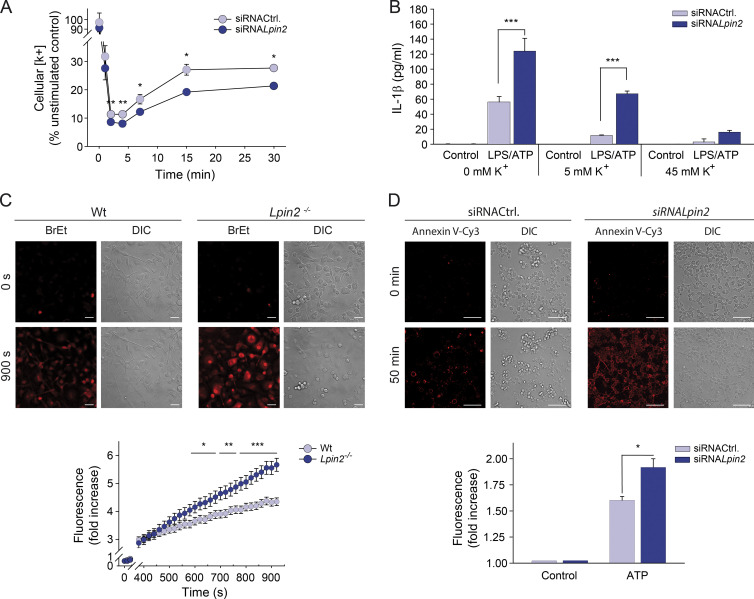
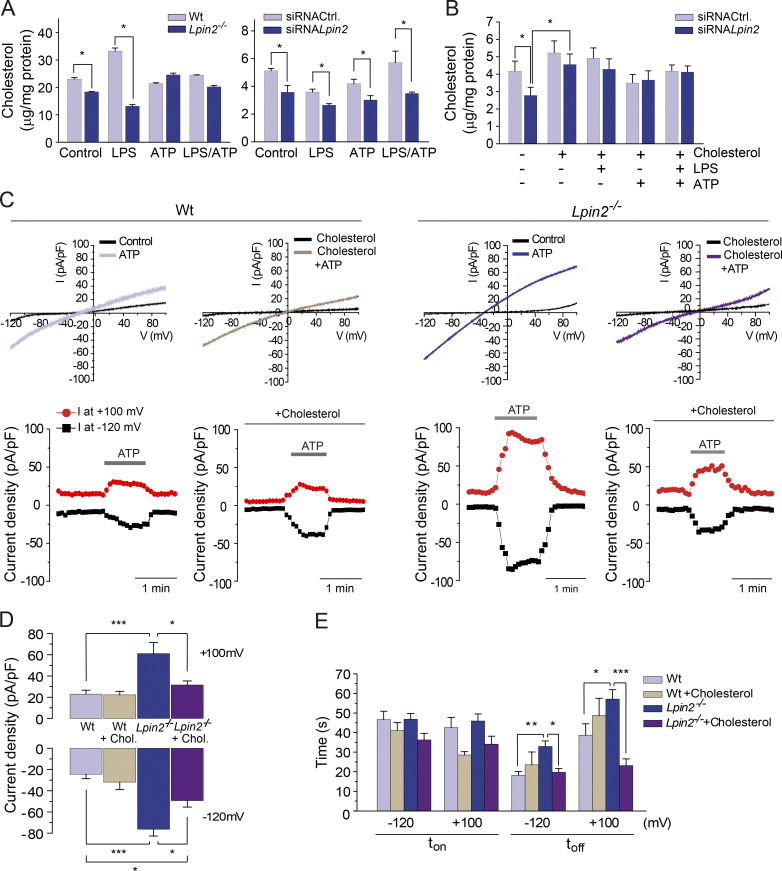
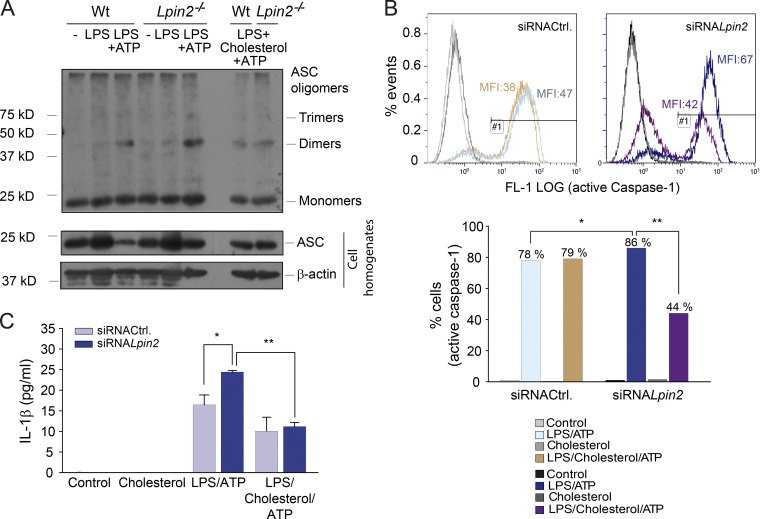
Mutations in human LPIN2 produce a disease known as Majeed syndrome, the clinical manifestations of which are ameliorated by strategies that block IL-1β or its receptor. However the role of lipin-2 during IL-1β production remains elusive. We show here that lipin-2 controls excessive IL-1β formation in primary human and mouse macrophages by several mechanisms, including activation of the inflammasome NLRP3. Lipin-2 regulates MAPK activation, which mediates synthesis of pro-IL-1β during inflammasome priming. Lipin-2 also inhibits the activation and sensitization of the purinergic receptor P2X7 and K efflux, apoptosis-associated speck-like protein with a CARD domain oligomerization, and caspase-1 processing, key events during inflammasome activation. Reduced levels of lipin-2 in macrophages lead to a decrease in cellular cholesterol levels. In fact, restoration of cholesterol concentrations in cells lacking lipin-2 decreases ion currents through the P2X7 receptor, and downstream events that drive IL-1β production. Furthermore, lipin-2-deficient mice exhibit increased sensitivity to high lipopolysaccharide doses. Collectively, our results unveil lipin-2 as a critical player in the negative regulation of NLRP3 inflammasome.
人类LPIN2基因的突变会引发一种名为马吉德综合征的疾病,阻断IL-1β或其受体的策略可改善该疾病的临床表现。然而,脂联素-2在IL-1β产生过程中的作用仍不清楚。我们在此表明,脂联素-2通过多种机制控制原代人巨噬细胞和小鼠巨噬细胞中过量的IL-1β形成,包括激活炎性小体NLRP3。脂联素-2调节MAPK激活,这在炎性小体启动过程中介导前体IL-1β的合成。脂联素-2还抑制嘌呤能受体P2X7的激活和致敏以及钾外流、含半胱天冬酶激活和招募结构域的凋亡相关斑点样蛋白寡聚化以及半胱天冬酶-1加工,这些都是炎性小体激活过程中的关键事件。巨噬细胞中脂联素-2水平降低导致细胞胆固醇水平下降。事实上,在缺乏脂联素-2的细胞中恢复胆固醇浓度会降低通过P2X7受体的离子电流以及驱动IL-1β产生的下游事件。此外,脂联素-2缺陷型小鼠对高剂量脂多糖表现出更高的敏感性。总的来说,我们的结果揭示了脂联素-2是NLRP3炎性小体负调控中的关键参与者。