Mucke Hermann Am
H. M. Pharma Consultancy, Enenkelstrasse 28/32, A-1160 Wien (Vienna), Austria.
Future Sci OA. 2015 Sep 3;1(4):FSO73. doi: 10.4155/fso.15.73. eCollection 2015 Nov.
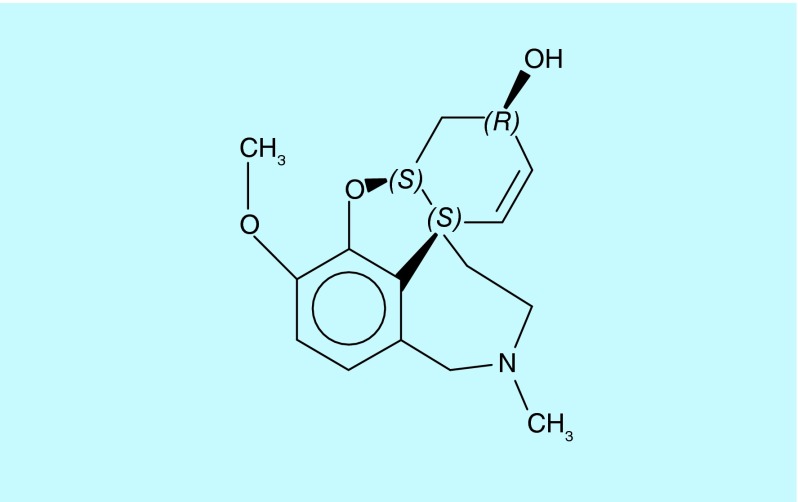
Galantamine is a reversible inhibitor of cholinesterases and an allosteric modulator of neuronal nicotinic acetylcholine receptors which restores reduced cholinergic tone in the central and peripheral nervous system. Characterized in the early 1950s in Bulgaria, it saw limited use for paralytic and neuropathic conditions until the cholinergic hypothesis of Alzheimer's disease opened totally new perspectives for its utility. Although constricted supplies at extremely high prices and a fragmented patent situation made its repurposing challenging, galantamine was globally launched as an Alzheimer's disease drug in 2000. Many other possible uses have been clinically investigated, and might yet develop into another drug career. This case study is presented as an example for classical on-target drug repurposing and the challenges that such a project can face.
加兰他敏是一种胆碱酯酶可逆抑制剂,也是神经元烟碱型乙酰胆碱受体的变构调节剂,可恢复中枢和外周神经系统中降低的胆碱能张力。它于20世纪50年代初在保加利亚被发现,直到阿尔茨海默病的胆碱能假说为其应用开辟了全新的前景之前,它在治疗麻痹和神经病变方面的应用有限。尽管供应紧张、价格极高以及专利情况分散使其重新用途面临挑战,但加兰他敏于2000年作为治疗阿尔茨海默病的药物在全球推出。许多其他可能的用途已在临床上进行了研究,并且可能会发展成为另一个药物领域。本案例研究作为经典的靶向药物重新用途及此类项目可能面临的挑战的一个例子呈现。