Xiangyun Ye, Xiaomin Niu, Linping Gu, Yunhua Xu, Ziming Li, Yongfeng Yu, Zhiwei Chen, Shun Lu
Department of Oncology, Shanghai Chest Hospital, Shanghai Jiaotong University, Shanghai 200030, China.
Oncotarget. 2017 Jan 24;8(4):6984-6993. doi: 10.18632/oncotarget.14346.
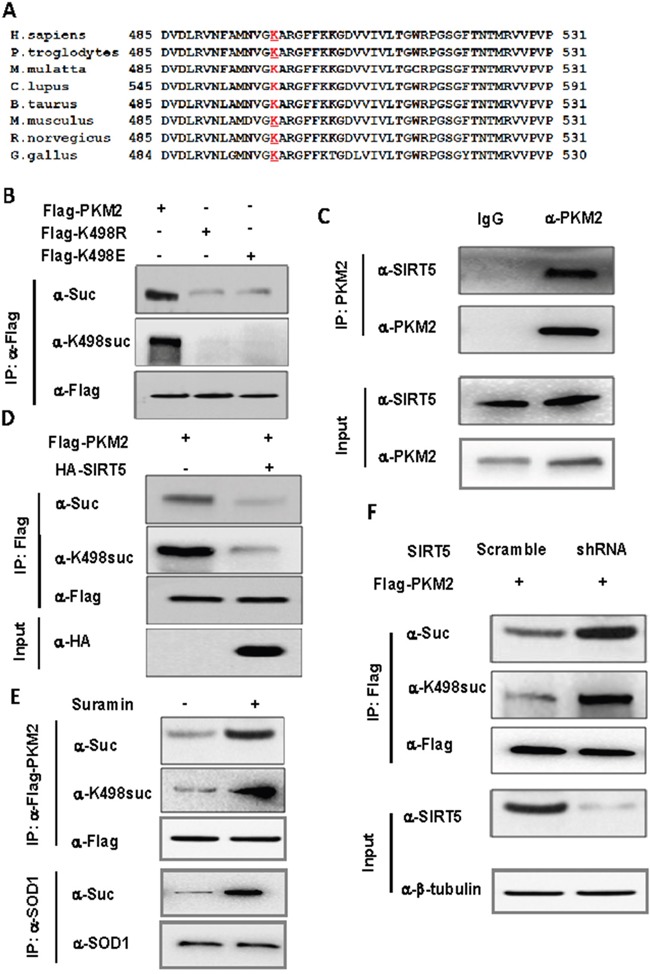
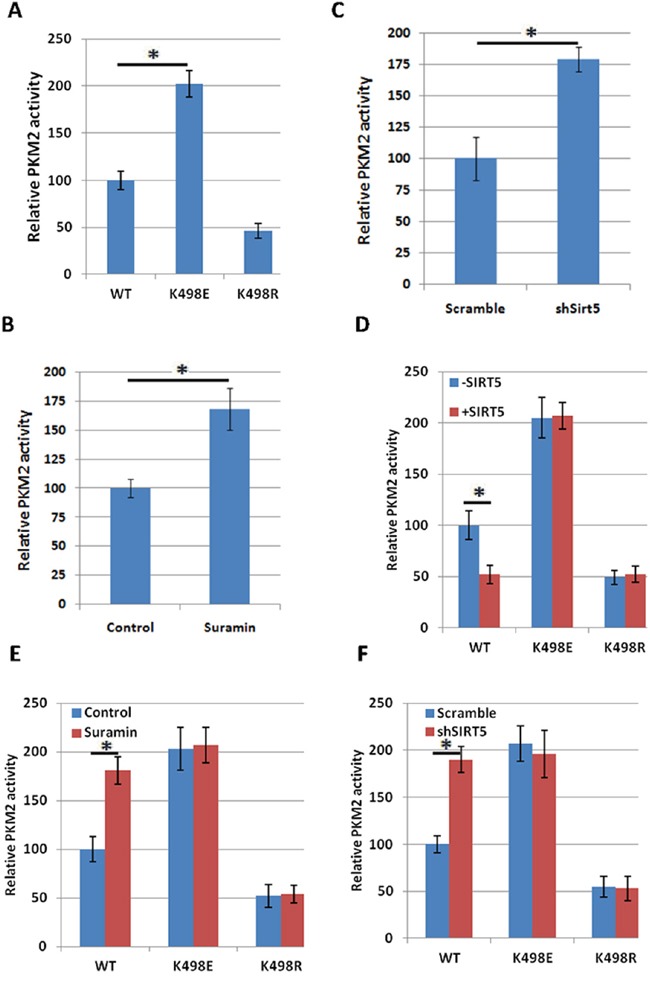
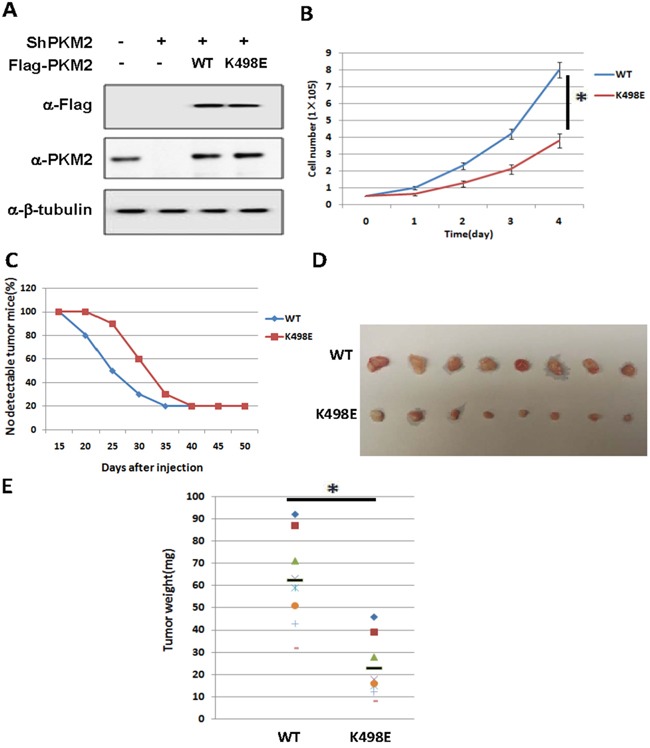
Tumor cells trends to express high level of pyruvate kinase M2 (PKM2). The inhibition of PKM2 activity is needed for antioxidant response by diverting glucose flux into the pentose phosphate pathway and thus generating sufficient reducing potential. Here we report that PKM2 is succinylated at lysine 498 (K498) and succinylation increases its activity. SIRT5 binds to, desuccinylates and inhibits PKM2 activity. Increased level of reactive oxygen species (ROS) decreases both the succinylation and activity of PKM2 by increasing its binding to SIRT5. Substitution of endogenous PKM2 with a succinylation mimetic mutant K498E decreases cellular NADPH production and inhibits cell proliferation and tumor growth. Moreover, inhibition of SIRT5 suppresses tumor cell proliferation through desuccinylation of PKM2 K498. These results reveal a new mechanism of PKM2 modification, a new function of SIRT5 in response to oxidative stress which stimulates cell proliferation and tumor growth, and also a potential target for clinical cancer research.
肿瘤细胞倾向于高水平表达丙酮酸激酶M2(PKM2)。通过将葡萄糖通量转移到磷酸戊糖途径从而产生足够的还原电位,抑制PKM2活性对于抗氧化反应是必要的。在此我们报告,PKM2在赖氨酸498(K498)位点发生琥珀酰化,且琥珀酰化增加其活性。SIRT5与PKM2结合,使其去琥珀酰化并抑制PKM2活性。活性氧(ROS)水平升高通过增加PKM2与SIRT5的结合,降低PKM2的琥珀酰化水平及其活性。用模拟琥珀酰化的突变体K498E替代内源性PKM2会减少细胞内烟酰胺腺嘌呤二核苷酸磷酸(NADPH)的产生,并抑制细胞增殖和肿瘤生长。此外,抑制SIRT5可通过使PKM2 K498去琥珀酰化来抑制肿瘤细胞增殖。这些结果揭示了PKM2修饰的新机制、SIRT5在响应氧化应激时刺激细胞增殖和肿瘤生长的新功能,以及临床癌症研究的潜在靶点。