Vicente-Rodríguez Marta, Fernández-Calle Rosalía, Gramage Esther, Pérez-García Carmen, Ramos María P, Herradón Gonzalo
Pharmacology Lab, Department of Pharmaceutical and Health Sciences, Facultad de Farmacia, Universidad CEU San Pablo, Madrid, Spain.
Biochemistry and Molecular Biology Lab, Department of Chemistry and Biochemistry, Facultad de Farmacia, Universidad CEU San Pablo, Madrid, Spain.
Mediators Inflamm. 2016;2016:9894504. doi: 10.1155/2016/9894504. Epub 2016 Dec 4.
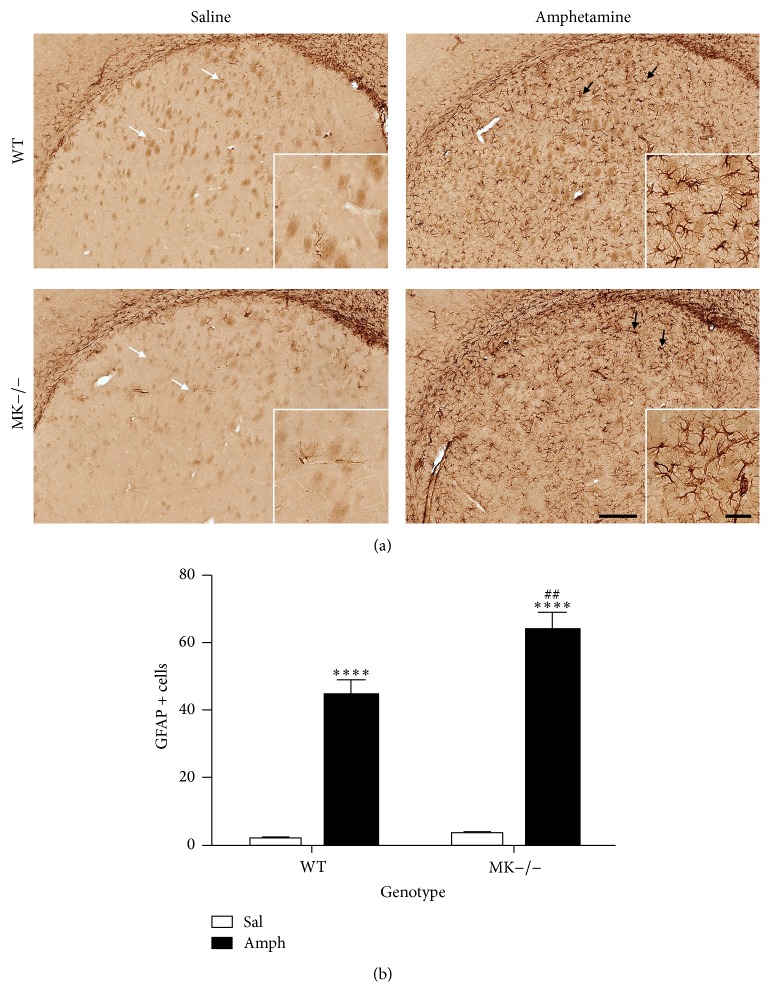
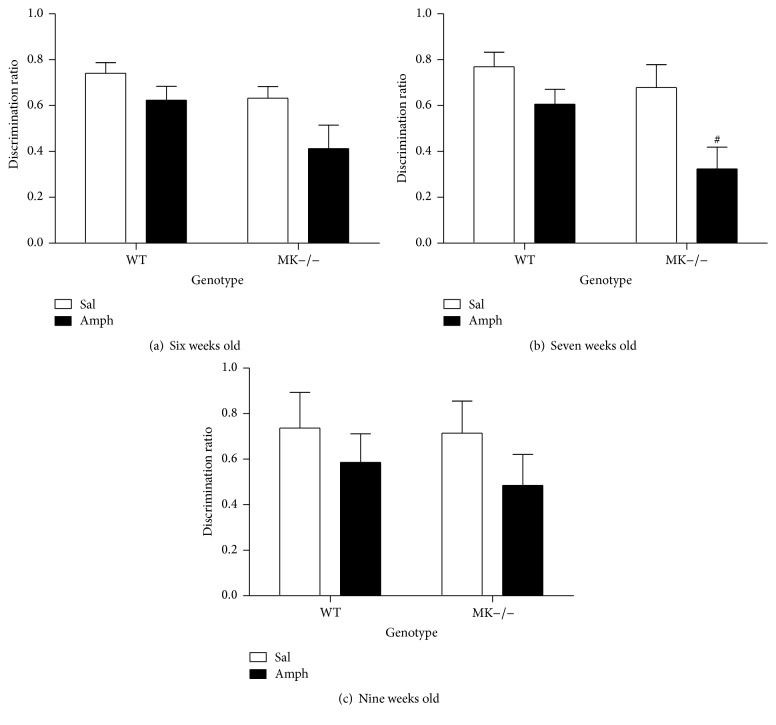
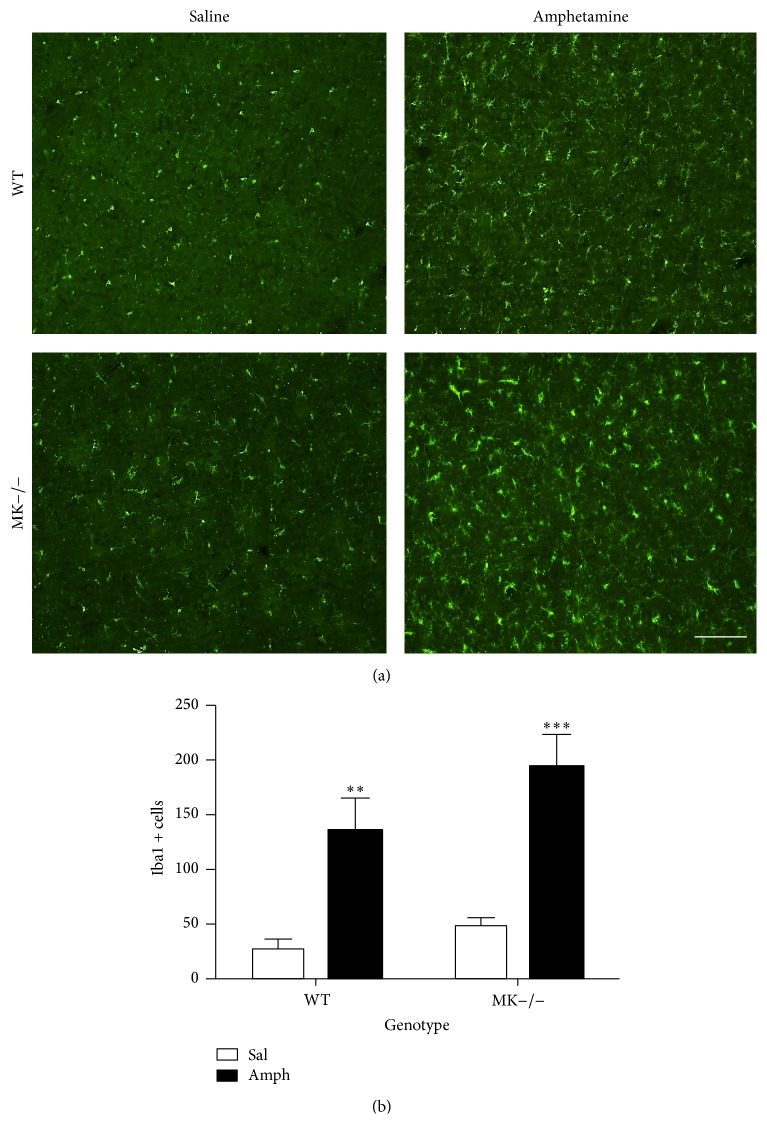
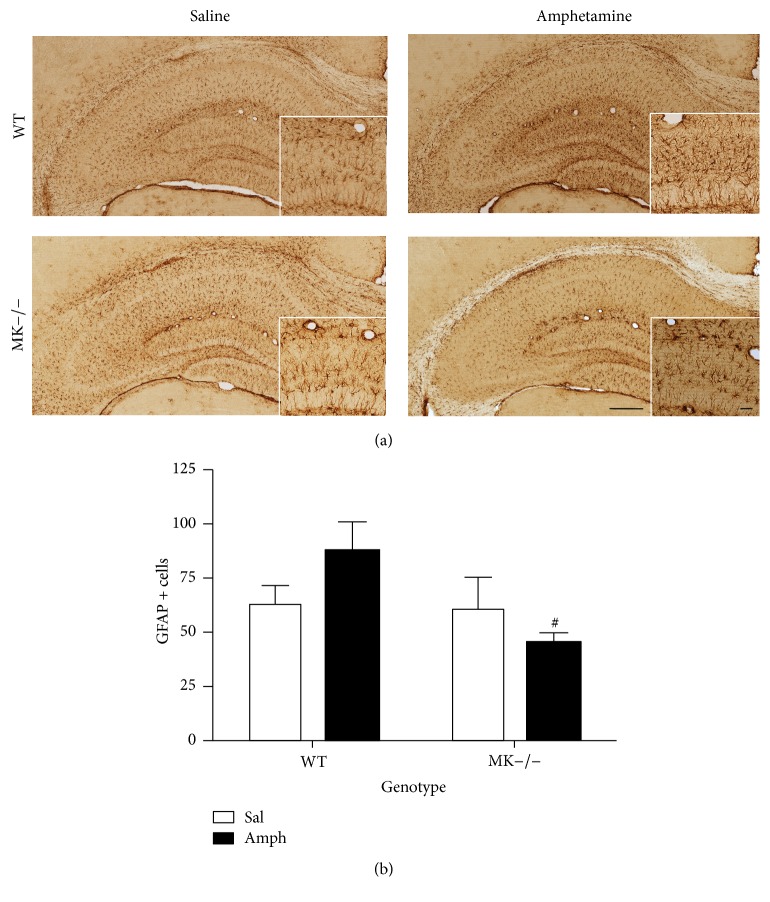
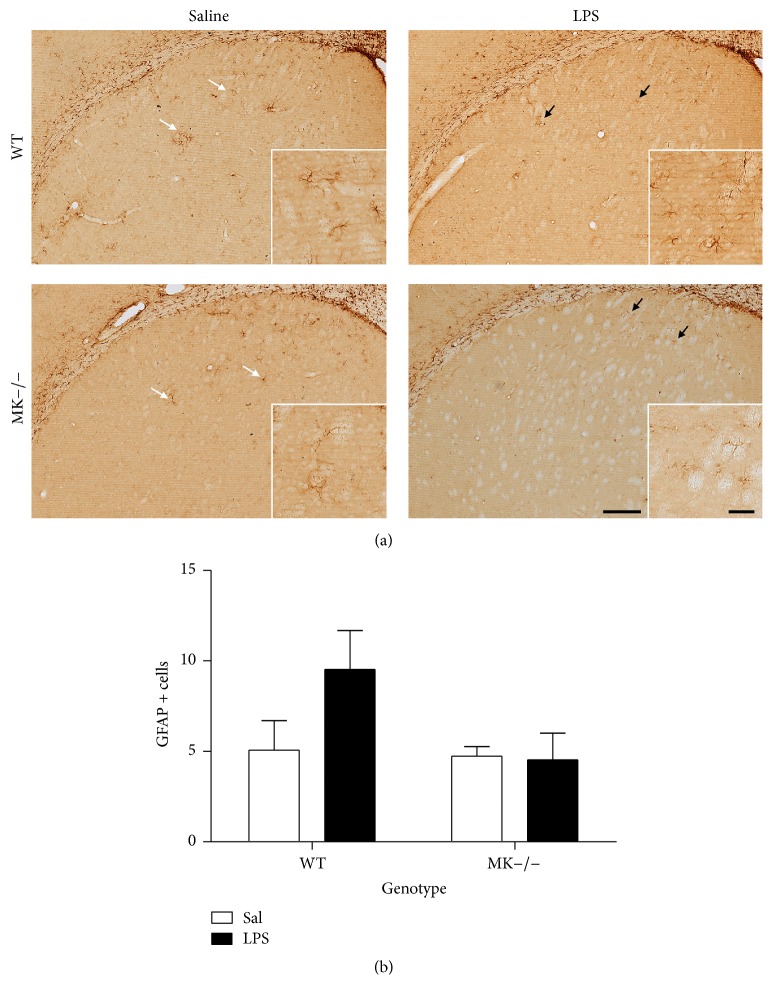
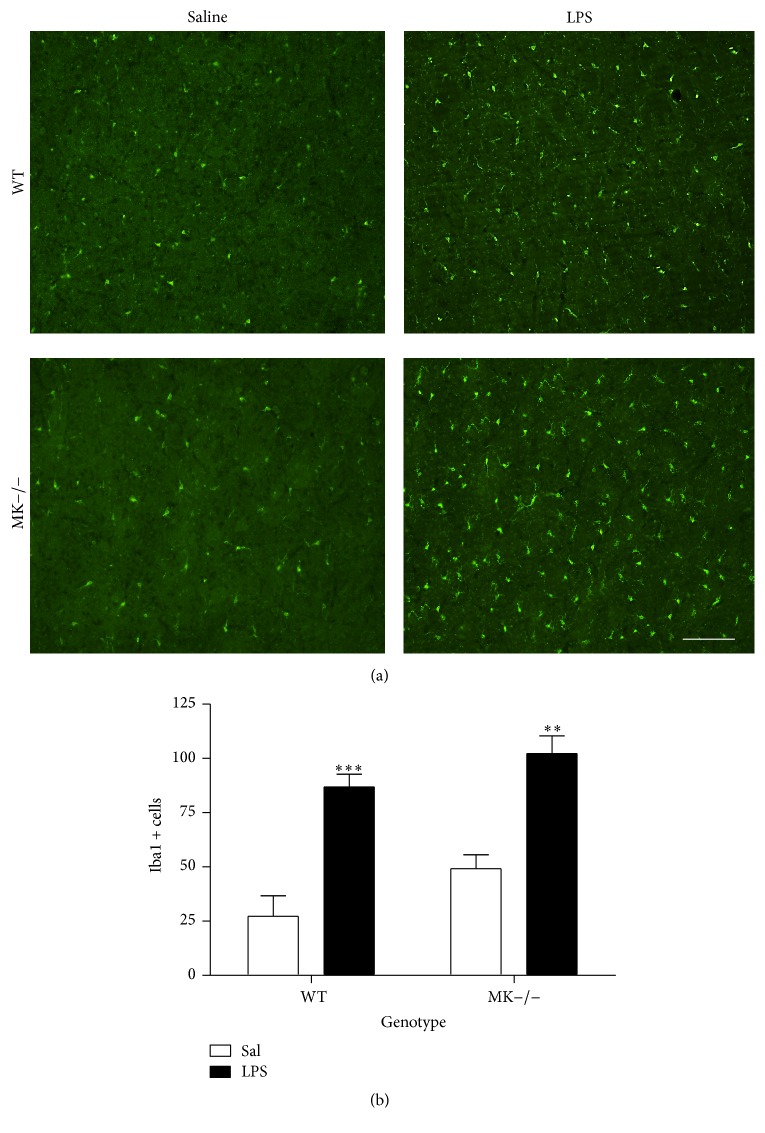
Midkine (MK) is a cytokine that modulates amphetamine-induced striatal astrogliosis, suggesting a possible role of MK in neuroinflammation induced by amphetamine. To test this hypothesis, we studied astrogliosis and microglial response induced by amphetamine (10 mg/kg i.p. four times, every 2 h) in different brain areas of MK-/- mice and wild type (WT) mice. We found that amphetamine-induced microgliosis and astrocytosis are enhanced in the striatum of MK-/- mice in a region-specific manner. Surprisingly, LPS-induced astrogliosis in the striatum was blocked in MK-/- mice. Since striatal neuroinflammation induced by amphetamine-type stimulants correlates with the cognitive deficits induced by these drugs, we also tested the long-term effects of periadolescent amphetamine treatment (3 mg/kg i.p. daily for 10 days) in a memory task in MK-/- and WT mice. Significant deficits in the Y-maze test were only observed in amphetamine-pretreated MK-/- mice. The data demonstrate for the first time that MK is a novel modulator of neuroinflammation depending on the inflammatory stimulus and the brain area considered. The data indicate that MK limits amphetamine-induced striatal neuroinflammation. In addition, our data demonstrate that periadolescent amphetamine treatment in mice results in transient disruption of learning and memory processes in absence of endogenous MK.
中期因子(MK)是一种细胞因子,可调节苯丙胺诱导的纹状体星形胶质细胞增生,提示MK在苯丙胺诱导的神经炎症中可能发挥作用。为了验证这一假设,我们研究了苯丙胺(10mg/kg腹腔注射,每2小时一次,共4次)在MK基因敲除小鼠和野生型(WT)小鼠不同脑区诱导的星形胶质细胞增生和小胶质细胞反应。我们发现,苯丙胺诱导的小胶质细胞增生和星形细胞增生在MK基因敲除小鼠的纹状体中以区域特异性方式增强。令人惊讶的是,MK基因敲除小鼠纹状体中脂多糖诱导的星形胶质细胞增生被阻断。由于苯丙胺类兴奋剂诱导的纹状体神经炎症与这些药物诱导的认知缺陷相关,我们还测试了青春期前苯丙胺治疗(3mg/kg腹腔注射,每日一次,共10天)对MK基因敲除小鼠和WT小鼠记忆任务的长期影响。仅在苯丙胺预处理的MK基因敲除小鼠中观察到Y迷宫试验中的显著缺陷。这些数据首次证明,MK是一种新型的神经炎症调节剂,其作用取决于炎症刺激和所考虑的脑区。数据表明,MK可限制苯丙胺诱导的纹状体神经炎症。此外,我们的数据表明,青春期前对小鼠进行苯丙胺治疗会导致在缺乏内源性MK的情况下学习和记忆过程的短暂中断。