Esau Luke, Sagar Sunil, Bangarusamy Dhinoth, Kaur Mandeep
King Abdullah University of Science and Technology (KAUST), Computational Bioscience Research Center, Thuwal, Kingdom of Saudi Arabia.
King Abdullah University of Science and Technology (KAUST), Bioscience Core Lab, Thuwal, Kingdom of Saudi Arabia.
Genes Cancer. 2016 Sep;7(9-10):309-322. doi: 10.18632/genesandcancer.122.
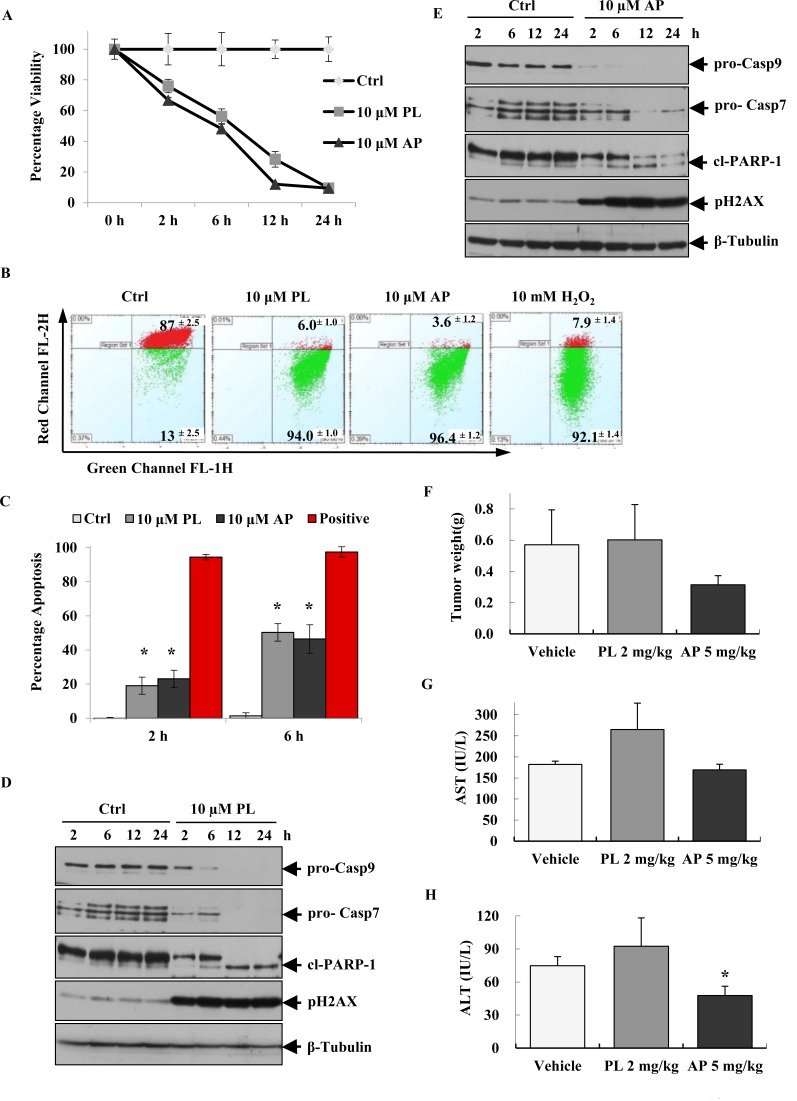
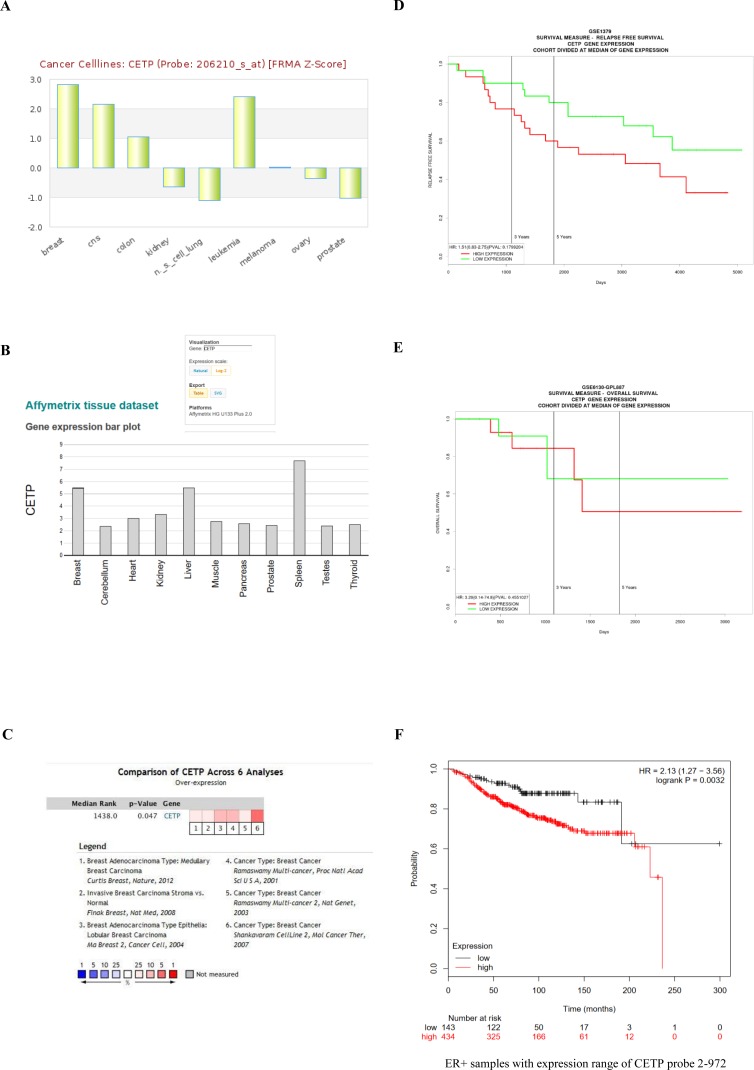
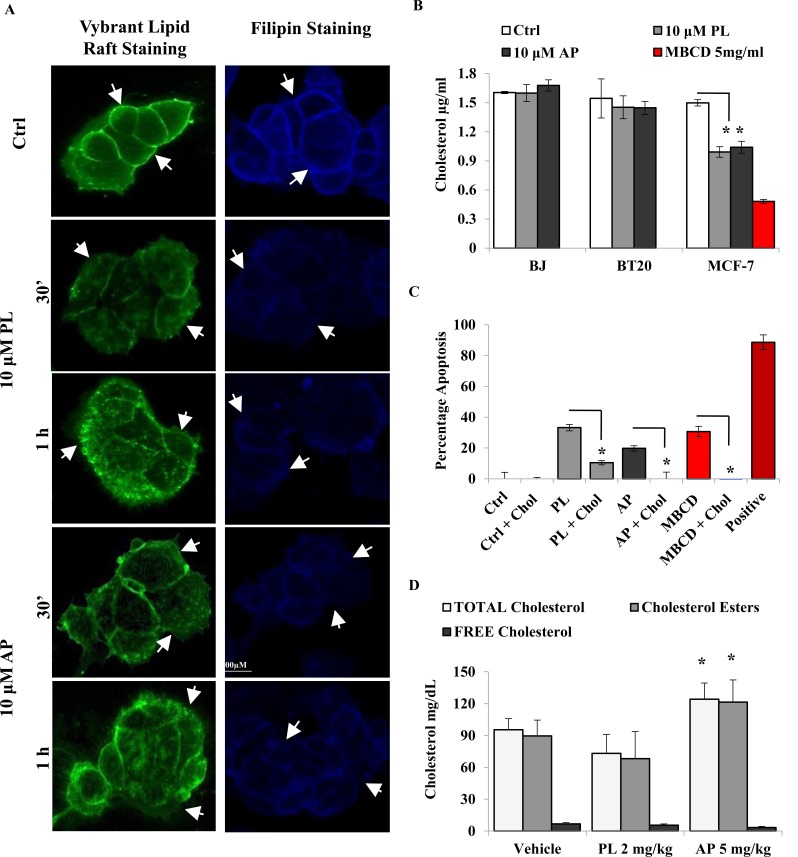
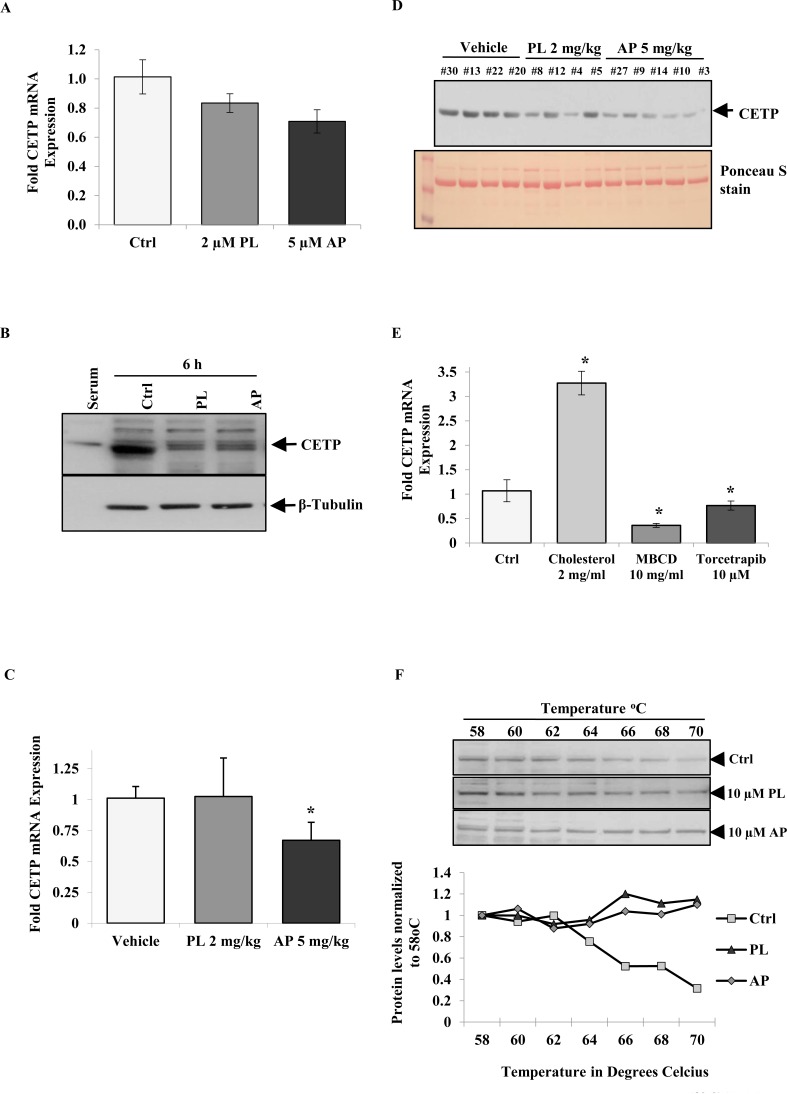
Cholesterol and its metabolites act as steroid hormone precursors, which promote estrogen receptor positive (ER+) breast cancer (BC) progression. Development of cholesterol targeting anticancer drugs has been hindered due to the lack of knowledge of viable molecular targets. Till now, Cholesteryl ester transfer protein (CETP) has been envisaged as a feasible molecular target in atherosclerosis, but for the first time, we show that contributes to BC cell survival when challenged with cholesterol depleting agents. We show that MCF-7 knockout BC cells pose less resistance towards cytotoxic compounds (Tamoxifen and Acetyl Plumbagin (AP)), and were more susceptible to intrinsic apoptosis. Analysis of differentially expressed genes using Ingenuity Pathway Analysis (IPA), tumor inhibition, and phenotypic responses to AP revealed a unique -centric cholesterol pathway involved in sensitizing ER+ BC cells to intrinsic mitochondrial apoptosis. Furthermore, analysis of cell line, tissue and patient data available in publicly available databases linked elevated expression to cancer, cancer relapse and overall poor survival. Overall, our findings highlight as a pharmacologically relevant and unexploited cellular target in BC. The work also highlights AP as a promising chemical entity for preclinical investigations as a cholesterol depleting anticancer therapeutic agent.
胆固醇及其代谢产物作为类固醇激素前体,可促进雌激素受体阳性(ER+)乳腺癌(BC)的进展。由于缺乏可行分子靶点的相关知识,靶向胆固醇的抗癌药物研发受到阻碍。到目前为止,胆固醇酯转运蛋白(CETP)被认为是动脉粥样硬化中一个可行的分子靶点,但我们首次表明,当受到胆固醇消耗剂挑战时,CETP有助于BC细胞存活。我们发现MCF-7基因敲除的BC细胞对细胞毒性化合物(他莫昔芬和乙酰白花丹醌(AP))的抗性较小,并且更容易发生内源性凋亡。使用 Ingenuity Pathway Analysis(IPA)分析差异表达基因、肿瘤抑制以及对AP的表型反应,揭示了一条独特的以CETP为中心的胆固醇途径,该途径参与使ER+ BC细胞对内源性线粒体凋亡敏感。此外,对公开数据库中可用的细胞系、组织和患者数据的分析将CETP表达升高与癌症、癌症复发和总体较差的生存率联系起来。总体而言,我们的研究结果突出了CETP作为BC中一种具有药理学相关性且未被开发的细胞靶点。这项工作还突出了AP作为一种有前途的化学实体,可作为一种胆固醇消耗抗癌治疗剂进行临床前研究。