Han Yuemei, Xu Xu, Tang Junmei, Shen Chenghui, Lin Quankui, Chen Hao
School of Ophthalmology & Optometry, Eye Hospital, Wenzhou Medical University.
Wenzhou Institute of Biomaterials and Engineering, Chinese Academy of Sciences, Wenzhou, People's Republic of China.
Int J Nanomedicine. 2016 Dec 20;12:127-135. doi: 10.2147/IJN.S107491. eCollection 2017.
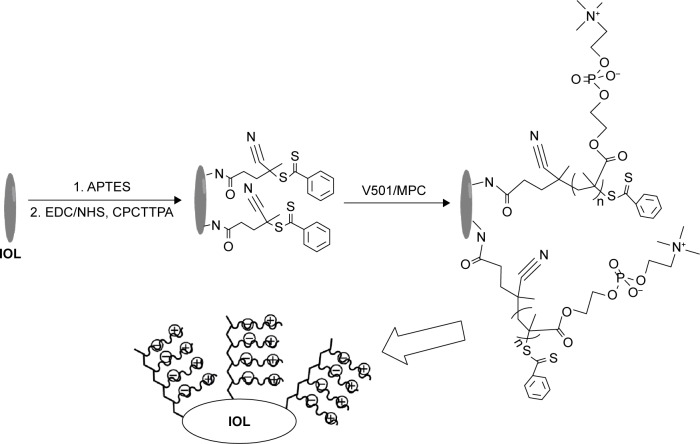
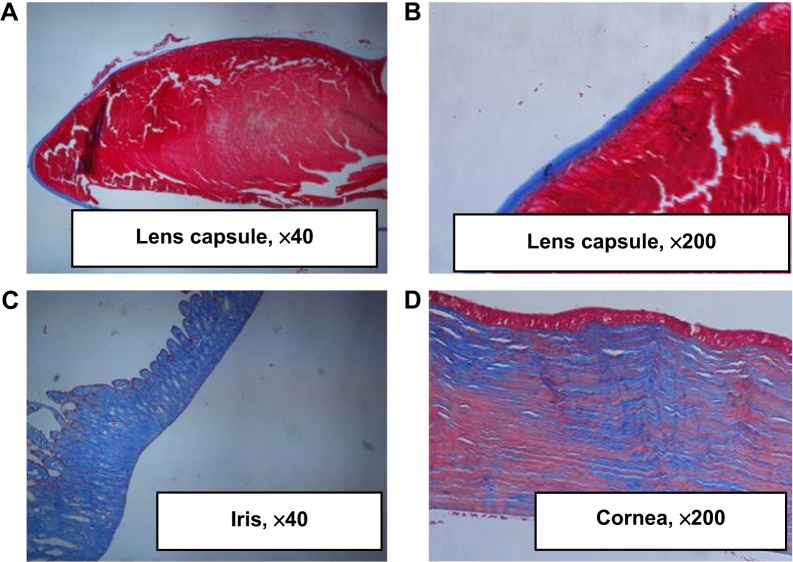
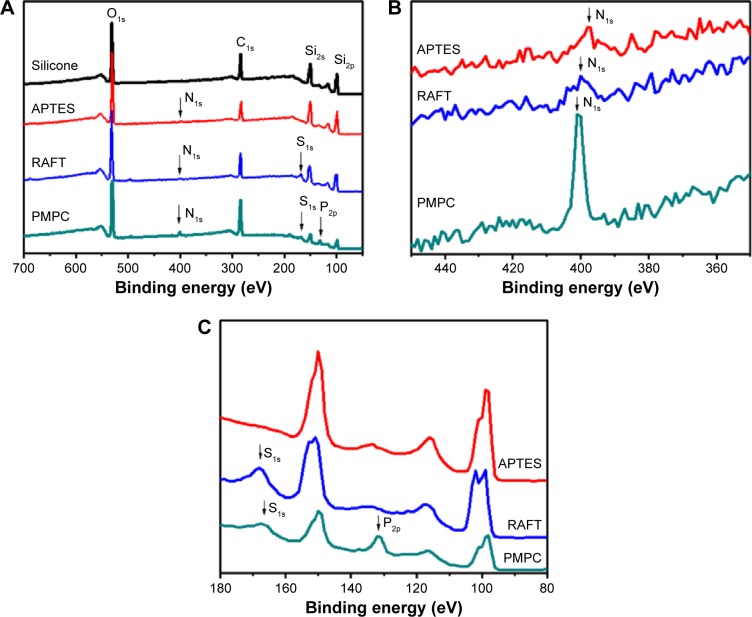
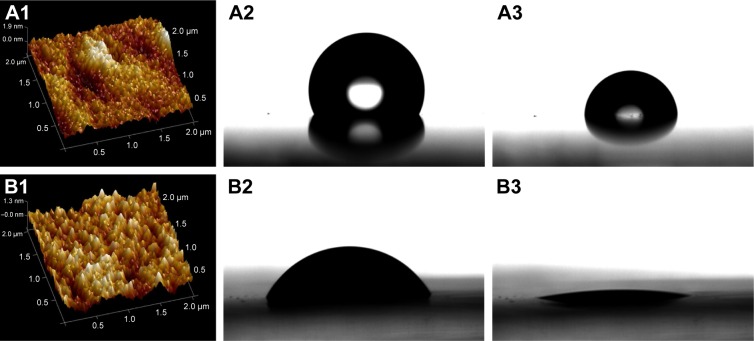
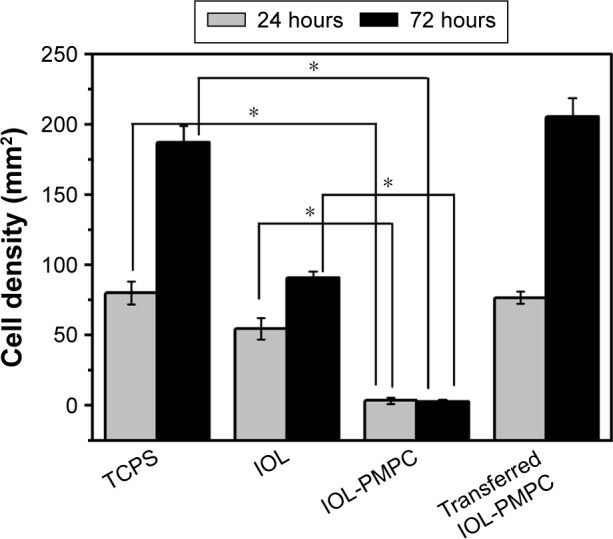
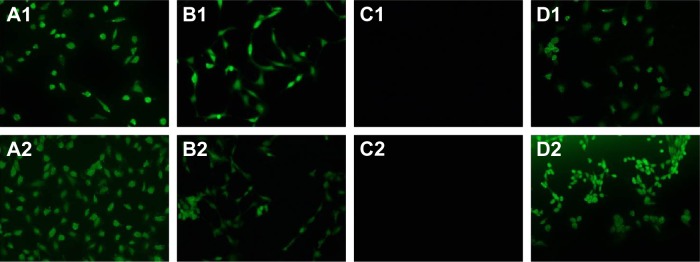
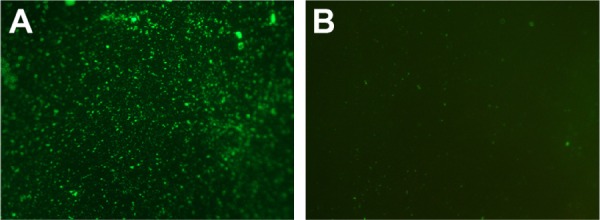
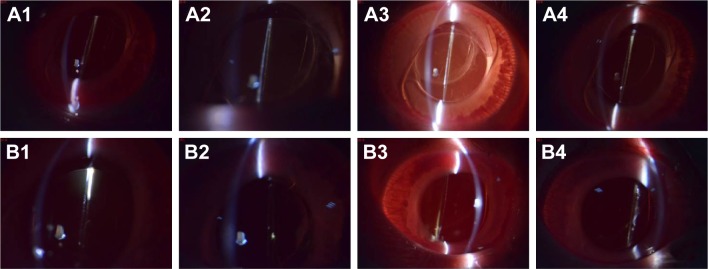
Intraocular lens (IOL) is an efficient implantable device commonly used for treating cataracts. However, bioadhesion of bacteria or residual lens epithelial cells on the IOL surface after surgery causes postoperative complications, such as endophthalmitis or posterior capsular opacification, and leads to loss of sight again. In the present study, zwitterionic polymer brushes were fabricated on the IOL surface via bottom-up grafting procedure. The attenuated total reflection-Fourier transform infrared and contact angle measurements indicated successful surface modification, as well as excellent hydrophilicity. The coating of hydrophilic zwitterionic polymer effectively decreased the bioadhesion of lens epithelial cells or bacteria. In vivo intraocular implantation results showed good in vivo biocompatibility of zwitterionic IOL and its effectiveness against postoperative complications.
人工晶状体(IOL)是一种常用于治疗白内障的高效可植入装置。然而,手术后细菌或残留晶状体上皮细胞在IOL表面的生物粘附会导致术后并发症,如眼内炎或后囊膜混浊,并导致再次失明。在本研究中,通过自下而上的接枝程序在IOL表面制备了两性离子聚合物刷。衰减全反射傅里叶变换红外光谱和接触角测量表明表面改性成功,并且具有优异的亲水性。亲水性两性离子聚合物涂层有效地降低了晶状体上皮细胞或细菌的生物粘附。体内眼内植入结果表明两性离子IOL具有良好的体内生物相容性及其对术后并发症的有效性。