Nguyen Minh N, Nishimaru Hiroshi, Matsumoto Jumpei, Van Le Quan, Hori Etsuro, Maior Rafael S, Tomaz Carlos, Ono Taketoshi, Nishijo Hisao
System Emotional Science, Graduate School of Medicine and Pharmaceutical Sciences, University of Toyama Toyama, Japan.
Primate Center and Laboratory of Neurosciences and Behavior, Department of Physiological Sciences, Institute of Biology, University of BrasíliaBrasilia, Brazil; Psychiatry Section, Department of Clinical Neuroscience, Karolinska Institute, Karolinska HospitalStockholm, Sweden.
Front Neurosci. 2016 Dec 21;10:583. doi: 10.3389/fnins.2016.00583. eCollection 2016.
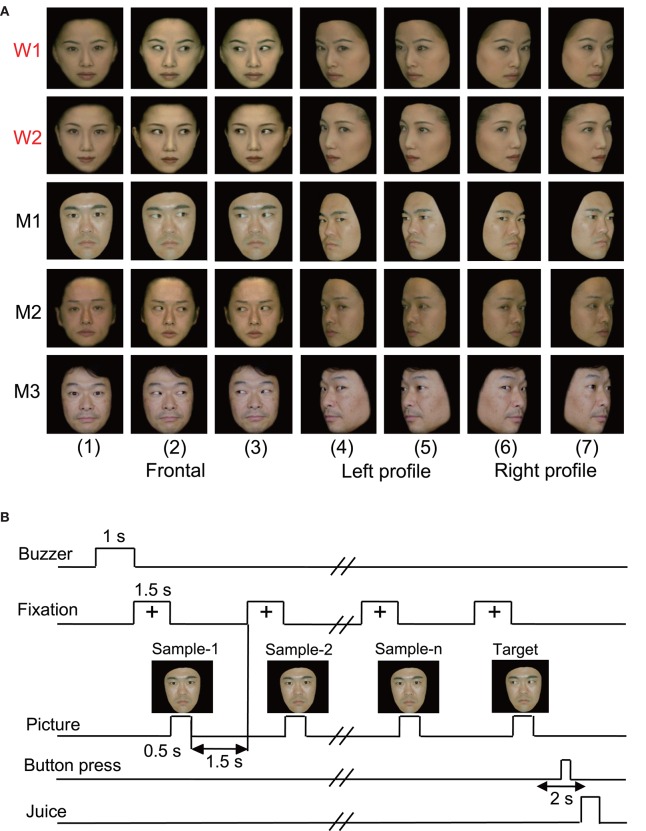
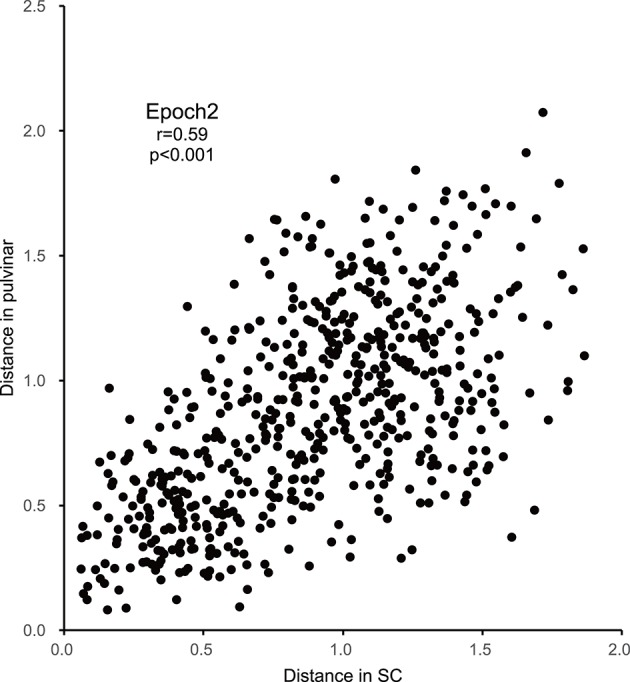
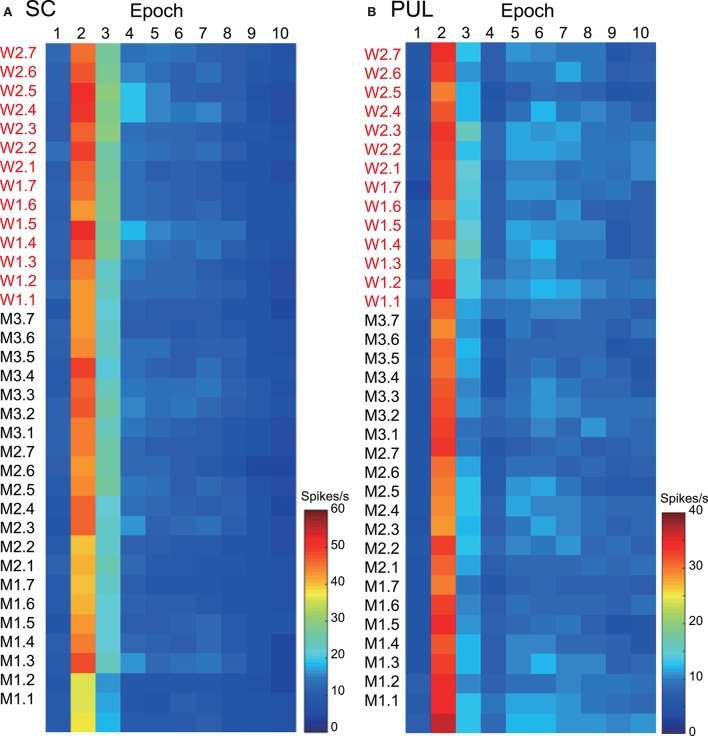
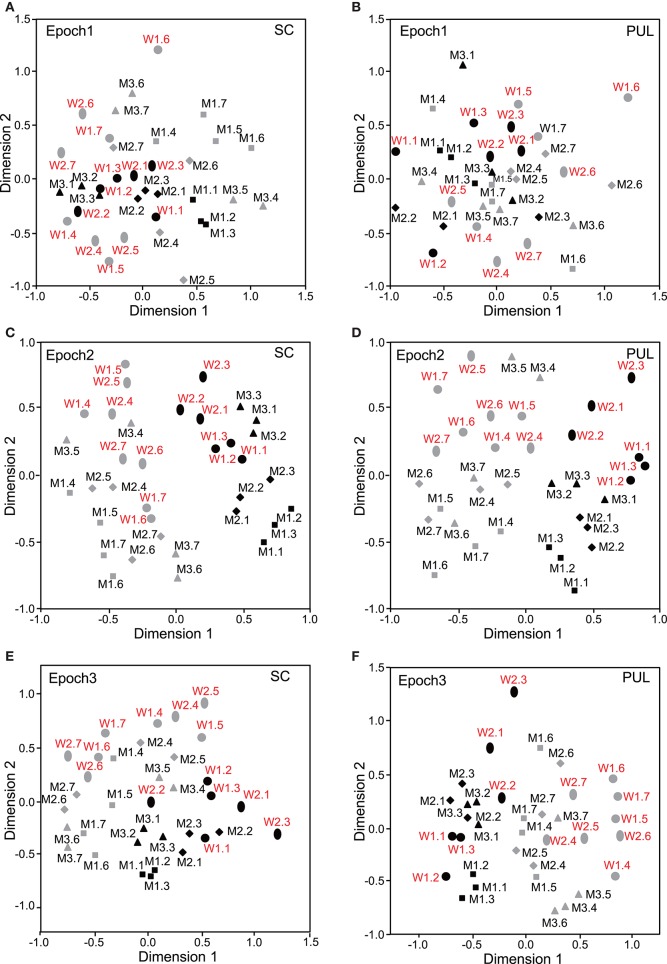
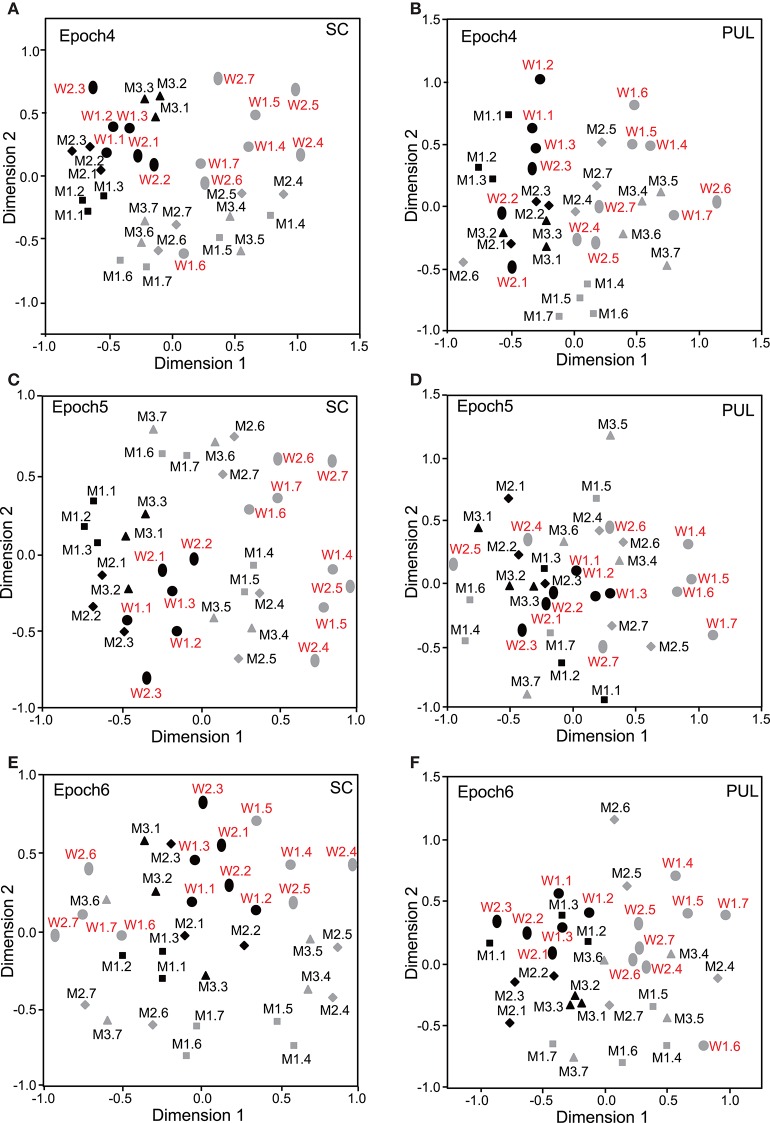
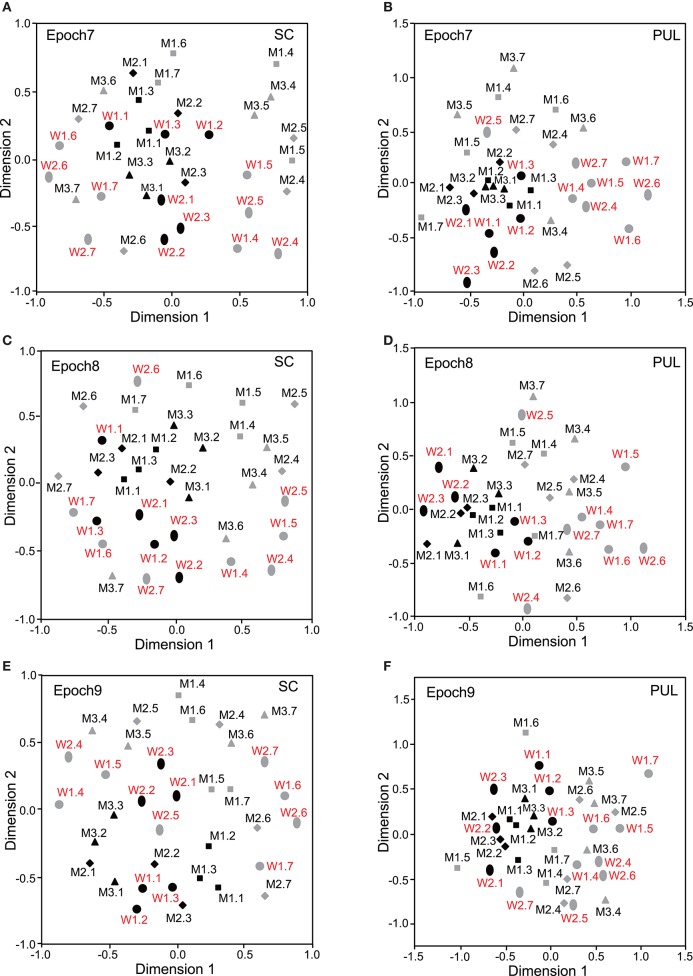
The superior colliculus (SC) and pulvinar are thought to function as a subcortical visual pathway that bypasses the striate cortex and detects fundamental facial information. We previously investigated neuronal responses in the SC and pulvinar of monkeys during a delayed nonmatching-to-sample task, in which the monkeys were required to discriminate among 35 facial photos of five models and other categories of visual stimuli, and reported that population coding by multiple SC and pulvinar neurons well discriminated facial photos from other categories of stimuli (Nguyen et al., 2013, 2014). However, it remains unknown whether population coding could represent multiple types of facial information including facial identity, gender, facial orientation, and gaze direction. In the present study, to investigate population coding of multiple types of facial information by the SC and pulvinar neurons, we reanalyzed the same neuronal responses in the SC and pulvinar; the responses of 112 neurons in the SC and 68 neurons in the pulvinar in serial 50-ms epochs after stimulus onset were reanalyzed with multidimensional scaling (MDS). The results indicated that population coding by neurons in both the SC and pulvinar classified some aspects of facial information, such as face orientation, gender, and identity, of the facial photos in the second epoch (50-100 ms after stimulus onset). The Euclidean distances between all the pairs of stimuli in the MDS spaces in the SC were significantly correlated with those in the pulvinar, which suggested that the SC and pulvinar function as a unit. However, in contrast with the known population coding of face neurons in the temporal cortex, the facial information coding in the SC and pulvinar was coarse and insufficient. In these subcortical areas, identity discrimination was face orientation-dependent and the left and right profiles were not discriminated. Furthermore, gaze direction information was not extracted in the SC and pulvinar. These results suggest that the SC and pulvinar, which comprise the subcortical visual pathway, send coarse and rapid information on faces to the cortical system in a bottom-up process.
上丘(SC)和丘脑枕被认为作为一条绕过纹状皮质并检测基本面部信息的皮质下视觉通路发挥作用。我们之前在一项延迟样本匹配任务中研究了猴子上丘和丘脑枕中的神经元反应,在此任务中,猴子需要在五个模型的35张面部照片和其他类别的视觉刺激之间进行辨别,并报告多个上丘和丘脑枕神经元的群体编码能够很好地将面部照片与其他类别的刺激区分开来(Nguyen等人,2013年,2014年)。然而,群体编码是否能够表征包括面部身份、性别、面部朝向和注视方向在内的多种类型的面部信息仍然未知。在本研究中,为了探究上丘和丘脑枕神经元对多种类型面部信息的群体编码,我们重新分析了上丘和丘脑枕中的相同神经元反应;对刺激开始后连续50毫秒时段内上丘的112个神经元和丘脑枕的68个神经元的反应进行了多维标度分析(MDS)。结果表明,上丘和丘脑枕中的神经元群体编码在第二个时段(刺激开始后50 - 100毫秒)对面部照片的某些面部信息方面进行了分类,如面部朝向、性别和身份。上丘MDS空间中所有刺激对之间的欧几里得距离与丘脑枕中的显著相关,这表明上丘和丘脑枕作为一个单元发挥作用。然而,与颞叶皮质中已知的面部神经元群体编码不同,上丘和丘脑枕中的面部信息编码粗糙且不充分。在这些皮质下区域,身份辨别依赖于面部朝向,并且左右面部轮廓没有被区分。此外,上丘和丘脑枕中未提取到注视方向信息。这些结果表明,构成皮质下视觉通路的上丘和丘脑枕在自下而上的过程中向皮质系统发送关于面部的粗糙且快速的信息。