Bremer Daniel, Pache Florence, Günther Robert, Hornow Jürgen, Andresen Volker, Leben Ruth, Mothes Ronja, Zimmermann Hanna, Brandt Alexander U, Paul Friedemann, Hauser Anja E, Radbruch Helena, Niesner Raluca
German Rheumatism Research Center , Berlin , Germany.
German Rheumatism Research Center, Berlin, Germany; NeuroCure Clinical Research Center, Clinical and Experimental Multiple Sclerosis Research Center, Department of Neurology, Charité - Universitätsmedizin Berlin, Berlin, Germany.
Front Immunol. 2016 Dec 23;7:642. doi: 10.3389/fimmu.2016.00642. eCollection 2016.
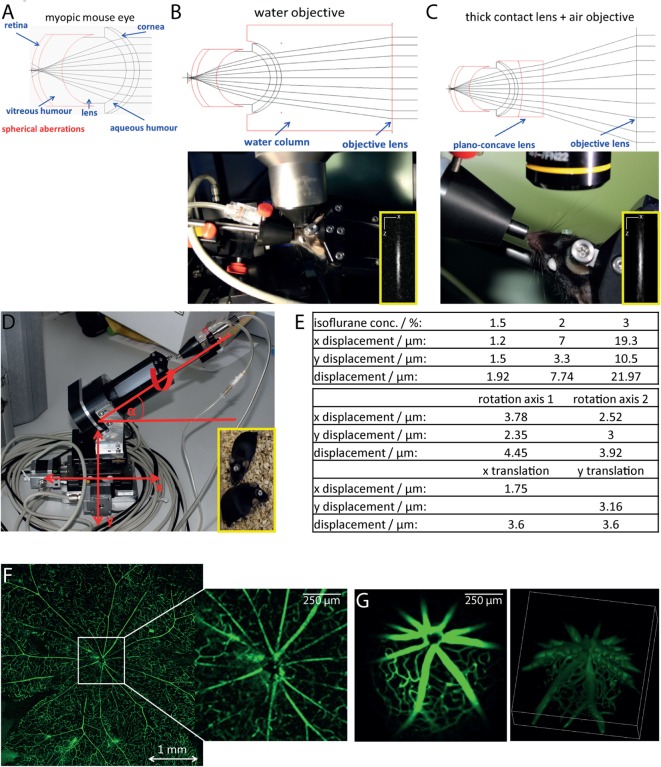
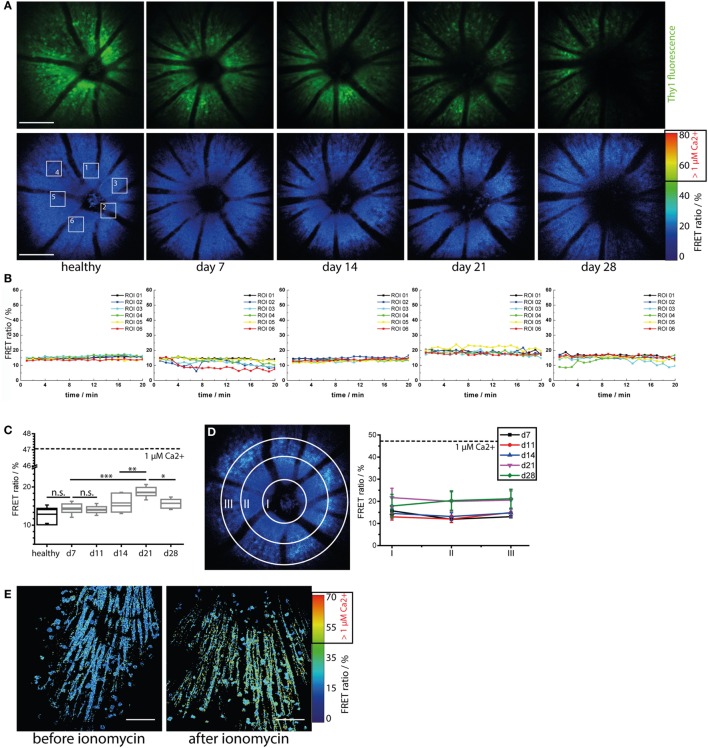
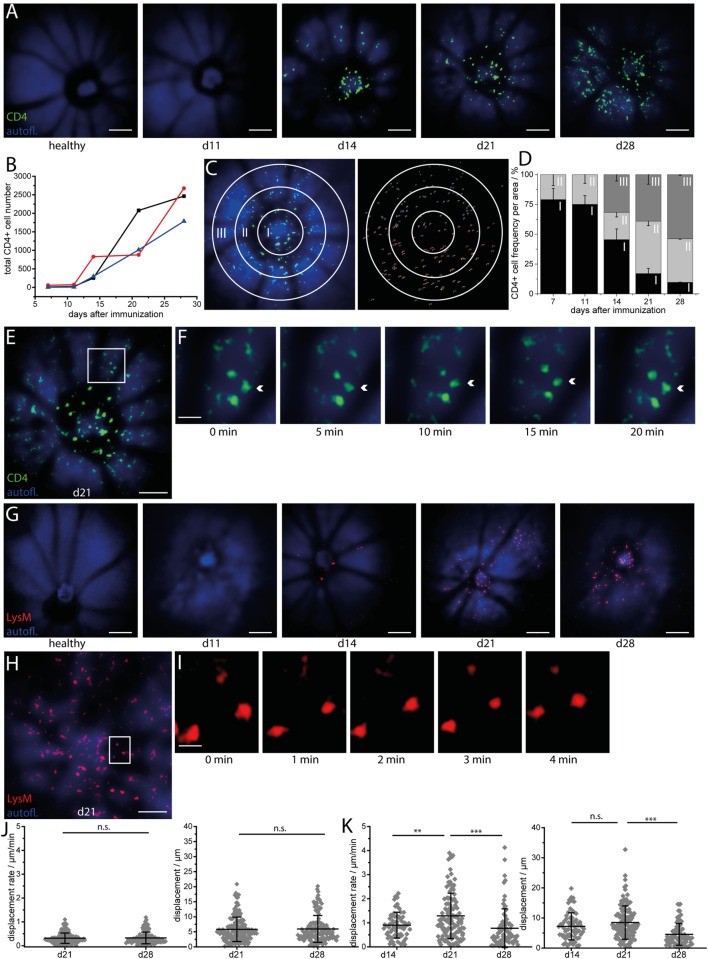
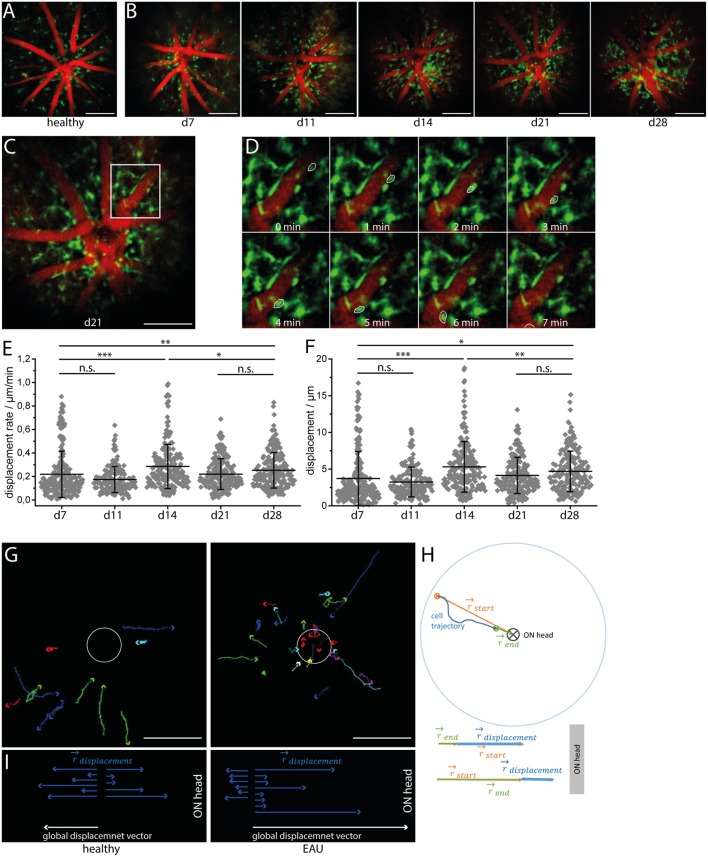
A hallmark of autoimmune retinal inflammation is the infiltration of the retina with cells of the innate and adaptive immune system, leading to detachment of the retinal layers and even to complete loss of the retinal photoreceptor layer. As the only optical system in the organism, the eye enables non-invasive longitudinal imaging studies of these local autoimmune processes and of their effects on the target tissue. Moreover, as a window to the central nervous system (CNS), the eye also reflects general neuroinflammatory processes taking place at various sites within the CNS. Histological studies in murine neuroinflammatory models, such as experimental autoimmune uveoretinitis (EAU) and experimental autoimmune encephalomyelitis, indicate that immune infiltration is initialized by effector CD4 T cells, with the innate compartment (neutrophils, macrophages, and monocytes) contributing crucially to tissue degeneration that occurs at later phases of the disease. However, how the immune attack is orchestrated by various immune cell subsets in the retina and how the latter interact with the target tissue under conditions is still poorly understood. Our study addresses this gap with a novel approach for intravital two-photon microscopy, which enabled us to repeatedly track CD4 T cells and LysM phagocytes during the entire course of EAU and to identify a specific radial infiltration pattern of these cells within the inflamed retina, starting from the optic nerve head. In contrast, highly motile [Formula: see text] cells display an opposite radial motility pattern, toward the optic nerve head. These inflammatory processes induce modifications of the microglial network toward an activated morphology, especially around the optic nerve head and main retinal blood vessels, but do not affect the neurons within the ganglion cell layer. Thanks to the new technology, non-invasive correlation of clinical scores of CNS-related pathologies with immune infiltrate behavior and subsequent tissue dysfunction is now possible. Hence, the new approach paves the way for deeper insights into the pathology of neuroinflammatory processes on a cellular basis, over the entire disease course.
自身免疫性视网膜炎症的一个标志是先天免疫系统和适应性免疫系统的细胞浸润视网膜,导致视网膜各层脱离,甚至导致视网膜光感受器层完全丧失。作为机体唯一的光学系统,眼睛能够对这些局部自身免疫过程及其对靶组织的影响进行非侵入性纵向成像研究。此外,作为通向中枢神经系统(CNS)的窗口,眼睛还反映了中枢神经系统内各个部位发生的一般神经炎症过程。在小鼠神经炎症模型中进行的组织学研究,如实验性自身免疫性葡萄膜视网膜炎(EAU)和实验性自身免疫性脑脊髓炎,表明免疫浸润由效应性CD4 T细胞启动,先天免疫细胞(中性粒细胞、巨噬细胞和单核细胞)在疾病后期对组织退化起着至关重要的作用。然而,视网膜中各种免疫细胞亚群如何协调免疫攻击,以及在这些条件下后者如何与靶组织相互作用,目前仍知之甚少。我们的研究采用一种新型的活体双光子显微镜方法填补了这一空白,该方法使我们能够在EAU的整个病程中反复追踪CD4 T细胞和LysM吞噬细胞,并确定这些细胞在炎症视网膜内从视神经乳头开始的特定径向浸润模式。相比之下,高迁移性的[公式:见正文]细胞则呈现相反的径向迁移模式,朝向视神经乳头。这些炎症过程会使小胶质细胞网络向激活形态转变,尤其是在视神经乳头和视网膜主要血管周围,但不会影响神经节细胞层内的神经元。由于这项新技术,现在可以将中枢神经系统相关病理的临床评分与免疫浸润行为及随后的组织功能障碍进行非侵入性关联。因此,这种新方法为在细胞基础上深入了解整个疾病过程中神经炎症过程的病理学铺平了道路。