Institute of Microbial Chemistry (BIKAKEN), Numazu, Microbial Chemistry Research Foundation, 18-24 Miyamoto, Numazu-shi, Shizuoka 410-0301, Japan.
Institute of Microbial Chemistry (BIKAKEN), Laboratory of Oncology, Microbial Chemistry Research Foundation, 3-14-23 Kamiosaki, Shinagawa-ku, Tokyo 141-0021, Japan.
Sci Rep. 2017 Jan 11;7:40400. doi: 10.1038/srep40400.
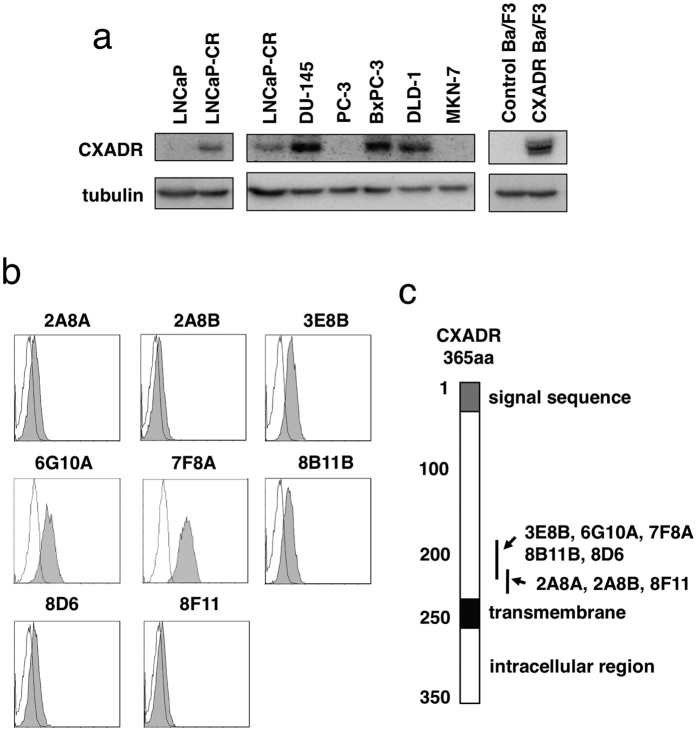
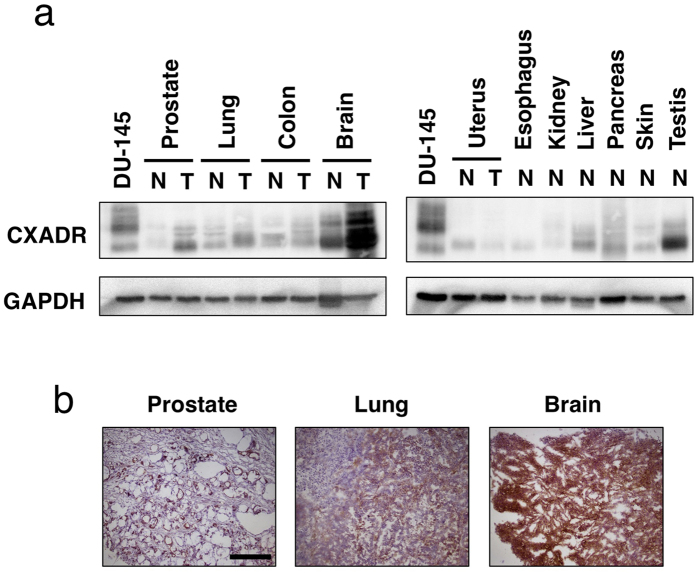
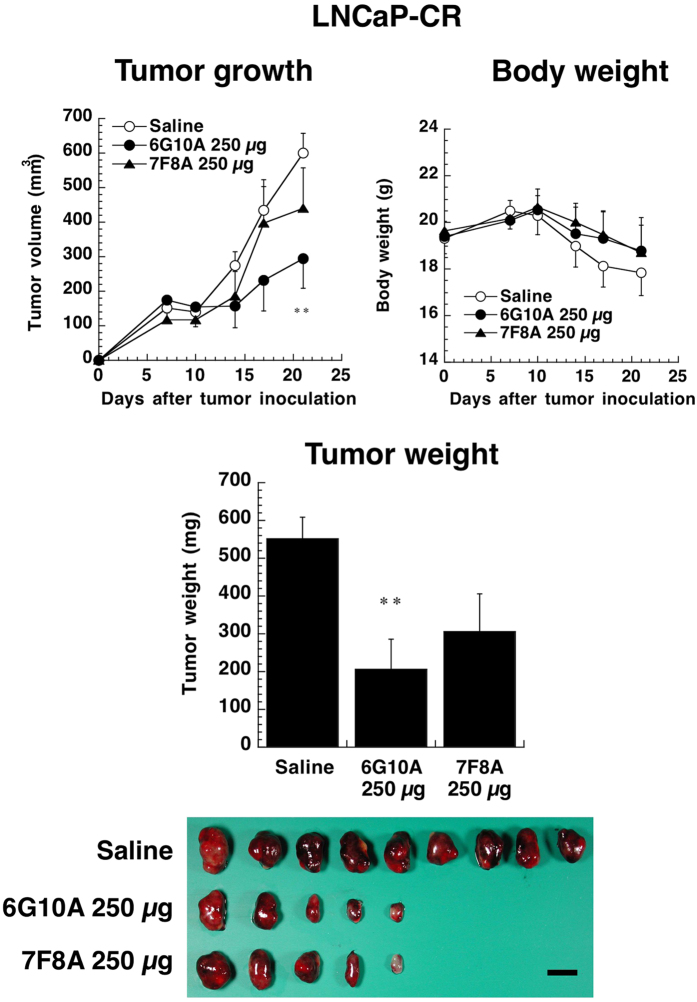
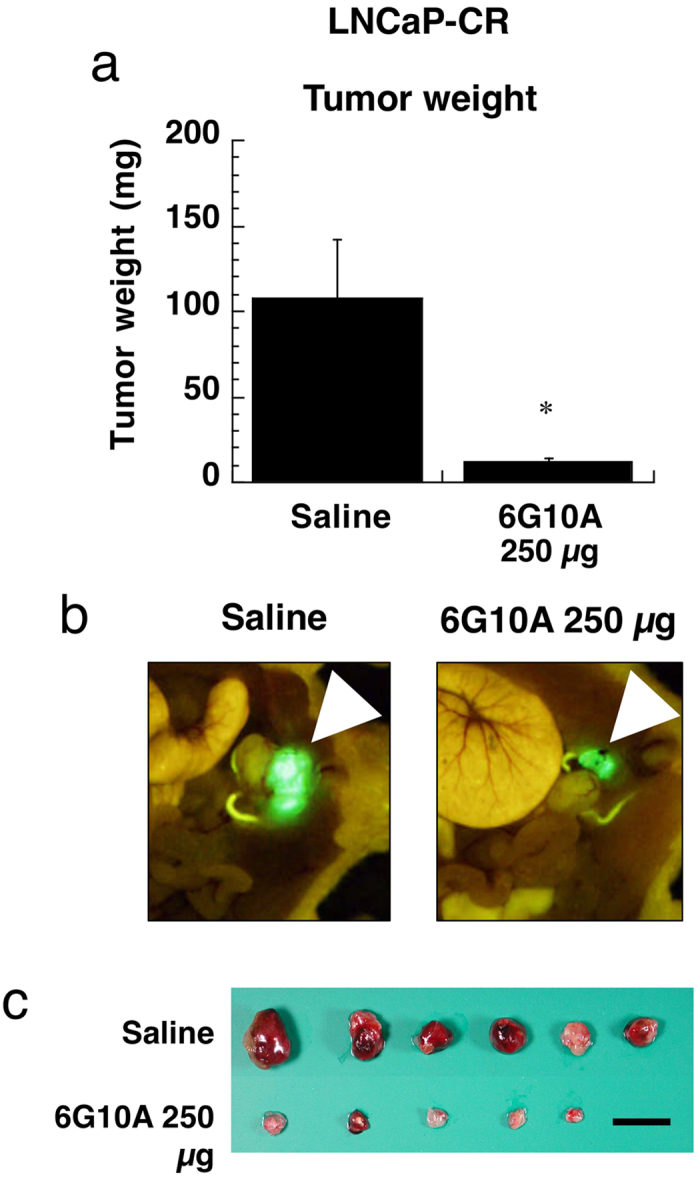
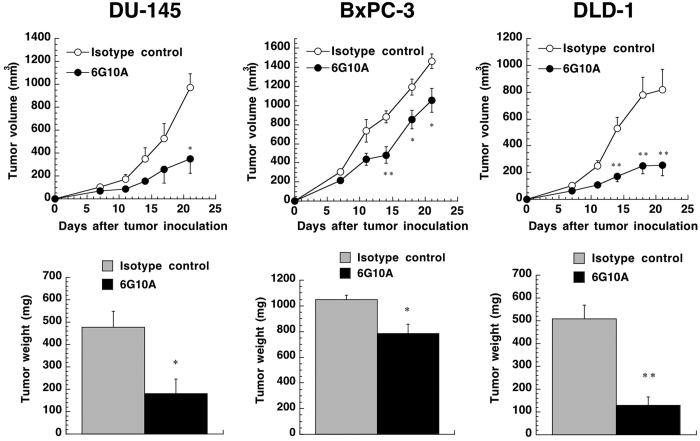
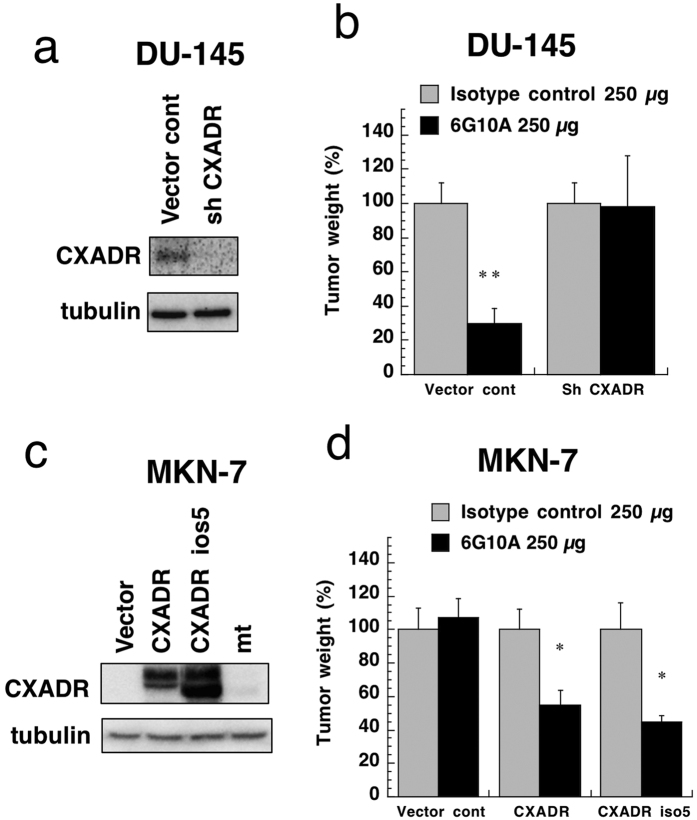
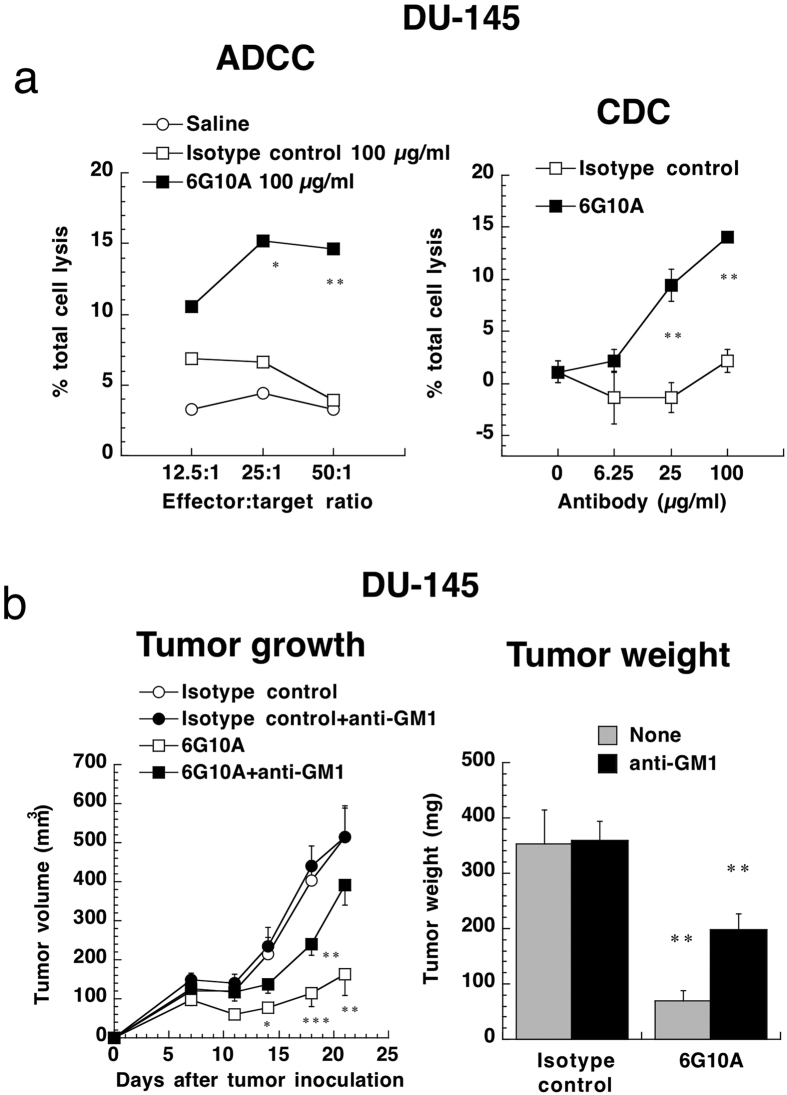
To create a new anti-tumor antibody, we conducted signal sequence trap by retrovirus-meditated expression method and identified coxsackie virus and adenovirus receptor (CXADR) as an appropriate target. We developed monoclonal antibodies against human CXADR and found that one antibody (6G10A) significantly inhibited the growth of subcutaneous as well as orthotopic xenografts of human prostate cancer cells in vivo. Furthermore, 6G10A also inhibited other cancer xenografts expressing CXADR, such as pancreatic and colorectal cancer cells. Knockdown and overexpression of CXADR confirmed the dependence of its anti-tumor activity on CXADR expression. Our studies of its action demonstrated that 6G10A exerted its anti-tumor activity primarily through both antibody-dependent cellular cytotoxicity and complement-dependent cytotoxicity. Moreover, 6G10A reacted with human tumor tissues, such as prostate, lung, and brain, each of which express CXADR. Although we need further evaluation of its reactivity and safety in human tissues, our results show that a novel anti-CXADR antibody may be a feasible candidate for cancer immunotherapy.
为了创造一种新的抗肿瘤抗体,我们通过逆转录病毒介导的表达方法进行信号序列捕获,并确定柯萨奇病毒和腺病毒受体(CXADR)为合适的靶标。我们开发了针对人 CXADR 的单克隆抗体,并发现一种抗体(6G10A)可显著抑制人前列腺癌细胞的皮下和原位异种移植瘤的生长。此外,6G10A 还抑制了其他表达 CXADR 的癌症异种移植瘤,如胰腺癌和结直肠癌。CXADR 的敲低和过表达证实了其抗肿瘤活性依赖于 CXADR 的表达。我们对其作用的研究表明,6G10A 主要通过抗体依赖性细胞毒性和补体依赖性细胞毒性发挥其抗肿瘤活性。此外,6G10A 与人肿瘤组织(如前列腺、肺和脑)反应,这些组织均表达 CXADR。尽管我们需要进一步评估其在人组织中的反应性和安全性,但我们的结果表明,一种新型的抗 CXADR 抗体可能是癌症免疫治疗的可行候选药物。