Liu Zhaoqun, Zhou Zhi, Jiang Qiufen, Wang Lingling, Yi Qilin, Qiu Limei, Song Linsheng
Key Laboratory of Experimental Marine Biology, Institute of Oceanology, Chinese Academy of Sciences, Qingdao 266071, People's Republic of China.
University of Chinese Academy of Sciences, Beijing 100049, People's Republic of China.
Open Biol. 2017 Jan;7(1). doi: 10.1098/rsob.160289.
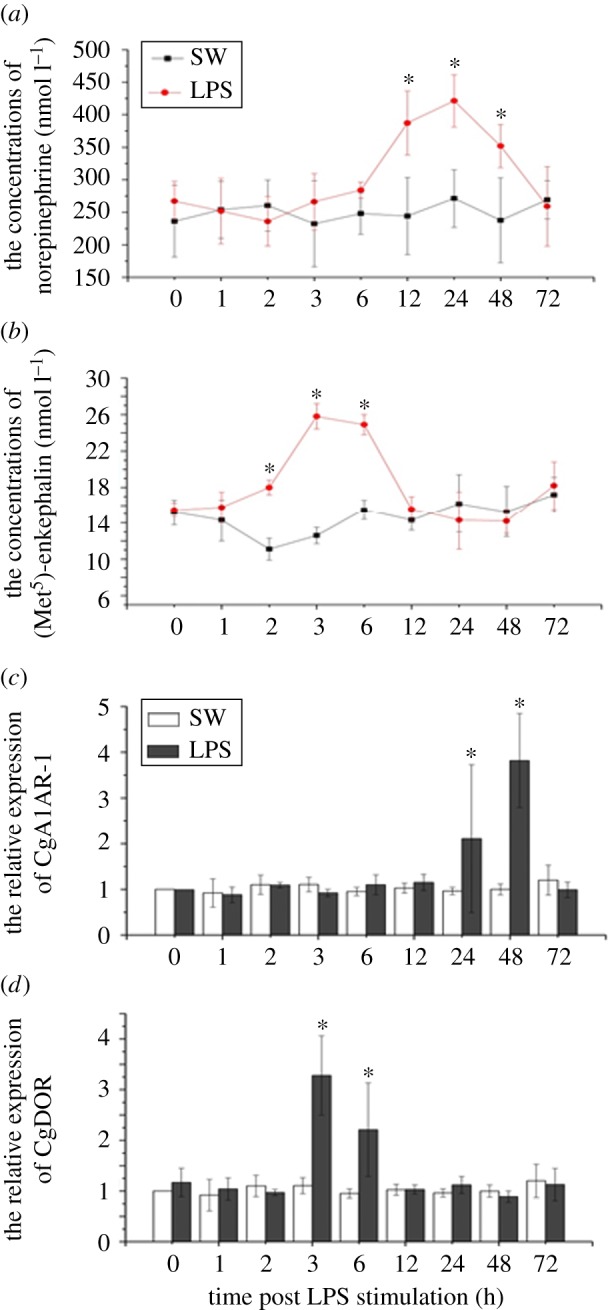
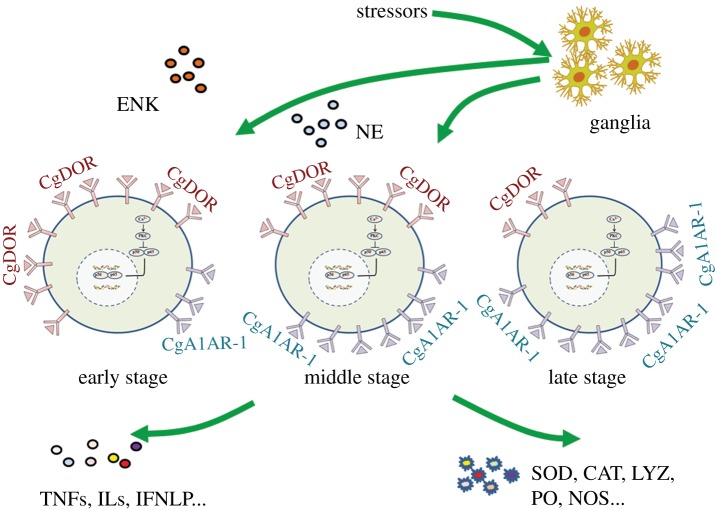
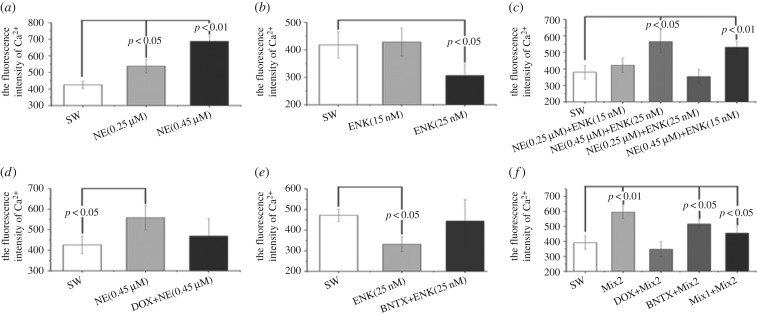
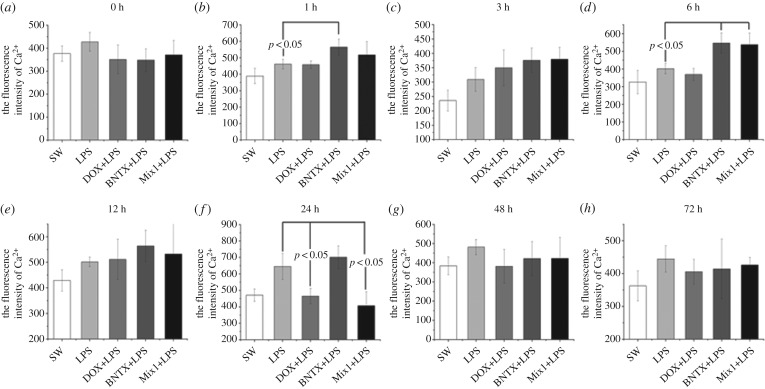
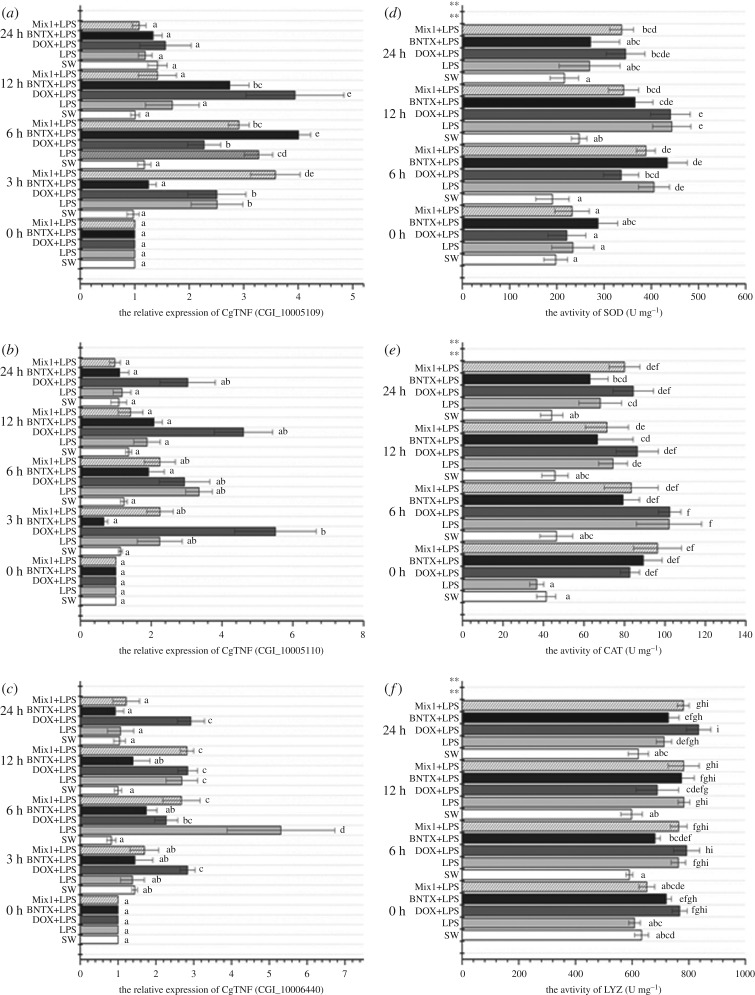
The neuroendocrine-immune (NEI) regulatory network is a complex system, which plays an indispensable role in the immunity of host. In this study, a neuroendocrine immunomodulatory axis (NIA)-like pathway mediated by the nervous system and haemocytes was characterized in the oyster Crassostrea gigas Once invaded pathogen was recognized by the host, the nervous system would temporally release neurotransmitters to modulate the immune response. Instead of acting passively, oyster haemocytes were able to mediate neuronal immunomodulation promptly by controlling the expression of specific neurotransmitter receptors on cell surface and modulating their binding sensitivities, thus regulating intracellular concentration of Ca This neural immunomodulation mediated by the nervous system and haemocytes could influence cellular immunity in oyster by affecting mRNA expression level of TNF genes, and humoral immunity by affecting the activities of key immune-related enzymes. In summary, though simple in structure, the 'nervous-haemocyte' NIA-like pathway regulates both cellular and humoral immunity in oyster, meaning a world to the effective immune regulation of the NEI network.
神经内分泌-免疫(NEI)调节网络是一个复杂的系统,在宿主免疫中发挥着不可或缺的作用。在本研究中,在太平洋牡蛎中鉴定出了一条由神经系统和血细胞介导的类神经内分泌免疫调节轴(NIA)途径。一旦宿主识别入侵的病原体,神经系统会暂时释放神经递质来调节免疫反应。牡蛎血细胞并非被动行动,而是能够通过控制细胞表面特定神经递质受体的表达并调节其结合敏感性,从而迅速介导神经元免疫调节,进而调节细胞内钙离子浓度。这种由神经系统和血细胞介导的神经免疫调节可通过影响肿瘤坏死因子(TNF)基因的mRNA表达水平来影响牡蛎的细胞免疫,并通过影响关键免疫相关酶的活性来影响体液免疫。总之,尽管“神经-血细胞”类NIA途径结构简单,但它调节牡蛎的细胞免疫和体液免疫,这对NEI网络的有效免疫调节意义重大。