Department of Psychiatry, Kannur Medical College, Kannur, Kerala, India.
Department of Psychiatry, National Institute of Mental Health and Neurosciences, Bangalore, Karnataka, India.
Curr Neuropharmacol. 2017 Nov 14;15(8):1073-1084. doi: 10.2174/1570159X15666170113100611.
To compare the short term anti-schizophrenic efficacy and side effect profile of aripiprazole with risperidone.
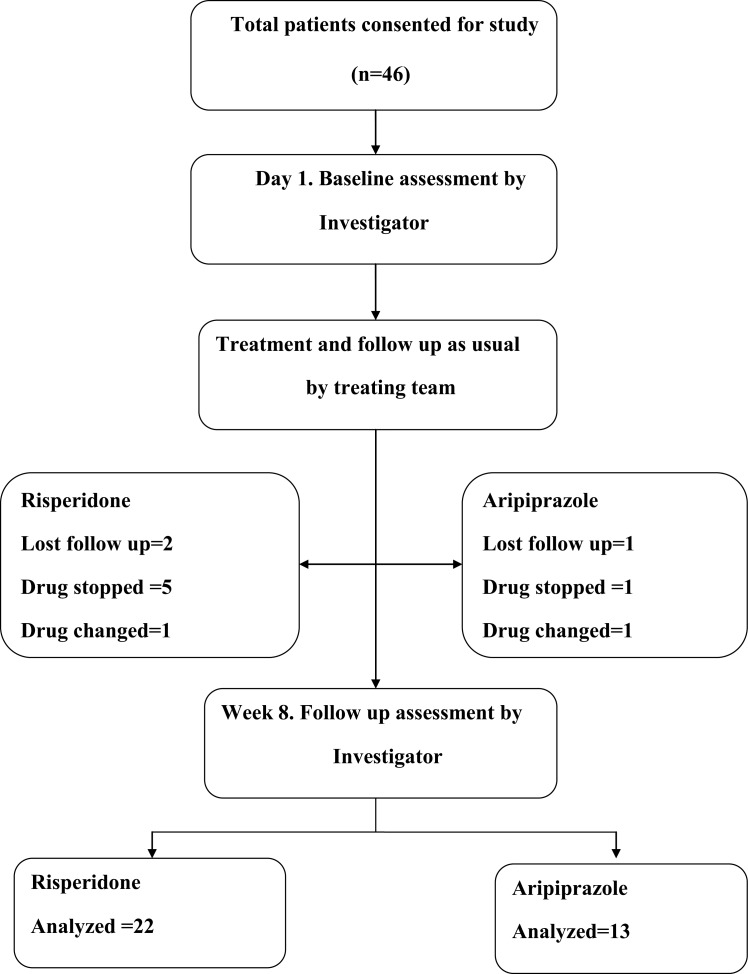
The study was a non-randomized, naturalistic, rater blinded, prospective, 8-12 weeks, comparative trial between the risperidone and aripiprazole in patients with schizophrenia. Patients already getting treatment with aripiprazole (10 to 30 mg/day) or risperidone (3 to 8mg/day) were recruited. Mini International Neuropsychiatric Interview (MINI) Plus, Positive and Negative Syndrome Scale (PANSS), Abnormal Involuntary Movement Scale (AIMS), Simpson Angus Scale (SAS), Udvalg for Klinske Undersogelser (UKU) Scale, Clinical Global Impression-severity scales were administered by principal investigator on the day of recruitment. Anthropometric measurements (height, weight, BMI, waist, hip, waist circumference) blood pressure and pulse rate were measured on day 1 and during follow up. All tests except MINI plus were administered again after 8-12weeks.
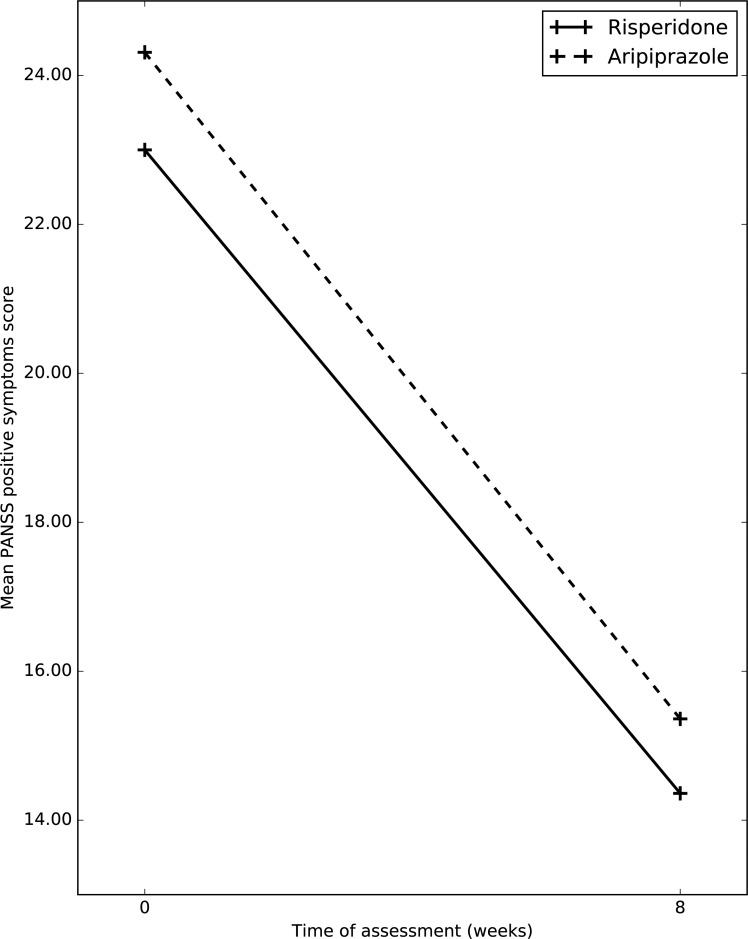
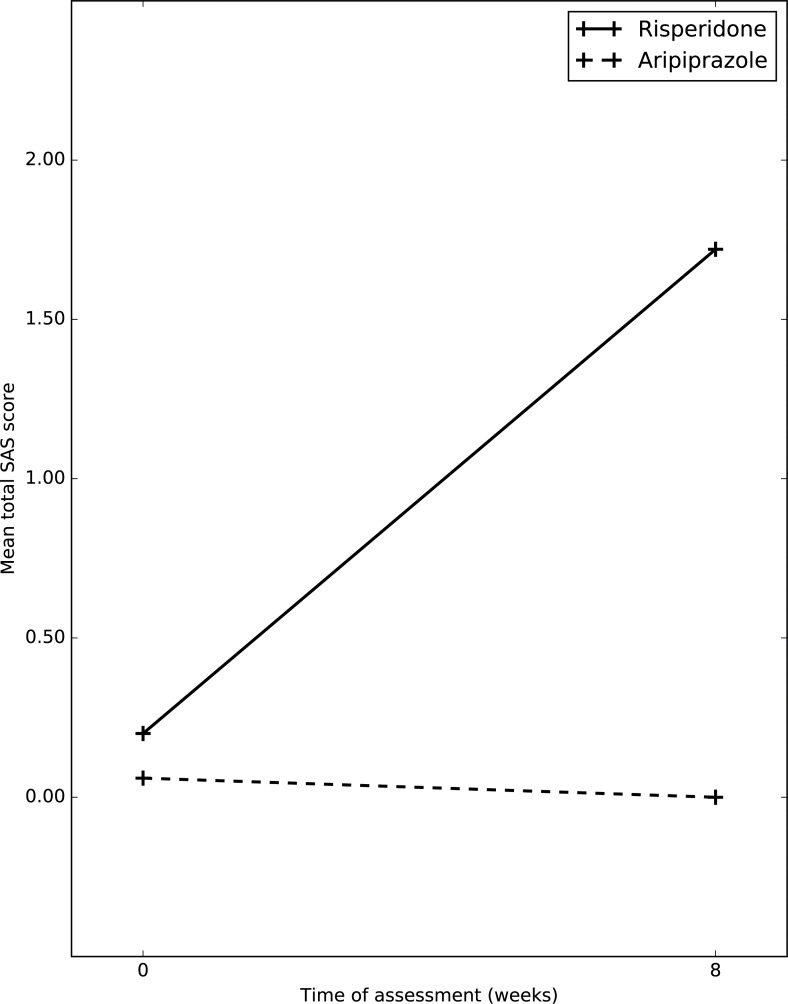
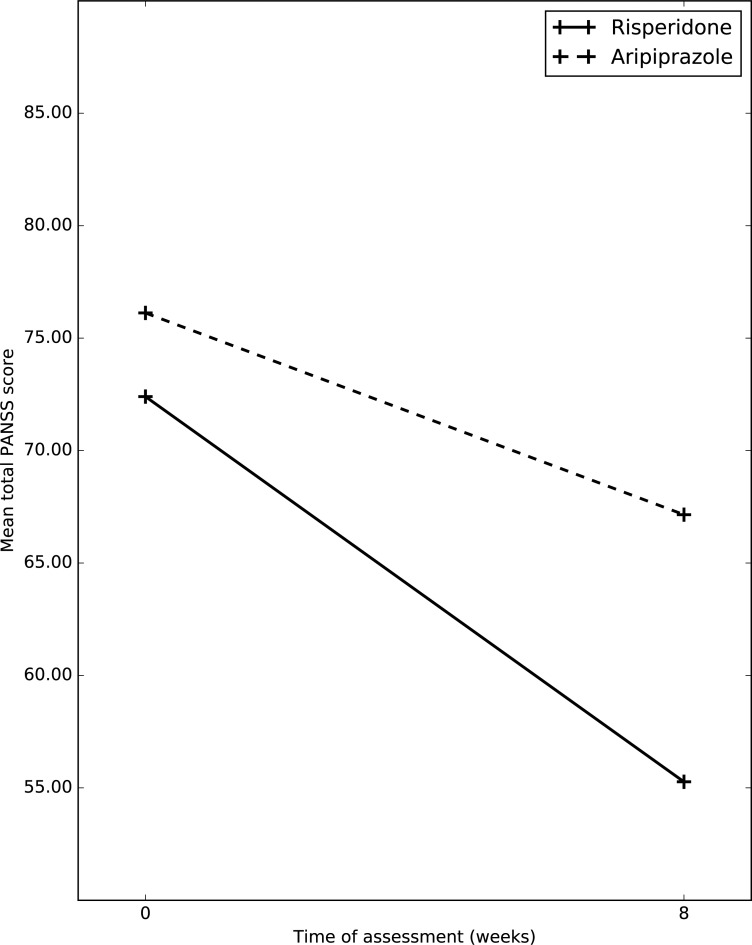
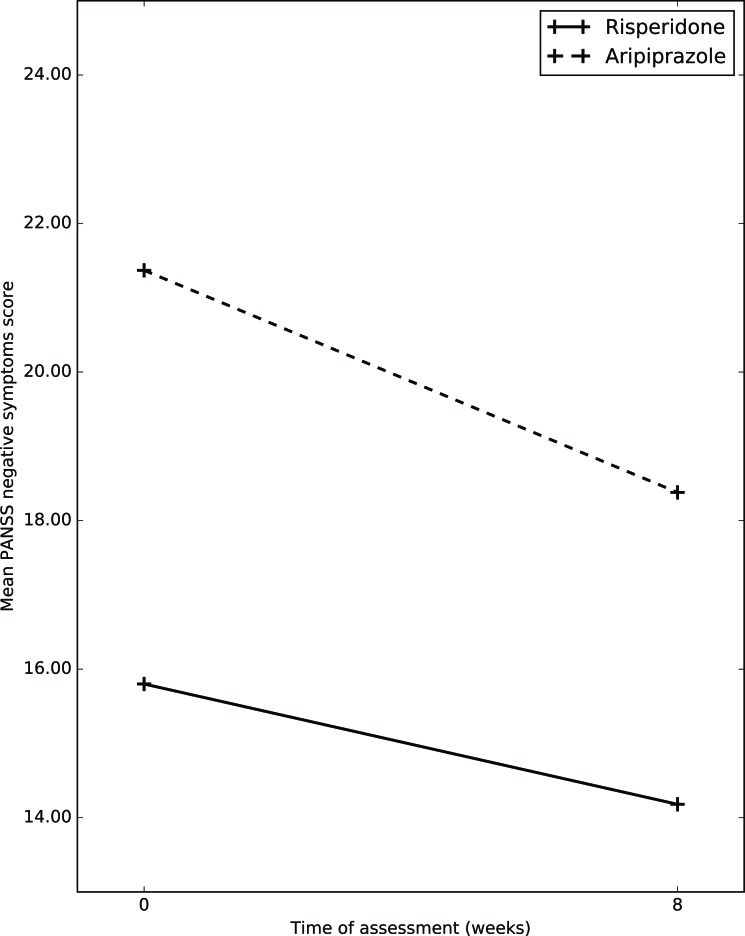
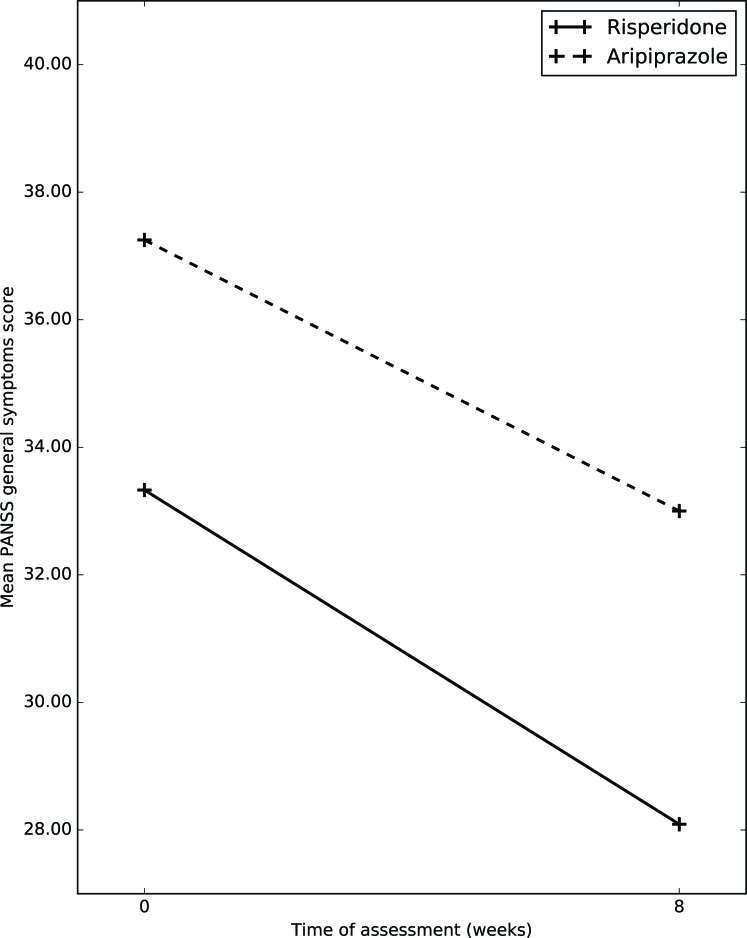
Both aripiprazole and risperidone treated patients have shown significant improvement on positive and negative symptoms but there was no statistically significant difference between the two groups. Mean improvement in patient rated improvement scale score showed a trend towards significance favoring aripiprazole. Common adverse events (seen in ≥ 5% of patients) as assessed by the UKU Scale occurred more frequently in the risperidone group than in the aripiprazole group. Drug induced extra pyramidal symptoms were more common in risperidone treated patients. Aripiprazole showed less treatment emerged weight gain.
Aripiprazole is equally efficacious and better tolerated than risperidone in patients with schizophrenia over a short-term period of eight weeks. Aripiprazole showed better patient satisfaction and side effect profile.
比较阿立哌唑与利培酮治疗精神分裂症的短期抗精神病疗效和副作用。
这是一项非随机、自然主义、盲法评估、前瞻性、为期 8-12 周的研究,比较了阿立哌唑与利培酮治疗精神分裂症患者的疗效。招募了已经接受阿立哌唑(10-30mg/天)或利培酮(3-8mg/天)治疗的患者。研究采用迷你国际神经精神访谈(MINI)Plus、阳性和阴性症状量表(PANSS)、异常不自主运动量表(AIMS)、辛普森-安格斯量表(SAS)、乌德勒支大学神经精神科副作用量表(UKU)、临床总体印象严重程度量表,由主要研究者在入组当天进行评估。在第 1 天和随访期间测量了身高、体重、BMI、腰围、臀围、血压和脉搏率。除 MINI plus 外,所有测试在 8-12 周后再次进行。
阿立哌唑和利培酮治疗的患者在阳性和阴性症状方面均有显著改善,但两组间无统计学差异。患者自评改善量表评分的平均改善显示出阿立哌唑更有利的趋势。UKU 量表评估的常见不良反应(≥5%的患者发生)在利培酮组比阿立哌唑组更常见。利培酮治疗的患者药物引起的锥体外系症状更常见。阿立哌唑显示出较少的体重增加。
在为期 8 周的短期治疗中,阿立哌唑与利培酮治疗精神分裂症患者的疗效相当,且耐受性更好。阿立哌唑显示出更好的患者满意度和副作用特征。