Lu Shishi, Zhang Yanmei, Zhong Shuping, Gao Fenfei, Chen Yicun, Li Weiqiu, Zheng Fuchun, Shi Ganggang
Department of Pharmacy, the First Affiliated Hospital, Shantou University Medical College Shantou, China.
Department of Pharmacology, Shantou University Medical College Shantou, China.
Front Pharmacol. 2017 Jan 5;7:520. doi: 10.3389/fphar.2016.00520. eCollection 2016.
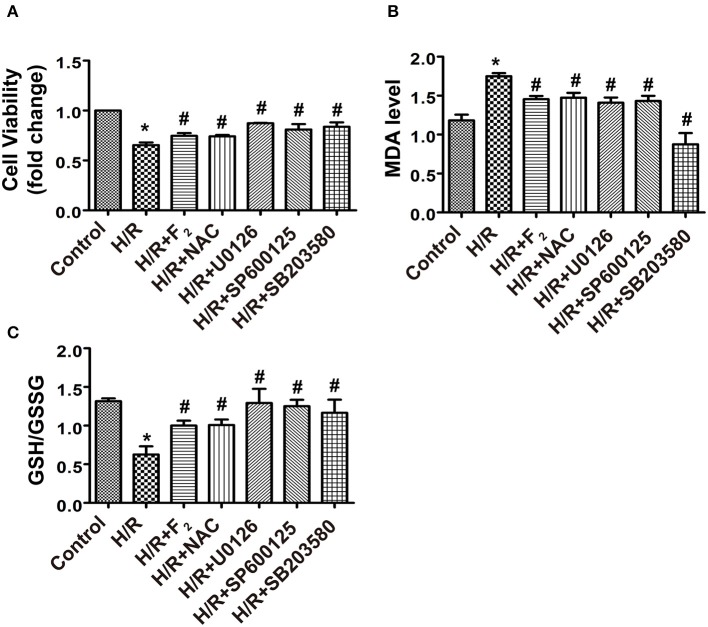
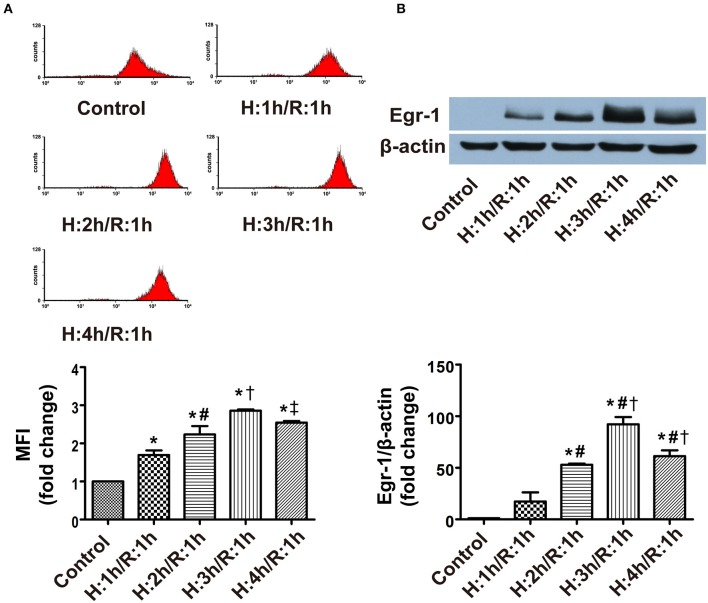
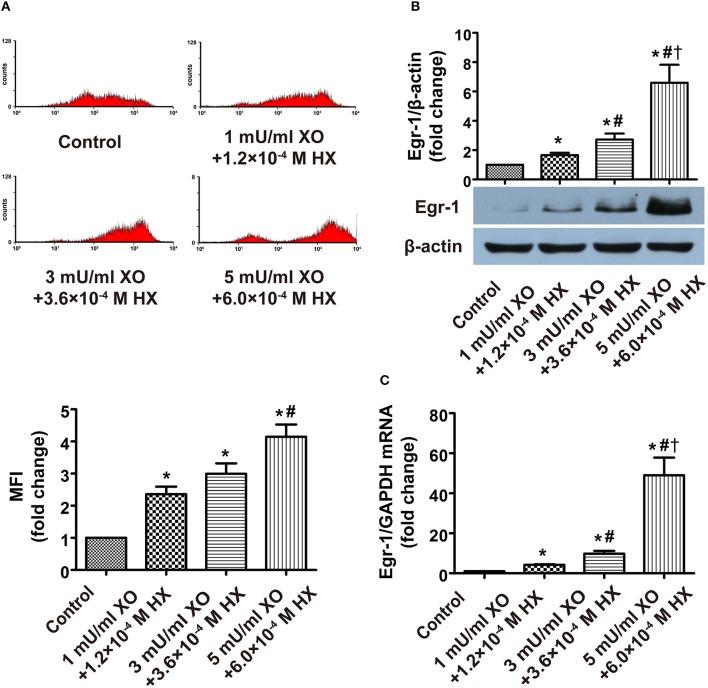
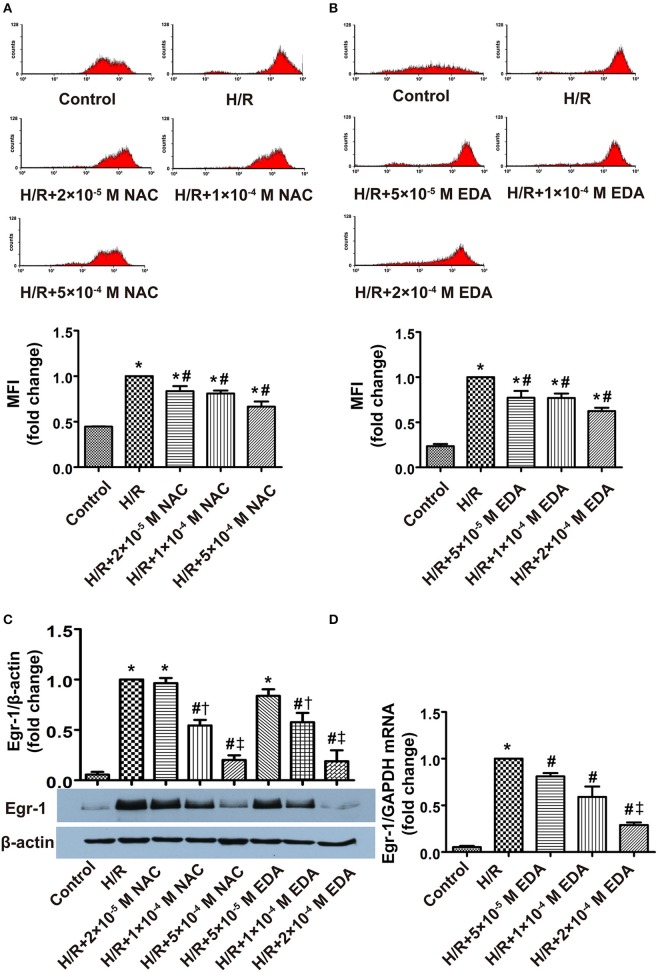
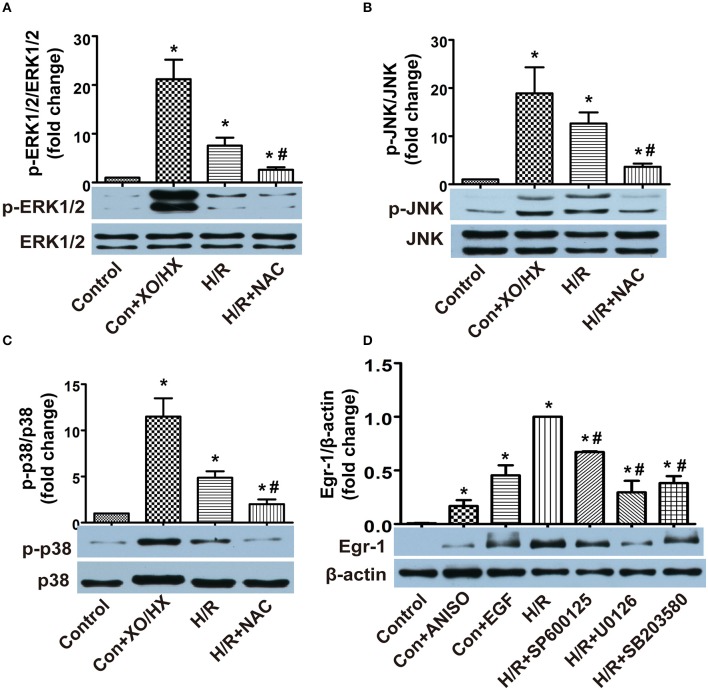
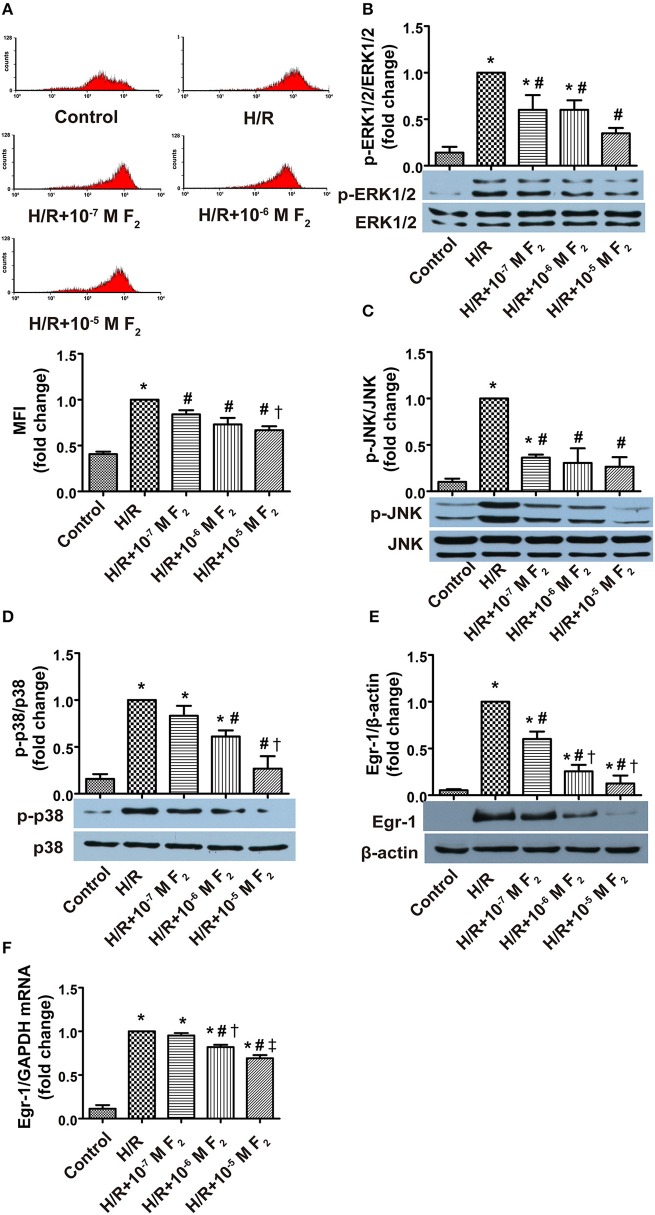
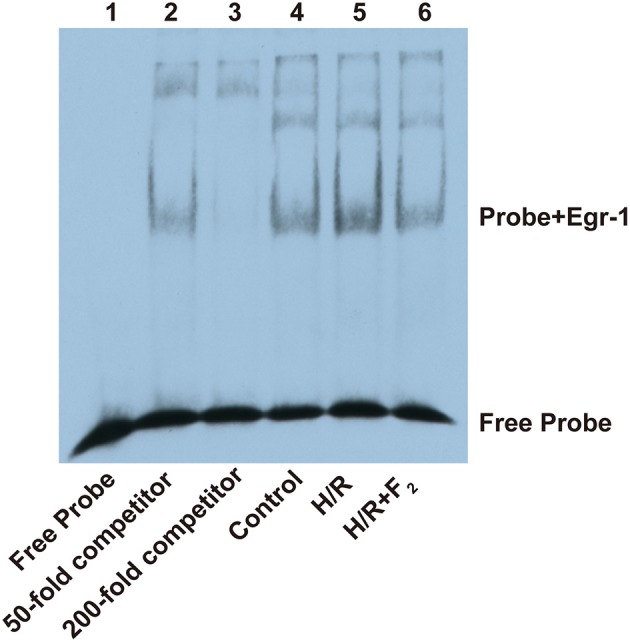
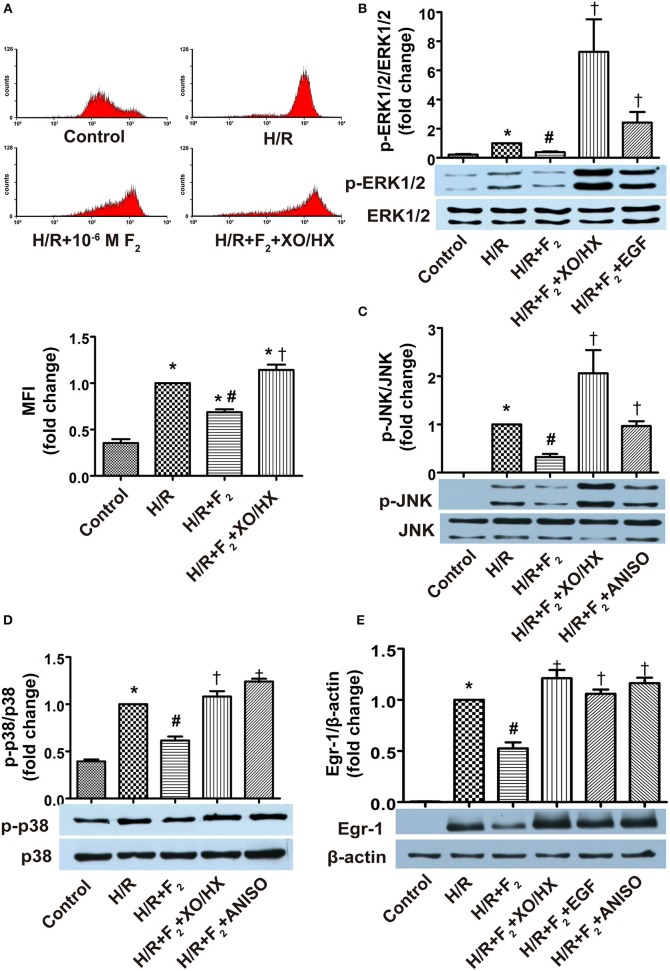
Endothelium dysfunction induced by reactive oxygen species (ROS) is an important initial event at the onset of myocardial ischemia/reperfusion in which the Egr-1 transcription factor often serves as a master switch for various damage pathways following reperfusion injury. We hypothesized that an intracellular ROS/MAPK/Egr-1 signaling pathway is activated in cardiac microvascular endothelial cells (CMECs) following hypoxia/reoxygenation (H/R). ROS generation, by either H/R or the ROS donor xanthine oxidase-hypoxanthine (XO/HX) activated all three MAPKs (ERK1/2, JNK, p38), and induced Egr-1 expression and Egr-1 DNA-binding activity in CMECs, whereas ROS scavengers (EDA and NAC) had the opposite effect following H/R. Inhibitors of all three MAPKs individually inhibited induction of Egr-1 expression by H/R in CMECs. Moreover, -n-butyl haloperidol (F), previously shown to protect cardiomyocytes subjected to I/R, dose-dependently downregulated H/R-induced ROS generation, MAPK activation, and Egr-1 expression and activity in CMECs, whereas XO/HX and MAPK activators (EGF, anisomycin) antagonized the effects of F. Inhibition of the ROS/MAPK/Egr-1 signaling pathway, by either F, NAC, or inhibition of MAPK, increased CMEC viability and the GSH/GSSG ratio, and decreased Egr-1 nuclear translocation. These results show that the ROS/MAPK/Egr-1 signaling pathway mediates H/R injury in CMECs, and F blocks this pathway to protect against H/R injury and further alleviate myocardial I/R injury.
活性氧(ROS)诱导的内皮功能障碍是心肌缺血/再灌注开始时的一个重要初始事件,其中Egr-1转录因子常作为再灌注损伤后各种损伤途径的主控开关。我们假设在缺氧/复氧(H/R)后,心脏微血管内皮细胞(CMECs)中会激活细胞内ROS/MAPK/Egr-1信号通路。H/R或ROS供体黄嘌呤氧化酶-次黄嘌呤(XO/HX)产生的ROS激活了所有三种丝裂原活化蛋白激酶(ERK1/2、JNK、p38),并诱导CMECs中Egr-1的表达和Egr-1与DNA的结合活性,而ROS清除剂(EDA和NAC)在H/R后则产生相反的效果。单独使用这三种丝裂原活化蛋白激酶的抑制剂均可抑制H/R诱导的CMECs中Egr-1的表达。此外,先前已证明可保护心肌细胞免受缺血/再灌注损伤的氟哌啶醇(F),可剂量依赖性地下调H/R诱导的CMECs中ROS的产生、丝裂原活化蛋白激酶的激活以及Egr-1的表达和活性,而XO/HX和丝裂原活化蛋白激酶激活剂(EGF、茴香霉素)则拮抗F的作用。通过F、NAC或抑制丝裂原活化蛋白激酶来抑制ROS/MAPK/Egr-1信号通路,可增加CMECs的活力和谷胱甘肽/氧化型谷胱甘肽比值,并减少Egr-1的核转位。这些结果表明,ROS/MAPK/Egr-1信号通路介导了CMECs中的H/R损伤,而F可阻断该通路以防止H/R损伤,并进一步减轻心肌缺血/再灌注损伤。