Gacka Ewa, Życzkowski Marcin, Bogacki Rafał, Paradysz Andrzej, Hyla-Klekot Lidia
Department of Pediatric Nephrology, Center for Pediatrics and Oncology, Chorzów, Poland.
Department of Urology, School of Medicine with Division of Dentistry in Zabrze, Medical University of Silesia, Katowice, Poland.
Dis Markers. 2016;2016:6872149. doi: 10.1155/2016/6872149. Epub 2016 Dec 26.
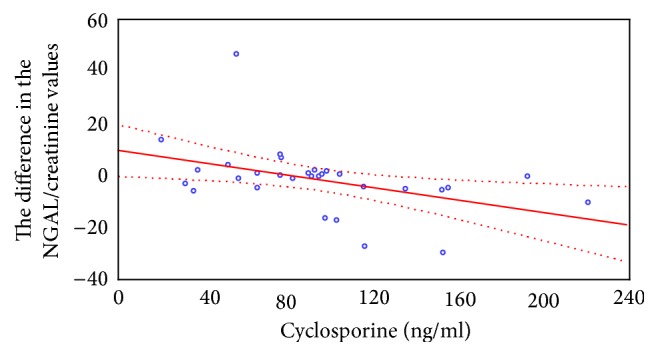
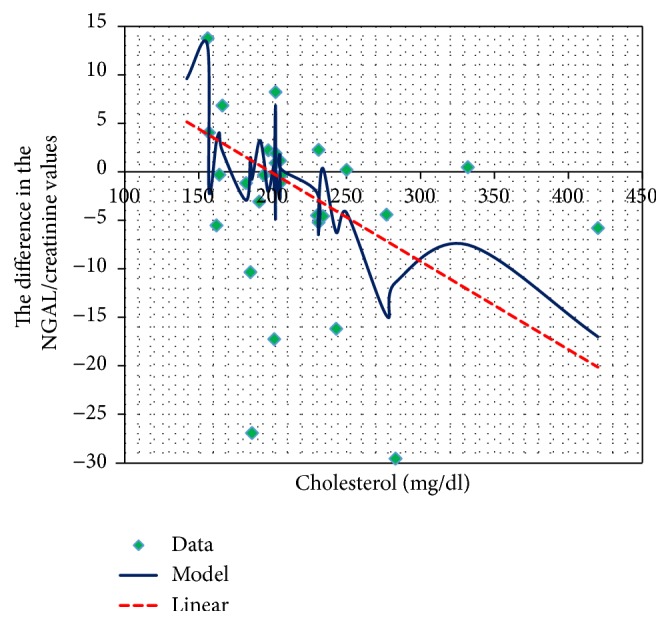
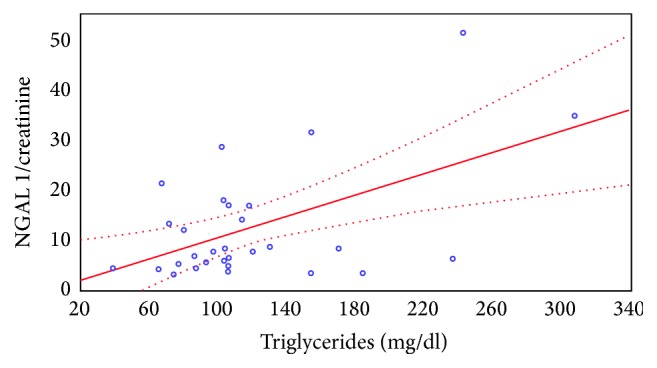
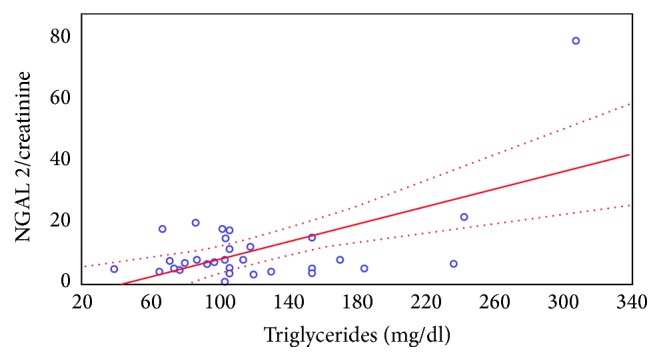
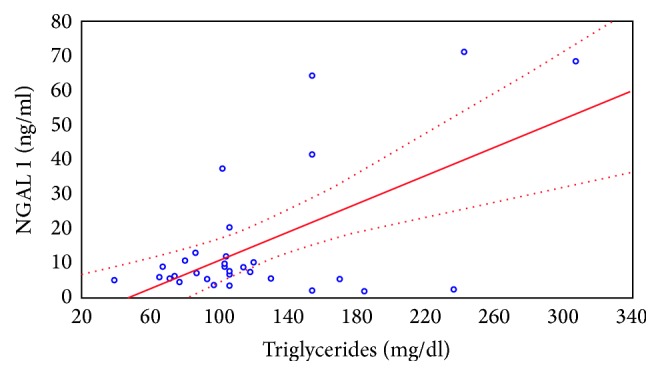
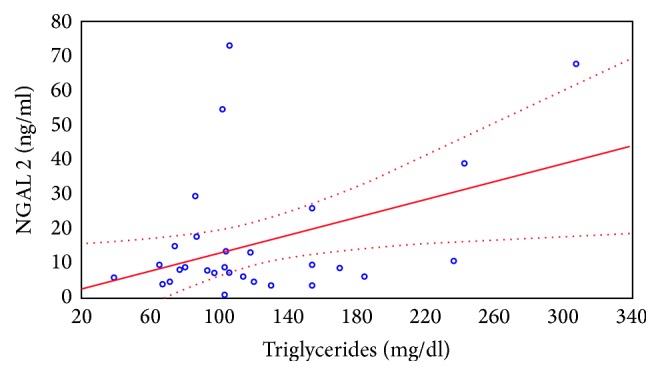
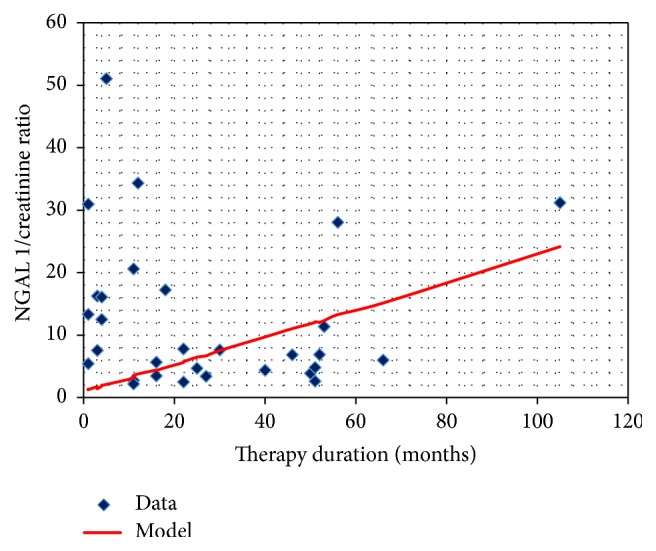
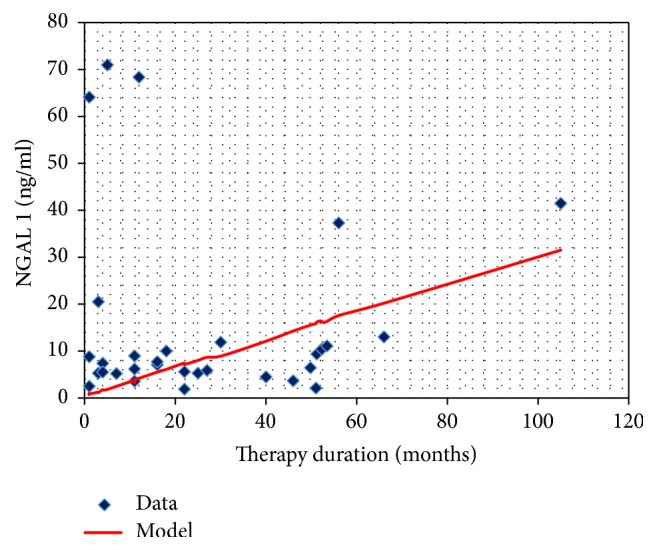
The use of cyclosporine (CsA) in the treatment of nephrotic syndrome (NS) contributed to a significant reduction in the amount of corticosteroids used in therapy and its cumulative side effects. One of the major drawbacks of CsA therapy is its nephrotoxicity. Prolonged CsA treatment protocols require sensitive, easily available, and simple to measure biomarkers of nephrotoxicity. NGAL is an antibacterial peptide, excreted by cells of renal tubules in response to their toxic or inflammatory damage. The aim of this study was to assess the suitability of the NGAL concentration in the urine as a potential biomarker of the CsA nephrotoxicity. The study was performed on a group of 31 children with NS treated with CsA. The control group consisted of 23 children diagnosed with monosyptomatic enuresis. The relationship between NGAL excreted in urine and the time of CsA treatment, concentration of CsA in blood serum, and other biochemical parameters was assessed. The study showed a statistically significant positive correlation between urine NGAL concentration and serum triglycerides concentration and no correlation between C0 CsA concentration and other observed parameters of NS. The duration of treatment had a statistically significant influence on the NGAL to creatinine ratio. NGAL cannot be used alone as a simple CsA nephrotoxicity marker during NS therapy. Statistically significant correlation between NGAL urine concentration and the time of CsA therapy indicates potential benefits of using this biomarker in the monitoring of nephrotoxicity in case of prolonged CsA therapy.
环孢素(CsA)用于治疗肾病综合征(NS)有助于显著减少治疗中使用的皮质类固醇剂量及其累积副作用。CsA治疗的主要缺点之一是其肾毒性。长期的CsA治疗方案需要敏感、易于获得且易于测量的肾毒性生物标志物。中性粒细胞明胶酶相关脂质运载蛋白(NGAL)是一种抗菌肽,由肾小管细胞在受到毒性或炎性损伤时分泌。本研究的目的是评估尿中NGAL浓度作为CsA肾毒性潜在生物标志物的适用性。该研究对一组31例接受CsA治疗的NS患儿进行。对照组由23例诊断为单症状性遗尿症的儿童组成。评估了尿中排出的NGAL与CsA治疗时间、血清中CsA浓度及其他生化参数之间的关系。研究表明,尿NGAL浓度与血清甘油三酯浓度之间存在统计学上显著的正相关,而C0 CsA浓度与NS的其他观察参数之间无相关性。治疗持续时间对NGAL与肌酐比值有统计学上的显著影响。在NS治疗期间,NGAL不能单独用作简单的CsA肾毒性标志物。尿NGAL浓度与CsA治疗时间之间存在统计学上的显著相关性,这表明在长期CsA治疗时,使用该生物标志物监测肾毒性可能有益。