Tetteh Raymond A, Yankey Barbara A, Nartey Edmund T, Lartey Margaret, Leufkens Hubert G M, Dodoo Alexander N O
Utrecht Institute for Pharmaceutical Sciences, Utrecht University, Utrecht, The Netherlands.
Pharmacy Department, Korle-Bu Teaching Hospital, Korle-Bu, Mamprobi, MP 2362, Accra, Ghana.
Drug Saf. 2017 Apr;40(4):273-283. doi: 10.1007/s40264-017-0505-6.
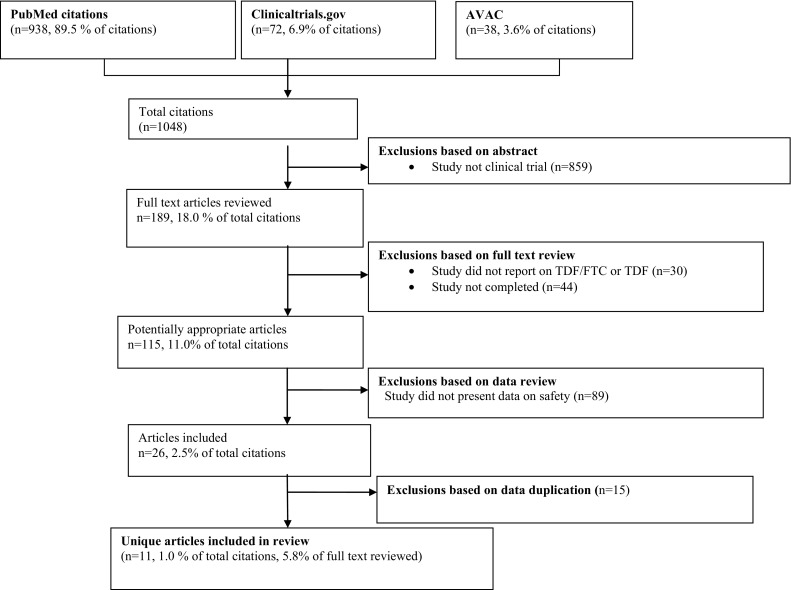
Available evidence supports the efficacy of pre-exposure prophylaxis (PrEP) in decreasing the incidence of human immunodeficiency virus (HIV) infection among high-risk individuals, especially when used in combination with other behavioural preventive methods. Safety concerns about PrEP present challenges in the implementation and use of PrEP. The aim of this review is to discuss safety concerns observed in completed clinical trials on the use of PrEP. We performed a literature search on PrEP in PubMed, global advocacy for HIV prevention (Aids Vaccine Advocacy Coalition) database, clinical trials registry " http://www.clinicaltrials.gov " and scholar.google, using combination search terms 'pre-exposure prophylaxis', 'safety concerns in the use of pre-exposure prophylaxis', 'truvada use as PrEP', 'guidelines for PrEP use', 'HIV pre-exposure prophylaxis' and 'tenofovir' to identify clinical trials and literature on PrEP. We present findings associated with safety issues on the use of PrEP based on a review of 11 clinical trials on PrEP with results on safety and efficacy as at April 2016. We also reviewed findings from routine real-life practice reports. The pharmacological intervention for PrEP was tenofovir disoproxil fumarate/emtricitabine in a combined form as Truvada or tenofovir as a single entity. Both products are efficacious for PrEP and seem to have a good safety profile. Regular monitoring is recommended to prevent long-term toxic effects. The main adverse effects observed with PrEP are gastrointestinal related; basically mild to moderate nausea, vomiting and diarrhea. Other adverse drug effects worth monitoring are liver enzymes, renal function and bone mineral density. PrEP as an intervention to reduce HIV transmission appears to have a safe benefit-risk profile in clinical trials. It is recommended for widespread use but adherence monitoring and real-world safety surveillance are critical in the post-marketing phase to ensure that the benefits observed in clinical trials are maintained in real-world use.
现有证据支持暴露前预防(PrEP)在降低高危人群中人类免疫缺陷病毒(HIV)感染发生率方面的有效性,尤其是与其他行为预防方法联合使用时。对PrEP的安全性担忧给PrEP的实施和使用带来了挑战。本综述的目的是讨论在已完成的PrEP使用临床试验中观察到的安全性问题。我们在PubMed、全球艾滋病预防宣传(艾滋病疫苗倡导联盟)数据库、临床试验注册库“http://www.clinicaltrials.gov”和谷歌学术上对PrEP进行了文献检索,使用“暴露前预防”、“暴露前预防使用中的安全性问题”、“使用特鲁瓦达作为PrEP”、“PrEP使用指南”、“HIV暴露前预防”和“替诺福韦”等组合检索词来识别关于PrEP的临床试验和文献。基于对截至2016年4月有安全性和有效性结果的11项PrEP临床试验的综述,我们呈现了与PrEP使用安全性问题相关的研究结果。我们还回顾了常规现实生活实践报告中的研究结果。PrEP的药物干预是以特鲁瓦达的组合形式使用富马酸替诺福韦二吡呋酯/恩曲他滨,或以单一实体形式使用替诺福韦。这两种产品对PrEP都有效,且似乎具有良好的安全性。建议进行定期监测以预防长期毒性作用。PrEP观察到的主要不良反应与胃肠道有关;基本上是轻度至中度的恶心、呕吐和腹泻。其他值得监测的药物不良反应是肝酶、肾功能和骨矿物质密度。PrEP作为一种减少HIV传播的干预措施,在临床试验中似乎具有安全的效益风险比。建议广泛使用,但在上市后阶段,依从性监测和实际安全性监测对于确保在临床试验中观察到的益处能在实际使用中得以维持至关重要。