Castellanos Maria Monica, McAuley Arnold, Curtis Joseph E
NIST Center for Neutron Research, National Institute of Standards and Technology, 100 Bureau Drive, Mail Stop 6102, Gaithersburg, MD 20899, United States; Institute for Bioscience and Biotechnology Research, 9600 Gudelsky Drive, Rockville, MD 20850, United States.
Department of Drug Product Development, Amgen Inc., One Amgen Center Drive, Thousand Oaks, CA 91320, United States.
Comput Struct Biotechnol J. 2016 Dec 21;15:117-130. doi: 10.1016/j.csbj.2016.12.004. eCollection 2017.
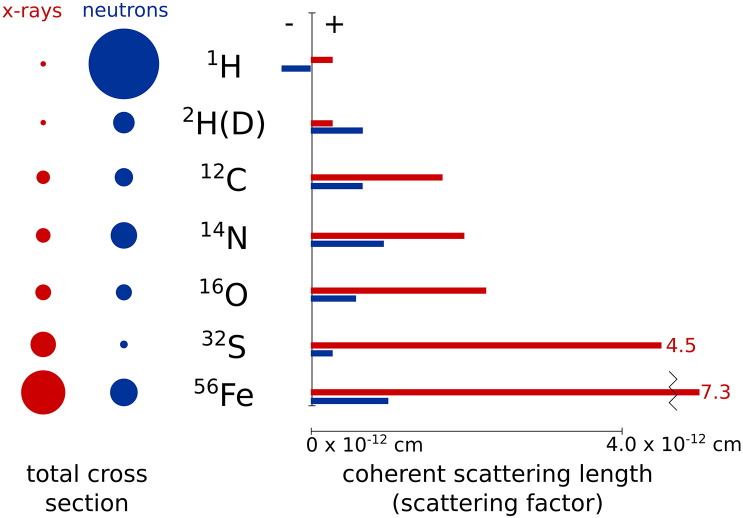
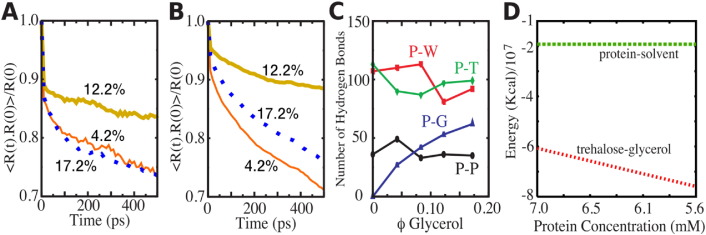
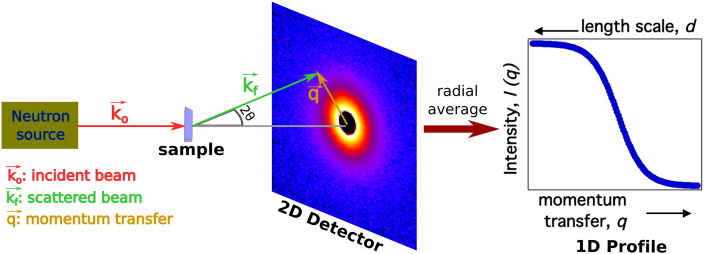
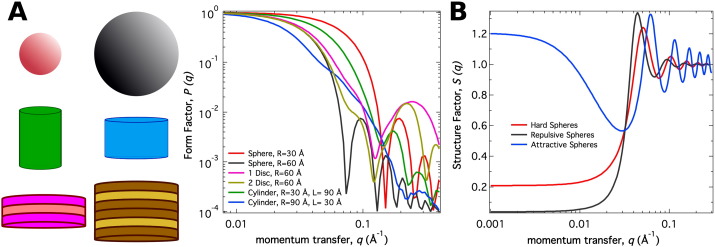
In order to increase shelf life and minimize aggregation during storage, many biotherapeutic drugs are formulated and stored as either frozen solutions or lyophilized powders. However, characterizing amorphous solids can be challenging with the commonly available set of biophysical measurements used for proteins in liquid solutions. Therefore, some questions remain regarding the structure of the active pharmaceutical ingredient during freezing and drying of the drug product and the molecular role of excipients. Neutron scattering is a powerful technique to study structure and dynamics of a variety of systems in both solid and liquid phases. Moreover, neutron scattering experiments can generally be correlated with theory and molecular simulations to analyze experimental data. In this article, we focus on the use of neutron techniques to address problems of biotechnological interest. We describe the use of small-angle neutron scattering to study the solution structure of biological molecules and the packing arrangement in amorphous phases, that is, frozen glasses and freeze-dried protein powders. In addition, we discuss the use of neutron spectroscopy to measure the dynamics of glassy systems at different time and length scales. Overall, we expect that the present article will guide and prompt the use of neutron scattering to provide unique insights on many of the outstanding questions in biotechnology.
为了延长保质期并尽量减少储存期间的聚集现象,许多生物治疗药物被制成冷冻溶液或冻干粉末进行配制和储存。然而,使用常用于液体溶液中蛋白质的一套常规生物物理测量方法来表征无定形固体可能具有挑战性。因此,关于药物产品冷冻和干燥过程中活性药物成分的结构以及辅料的分子作用,仍存在一些问题。中子散射是研究各种固液相系统的结构和动力学的有力技术。此外,中子散射实验通常可以与理论和分子模拟相关联,以分析实验数据。在本文中,我们重点关注利用中子技术解决生物技术领域感兴趣的问题。我们描述了使用小角中子散射来研究生物分子的溶液结构以及无定形相(即冷冻玻璃态和冻干蛋白质粉末)中的堆积排列。此外,我们讨论了使用中子光谱来测量不同时间和长度尺度下玻璃态系统的动力学。总体而言,我们期望本文将指导并促使人们利用中子散射为生物技术中许多悬而未决的问题提供独特见解。