Linu Jacob Abraham, Udupa Ms Namratha, Madhumathi D S, Lakshmaiah K C, Babu K Govind, Lokanatha D, Babu Mc Suresh, Lokesh K N, Rajeev L K, Rudresha A H
Kidwai Memorial Institute of Oncology, Bengaluru 560029, India.
Ecancermedicalscience. 2017 Jan 10;11:712. doi: 10.3332/ecancer.2017.712. eCollection 2017.
Acute erythroid leukaemia (AEL) is a rare subtype of acute myeloid leukaemia (AML), constituting <5% of all the cases of AML. The World Health Organization (WHO) in 2001 classified AEL into two types: (1) erythroid/myeloid leukaemia which required ≥50% erythroid precursors with ≥20% of the non-erythroid cells to be myeloid blasts and (2) pure erythroleukemia (pEL) with ≥80% erythroblasts. The WHO 2008 classification kept these subcategories, but made erythroleukemia a diagnosis of exclusion. There are very few studies on the clinico haematological and cytogenetic profile of this disease, considering the rarity of its occurrence and poor prognosis.
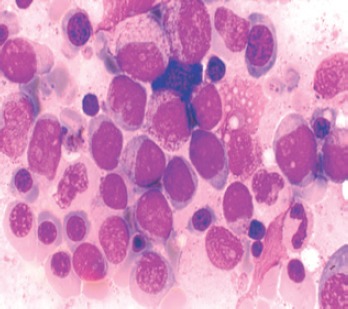
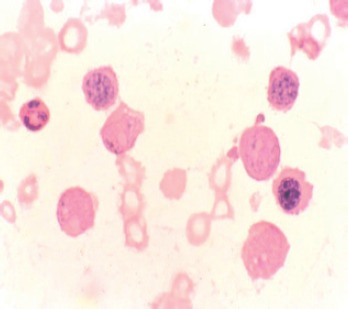
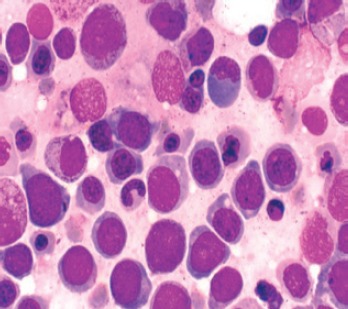
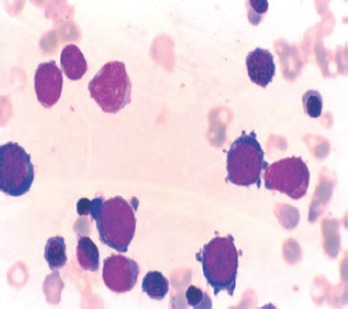
This study was done by retrospective analysis of data from 32 case files of patients diagnosed with AEL. Clinical details noted down were the demographic profile, peripheral blood smear details and bone marrow examination details: (1) blasts-erythroblasts and myeloblasts, (2) dysplasia in the cell lineages and (3) cytogenetic abnormalities.
The most common presenting symptom was fever. Pancytopenia at presentation was seen in 81.25% of patients. Dysplasia was observed in bone marrow in 100% of erythroblasts and in 40% of myeloblasts in erythroid/myeloid subtype. In pure myeloid subtype, myeloid and megakaryocytic dysplasias were not obvious. Complex karyotype was noticed only in patients of pEL.
AEL is a rare group of heterogeneous diseases with many neoplastic and non-neoplastic conditions mimicking the diagnosis. The clinical presentation and cytogenetics are also non-specific, presenting additional challenges to the diagnosis.
急性红白血病(AEL)是急性髓系白血病(AML)的一种罕见亚型,占所有AML病例的比例不到5%。2001年世界卫生组织(WHO)将AEL分为两种类型:(1)红系/髓系白血病,要求红系前体细胞≥50%,非红系细胞中≥20%为髓系原始细胞;(2)纯红白血病(pEL),幼红细胞≥80%。WHO 2008年分类保留了这些亚类,但将红白血病作为排除性诊断。鉴于该疾病发病率低且预后差,关于其临床血液学和细胞遗传学特征的研究非常少。
本研究通过回顾性分析32例诊断为AEL的患者病历数据进行。记录的临床细节包括人口统计学资料、外周血涂片细节和骨髓检查细节:(1)原始细胞 - 幼红细胞和原始粒细胞;(2)细胞系发育异常;(3)细胞遗传学异常。
最常见的首发症状是发热。81.25%的患者初诊时出现全血细胞减少。在红系/髓系亚型中,100%的幼红细胞和40%的原始粒细胞在骨髓中观察到发育异常。在纯髓系亚型中,髓系和巨核细胞发育异常不明显。仅在pEL患者中发现复杂核型。
AEL是一组罕见的异质性疾病,有许多肿瘤性和非肿瘤性疾病可模拟其诊断。临床表现和细胞遗传学也不具有特异性,给诊断带来了额外挑战。