Turner Ryan C, Naser Zachary J, Lucke-Wold Brandon P, Logsdon Aric F, Vangilder Reyna L, Matsumoto Rae R, Huber Jason D, Rosen Charles L
Department of Neurosurgery, West Virginia University, School of Medicine, Morgantown, WV 26506, USA; Center for Neuroscience, West Virginia University, School of Medicine, Morgantown, WV 26506, USA.
Center for Neuroscience, West Virginia University, School of Medicine, Morgantown, WV 26506, USA; Department of Basic Pharmaceutical Sciences, West Virginia University, School of Pharmacy, Morgantown, WV 26506, USA.
Neuroimmunol Neuroinflamm. 2017 Jan;4:6-15. doi: 10.20517/2347-8659.2016.40. Epub 2017 Jan 20.
Over 7 million traumatic brain injuries (TBI) are reported each year in the United States. However, treatments and neuroprotection following TBI are limited because secondary injury cascades are poorly understood. Lipopolysaccharide (LPS) administration before controlled cortical impact can contribute to neuroprotection. However, the underlying mechanisms and whether LPS preconditioning confers neuroprotection against closed-head injuries remains unclear.
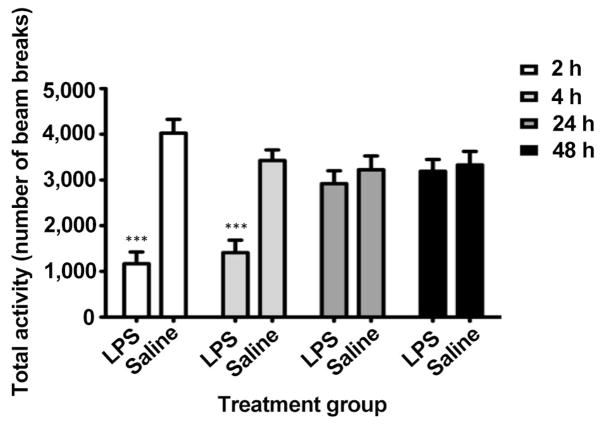
The authors hypothesized that preconditioning with a low dose of LPS (0.2 mg/kg) would regulate glial reactivity and protect against diffuse axonal injury induced by weight drop. LPS was administered 7 days prior to TBI. LPS administration reduced locomotion, which recovered completely by time of injury.
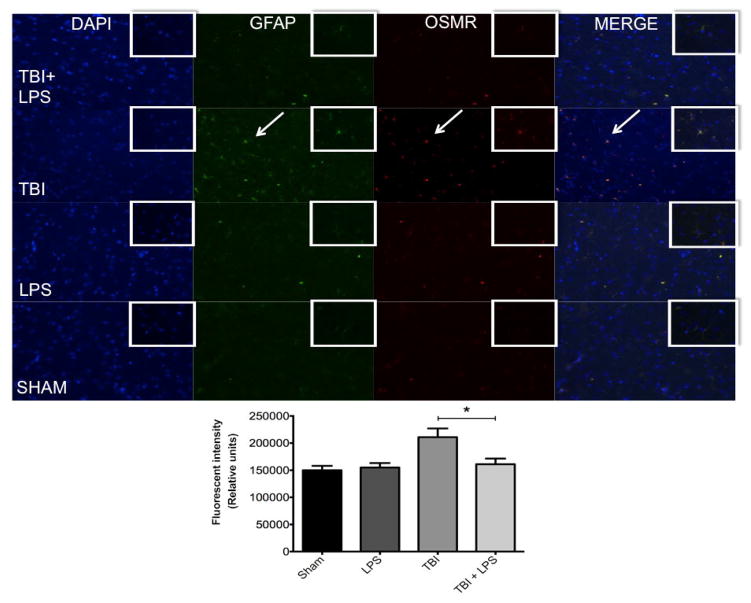
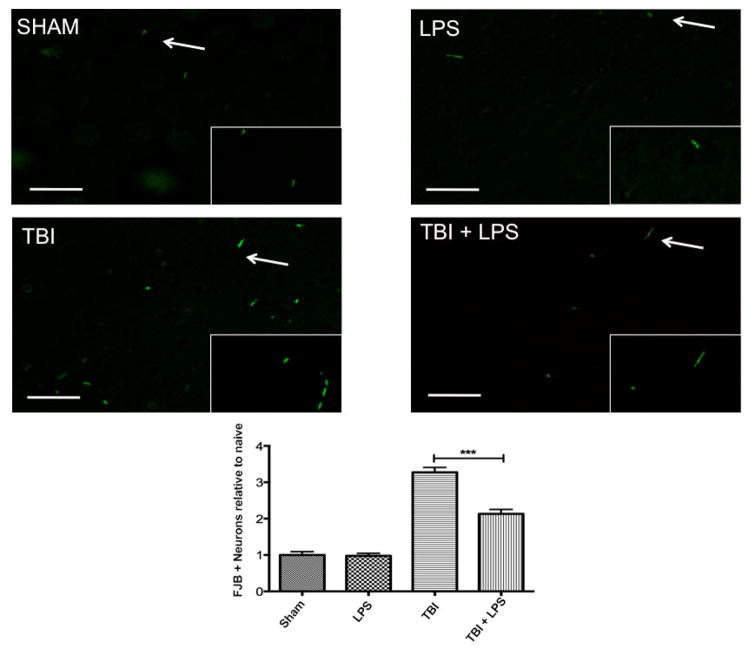
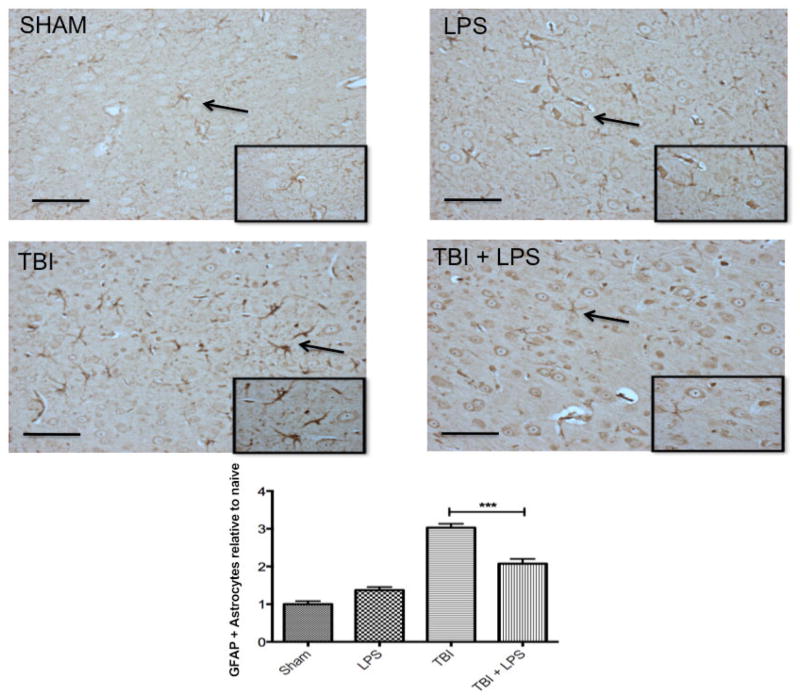
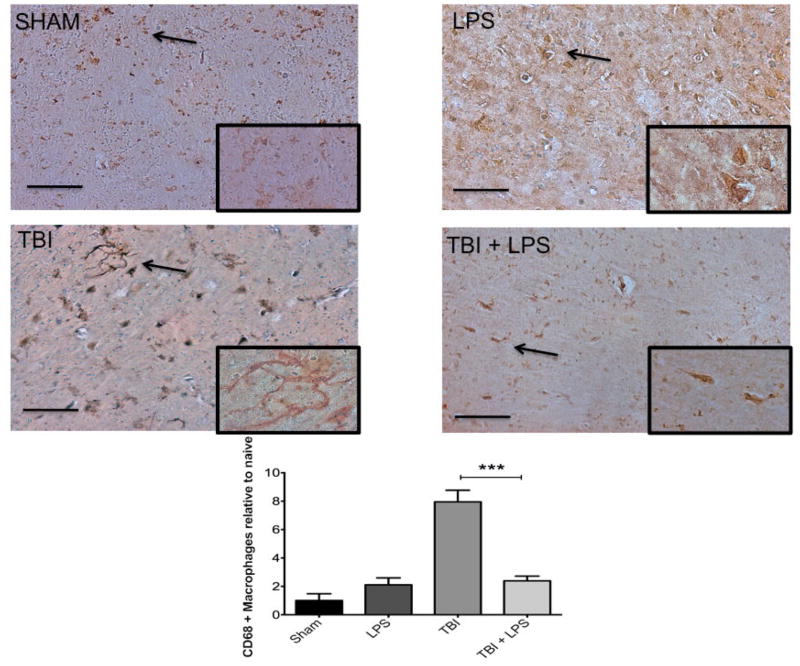
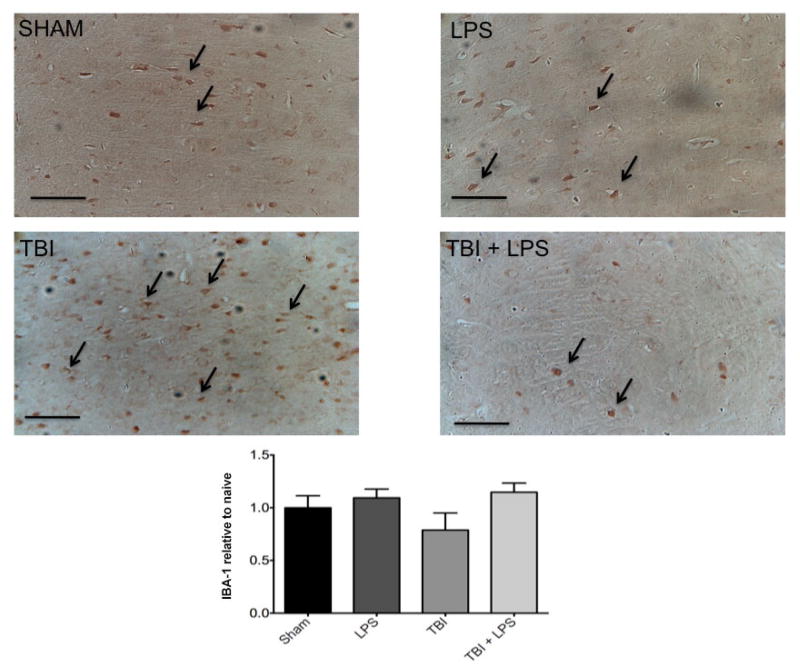
LPS preconditioning significantly reduced the post-injury gliosis response near the corpus callosum, possibly by downregulating the oncostatin M receptor. These novel findings demonstrate a protective role of LPS preconditioning against diffuse axonal injury. LPS preconditioning successfully prevented neurodegeneration near the corpus callosum, as measured by fluorojade B.
Further work is required to elucidate whether LPS preconditioning confers long-term protection against behavioral deficits and to elucidate the biochemical mechanisms responsible for LPS-induced neuroprotective effects.
在美国,每年报告的创伤性脑损伤(TBI)超过700万例。然而,由于对继发性损伤级联反应了解不足,TBI后的治疗和神经保护措施有限。在控制性皮质撞击前给予脂多糖(LPS)有助于神经保护。然而,其潜在机制以及LPS预处理是否能对闭合性颅脑损伤提供神经保护仍不清楚。
作者假设低剂量LPS(0.2mg/kg)预处理可调节胶质细胞反应性,并预防重物坠落所致的弥漫性轴索损伤。在TBI前7天给予LPS。LPS给药会降低运动能力,但在受伤时可完全恢复。
LPS预处理显著降低了胼胝体附近损伤后的胶质细胞增生反应,可能是通过下调抑瘤素M受体实现的。这些新发现证明了LPS预处理对弥漫性轴索损伤具有保护作用。通过荧光金B检测发现,LPS预处理成功预防了胼胝体附近的神经退行性变。
需要进一步开展研究,以阐明LPS预处理是否能对行为缺陷提供长期保护,以及阐明LPS诱导神经保护作用的生化机制。