Szabolcsi Viktoria, Albisetti Gioele W, Celio Marco R
Anatomy and Program in Neuroscience, Department of Medicine, University of Fribourg Fribourg, Switzerland.
Front Mol Neurosci. 2017 Jan 23;10:8. doi: 10.3389/fnmol.2017.00008. eCollection 2017.
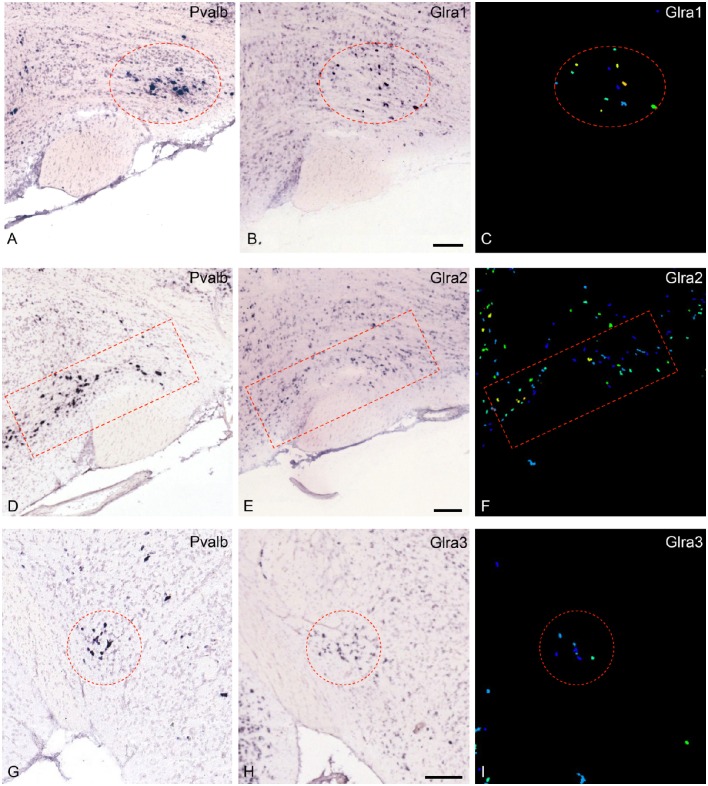
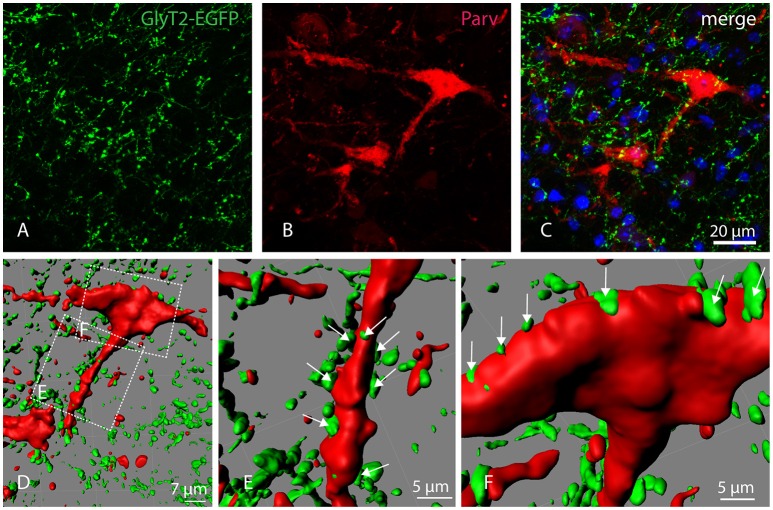
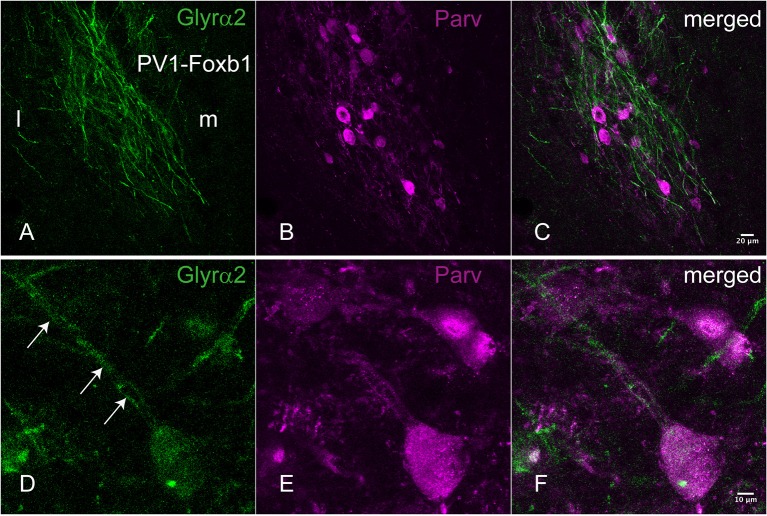
The ventrolateral hypothalamic parvafox (formerly called PV1-Foxb1) nucleus is an anatomical entity of recent discovery and unknown function. With a view to gaining an insight into its putative functional role(s), we conducted a gene-microarray analysis and, armed with the forthcoming data, controlled the results with the Allen databases and the murine BrainStars (B) database. The parvafox nucleus was specifically sampled by laser-capture microdissection and the transcriptome was subjected to a microarray analysis on Affymetrix chips. Eighty-two relevant genes were found to be potentially more expressed in this brain region than in either the cerebral cortex or the hippocampus. When the expression patterns of these genes were counterchecked in the Allen-Database of hybridizations and in the B-microarray database, their localization in the parvafox region was confirmed for thirteen. For nine novel genes, which are particularly interesting because of their possible involvement in neuromodulation, the expression was verified by quantitative real time-PCR. Of particular functional importance may be the occurrence of glycine receptors, the presence of which indicates that the activity of the parvafox nucleus is under ascending inhibitory control.
下丘脑腹外侧小狐(以前称为PV1-Foxb1)核是一个最近发现但功能未知的解剖实体。为了深入了解其假定的功能作用,我们进行了基因微阵列分析,并利用即将获得的数据,通过艾伦数据库和小鼠BrainStars(B)数据库对结果进行了对照验证。通过激光捕获显微切割对小狐核进行了特异性取样,并对转录组在Affymetrix芯片上进行了微阵列分析。发现82个相关基因在该脑区的表达可能比在大脑皮层或海马体中更高。当在艾伦杂交数据库和B微阵列数据库中对这些基因的表达模式进行复查时,其中13个基因在小狐区域的定位得到了证实。对于9个因其可能参与神经调节而特别有趣的新基因,通过定量实时PCR验证了它们的表达。特别具有功能重要性的可能是甘氨酸受体的存在,其表明小狐核的活动受到上行抑制性控制。