Ross Paul D, Guy Jacky, Selfridge Jim, Kamal Bushra, Bahey Noha, Tanner K Elizabeth, Gillingwater Thomas H, Jones Ross A, Loughrey Christopher M, McCarroll Charlotte S, Bailey Mark E S, Bird Adrian, Cobb Stuart
Institute of Neuroscience and Psychology, College of Medical, Veterinary & Life Sciences, University of Glasgow, Glasgow, UK.
Wellcome Trust Centre for Cell Biology, University of Edinburgh, Michael Swann Building, Edinburgh, UK.
Hum Mol Genet. 2016 Oct 15;25(20):4389-4404. doi: 10.1093/hmg/ddw269.
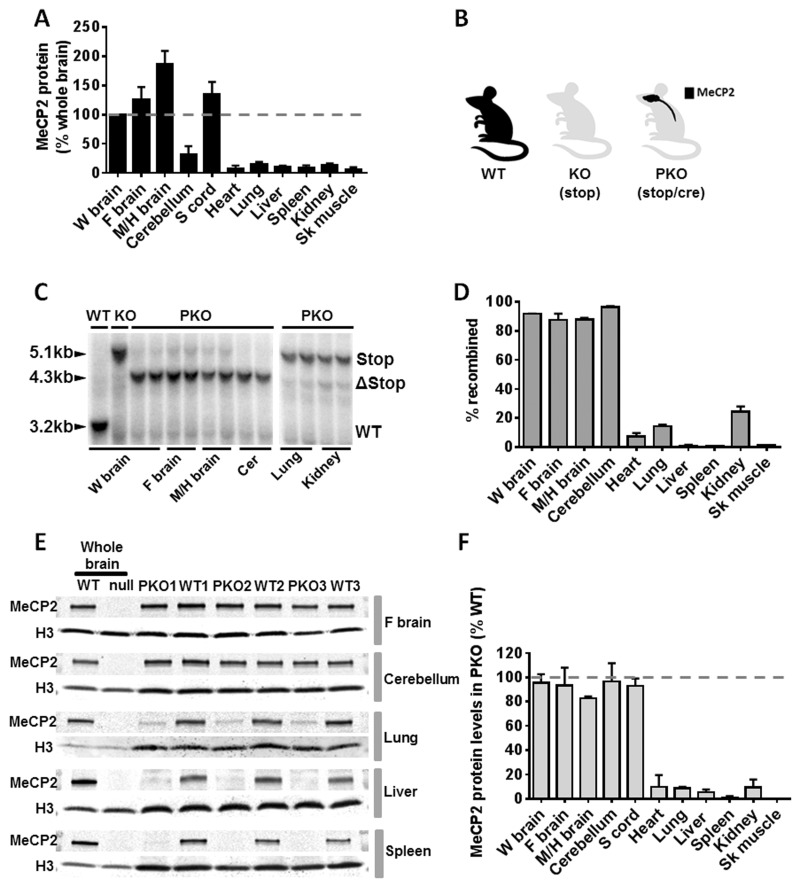
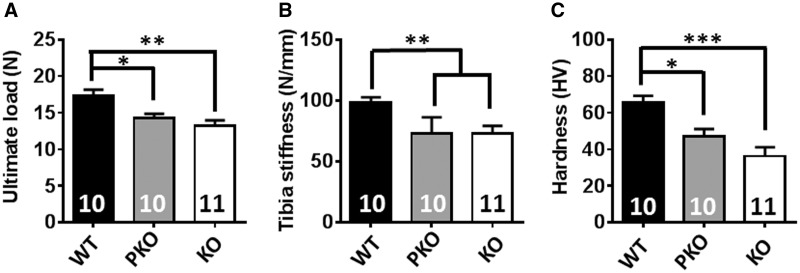
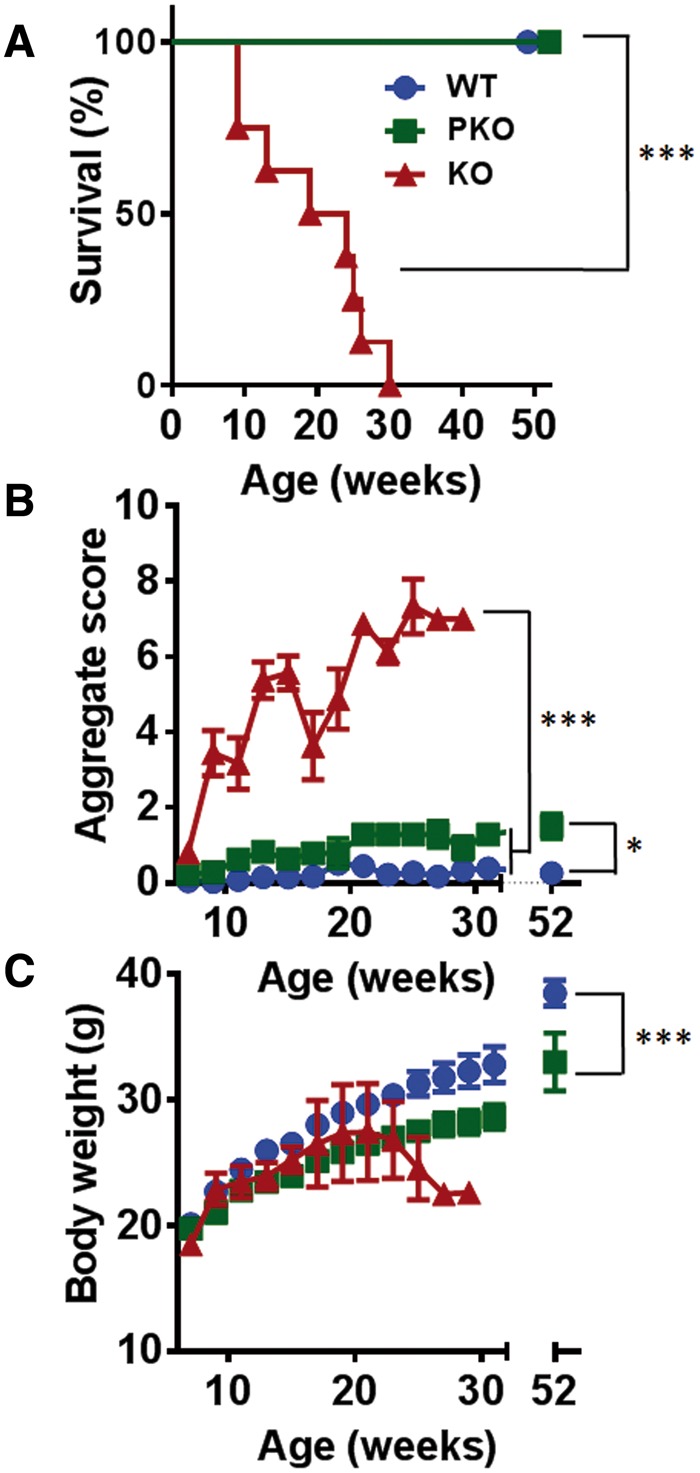
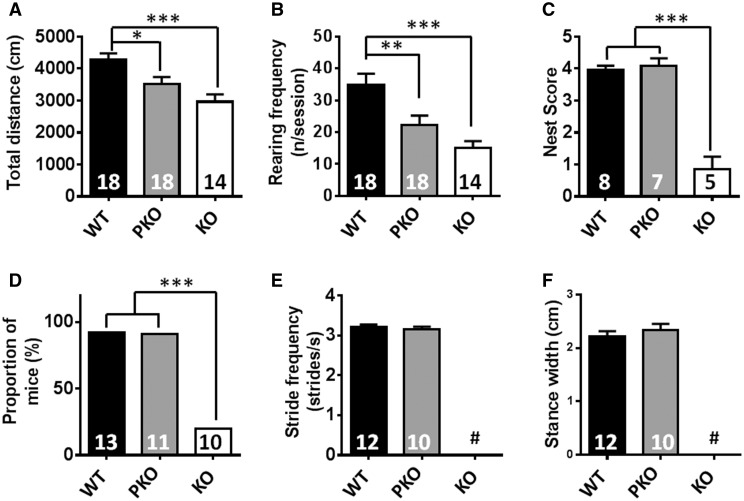
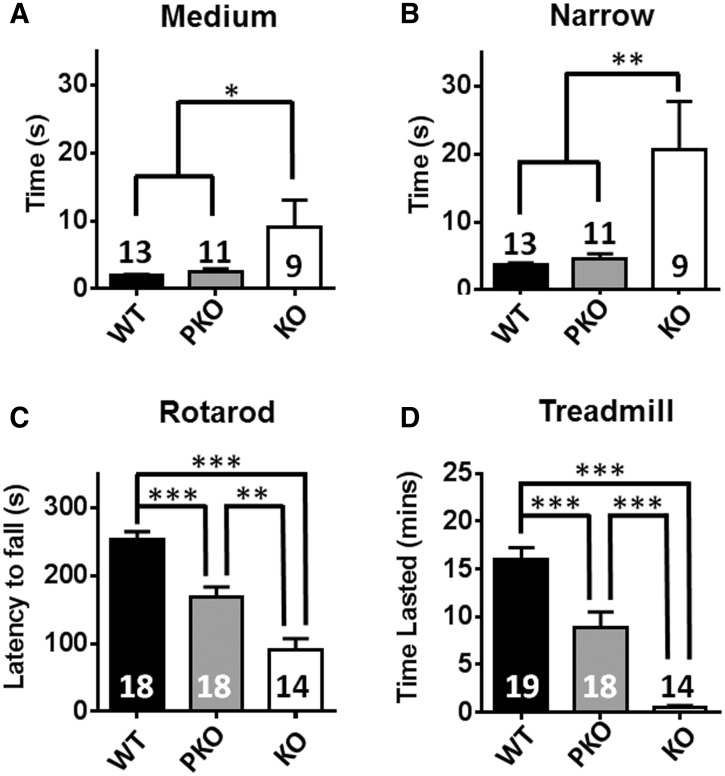
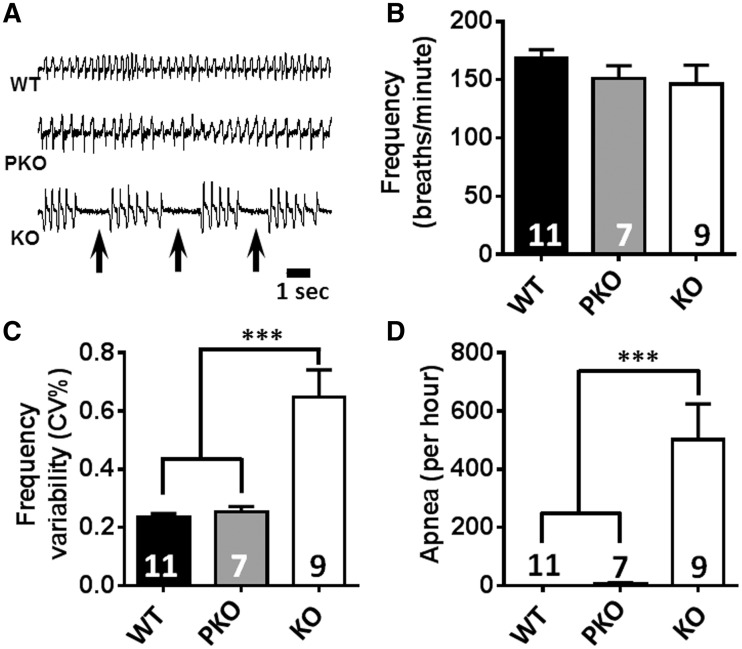
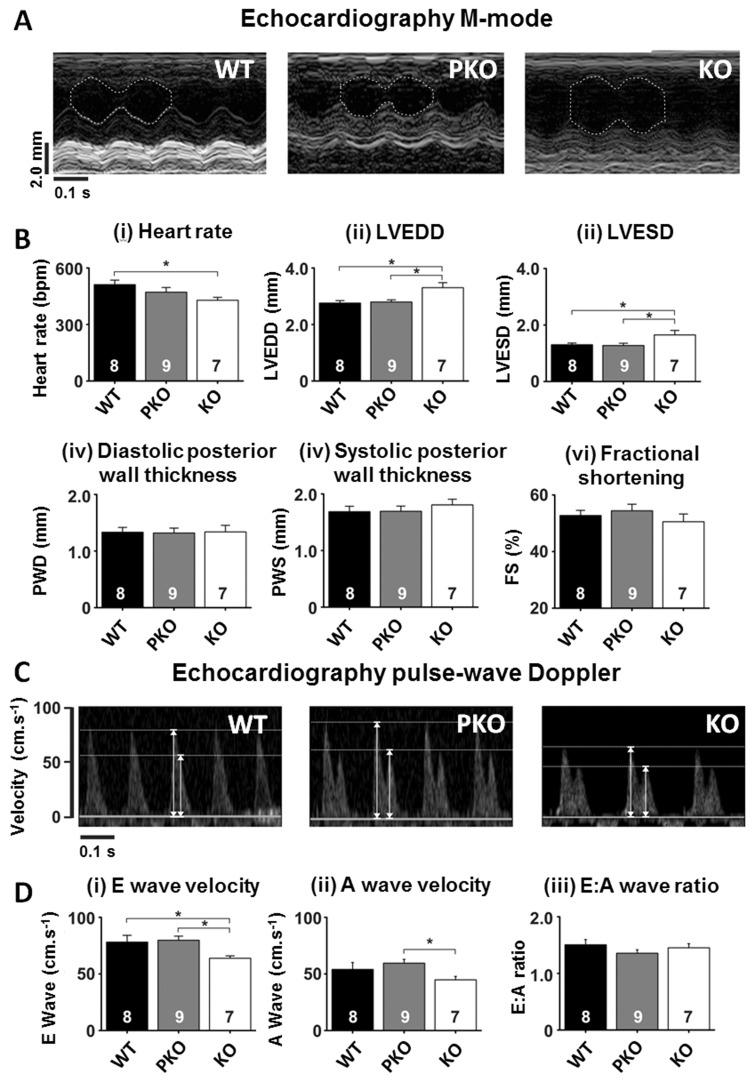
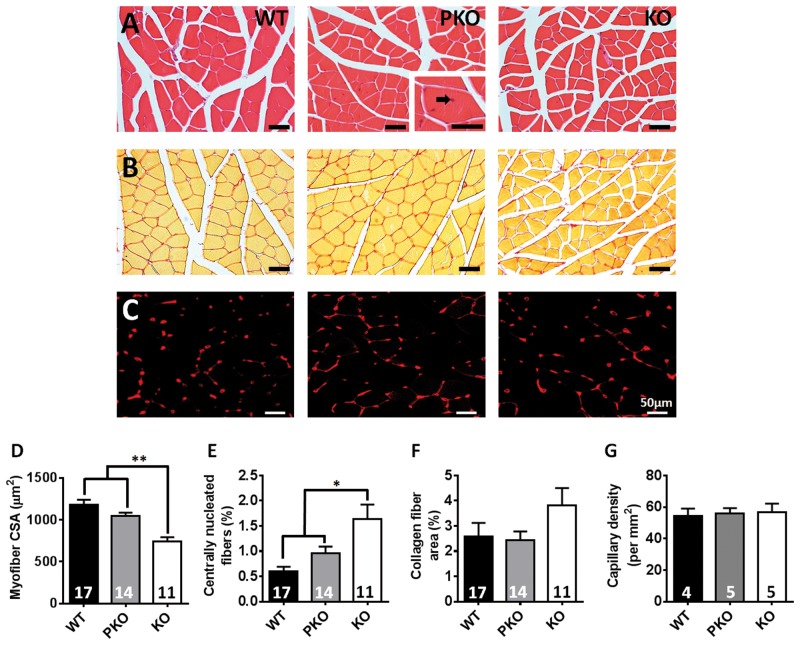
Rett syndrome (RTT) is a severe genetic disorder resulting from mutations in the X-linked MECP2 gene. MeCP2 protein is highly expressed in the nervous system and deficiency in the mouse central nervous system alone recapitulates many features of the disorder. This suggests that RTT is primarily a neurological disorder, although the protein is reportedly widely expressed throughout the body. To determine whether aspects of the RTT phenotype that originate in non-neuronal tissues might have been overlooked, we generated mice in which Mecp2 remains at near normal levels in the nervous system, but is severely depleted elsewhere. Comparison of these mice with wild type and globally MeCP2-deficient mice showed that the majority of RTT-associated behavioural, sensorimotor, gait and autonomic (respiratory and cardiac) phenotypes are absent. Specific peripheral phenotypes were observed, however, most notably hypo-activity, exercise fatigue and bone abnormalities. Our results confirm that the brain should be the primary target for potential RTT therapies, but also strongly suggest that some less extreme but clinically significant aspects of the disorder arise independently of defects in the nervous system.
雷特综合征(RTT)是一种由X连锁的MECP2基因突变引起的严重遗传性疾病。MeCP2蛋白在神经系统中高度表达,仅小鼠中枢神经系统中的缺乏就概括了该疾病的许多特征。这表明RTT主要是一种神经疾病,尽管据报道该蛋白在全身广泛表达。为了确定起源于非神经组织的RTT表型的各个方面是否可能被忽视,我们培育了这样的小鼠,其中Mecp2在神经系统中保持接近正常水平,但在其他地方严重减少。将这些小鼠与野生型和全身MeCP2缺陷型小鼠进行比较,结果显示大多数与RTT相关的行为、感觉运动、步态和自主(呼吸和心脏)表型均不存在。然而,观察到了特定的外周表型,最明显的是活动减少、运动疲劳和骨骼异常。我们的结果证实,大脑应该是潜在的RTT治疗的主要靶点,但也强烈表明该疾病的一些不太严重但具有临床意义的方面独立于神经系统缺陷而出现。