Neurochemical Research Unit, Department of Psychiatry, University of Alberta, 116th St and 85th Ave NW, Edmonton, AB T6G2R3, Canada.
Neuroscience and Mental Health Institute, University of Alberta, Edmonton, AB T6G 2R3, Canada.
Mol Neurobiol. 2018 Feb;55(2):1477-1487. doi: 10.1007/s12035-017-0422-9. Epub 2017 Feb 7.
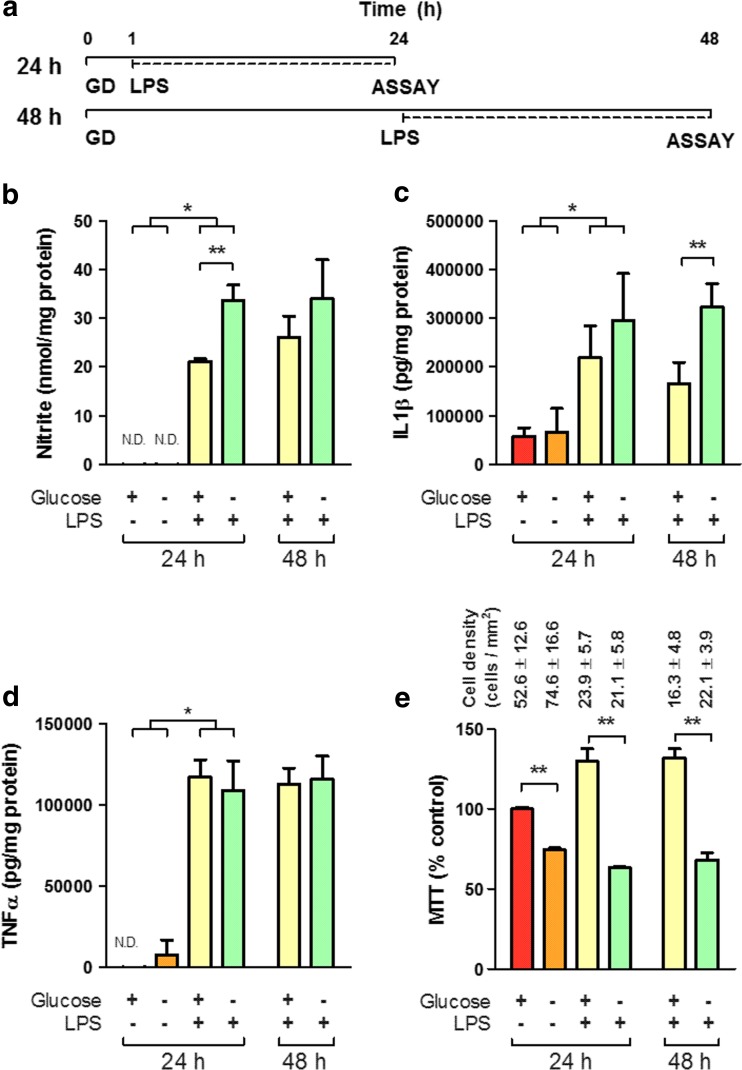
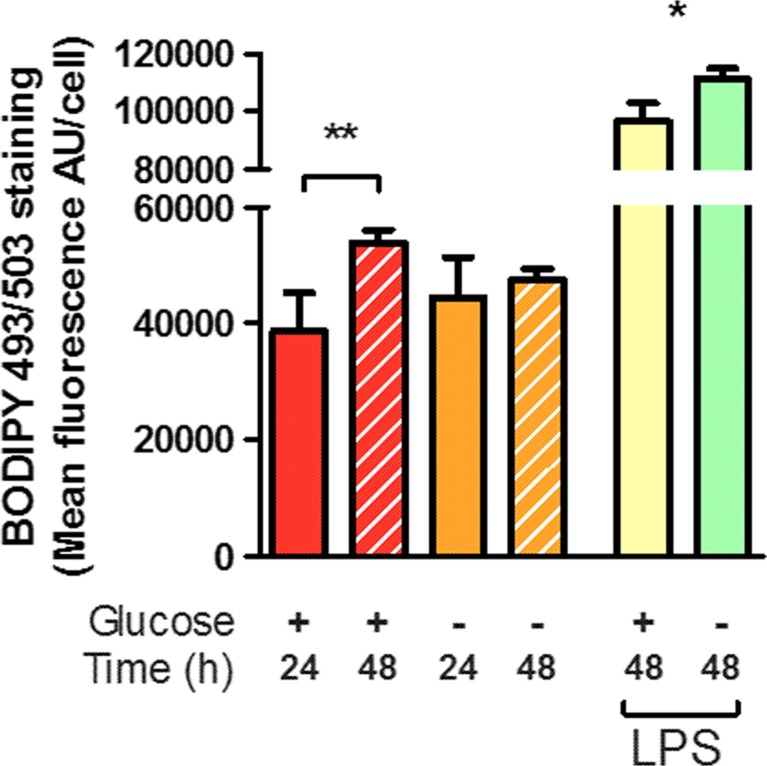
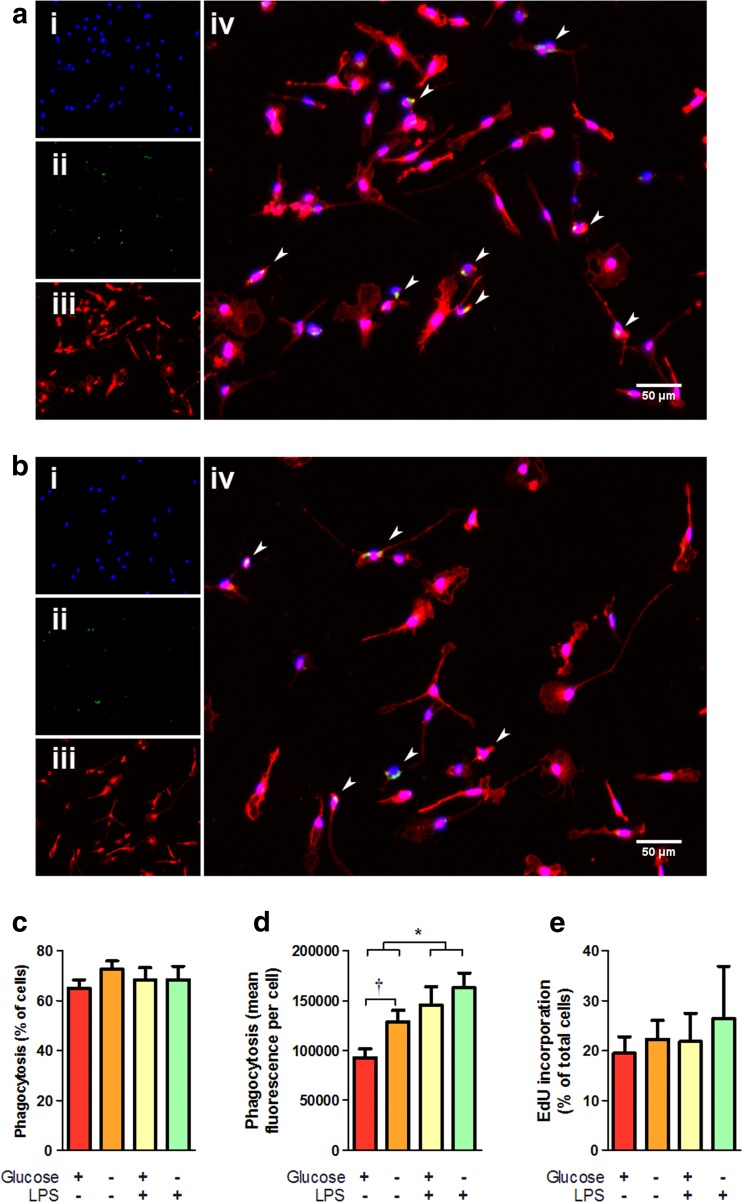
Inflammation is increasingly recognized as a contributor to the pathophysiology of neuropsychiatric disorders, including depression, anxiety disorders and autism, though the factors leading to contextually inappropriate or sustained inflammation in pathological conditions are yet to be elucidated. Microglia, as the key mediators of inflammation in the CNS, serve as likely candidates in initiating pathological inflammation and as an ideal point of therapeutic intervention. Glucose deprivation, as a component of the pathophysiology of ischemia or occurring transiently in diabetes, may serve to modify microglial function contributing to inflammatory injury. To this end, primary microglia were cultured from postnatal rat brain and subject to glucose deprivation in vitro. Microglia were characterized for their proliferation, phagocytic function and secretion of inflammatory factors, and tested for their capacity to respond to a potent inflammatory stimulus. In the absence of glucose, microglia remained capable of proliferation, phagocytosis and inflammatory activation and showed increased release of inflammatory factors after presentation of an inflammatory stimulus. Glucose-deprived microglia demonstrated increased phagocytic activity and decreased accumulation of lipids in lipid droplets over a 48-h timecourse, suggesting they may use scavenged lipids as a key alternate energy source during metabolic stress. In the present manuscript, we present novel findings that glucose deprivation may sensitize microglial release of inflammatory mediators and prime microglial functions for both survival and inflammatory roles, which may contribute to psychiatric comorbidities of ischemia, diabetes and/or metabolic disorder.
炎症越来越被认为是神经精神疾病(包括抑郁症、焦虑症和自闭症)病理生理学的一个促成因素,但导致病理条件下炎症出现不适当或持续的因素尚未阐明。小胶质细胞作为中枢神经系统炎症的主要调节者,可能是引发病理性炎症的候选者,也是治疗干预的理想靶点。葡萄糖剥夺作为缺血病理生理学的一个组成部分,或在糖尿病中短暂发生,可能会改变小胶质细胞的功能,导致炎症损伤。为此,我们从新生大鼠脑中培养原代小胶质细胞,并在体外进行葡萄糖剥夺实验。我们对小胶质细胞的增殖、吞噬功能和炎症因子分泌进行了特征分析,并检测了它们对有效炎症刺激的反应能力。在没有葡萄糖的情况下,小胶质细胞仍能增殖、吞噬和炎症激活,并在炎症刺激后表现出炎症因子释放增加。在 48 小时的时间过程中,葡萄糖剥夺的小胶质细胞表现出吞噬活性增加和脂滴中脂质积累减少,表明它们可能在代谢应激期间利用吞噬的脂质作为关键的替代能源。在本研究中,我们提出了新的发现,即葡萄糖剥夺可能会使小胶质细胞释放炎症介质变得敏感,并使小胶质细胞的功能为存活和炎症作用做好准备,这可能会导致缺血、糖尿病和/或代谢紊乱的精神共病。