Akhgari Maryam, Mobaraki Homeira, Etemadi-Aleagha Afshar
Department of Forensic Toxicology, Legal Medicine Research Center, Legal Medicine Organization, Old Ghom Road, 500 meters after Beheste Zahra, 1816153141, Tehran, Iran.
Department of Forensic Pathology, Legal Medicine Research Center, Legal Medicine Organization, Tehran, Iran.
Daru. 2017 Feb 17;25(1):5. doi: 10.1186/s40199-017-0170-4.
Methamphetamine abuse is a worldwide health concern. Methamphetamine causes health hazards in many vital organs. It can cause damage to cardiac tissue via catecholamines release. Methamphetamine related deaths are becoming one of the most important problems in Iran. The purpose of the present study was to determine cardiac pathology in methamphetamine poisoning-related deaths.
The study included 100 cases of methamphetamine poisoning-related deaths and 100 cases as control group. Toxicology analysis of liver, gastric content, bile, urine, blood and vitreous humor were conducted to detect drugs, poisons and alcohols using thin layer chromatography, gas chromatography/mass spectrometry, and high performance liquid chromatography. Positive toxicology analysis results except for amphetamine and methamphetamine were excluded from the study in order to omit interfering factors. The most striking features of cardiac damage were observed by light microscopy.
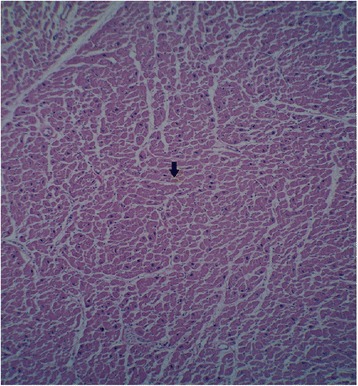
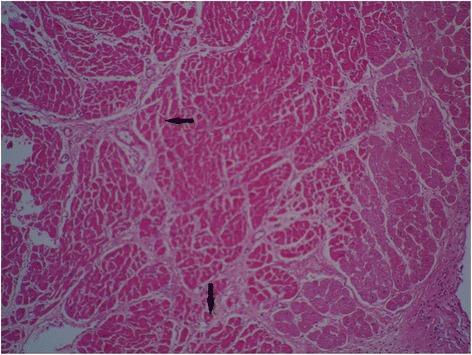
Methamphetamine and amphetamine were detected in either urine or gastric content samples. In all of the cases methamphetamine toxicity was determined to be a direct cause of death by forensic medicine practitioner. Cardiovascular pathology was noted in 68% of studied cases. The most common histopathologic features were myocardial fiber hypertrophy, mild, moderate to severe atherosclerosis and focal degeneration/necrosis.
The results of the present study indicate that cardiotoxicity is one of the major contributing factors in methamphetamine poisoning related deaths. Overall, the current study highlights the fact that cardiotoxic effects of methamphetamine can explain increasing reports of heart failure and consequently death in young abusers.
Not applicable. Histopathological study of cardiac lesions in methamphetamine poisoning-related deaths.
甲基苯丙胺滥用是一个全球性的健康问题。甲基苯丙胺会对许多重要器官造成健康危害。它可通过儿茶酚胺释放对心脏组织造成损害。与甲基苯丙胺相关的死亡正成为伊朗最重要的问题之一。本研究的目的是确定与甲基苯丙胺中毒相关死亡中的心脏病理学情况。
该研究纳入了100例与甲基苯丙胺中毒相关的死亡病例和100例作为对照组。使用薄层色谱法、气相色谱/质谱法和高效液相色谱法对肝脏、胃内容物、胆汁、尿液、血液和玻璃体液进行毒理学分析,以检测药物、毒物和酒精。为了排除干扰因素,将除苯丙胺和甲基苯丙胺外的阳性毒理学分析结果排除在研究之外。通过光学显微镜观察心脏损伤的最显著特征。
在尿液或胃内容物样本中检测到甲基苯丙胺和苯丙胺。在所有病例中,法医确定甲基苯丙胺中毒是直接死因。在68%的研究病例中发现了心血管病理学变化。最常见的组织病理学特征是心肌纤维肥大、轻度、中度至重度动脉粥样硬化以及局灶性变性/坏死。
本研究结果表明,心脏毒性是与甲基苯丙胺中毒相关死亡的主要促成因素之一。总体而言,当前研究突出了这样一个事实,即甲基苯丙胺的心脏毒性作用可以解释年轻滥用者中心力衰竭报告增加以及随之而来的死亡情况。
不适用。甲基苯丙胺中毒相关死亡中心脏病变的组织病理学研究。