Department of Nephrology, The First Affiliated Hospital of Chongqing Medical University, Youyi Road 1, Chongqing, 400042, China.
Emergency Department, The First Affiliated Hospital of Chongqing Medical University, Youyi Road 1, Chongqing, 400042, China.
Sci Rep. 2017 Feb 22;7:42764. doi: 10.1038/srep42764.
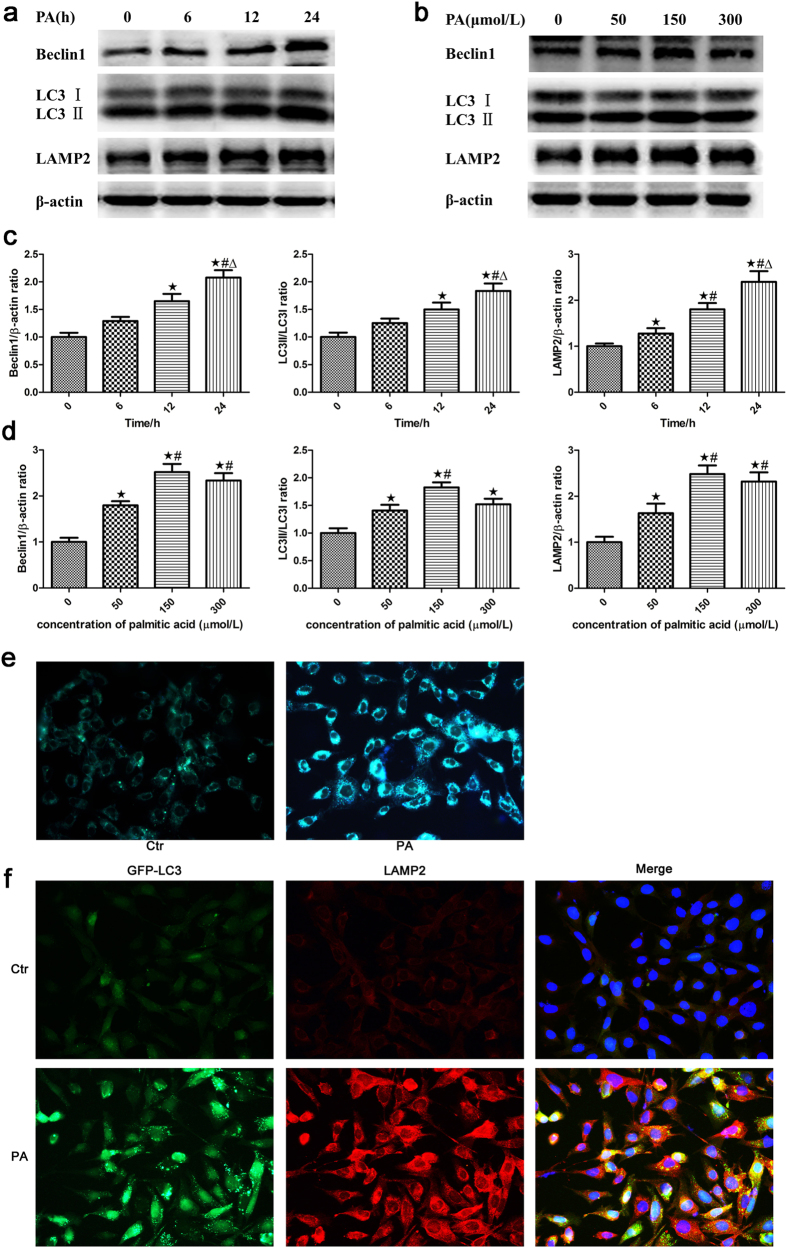
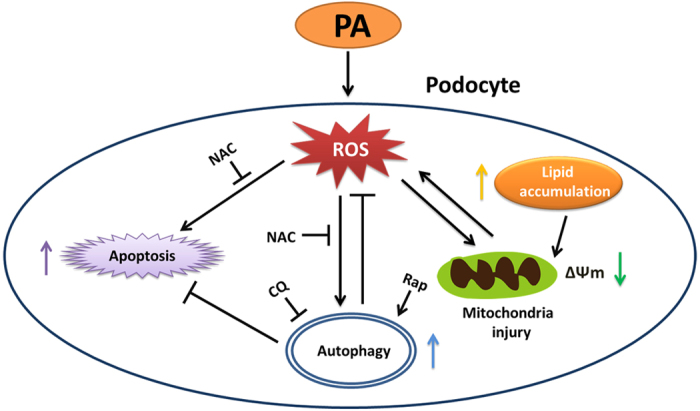
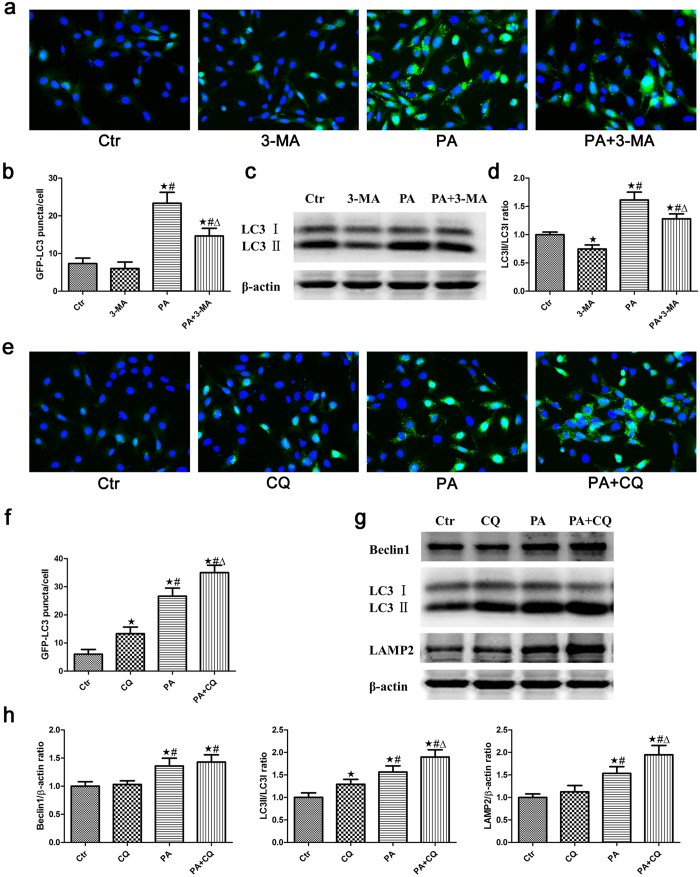
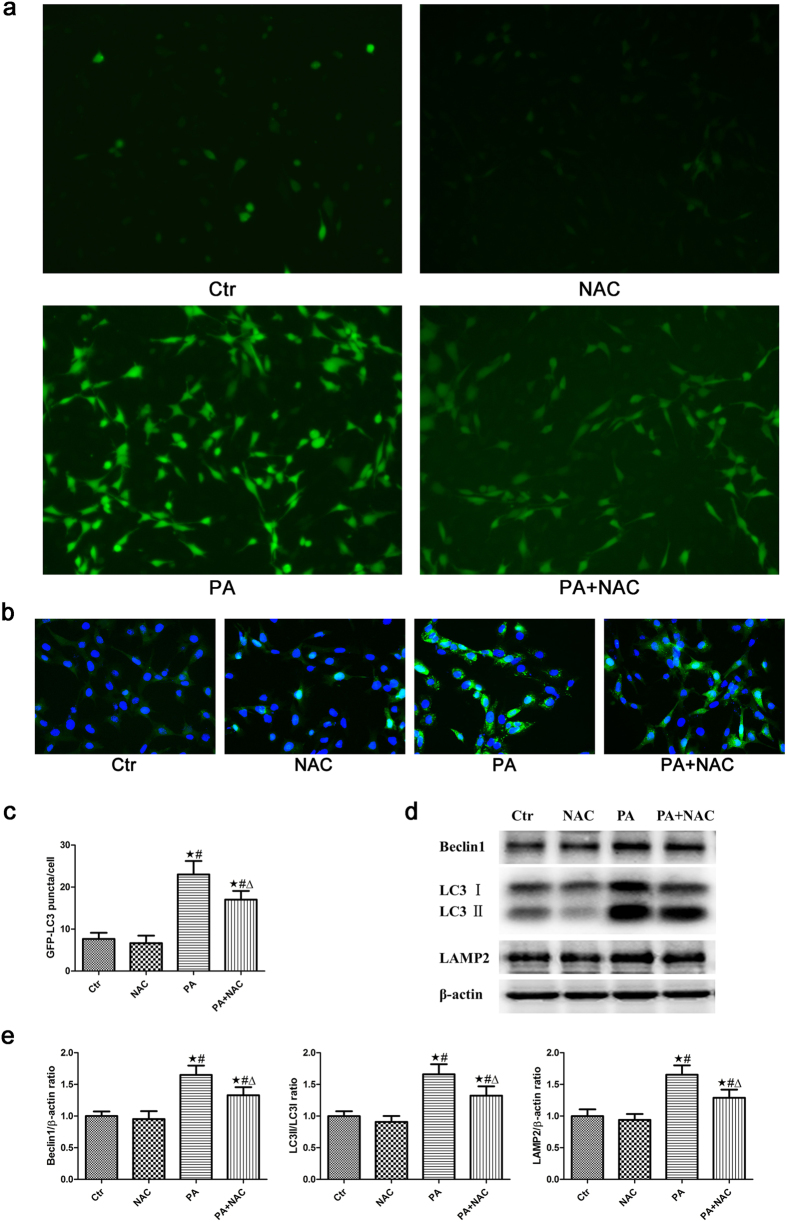
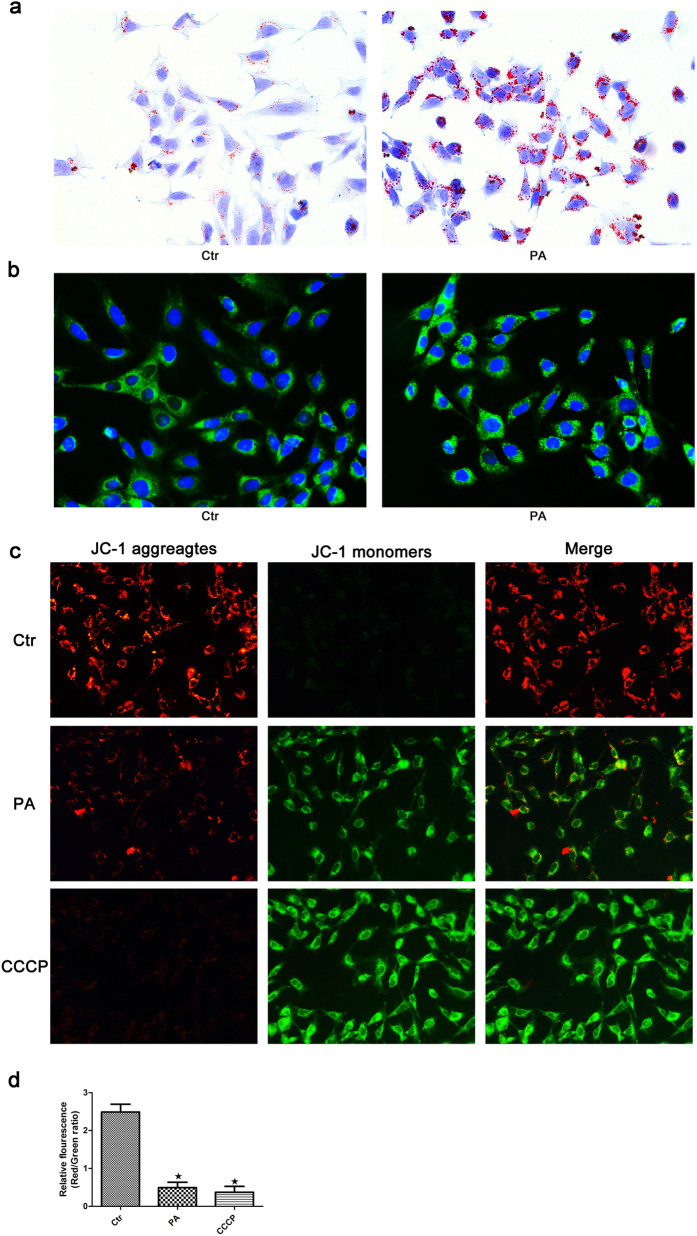
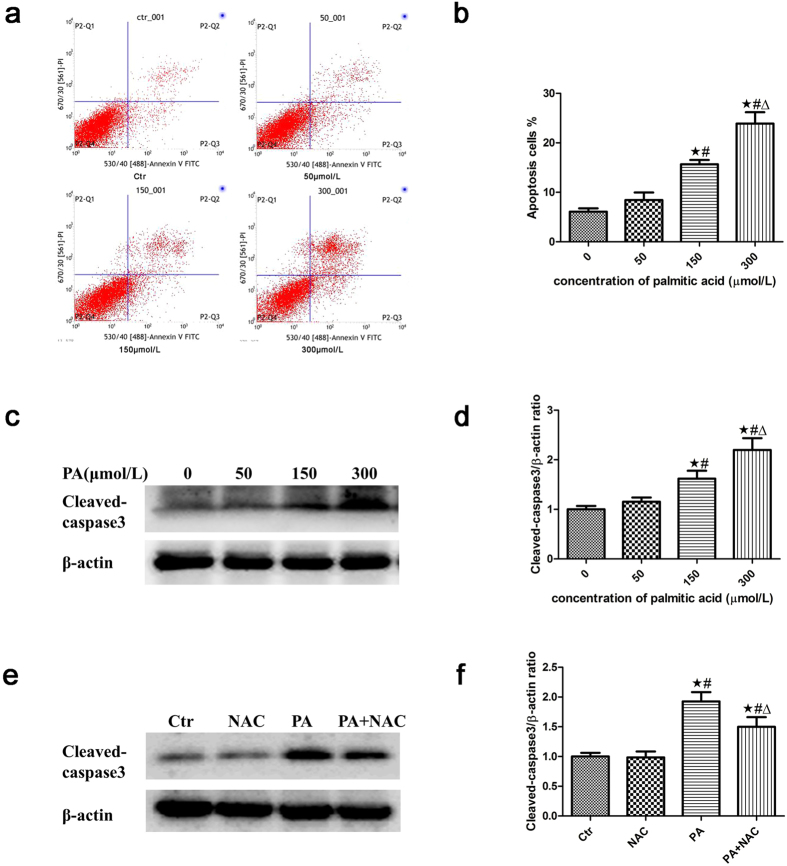
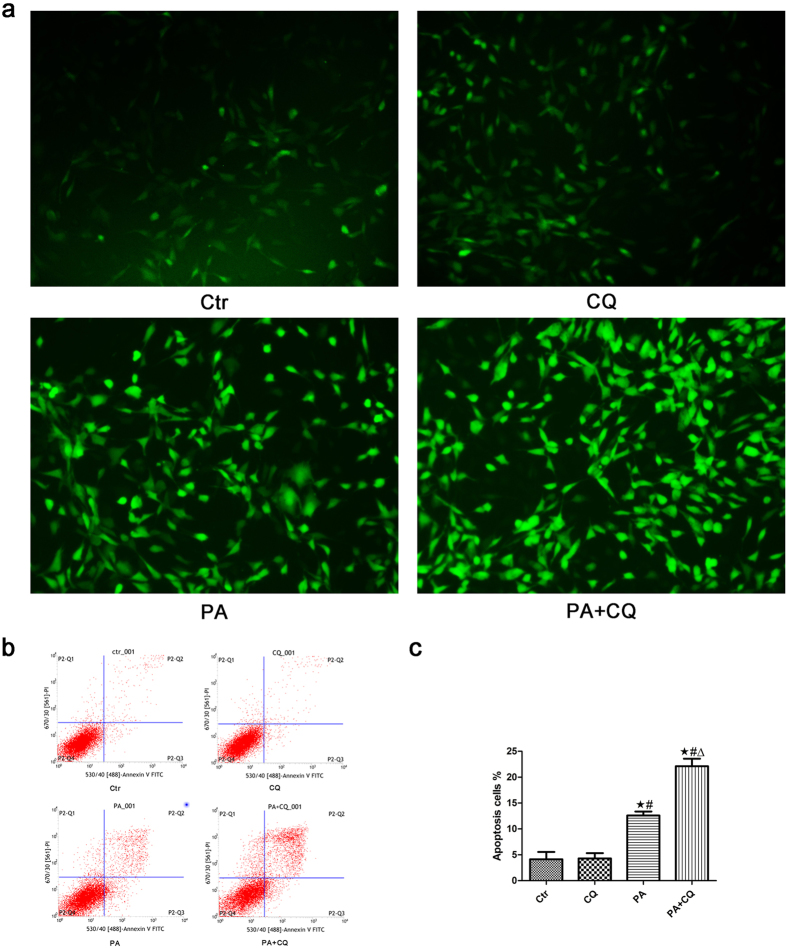
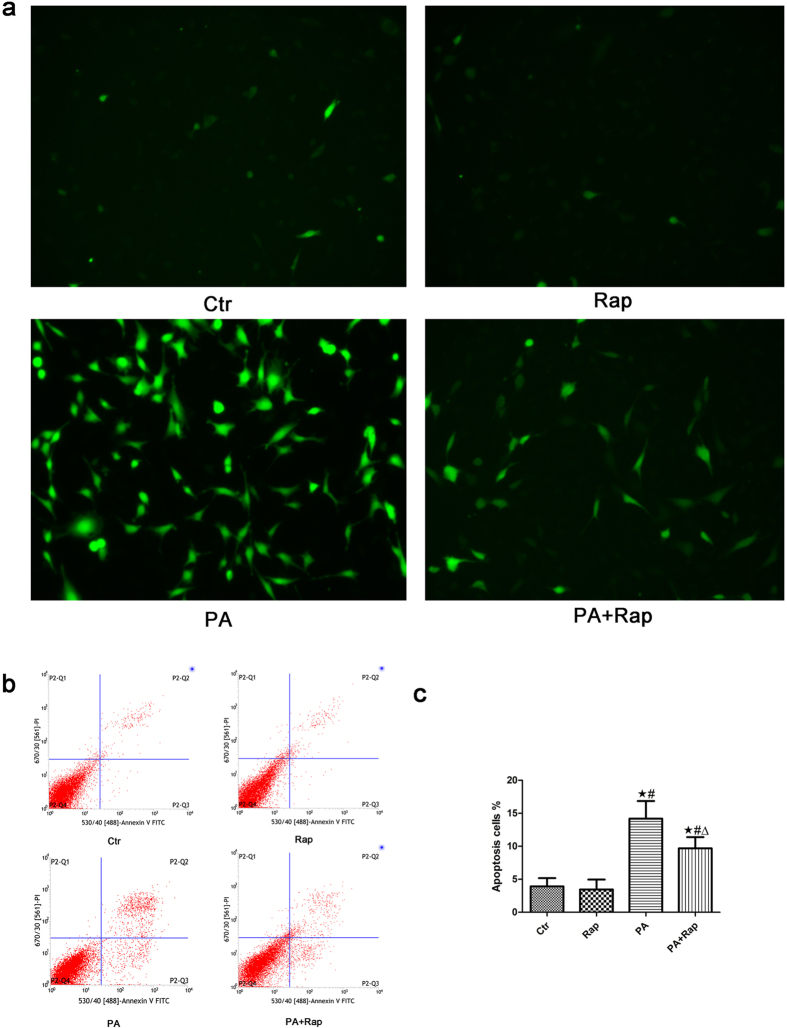
Autophagy is a highly conserved degradation process that is involved in the clearance of proteins and damaged organelles to maintain intracellular homeostasis and cell integrity. Type 2 diabetes is often accompanied by dyslipidemia with elevated levels of free fatty acids (FFAs). Podocytes, as an important component of the filtration barrier, are susceptible to lipid disorders. The loss of podocytes causes proteinuria, which is involved in the pathogenesis of diabetic nephropathy. In the present study, we demonstrated that palmitic acid (PA) promoted autophagy in podocytes. We further found that PA increased the production of reactive oxygen species (ROS) in podocytes and that NAC (N-acetyl-cysteine), a potent antioxidant, significantly eliminated the excessive ROS and suppressed autophagy, indicating that the increased generation of ROS was associated with the palmitic acid-induced autophagy in podocytes. Moreover, we also found that PA stimulation decreased the mitochondrial membrane potential in podocytes and induced podocyte apoptosis, while the inhibition of autophagy by chloroquine (CQ) enhanced palmitic acid-induced apoptosis accompanied by increased ROS generation, and the stimulation of autophagy by rapamycin (Rap) remarkably suppressed palmitic acid-induced ROS generation and apoptosis. Taken together, these in vitro findings suggest that PA-induced autophagy in podocytes is mediated by ROS production and that autophagy plays a protective role against PA-induced podocyte apoptosis.
自噬是一种高度保守的降解过程,参与清除蛋白质和受损细胞器,以维持细胞内的稳态和细胞完整性。2 型糖尿病常伴有血脂异常,游离脂肪酸(FFAs)水平升高。足细胞作为滤过屏障的重要组成部分,易发生脂质紊乱。足细胞丢失会导致蛋白尿,这与糖尿病肾病的发病机制有关。在本研究中,我们证明了棕榈酸(PA)促进了足细胞的自噬。我们进一步发现,PA 增加了足细胞中活性氧(ROS)的产生,而 NAC(N-乙酰半胱氨酸),一种有效的抗氧化剂,可显著消除过多的 ROS 并抑制自噬,表明 ROS 的产生增加与 PA 诱导的足细胞自噬有关。此外,我们还发现 PA 刺激降低了足细胞中的线粒体膜电位并诱导足细胞凋亡,而氯喹(CQ)抑制自噬增强了 PA 诱导的凋亡并伴随着 ROS 生成的增加,雷帕霉素(Rap)刺激自噬可显著抑制 PA 诱导的 ROS 生成和凋亡。综上所述,这些体外研究结果表明,PA 诱导的足细胞自噬是由 ROS 产生介导的,自噬对 PA 诱导的足细胞凋亡具有保护作用。