Panaccione Alex, Zhang Yi, Mi Yanfang, Mitani Yoshitsugu, Yan Guo, Prasad Manju L, McDonald W Hayes, El-Naggar Adel K, Yarbrough Wendell G, Ivanov Sergey V
Section of Otolaryngology, Department of Surgery, Yale School of Medicine, 789 Howard Avenue, New Haven, CT 06519, USA.
Department of Pathology, The University of Texas MD Anderson Cancer Center, 1515 Holcombe Boulevard, Houston, TX 77030, USA.
Oral Oncol. 2017 Mar;66:38-45. doi: 10.1016/j.oraloncology.2016.12.011. Epub 2017 Jan 9.
Mucinous adenocarcinoma of the salivary gland (MAC) is a lethal cancer with unknown molecular etiology and a high propensity to lymph node metastasis. Mostly due to its orphan status, MAC remains one of the least explored cancers that lacks cell lines and mouse models that could help translational and pre-clinical studies. Surgery with or without radiation remains the only treatment modality but poor overall survival (10-year, 44%) underscores the urgent need for mechanism-based therapies.
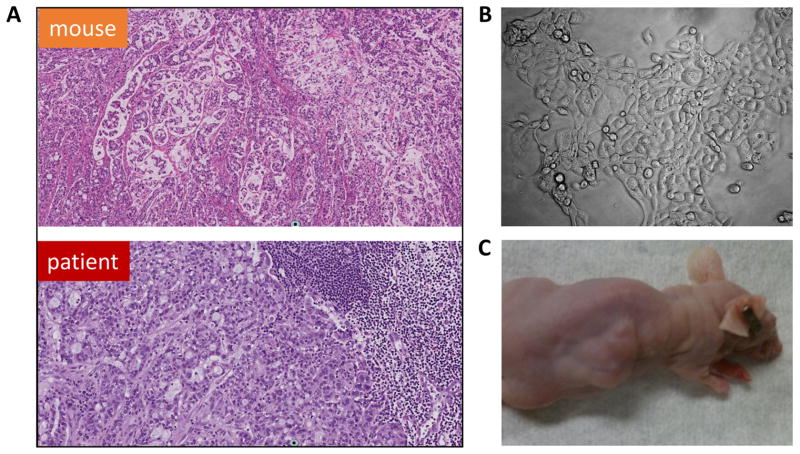
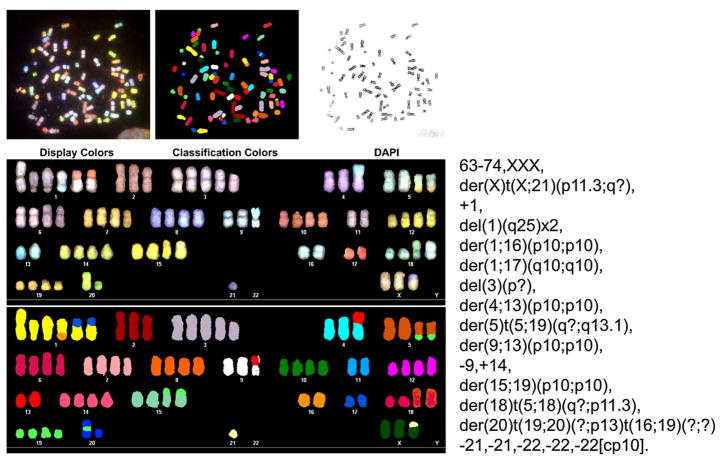
We developed the first patient-derived xenograft (PDX) model for pre-clinical MAC studies and a cell line that produces aggressively growing tumors after subcutaneous injection into nude mice. We performed cytogenetic, exome, and proteomic profiling of MAC to identify driving mutations, therapeutic targets, and pathways involved in aggressive cancers based on TCGA database mining and GEO analysis.
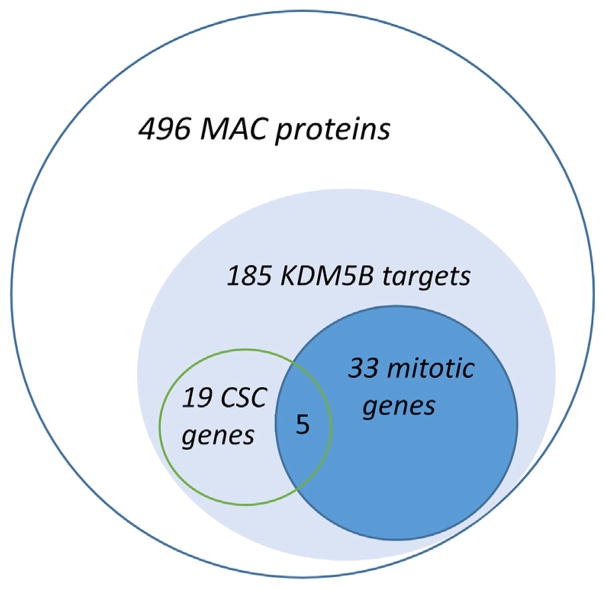
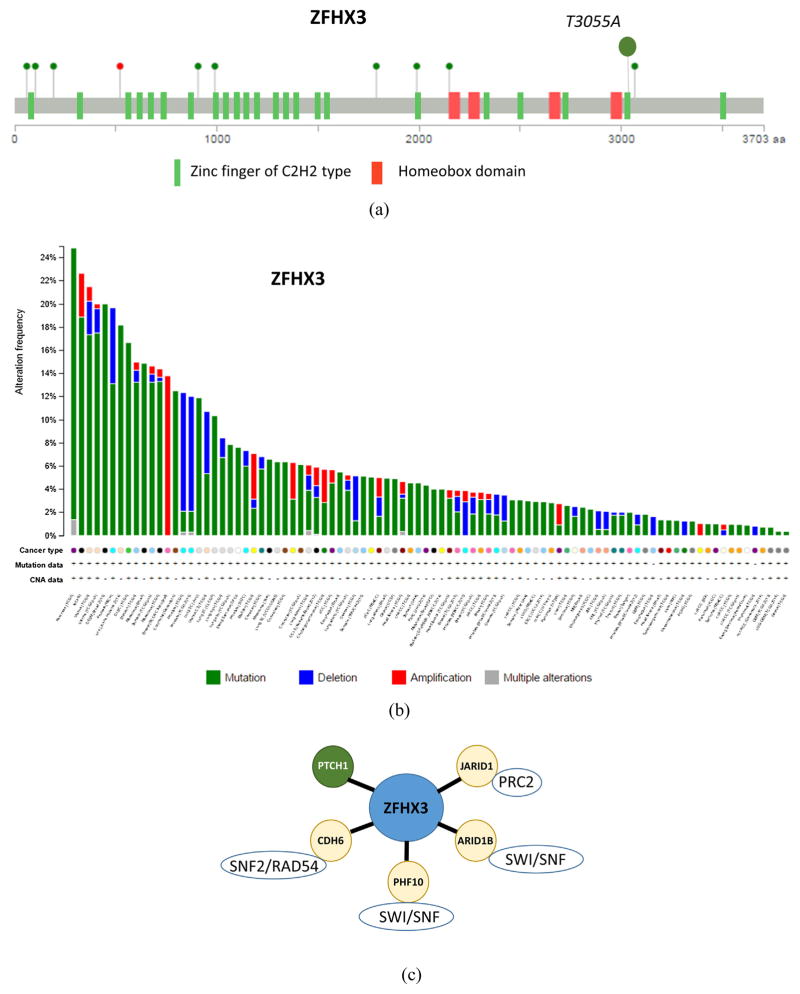
We identified in MAC KRAS (G13D) and TP53 (R213X) mutations that have been previously reported as drivers in a variety of highly aggressive cancers. Somatic mutations were also found in KDM6A, KMT2D, and other genes frequently mutated in colorectal and other cancers: FAT1, NBEA, RELN, RLP1B, and ZFHX3. Proteomic analysis of MAC implied epigenetic up-regulation of a genetic program involved in proliferation and cancer stem cell maintenance.
Genomic and proteomic analyses provided the first insight into potential molecular drivers of MAC metastases pointing at common mechanisms of CSC propagation in aggressive cancers. The in vitro/in vivo models that we created should aid in the development and validation of new treatment strategies against MAC.
涎腺黏液腺癌(MAC)是一种致命性癌症,其分子病因不明,且极易发生淋巴结转移。主要由于其罕见性,MAC仍是研究最少的癌症之一,缺乏可用于转化和临床前研究的细胞系和小鼠模型。手术联合或不联合放疗仍是唯一的治疗方式,但总体生存率较低(10年生存率为44%),这凸显了对基于机制的治疗方法的迫切需求。
我们开发了首个用于MAC临床前研究的患者来源异种移植(PDX)模型以及一种细胞系,该细胞系皮下注射到裸鼠后会产生生长迅速的肿瘤。我们对MAC进行了细胞遗传学、外显子组和蛋白质组分析,以基于TCGA数据库挖掘和GEO分析确定驱动突变、治疗靶点以及与侵袭性癌症相关的通路。
我们在MAC中鉴定出KRAS(G13D)和TP53(R213X)突变,这些突变先前已被报道为多种高度侵袭性癌症的驱动因素。在KDM6A、KMT2D以及在结直肠癌和其他癌症中经常发生突变的其他基因:FAT1、NBEA、RELN、RLP1B和ZFHX3中也发现了体细胞突变。MAC的蛋白质组分析表明,参与增殖和癌症干细胞维持的基因程序存在表观遗传上调。
基因组和蛋白质组分析首次深入了解了MAC转移的潜在分子驱动因素,指出了侵袭性癌症中癌症干细胞增殖的共同机制。我们创建的体外/体内模型应有助于开发和验证针对MAC的新治疗策略。