Chung Young C, Baek Jeong Y, Kim Sang R, Ko Hyuk W, Bok Eugene, Shin Won-Ho, Won So-Yoon, Jin Byung K
College of Pharmacy, Dongguk University, Goyang, Republic of Korea.
Department of Neuroscience, Graduate School, Kyung Hee University, Seoul, Republic of Korea.
Exp Mol Med. 2017 Mar 3;49(3):e298. doi: 10.1038/emm.2016.159.
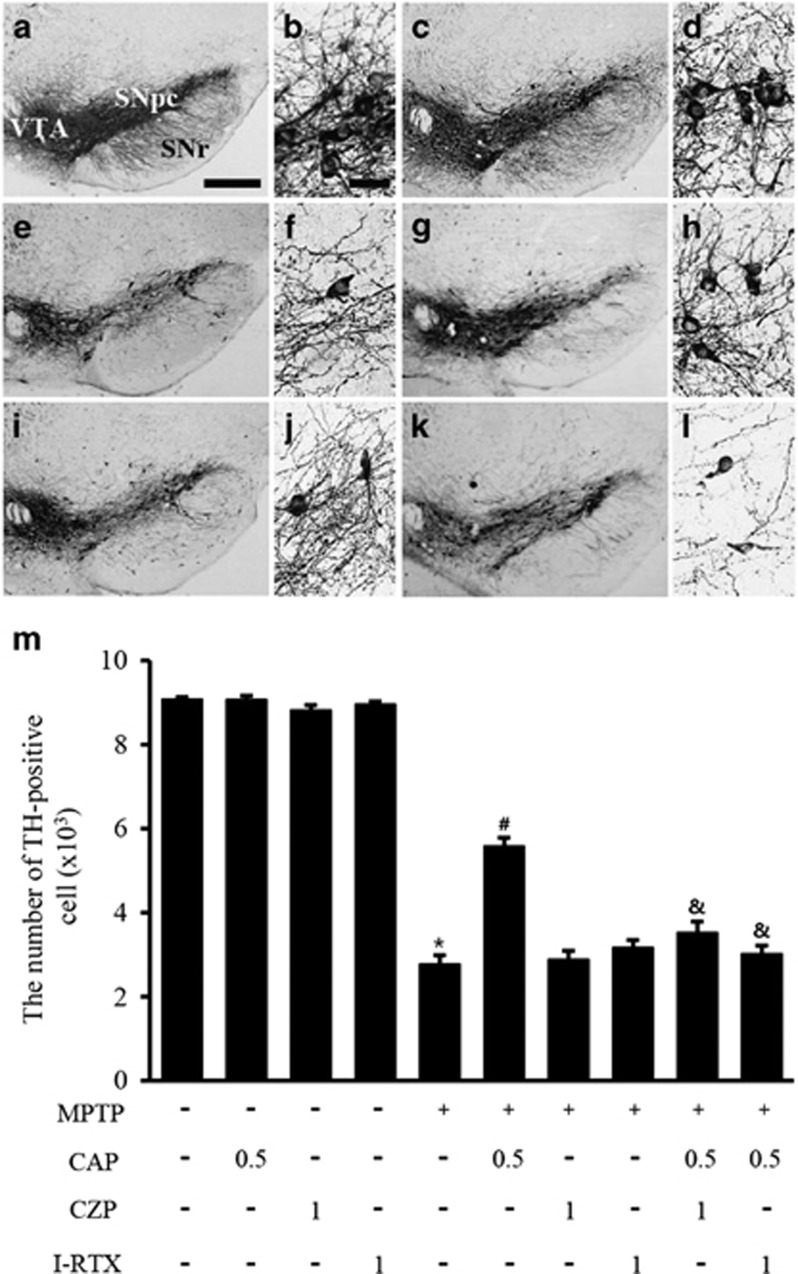
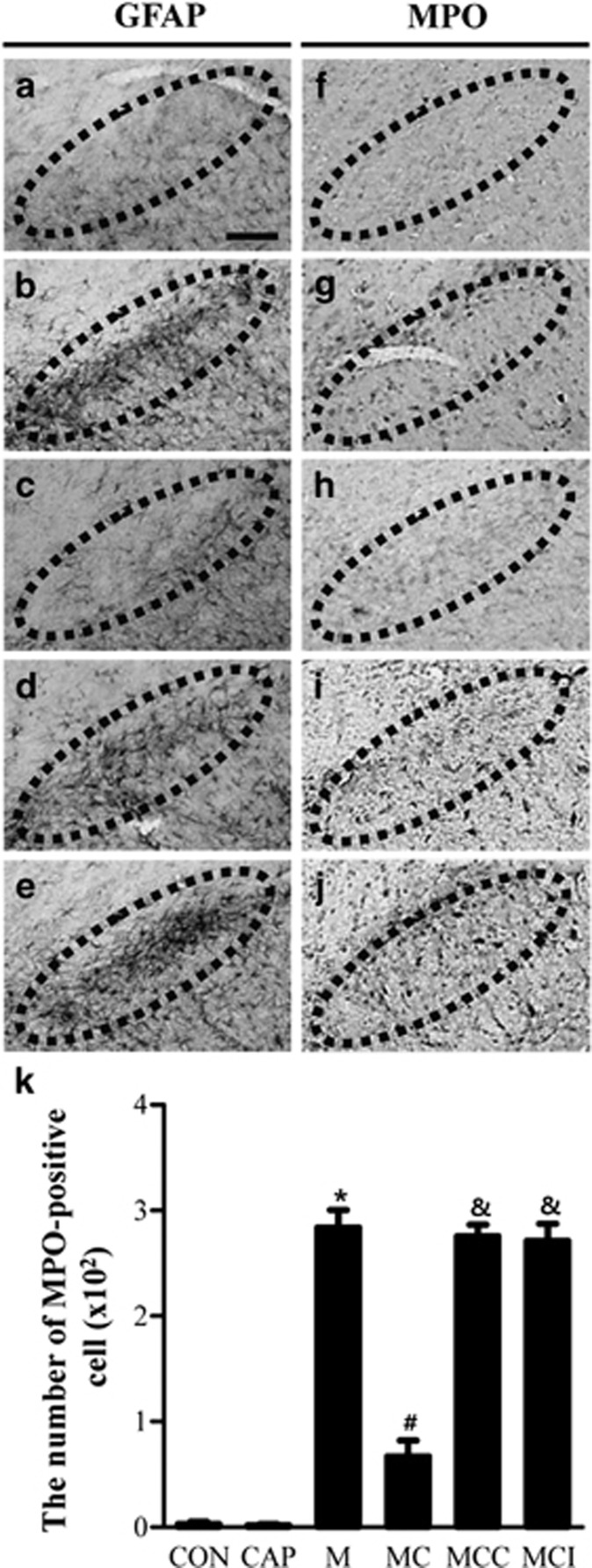
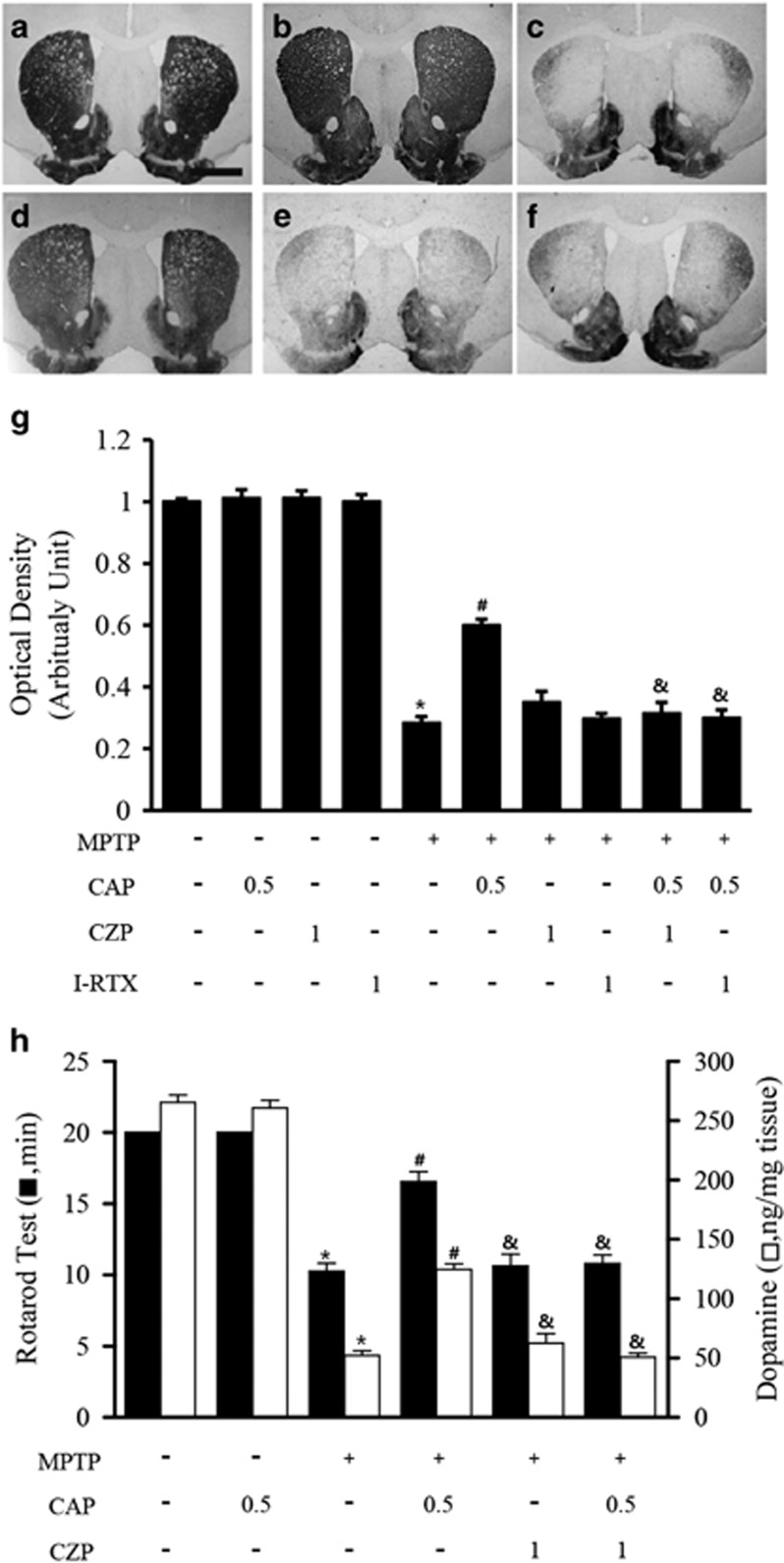
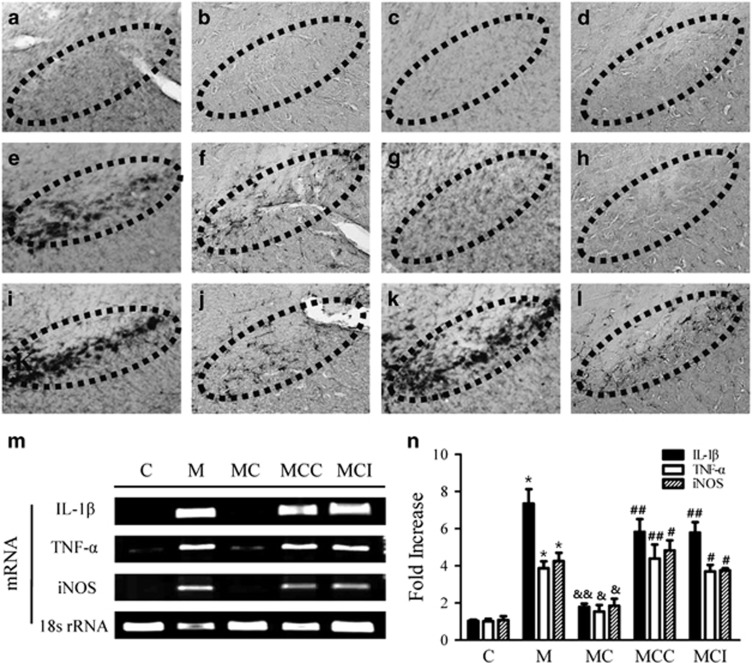
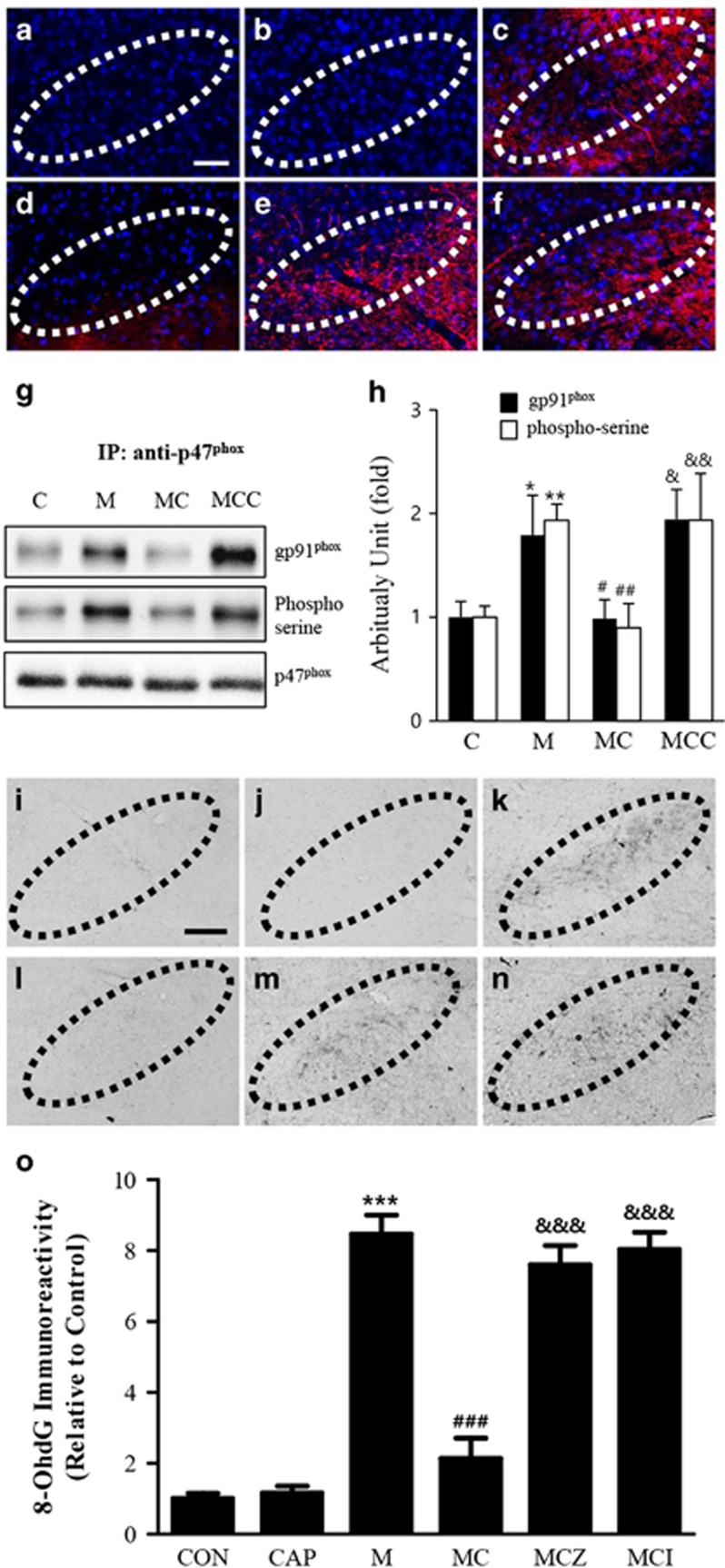
The effects of capsaicin (CAP), a transient receptor potential vanilloid subtype 1 (TRPV1) agonist, were determined on nigrostriatal dopamine (DA) neurons in the 1-methyl-4-phenyl-1,2,3,6-tetrahydropyridine (MPTP) mouse model of Parkinson's disease (PD). The results showed that TRPV1 activation by CAP rescued nigrostriatal DA neurons, enhanced striatal DA functions and improved behavioral recovery in MPTP-treated mice. CAP neuroprotection was associated with reduced expression of proinflammatory cytokines (tumor necrosis factor-α and interleukin-1β) and reactive oxygen species/reactive nitrogen species from activated microglia-derived NADPH oxidase, inducible nitric oxide synthase or reactive astrocyte-derived myeloidperoxidase. These beneficial effects of CAP were reversed by treatment with the TRPV1 antagonists capsazepine and iodo-resiniferatoxin, indicating TRPV1 involvement. This study demonstrates that TRPV1 activation by CAP protects nigrostriatal DA neurons via inhibition of glial activation-mediated oxidative stress and neuroinflammation in the MPTP mouse model of PD. These results suggest that CAP and its analogs may be beneficial therapeutic agents for the treatment of PD and other neurodegenerative disorders that are associated with neuroinflammation and glial activation-derived oxidative damage.
在帕金森病(PD)的1-甲基-4-苯基-1,2,3,6-四氢吡啶(MPTP)小鼠模型中,研究了瞬时受体电位香草酸亚型1(TRPV1)激动剂辣椒素(CAP)对黑质纹状体多巴胺(DA)神经元的影响。结果表明,CAP激活TRPV1可挽救黑质纹状体DA神经元,增强纹状体DA功能,并改善MPTP处理小鼠的行为恢复。CAP的神经保护作用与促炎细胞因子(肿瘤坏死因子-α和白细胞介素-1β)的表达降低以及活化的小胶质细胞衍生的NADPH氧化酶、诱导型一氧化氮合酶或活化的星形胶质细胞衍生的髓过氧化物酶产生的活性氧/活性氮物质减少有关。CAP的这些有益作用被TRPV1拮抗剂辣椒平(capsazepine)和碘树脂毒素(iodo-resiniferatoxin)处理所逆转,表明TRPV1参与其中。本研究表明,在MPTP小鼠PD模型中,CAP激活TRPV1通过抑制胶质细胞活化介导的氧化应激和神经炎症来保护黑质纹状体DA神经元。这些结果表明,CAP及其类似物可能是治疗PD和其他与神经炎症和胶质细胞活化衍生的氧化损伤相关的神经退行性疾病的有益治疗药物。