Xiao Na, Yang Le-Le, Yang Yi-Lin, Liu Li-Wei, Li Jia, Liu Baolin, Liu Kang, Qi Lian-Wen, Li Ping
State Key Laboratory of Natural Medicines, China Pharmaceutical University Nanjing, China.
Front Pharmacol. 2017 Feb 14;8:43. doi: 10.3389/fphar.2017.00043. eCollection 2017.
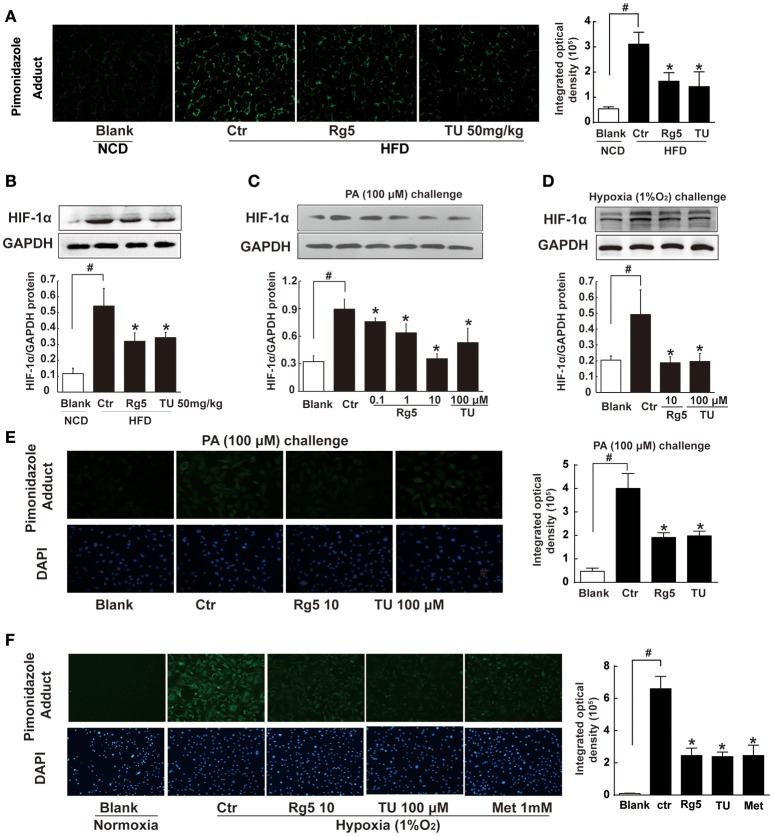
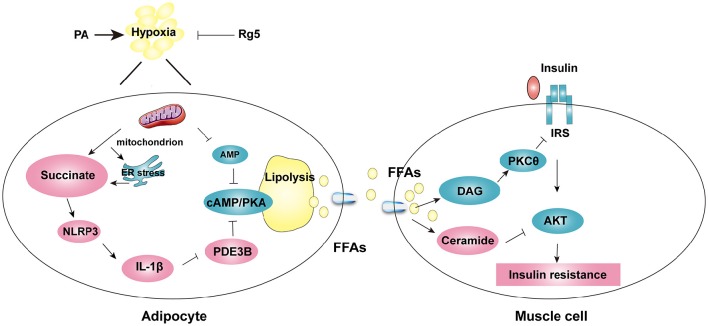
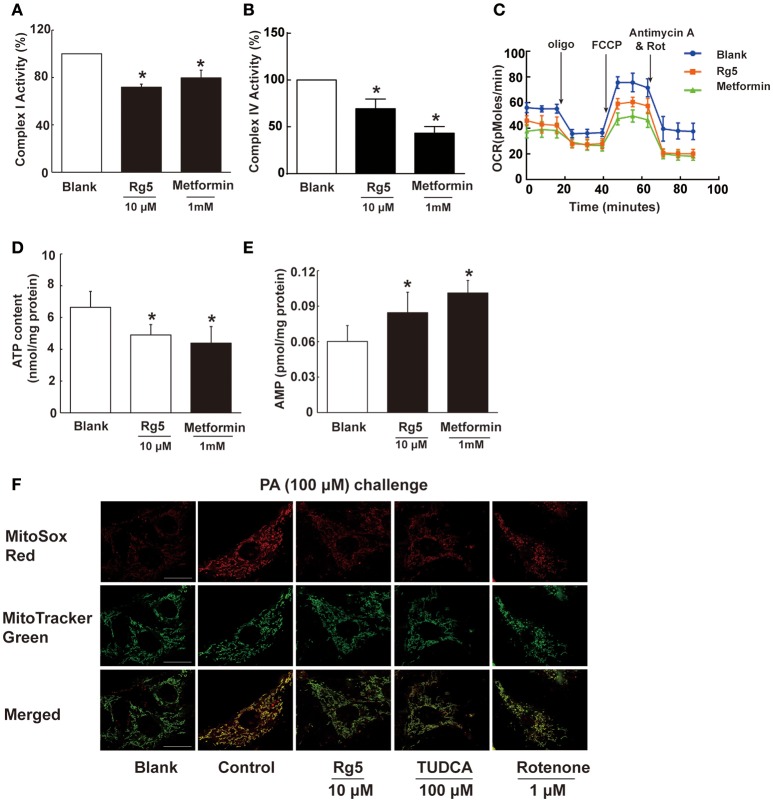
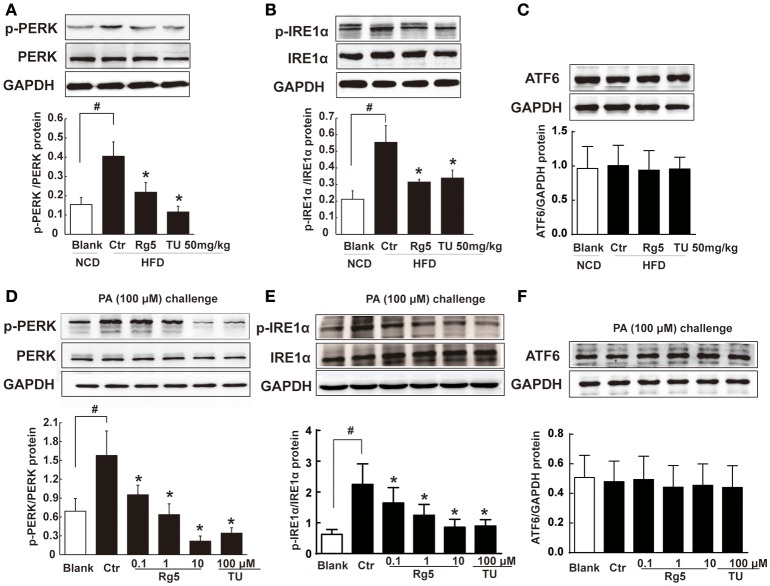
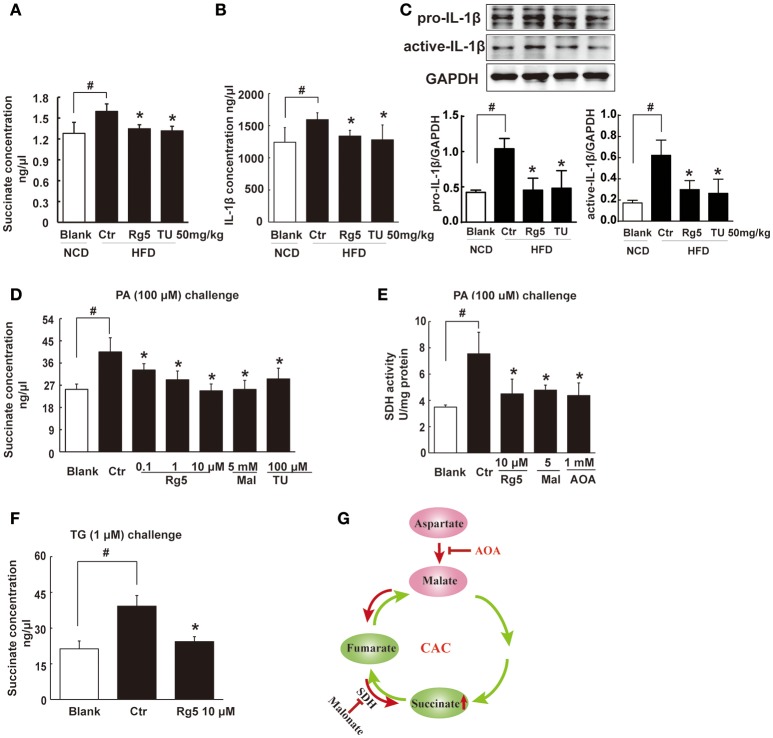
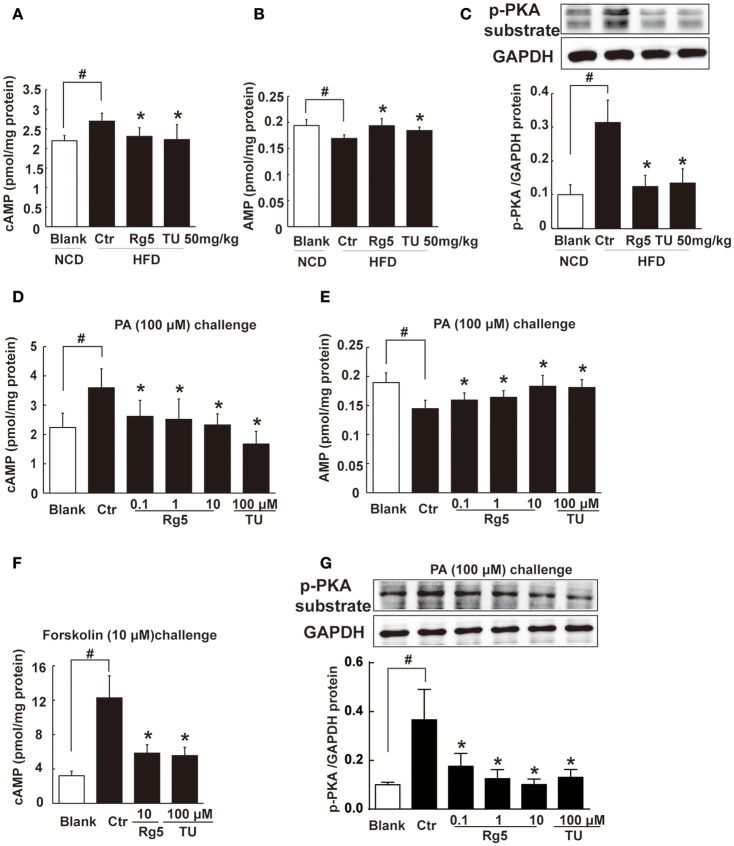
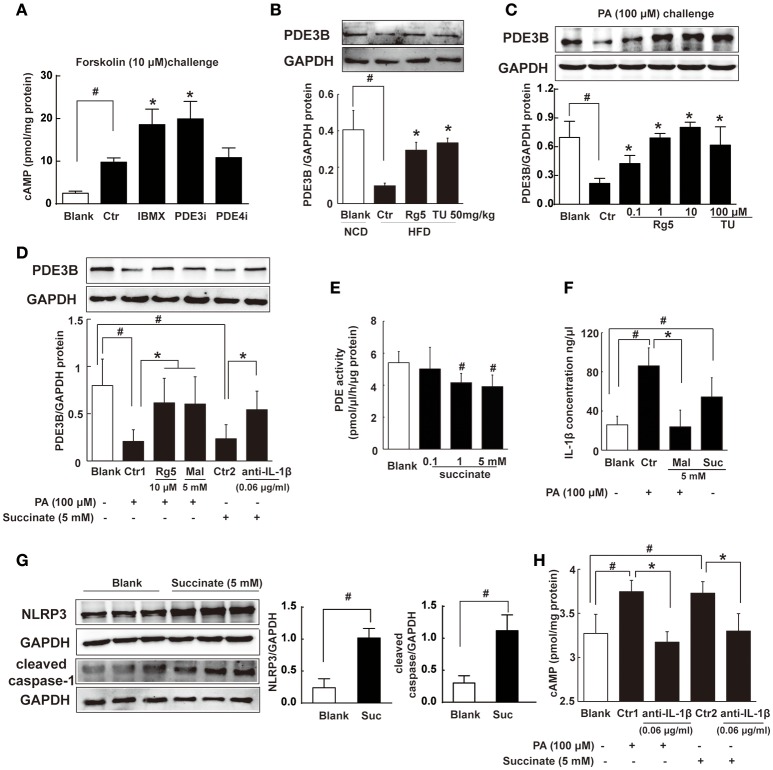
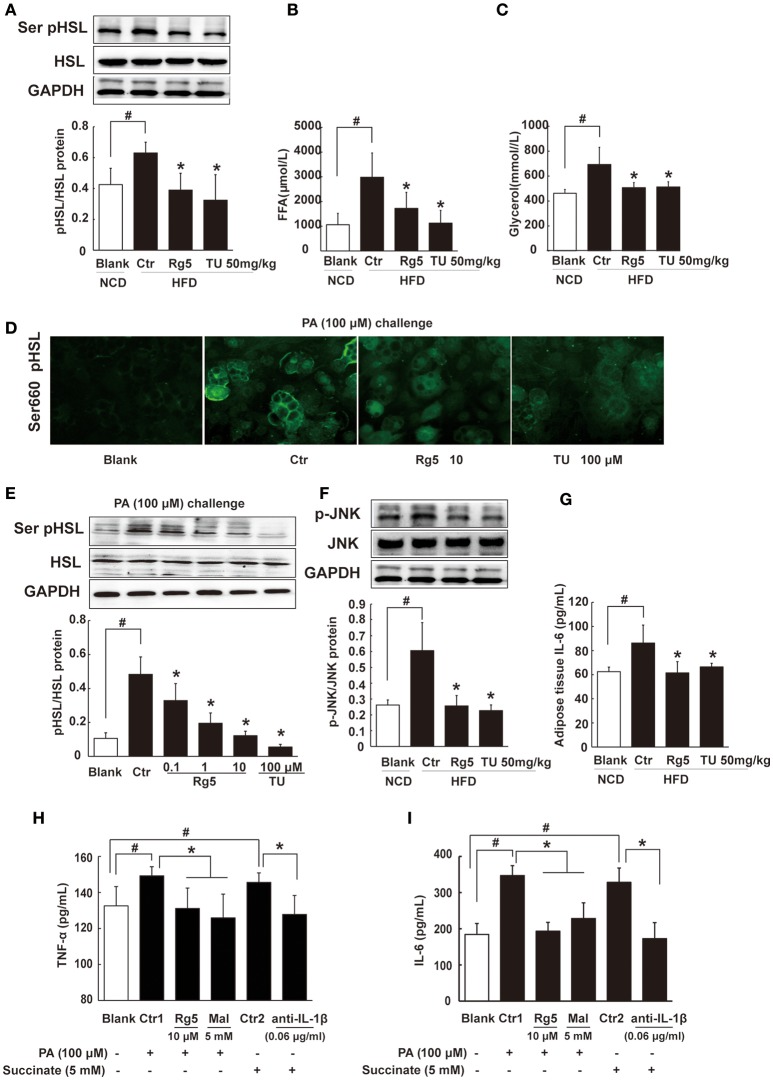
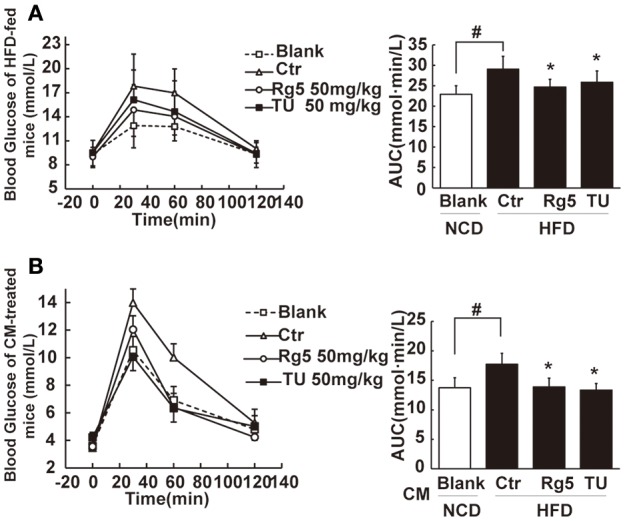
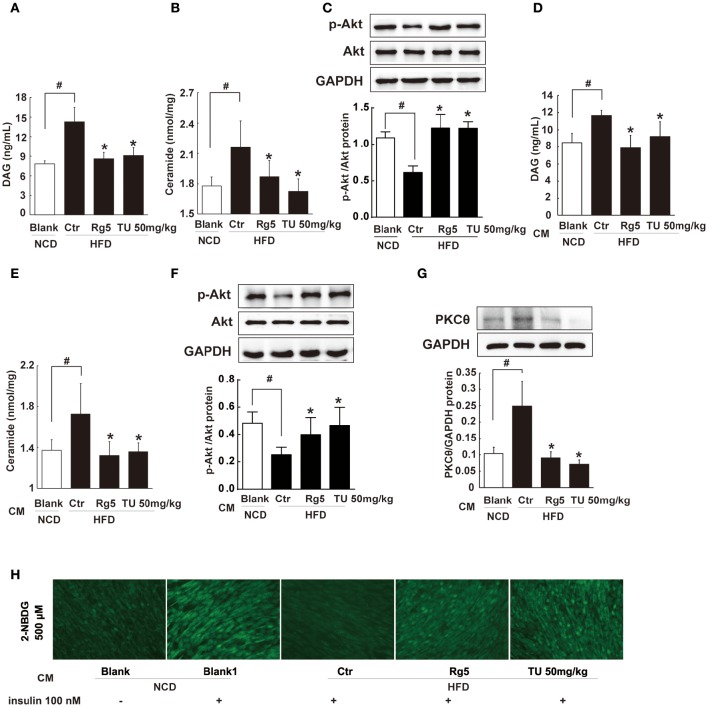
Endoplasmic reticulum (ER) stress, inflammation, and lipolysis occur simultaneously in adipose dysfunction and contribute to insulin resistance. This study was designed to investigate whether ginsenoside Rg5 could ameliorate adipose dysfunction and prevent muscle insulin resistance. Short-term high-fat diet (HFD) feeding induced hypoxia with ER stress in adipose tissue, leading to succinate accumulation due to the reversal of succinate dehydrogenase (SDH) activity. Rg5 treatment reduced cellular energy charge, suppressed ER stress and then prevented succinate accumulation in adipose tissue. Succinate promoted IL-1β production through NLRP3 inflammasome activation and then increased cAMP accumulation by impairing PDE3B expression, leading to increased lipolysis. Ginsenoside Rg5 treatment suppressed NLRP3 inflammasome activation, preserved PDE3B expression and then reduced cAMP accumulation, contributing to inhibition of lipolysis. Adipose lipolysis increased FFAs trafficking from adipose tissue to muscle. Rg5 reduced diacylglycerol (DAG) and ceramides accumulation, inhibited protein kinase Cθ translocation, and prevented insulin resistance in muscle. In conclusion, succinate accumulation in hypoxic adipose tissue acts as a metabolic signaling to link ER stress, inflammation and cAMP/PKA activation, contributing to lipolysis and insulin resistance. These findings establish a previously unrecognized role of ginsenosides in the regulation of lipid and glucose homeostasis and suggest that adipose succinate-associated NLRP3 inflammasome activation might be targeted therapeutically to prevent lipolysis and insulin resistance.
内质网(ER)应激、炎症和脂肪分解在脂肪功能障碍中同时发生,并导致胰岛素抵抗。本研究旨在探讨人参皂苷Rg5是否能改善脂肪功能障碍并预防肌肉胰岛素抵抗。短期高脂饮食(HFD)喂养导致脂肪组织中出现伴有ER应激的缺氧,由于琥珀酸脱氢酶(SDH)活性逆转导致琥珀酸积累。Rg5处理降低了细胞能量电荷,抑制了ER应激,进而防止了脂肪组织中琥珀酸的积累。琥珀酸通过NLRP3炎性小体激活促进IL-1β生成,然后通过损害PDE3B表达增加cAMP积累,导致脂肪分解增加。人参皂苷Rg5处理抑制了NLRP3炎性小体激活,维持了PDE3B表达,进而减少了cAMP积累,有助于抑制脂肪分解。脂肪分解增加了游离脂肪酸从脂肪组织向肌肉的转运。Rg5减少了二酰甘油(DAG)和神经酰胺的积累,抑制了蛋白激酶Cθ易位,并预防了肌肉中的胰岛素抵抗。总之,缺氧脂肪组织中琥珀酸的积累作为一种代谢信号,将ER应激、炎症和cAMP/PKA激活联系起来,导致脂肪分解和胰岛素抵抗。这些发现确立了人参皂苷在调节脂质和葡萄糖稳态方面以前未被认识的作用,并表明脂肪琥珀酸相关的NLRP3炎性小体激活可能是预防脂肪分解和胰岛素抵抗的治疗靶点。