Knoop Kathryn A, Gustafsson Jenny K, McDonald Keely G, Kulkarni Devesha H, Kassel Rachel, Newberry Rodney D
a Department of Internal Medicine , Washington University School of Medicine , St. Louis , Missouri , USA.
b Department of Pediatrics , The University of Alabama at Birmingham , Birmingham , Alabama , USA.
Gut Microbes. 2017 Jul 4;8(4):400-411. doi: 10.1080/19490976.2017.1299846. Epub 2017 Mar 7.
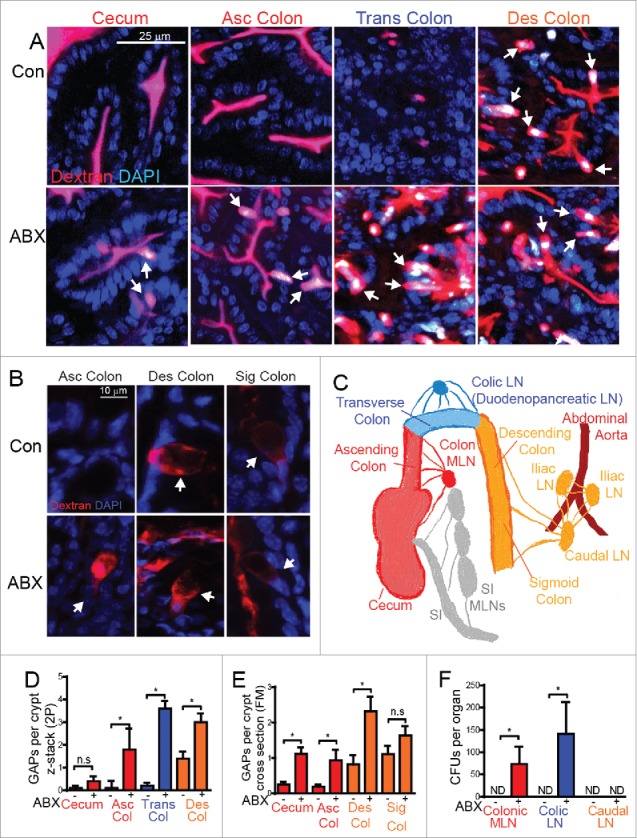
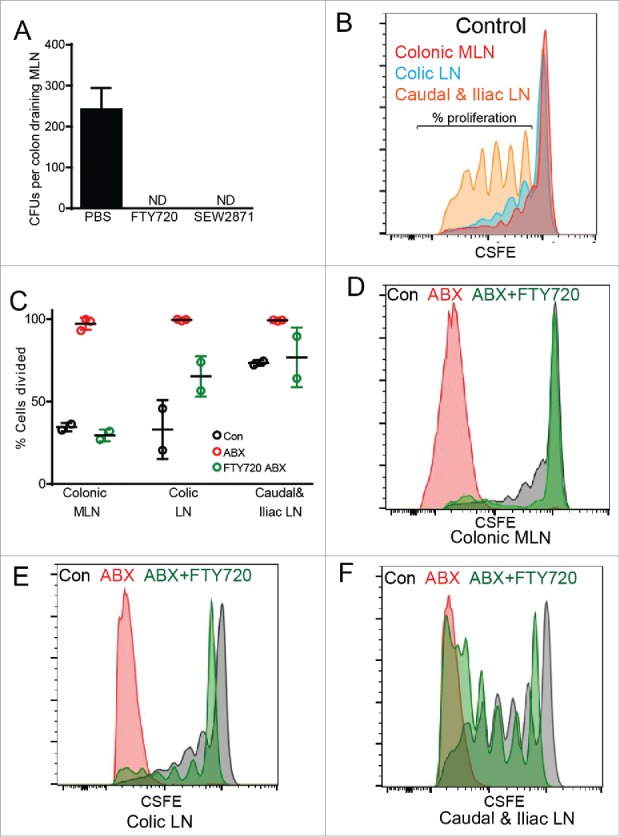
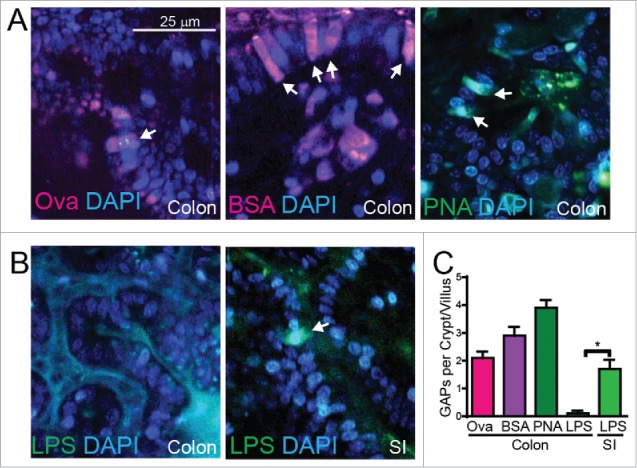
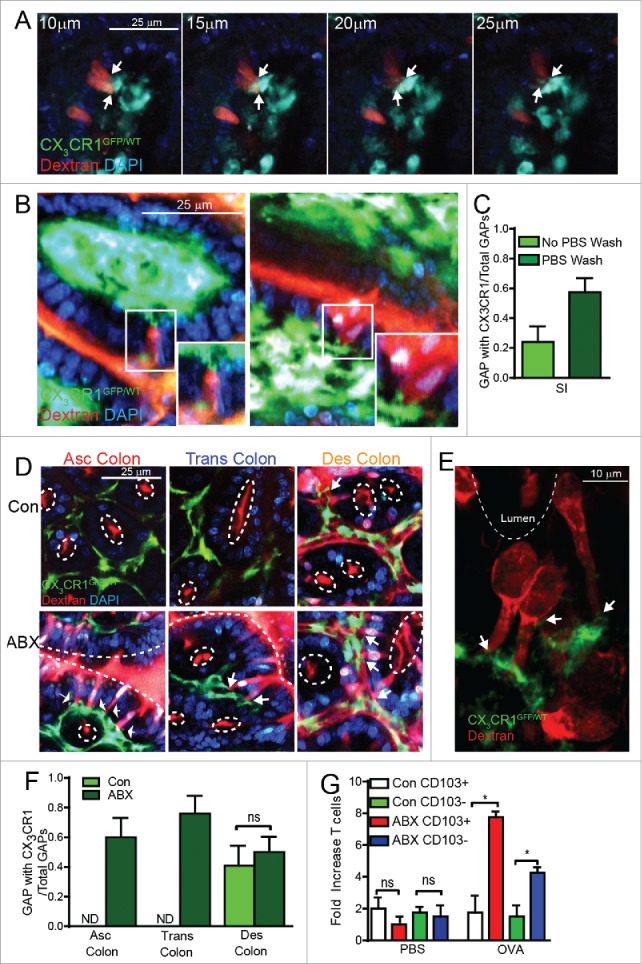
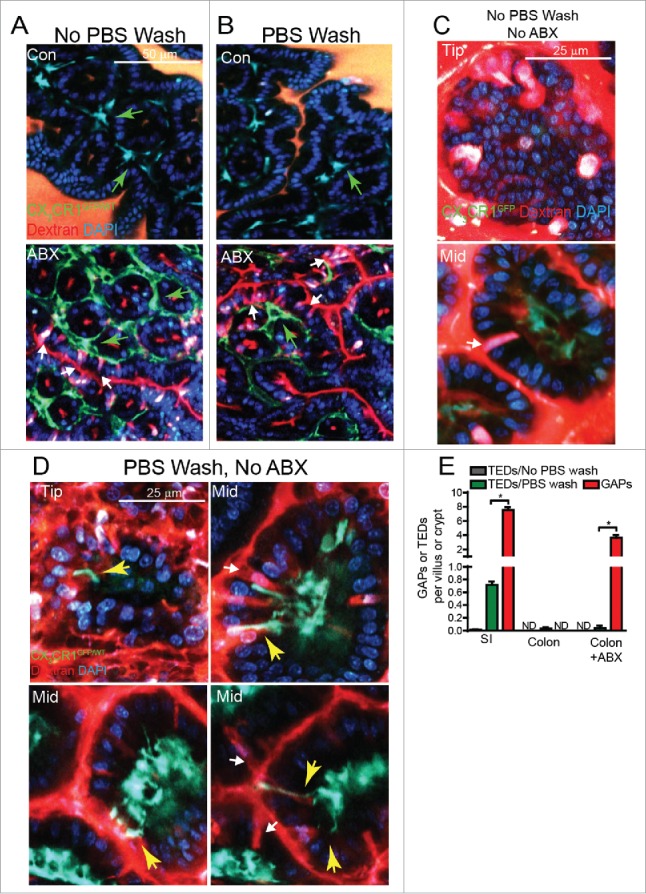
Bacterial translocation is defined as the passage of live bacteria from the gut lumen to distant sites. Gut commensal bacteria translocation has been attributed to 'leakiness', or 'barrier breach' of the intestinal epithelium, allowing live bacteria to cross an inappropriately permeable barrier and disseminate to distant sites. Alternatively, studies suggest dendritic cells directly capture luminal commensal bacteria and transport them to distant sites in the steady-state by extending dendrites between epithelial cells into the lumen. Recently we identified translocation of commensal gut bacteria following antibiotics was associated with the formation of goblet cell associated antigen passages (GAPs) in the colon and dependent upon goblet cells (GCs). The translocation of native gut commensal bacteria resulted in low-level inflammatory responses and potentiated mucosal damage in response to concurrent epithelial injury. Here we extend these observations and demonstrate properties of colonic GAPs and observations supporting their priority in the translocation of colonic commensal bacteria.
细菌易位被定义为活细菌从肠腔转移至远处部位。肠道共生菌的易位被认为是由于肠上皮的“渗漏”或“屏障破坏”,使得活细菌能够穿过渗透性异常的屏障并扩散至远处部位。另外,有研究表明,树突状细胞可直接捕获肠腔中的共生菌,并在稳态下通过将上皮细胞之间的树突延伸至肠腔,从而将这些细菌转运至远处部位。最近,我们发现抗生素使用后共生肠道细菌的易位与结肠中杯状细胞相关抗原通道(GAPs)的形成有关,且依赖于杯状细胞(GCs)。天然肠道共生菌的易位会引发低水平炎症反应,并在同时发生上皮损伤时加剧黏膜损伤。在此,我们扩展了这些观察结果,并证明了结肠GAPs的特性以及支持其在结肠共生菌易位中起首要作用的观察结果。