Erdal Erkin, Haider Syed, Rehwinkel Jan, Harris Adrian L, McHugh Peter J
Department of Oncology, Weatherall Institute of Molecular Medicine, University of Oxford, John Radcliffe Hospital, Oxford OX3 9DS, United Kingdom.
Medical Research Council Human Immunology Unit, Weatherall Institute of Molecular Medicine, University of Oxford, John Radcliffe Hospital, Oxford OX3 9DS, United Kingdom.
Genes Dev. 2017 Feb 15;31(4):353-369. doi: 10.1101/gad.289769.116. Epub 2017 Mar 9.
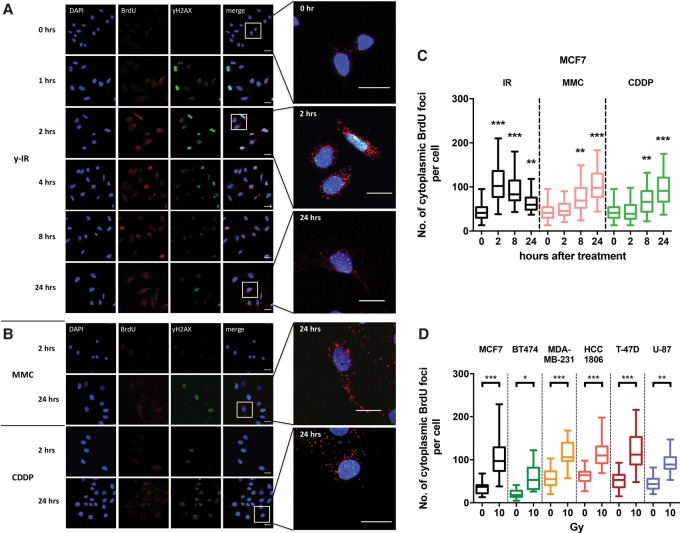
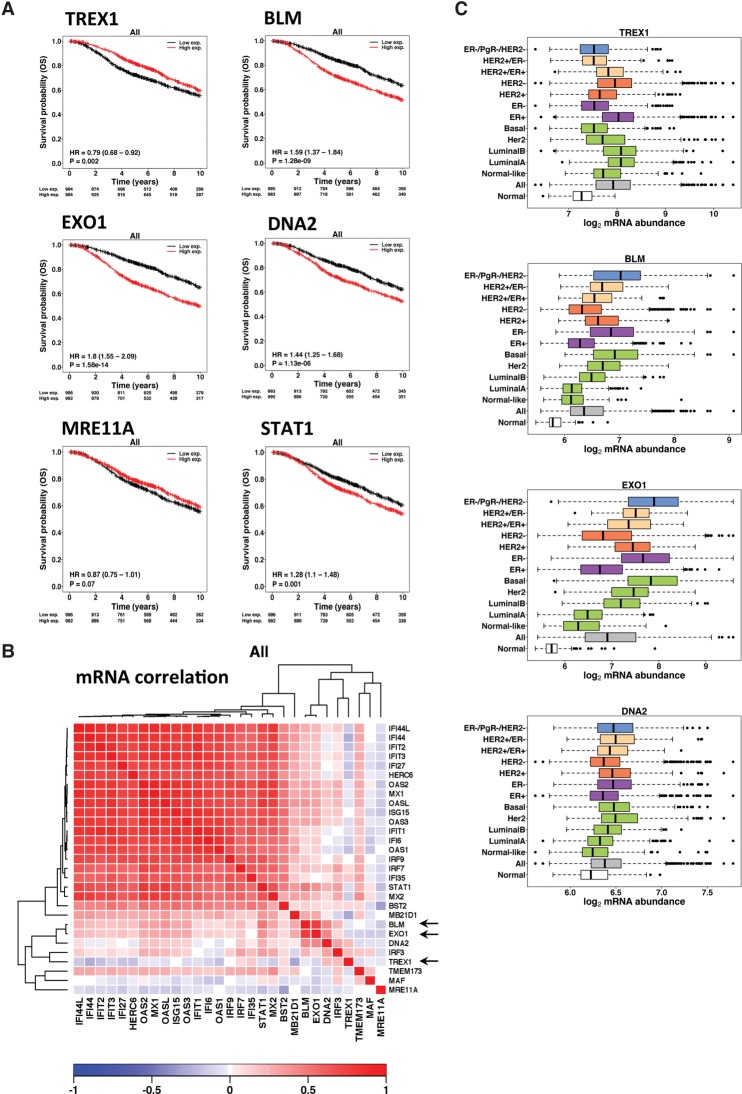
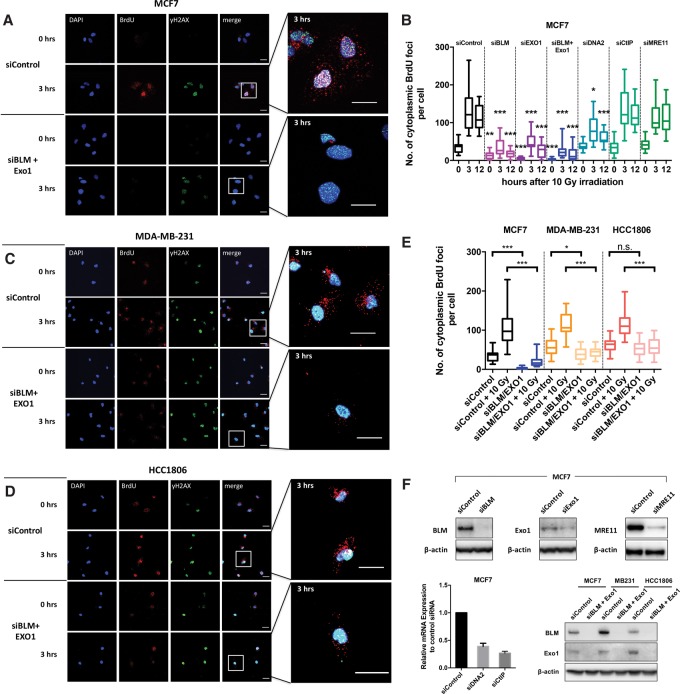
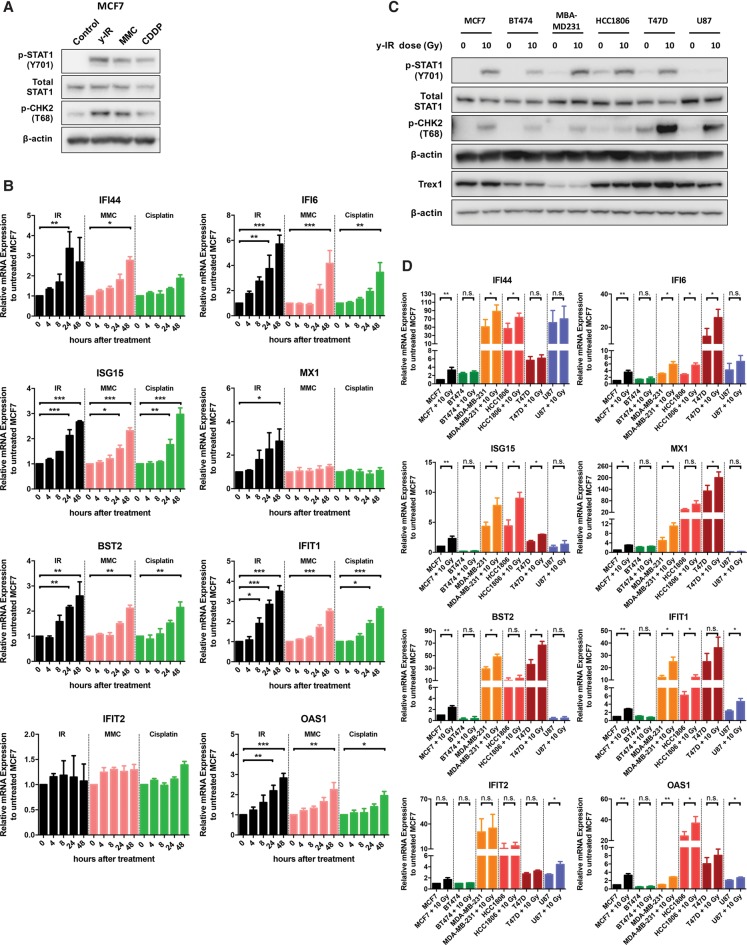
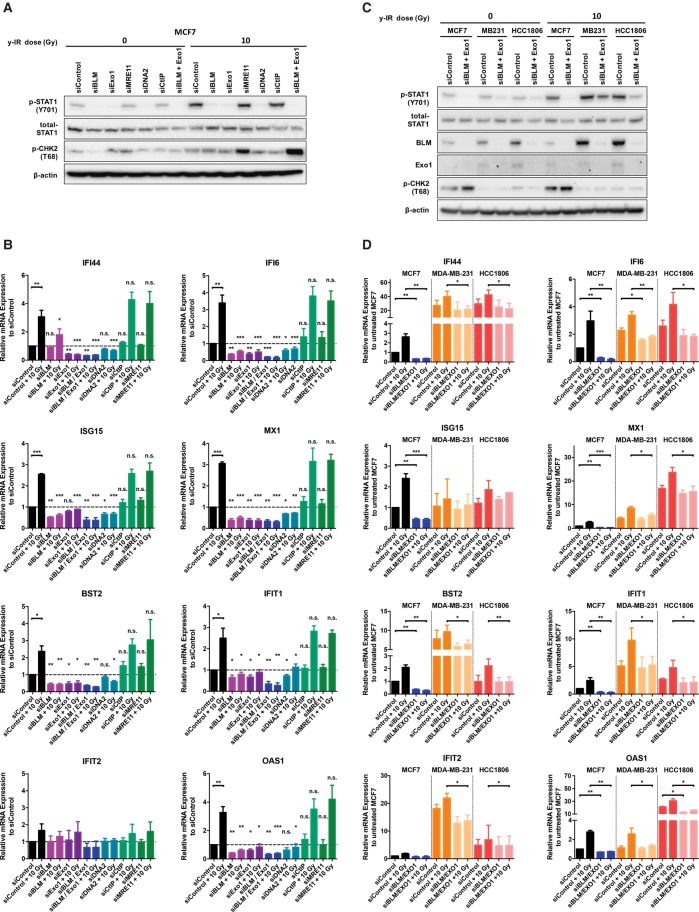
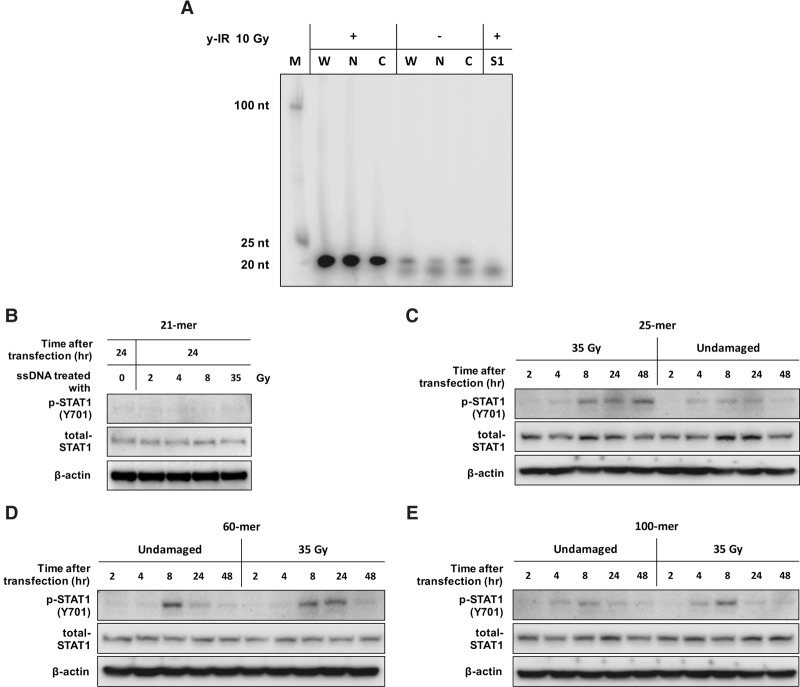
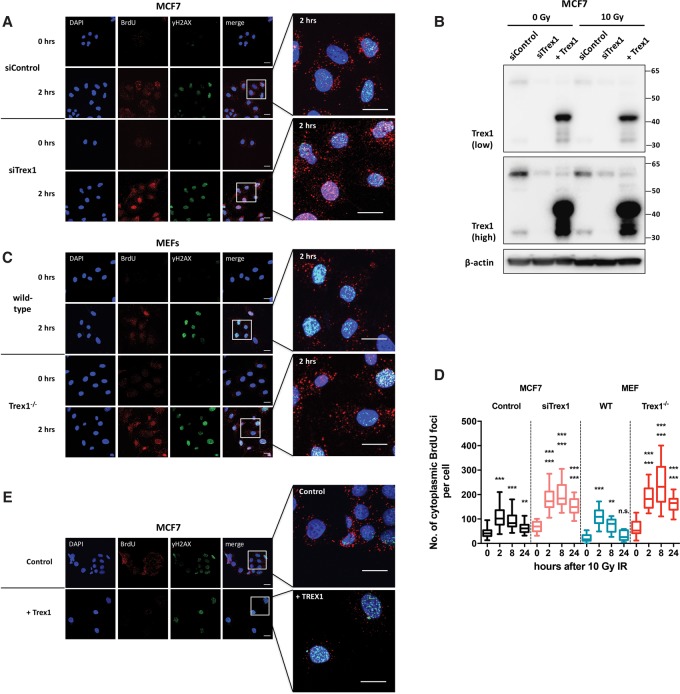
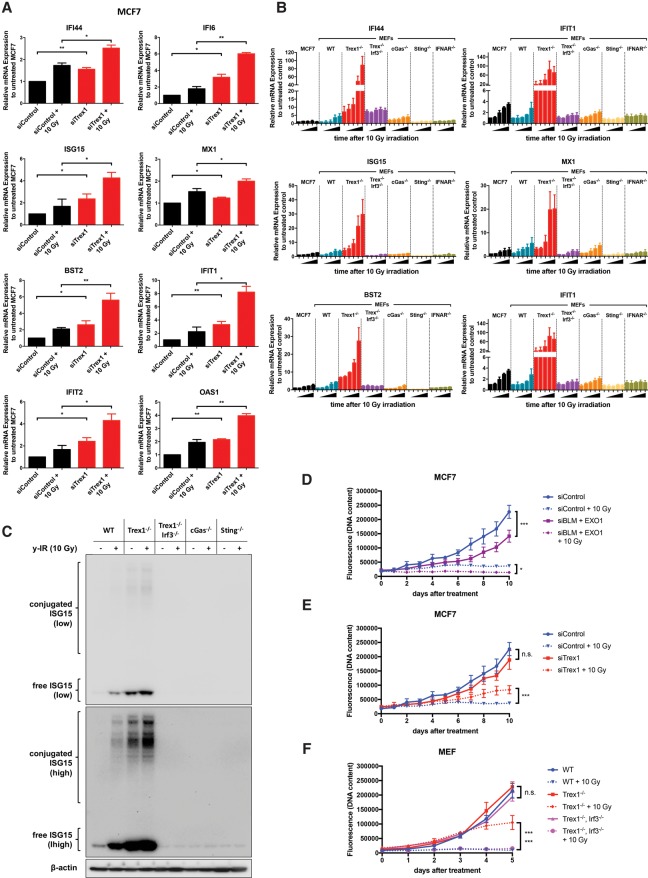
Radiotherapy and chemotherapy are effective treatment methods for many types of cancer, but resistance is common. Recent findings indicate that antiviral type I interferon (IFN) signaling is induced by these treatments. However, the underlying mechanisms still need to be elucidated. Expression of a set of IFN-stimulated genes comprises an IFN-related DNA damage resistance signature (IRDS), which correlates strongly with resistance to radiotherapy and chemotherapy across different tumors. Classically, during viral infection, the presence of foreign DNA in the cytoplasm of host cells can initiate type I IFN signaling. Here, we demonstrate that DNA-damaging modalities used during cancer therapy lead to the release of ssDNA fragments from the cell nucleus into the cytosol, engaging this innate immune response. We found that the factors that control DNA end resection during double-strand break repair, including the Bloom syndrome (BLM) helicase and exonuclease 1 (EXO1), play a major role in generating these DNA fragments and that the cytoplasmic 3'-5' exonuclease Trex1 is required for their degradation. Analysis of mRNA expression profiles in breast tumors demonstrates that those with lower Trex1 and higher BLM and EXO1 expression levels are associated with poor prognosis. Targeting BLM and EXO1 could therefore represent a novel approach for circumventing the IRDS produced in response to cancer therapeutics.
放疗和化疗是多种癌症的有效治疗方法,但耐药现象很常见。最近的研究结果表明,这些治疗可诱导抗病毒I型干扰素(IFN)信号传导。然而,其潜在机制仍有待阐明。一组IFN刺激基因的表达构成了一种IFN相关的DNA损伤抗性特征(IRDS),它与不同肿瘤对放疗和化疗的抗性密切相关。传统上,在病毒感染期间,宿主细胞质中存在的外源DNA可启动I型IFN信号传导。在此,我们证明癌症治疗中使用的DNA损伤方式会导致单链DNA片段从细胞核释放到细胞质中,从而引发这种先天免疫反应。我们发现,在双链断裂修复过程中控制DNA末端切除的因子,包括布卢姆综合征(BLM)解旋酶和核酸外切酶1(EXO1),在产生这些DNA片段中起主要作用,并且细胞质3'-5'核酸外切酶Trex1是其降解所必需的。对乳腺肿瘤mRNA表达谱的分析表明,Trex1表达较低、BLM和EXO1表达较高的肿瘤与预后不良相关。因此,靶向BLM和EXO1可能代表一种规避因癌症治疗产生的IRDS的新方法。