Sun Yi, Tian Yuke, Li Haifeng, Zhang Dengwen, Sun Qiang
Department of Anesthesiology, Guangdong General Hospital and Guangdong Academy of Medical Sciences, Guangdong Sheng, China.
Department of Anesthesiology, Tongji Hospital Affiliated to Tongji Medical College, Huazhong University of Science and Technology, Anhui Sheng, China.
Pain Res Manag. 2017;2017:7346103. doi: 10.1155/2017/7346103. Epub 2017 Feb 14.
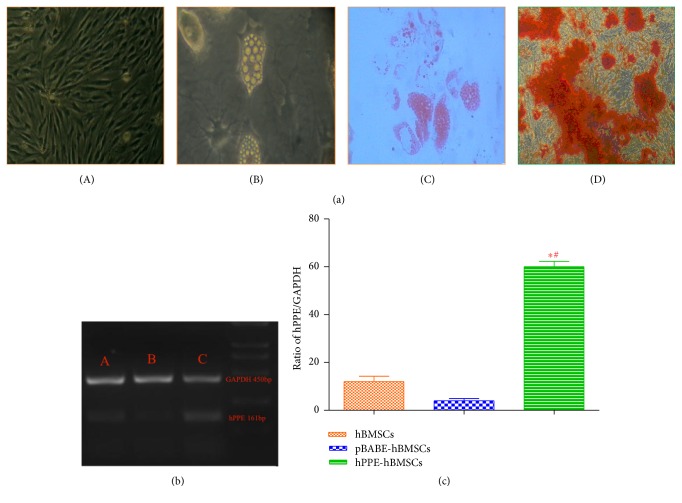
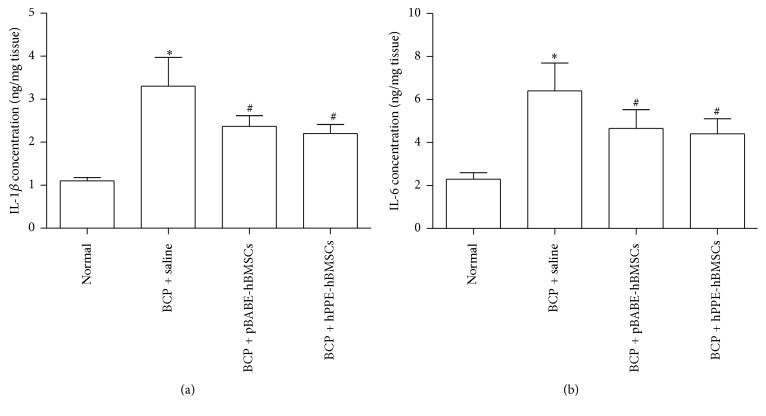
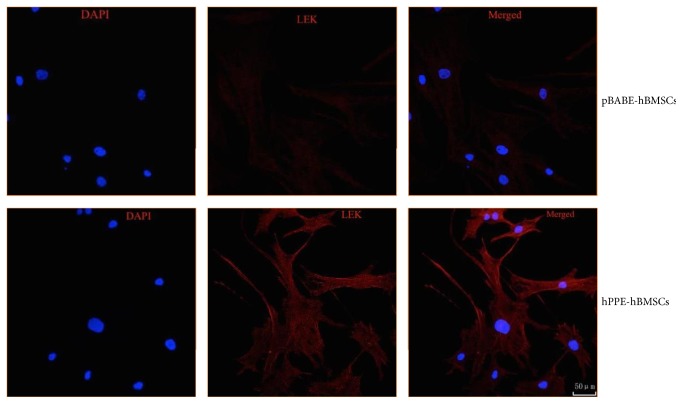
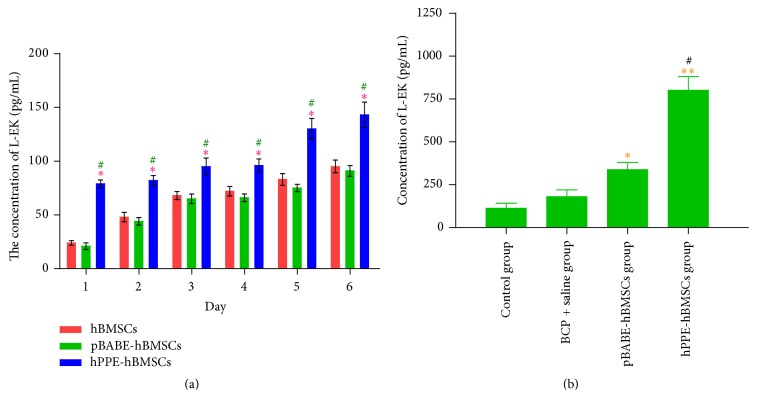
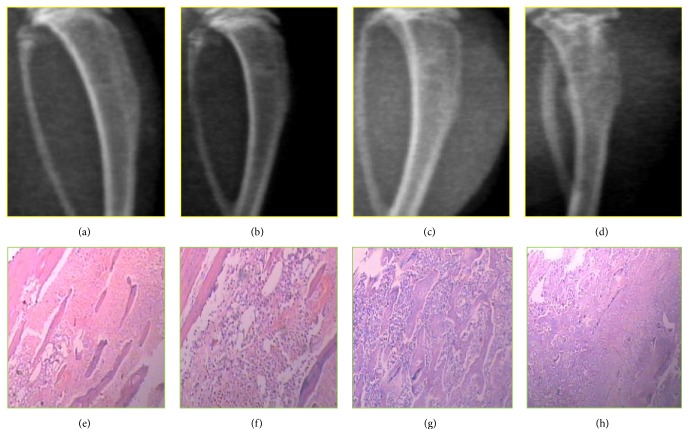
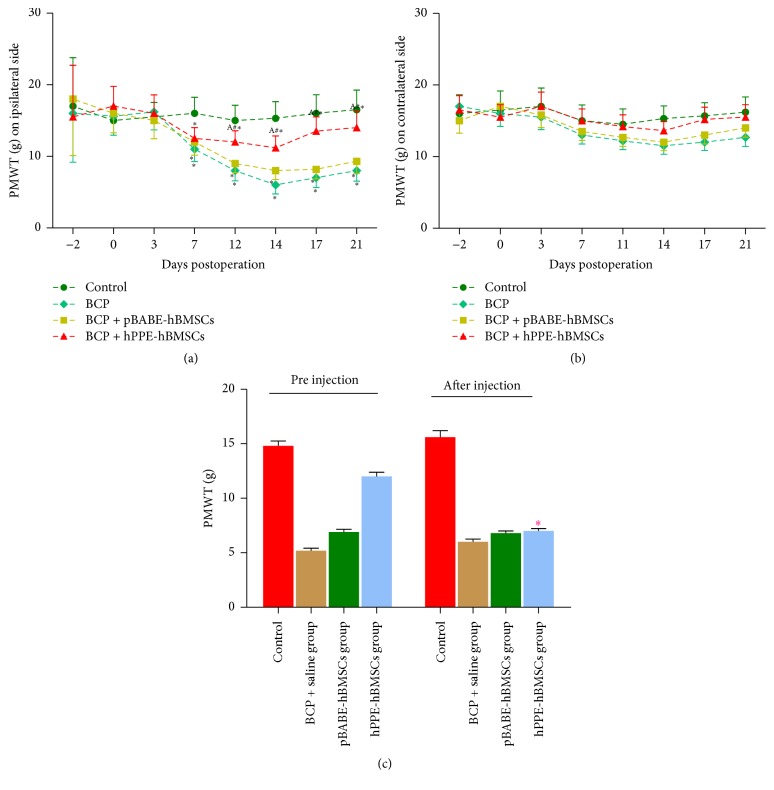
. This study aimed to investigate the use of human bone marrow mesenchymal stem cells (hBMSCs) genetically engineered with the human proenkephalin (hPPE) gene to treat bone cancer pain (BCP) in a rat model. . Primary cultured hBMSCs were passaged and modified with hPPE, and the cell suspensions (6 × 10) were then intrathecally injected into a rat model of BCP. Paw mechanical withdrawal threshold (PMWT) was measured before and after BCP. The effects of hPPE gene transfer on hBMSC bioactivity were analyzed in vitro and in vivo. . No changes were observed in the surface phenotypes and differentiation of hBMSCs after gene transfer. The hPPE-hBMSC group showed improved PMWT values on the ipsilateral side of rats with BCP from day 12 postoperatively, and the analgesic effect was reversed by naloxone. The levels of proinflammatory cytokines such as IL-1 and IL-6 were ameliorated, and leucine-enkephalin (L-EK) secretion was augmented, in the hPPE-engineered hBMSC group. . The intrathecal administration of BMSCs modified with the hPPE gene can effectively relieve pain caused by bone cancer in rats and might be a potentially therapeutic tool for cancer-related pain in humans.
本研究旨在探讨用人类前脑啡肽(hPPE)基因进行基因工程改造的人骨髓间充质干细胞(hBMSCs)在大鼠模型中治疗骨癌疼痛(BCP)的应用。原代培养的hBMSCs传代并用hPPE进行修饰,然后将细胞悬液(6×10)鞘内注射到BCP大鼠模型中。在BCP前后测量爪部机械撤痛阈值(PMWT)。在体外和体内分析hPPE基因转移对hBMSC生物活性的影响。基因转移后,hBMSCs的表面表型和分化未观察到变化。hPPE-hBMSC组在术后第12天起,BCP大鼠同侧的PMWT值有所改善,且纳洛酮可逆转其镇痛作用。在hPPE基因工程改造的hBMSC组中,促炎细胞因子如IL-1和IL-6的水平有所改善,亮氨酸脑啡肽(L-EK)分泌增加。鞘内注射用hPPE基因修饰的BMSCs可有效缓解大鼠骨癌引起的疼痛,可能是治疗人类癌症相关疼痛的一种潜在治疗工具。