Zolezzi Juan M, Inestrosa Nibaldo C
Centro de Envejecimiento y Regeneración (CARE-UC), Facultad de Ciencias Biológicas, Departamento de Biología Celular y Molecular, P. Universidad Católica de Chile , Santiago , Chile.
Centro de Envejecimiento y Regeneración (CARE-UC), Facultad de Ciencias Biológicas, Departamento de Biología Celular y Molecular, P. Universidad Católica de Chile, Santiago, Chile; Centre for Healthy Brain Ageing, Faculty of Medicine, School of Psychiatry, University of New South Wales, Sydney, NSW, Australia; Centro de Excelencia en Biomedicina de Magallanes (CEBIMA), Universidad de Magallanes, Punta Arenas, Chile.
Front Immunol. 2017 Feb 24;8:187. doi: 10.3389/fimmu.2017.00187. eCollection 2017.
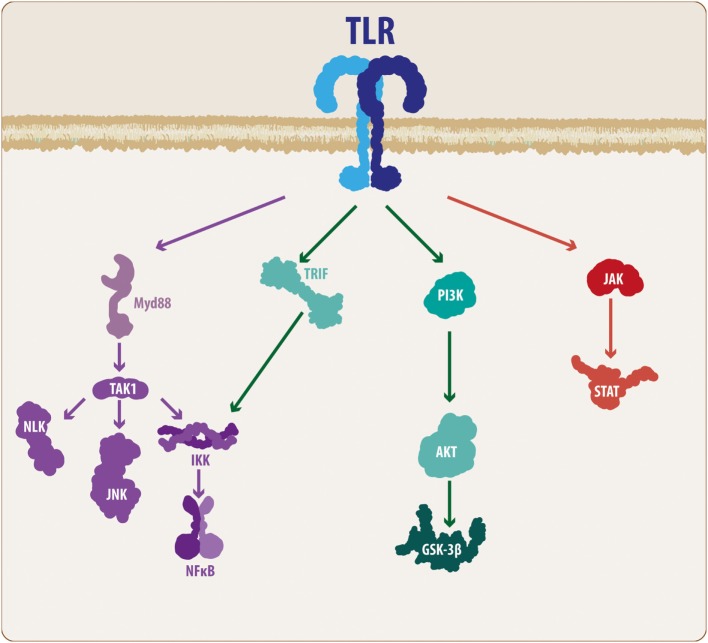
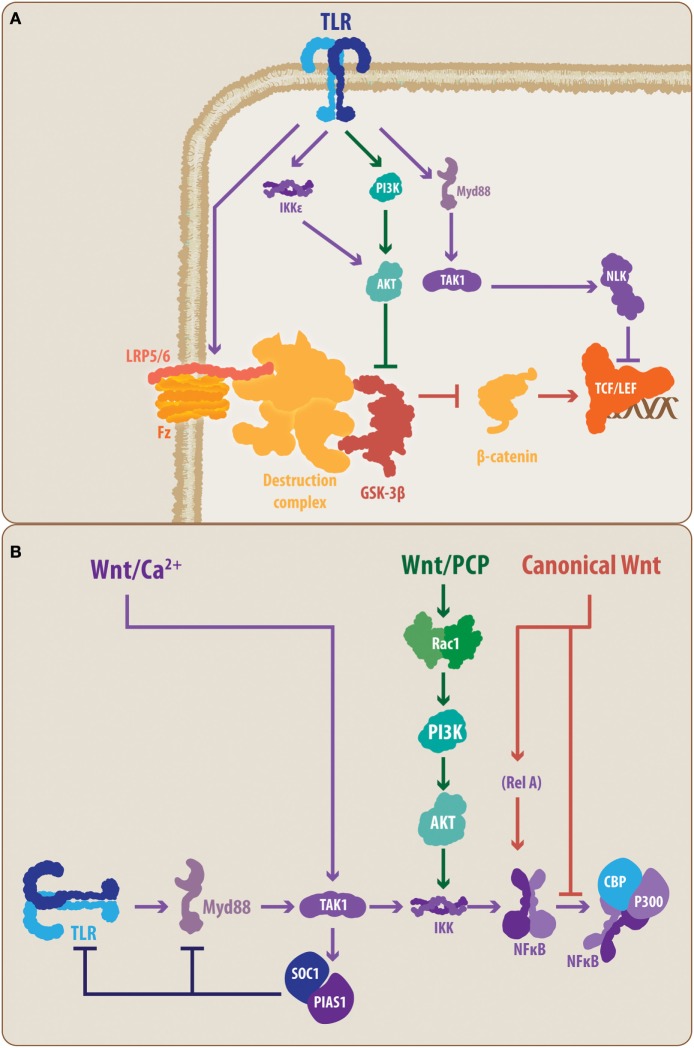
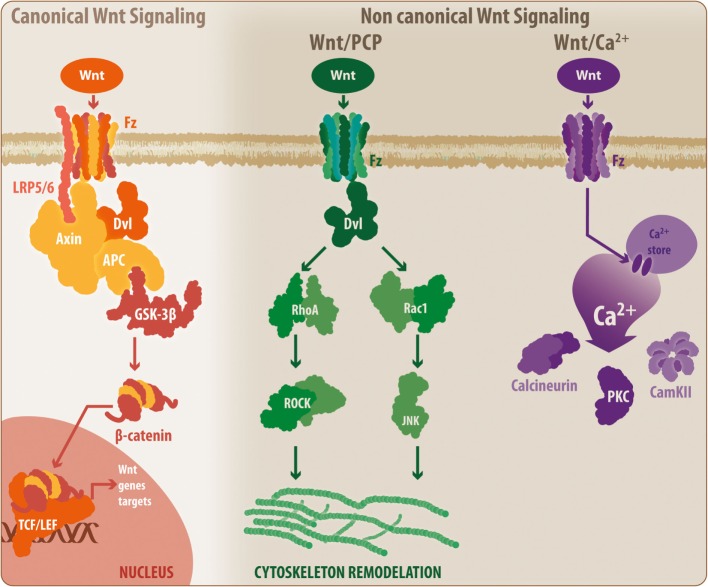
The innate immune system (IIS) represents the first line of defense against exogenous and endogenous harmful stimuli. Different types of pathogens and diverse molecules can activate the IIS a ligand-receptor mechanism. Cytokine release, recruitment of immunocompetent cells, and inflammation constitute the initial steps in an IIS-mediated response. While balanced IIS activity can resolve a harmful event, an altered response, such as deficient or persistent IIS activity, will have a critical effect on organism homeostasis. In this regard, chronic IIS activation has been associated with a wide range of diseases, including chronic inflammatory disorders (inflammatory bowel disease, arthritis, chronic obstructive pulmonary disease, among others), cancer and, more recently, neurodegenerative disorders. The relevance of the immune response, particularly inflammation, in the context of neurodegeneration has motivated rigorous research focused on unveiling the mechanisms underlying this response. Knowledge regarding the molecular hallmarks of the innate immune response and understanding signaling pathway cross talk are critical for developing new therapeutic strategies aimed at modulating the neuroinflammatory response within the brain. In the present review, we discuss the IIS in the central nervous system, particularly the cross talk between the toll-like receptor-signaling cascade and the wingless-related MMTV integration site (Wnt) signaling pathway and its relevance in neurodegenerative disorders such as Alzheimer's disease.
先天性免疫系统(IIS)是抵御外源性和内源性有害刺激的第一道防线。不同类型的病原体和多种分子可通过配体-受体机制激活IIS。细胞因子释放、免疫活性细胞募集和炎症构成了IIS介导反应的初始步骤。虽然平衡的IIS活性可以解决有害事件,但反应改变,如IIS活性不足或持续存在,将对机体稳态产生关键影响。在这方面,慢性IIS激活与多种疾病有关,包括慢性炎症性疾病(炎症性肠病、关节炎、慢性阻塞性肺疾病等)、癌症以及最近的神经退行性疾病。免疫反应,特别是炎症,在神经退行性变背景下的相关性促使人们进行了严格的研究,以揭示这种反应的潜在机制。了解先天性免疫反应的分子特征和信号通路的相互作用对于开发旨在调节脑内神经炎症反应的新治疗策略至关重要。在本综述中,我们讨论了中枢神经系统中的IIS,特别是Toll样受体信号级联与无翅相关MMTV整合位点(Wnt)信号通路之间的相互作用及其在阿尔茨海默病等神经退行性疾病中的相关性。