Yadav Sanjay, Singh Nishant, Shah Parag P, Rowbotham David A, Malik Danial, Srivastav Ankita, Shankar Jai, Lam Wan L, Lockwood William W, Beverly Levi J
James Graham Brown Cancer Center, University of Louisville, Louisville, KY 40202; CSIR-Indian Institute of Toxicology Research, Lucknow, UP 226001, India.
CSIR-Indian Institute of Toxicology Research, Lucknow, UP 226001, India.
Neoplasia. 2017 Apr;19(4):321-332. doi: 10.1016/j.neo.2017.02.001. Epub 2017 Mar 16.
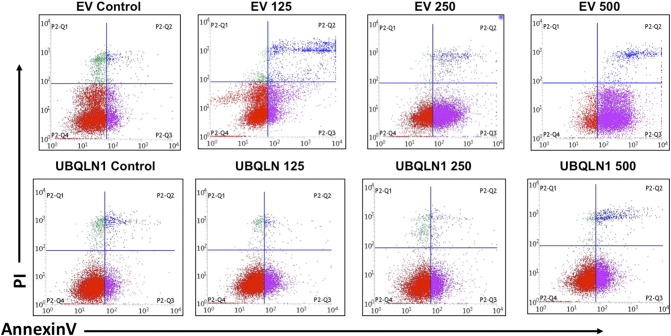
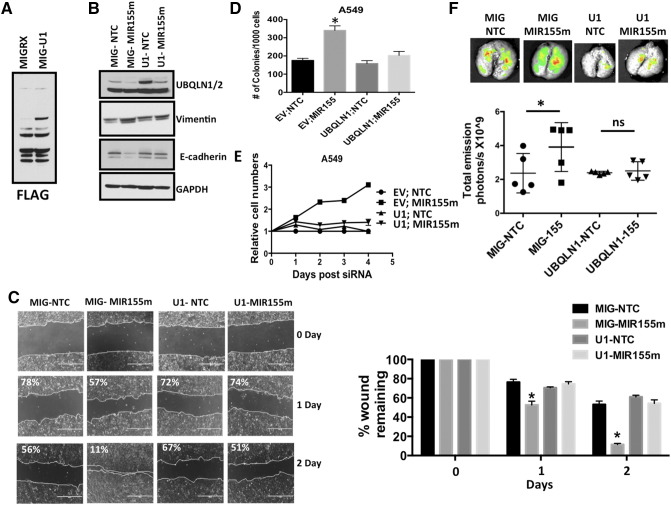
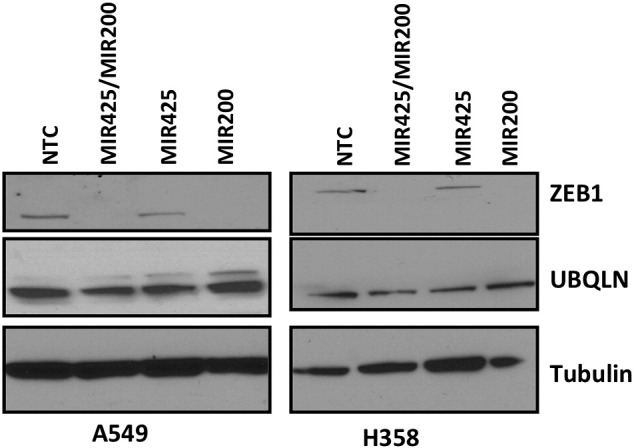
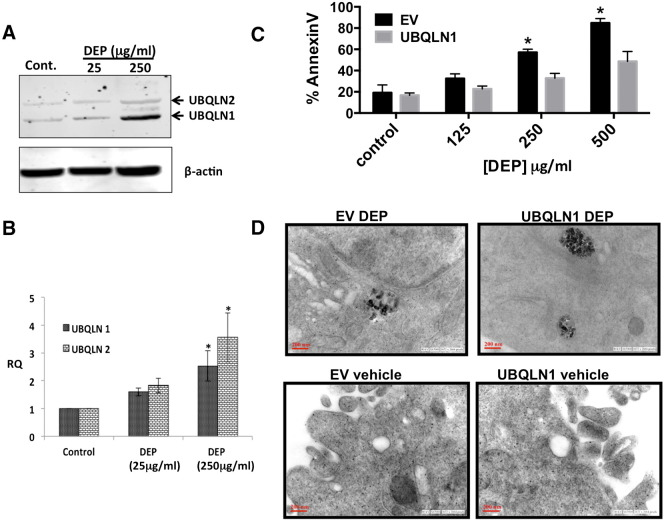
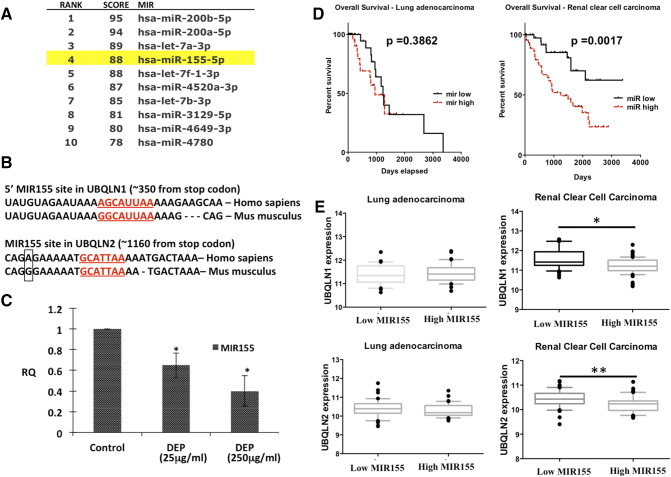
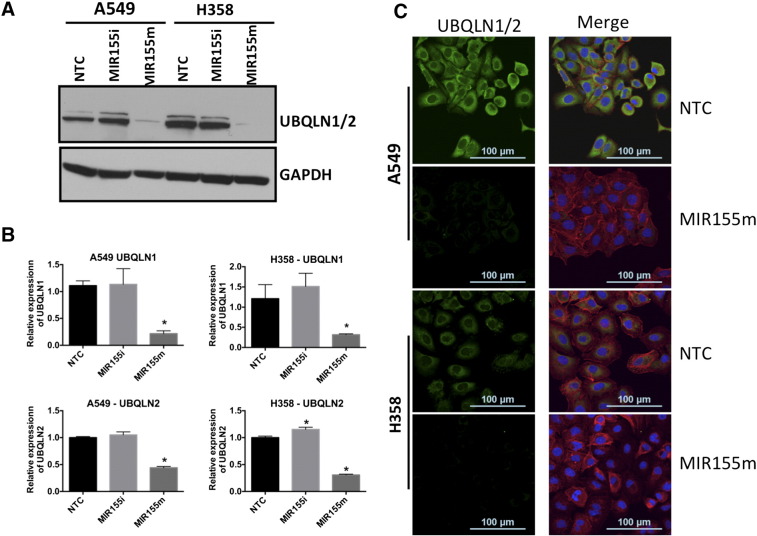
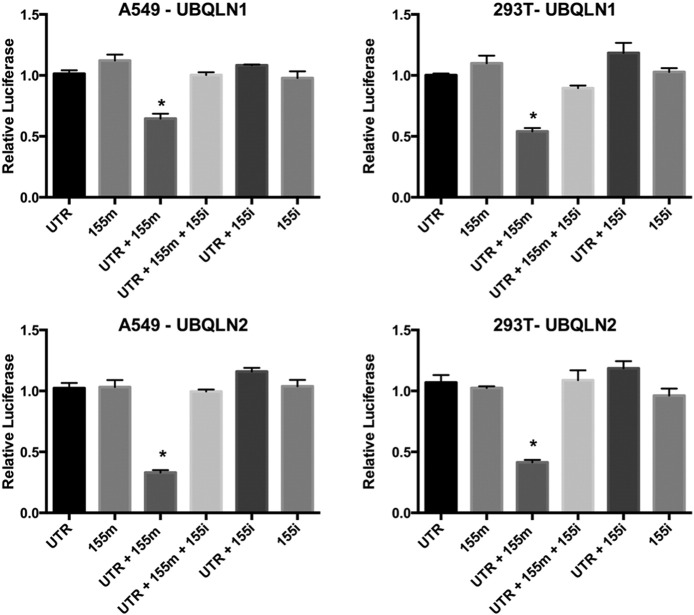
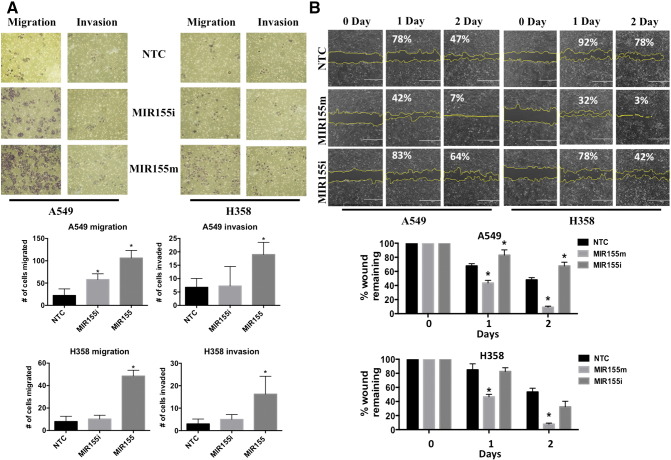
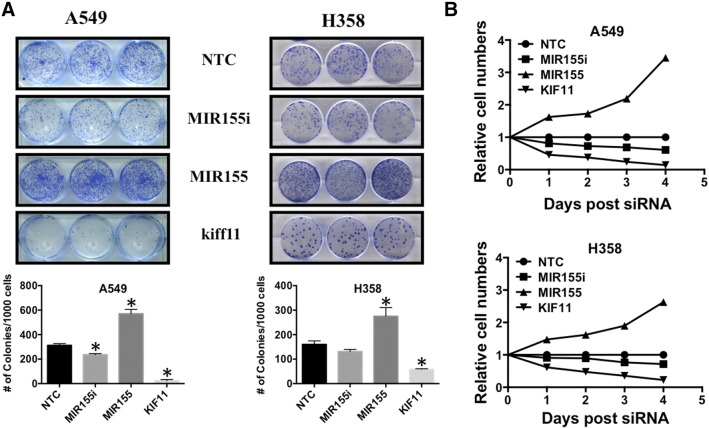
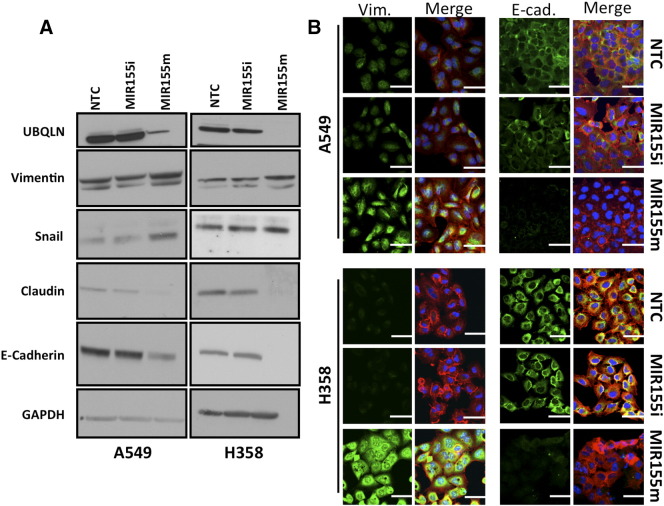
Ubiquilin (UBQLN) proteins are adaptors thought to link ubiquitinated proteins to the proteasome. However, our lab has recently reported a previously unappreciated role for loss of UBQLN in lung cancer progression. In fact, UBQLN genes are lost in over 50% of lung cancer samples examined. However, a reason for the loss of UBQLN has not been proposed, nor has a selective pressure that could lead to deletion of UBQLN been reported. Diesel Exhaust Particles (DEP) are a major concern in the large cities of developing nations and DEP exposed populations are at an increased risk of developing a number of illnesses, including lung cancer. A connection between DEP and UBQLN has never been examined. In the present study, we determined the effect of DEP on lung cell lines and were interested to determine if UBQLN proteins could potentially play a protective role following treatment with DEP. Interestingly, we found that DEP treated cells have increased expression of UBQLN proteins. In fact, over-expression of UBQLN was capable of protecting cells from DEP toxicity. To investigate the mechanism by which DEP leads to increased UBQLN protein levels, we identified and interrogated microRNAs that were predicted to regulate UBQLN mRNA. We found that DEP decreases the oncogenic microRNA, MIR155. Further, we showed that MIR155 regulates the mRNA of UBQLN1 and UBQLN2 in cells, such that increased MIR155 expression increased cell invasion, migration, wound formation and clonogenicity in UBQLN-loss dependent manner. This is the first report of an environmental carcinogen regulating expression of UBQLN proteins. We show that exposure of cells to DEP causes an increase in UBQLN levels and that MIR155 regulates mRNA of UBQLN. Thus, we propose that DEP-induced repression of MIR155 leads to increased UBQLN levels, which in turn may be a selective pressure on lung cells to lose UBQLN1.
泛素连接蛋白(UBQLN)被认为是将泛素化蛋白与蛋白酶体连接起来的衔接子。然而,我们实验室最近报道了UBQLN缺失在肺癌进展中一个以前未被认识到的作用。事实上,在超过50%的检测肺癌样本中,UBQLN基因缺失。然而,尚未提出UBQLN缺失的原因,也没有报道过可能导致UBQLN缺失的选择压力。柴油尾气颗粒(DEP)是发展中国家大城市的一个主要问题,接触DEP的人群患包括肺癌在内的多种疾病的风险增加。DEP与UBQLN之间的联系从未被研究过。在本研究中,我们确定了DEP对肺癌细胞系的影响,并想确定在用DEP处理后,UBQLN蛋白是否可能发挥保护作用。有趣的是,我们发现DEP处理的细胞中UBQLN蛋白的表达增加。事实上,UBQLN的过表达能够保护细胞免受DEP毒性。为了研究DEP导致UBQLN蛋白水平升高的机制,我们鉴定并研究了预测可调节UBQLN mRNA的微小RNA。我们发现DEP降低了致癌微小RNA MIR155。此外,我们表明MIR155在细胞中调节UBQLN1和UBQLN2的mRNA,因此MIR155表达增加以UBQLN缺失依赖的方式增加细胞侵袭、迁移、伤口形成和克隆形成能力。这是关于环境致癌物调节UBQLN蛋白表达的首次报道。我们表明细胞暴露于DEP会导致UBQLN水平升高,并且MIR155调节UBQLN的mRNA。因此,我们提出DEP诱导的MIR155抑制导致UBQLN水平升高,这反过来可能是肺细胞丢失UBQLN1的一种选择压力。