Laaksonen Petteri, Sinkkonen Aki, Zaitsev Gennadi, Mäkinen Esa, Grönroos Timo, Romantschuk Martin
Clewer Ltd, Biolinja 12, FI-20750, Turku, Finland.
Department of Environmental Sciences, University of Helsinki, Niemenkatu 73, FI-15140, Lahti, Finland.
Environ Sci Pollut Res Int. 2017 Apr;24(12):11446-11458. doi: 10.1007/s11356-017-8779-x. Epub 2017 Mar 18.
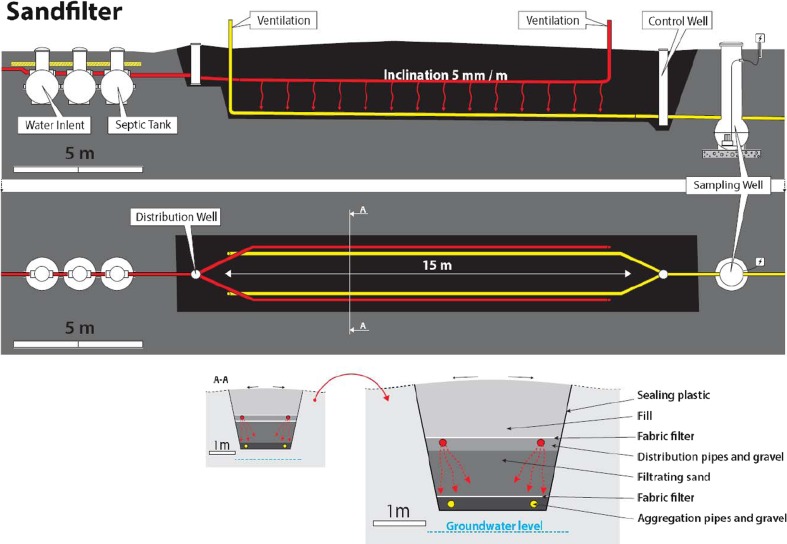
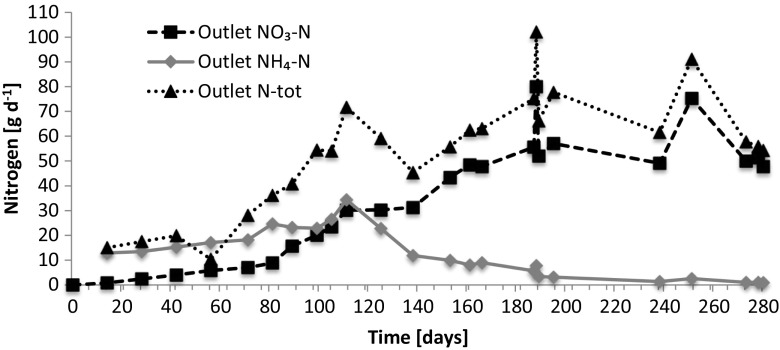
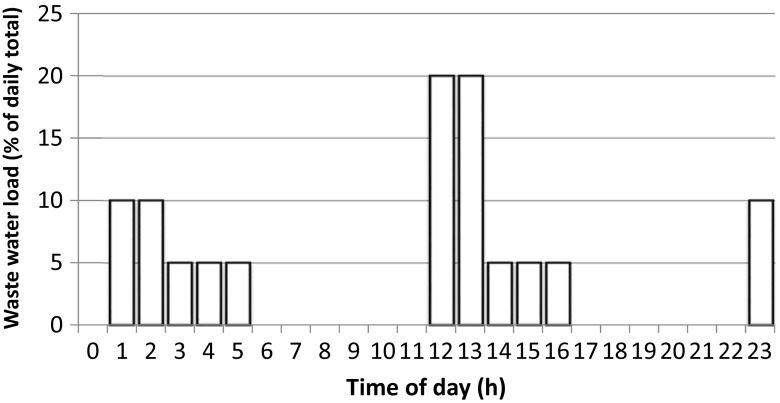
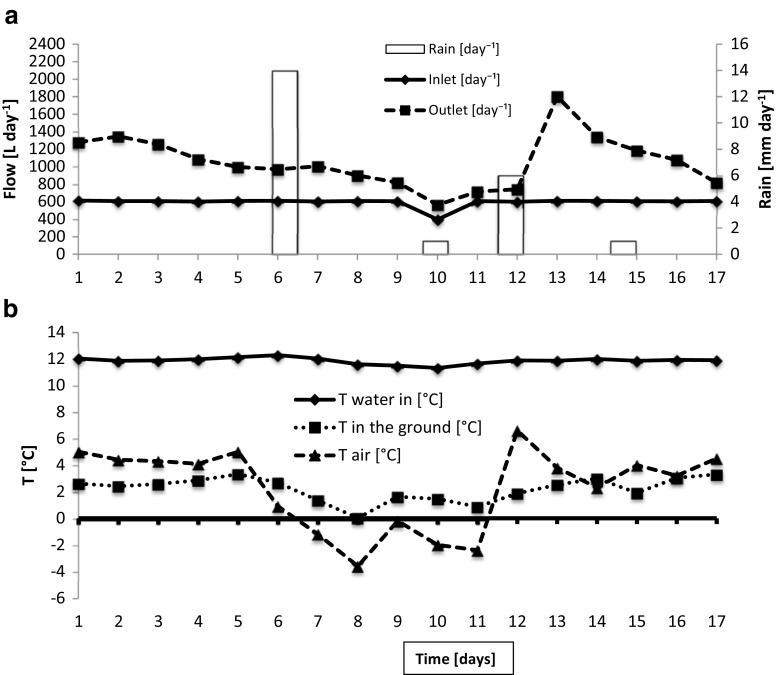
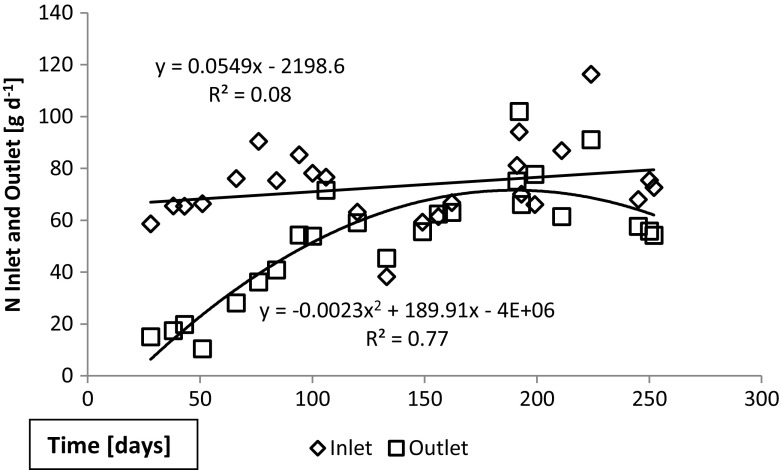
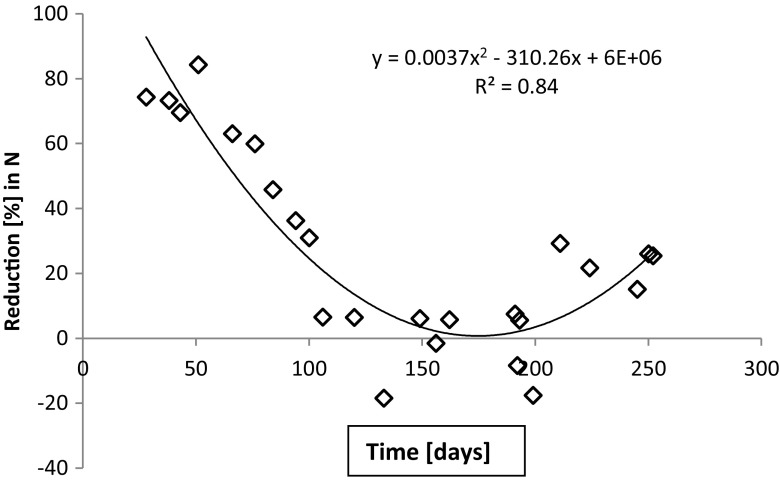
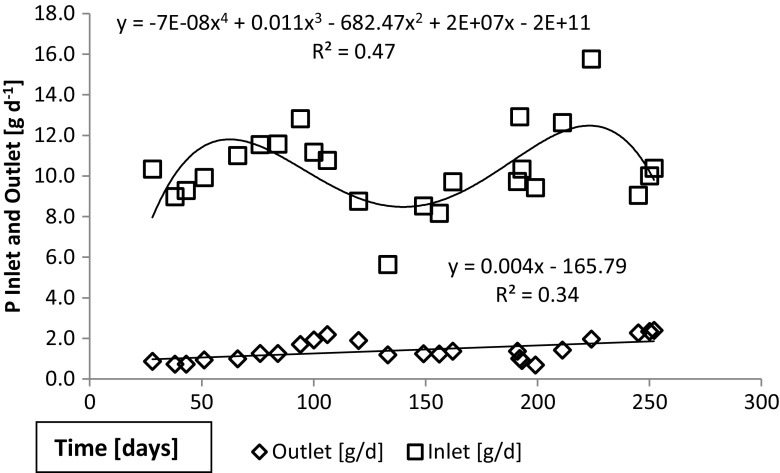
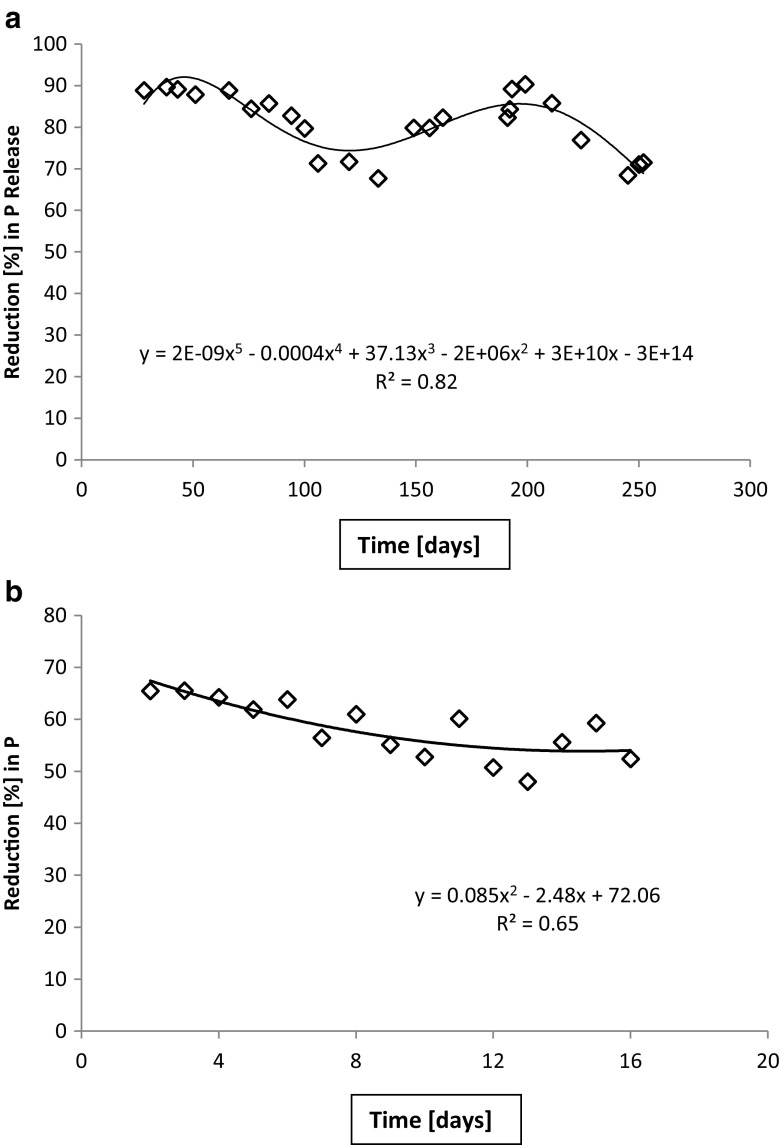
A traditional sand filter for treatment of household wastewater was constructed in the fall of 2012 at Biolinja 12, Turku, Finland. Construction work was led and monitored by an authorized wastewater treatment consultant. The filter was placed on a field bordered by open ditches from all sides in order to collect excess rain and snowmelt waters. The filter was constructed and insulated from the environment so that all outflowing water was accounted for. Untreated, mainly municipal, wastewater from Varissuo suburb was pumped from a sewer separately via three septic tanks (volume = 1 m each) into the filters. Normally, wastewater was distributed to ground filters automatically according to pre-programmed schedule. Initially, the daily flow was 1200 L day to reflect the average organic load of a household of five persons (load: ca 237 g day BOD; 73 g day total N; and 10.4 g day total P). Later in the test, the flow rate was decreased first to 900 and then to 600 L day to better reflect the average volume produced by five persons. Volumes of inlet wastewater as well as treated water were monitored by magnetic flow meters. Samples were withdrawn from the inlet water, from the water entering the filters after the third septic tank, and from the outflowing water. After an initial adaption time, the reductions in BOD and chemical oxygen demand were constantly between 92 and 98%, showing that the biological degradation process in the filters functioned optimally and clearly comply with the national and EU standards. The reduction in total nitrogen and total phosphorus, however, reached required levels only during the first months of testing, apparently when buildup of microbial biomass was still ongoing. After this initial period of 3 months showing satisfactory reduction levels, the reduction of total nitrogen varied between 5 and 25% and total phosphorus mostly between 50 and 65%. Nitrification was efficient in the filter, but as indicated by high nitrate levels and poor nitrogen reductions, denitrification was inefficient or absent. During the winter period, the temperature in the filter dropped to near freezing, but at all time points, the flow of water was unaffected by freezing. During snowmelt and heavy rain, occasional flooding was observed. Such situations may lead to dilution rather than purification of the wastewater. In conclusion, the sand filter tested worked well for reduction of the organic load in municipal wastewater but failed to sufficiently reduce nitrogen and phosphorus levels.
2012年秋季,在芬兰图尔库比奥林贾12号建造了一个用于处理生活污水的传统砂滤池。建设工作由一名授权的污水处理顾问领导并监督。滤池放置在一个四周有明沟环绕的场地,以便收集多余的雨水和融雪水。滤池的建造使其与外界环境隔绝,从而能够对所有流出的水进行计量。未经处理的主要是城市污水,从瓦里索郊区的下水道通过三个化粪池(每个容积为1立方米)分别泵入滤池。通常情况下,污水会根据预先设定的时间表自动分配到地面滤池中。最初,日流量为1200升/天,以反映一个五口之家的平均有机负荷(负荷:约237克/天生化需氧量;73克/天总氮;10.4克/天总磷)。在测试后期,流量首先降至900升/天,然后降至600升/天,以更好地反映五口之家产生的平均水量。进水污水和处理后水的体积通过电磁流量计进行监测。从进水、第三个化粪池后进入滤池的水以及流出的水中采集样本。经过初始适应期后,生化需氧量和化学需氧量的去除率一直保持在92%至98%之间,表明滤池中的生物降解过程运行良好,明显符合国家和欧盟标准。然而,总氮和总磷的去除率仅在测试的前几个月达到要求水平,显然是在微生物生物量仍在积累的时候。在最初3个月显示出令人满意的去除水平之后,总氮的去除率在5%至25%之间变化,总磷的去除率大多在50%至65%之间。滤池中硝化作用有效,但从高硝酸盐水平和较差的氮去除率可以看出,反硝化作用效率低下或不存在。在冬季,滤池中的温度降至接近冰点,但在所有时间点,水流均未受到结冰的影响。在融雪和暴雨期间,偶尔会出现洪水。这种情况可能导致污水稀释而非净化。总之,测试的砂滤池在降低城市污水中的有机负荷方面效果良好,但未能充分降低氮和磷的水平。