Chemical Safety and Alternative Methods Unit, EURL ECVAM, Directorate F - Health, Consumers and Reference Materials, Joint Research Centre, European Commission, Ispra, Italy.
Chemical Safety and Alternative Methods Unit, EURL ECVAM, Directorate F - Health, Consumers and Reference Materials, Joint Research Centre, European Commission, Ispra, Italy.
Toxicol In Vitro. 2017 Dec;45(Pt 2):249-257. doi: 10.1016/j.tiv.2017.03.004. Epub 2017 Mar 18.
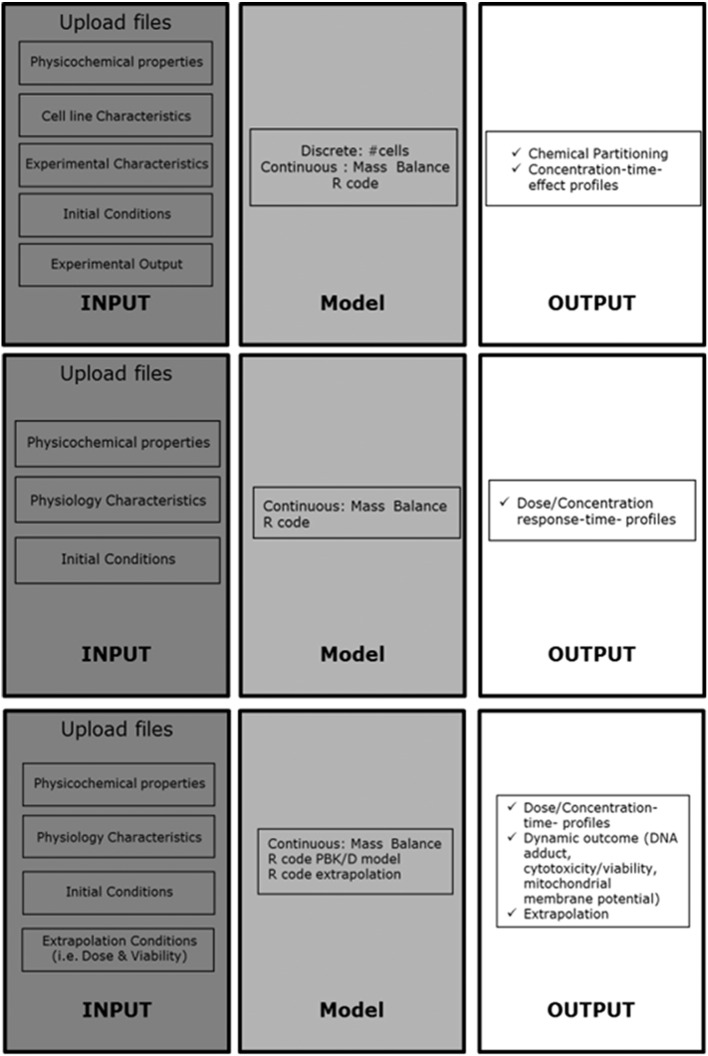
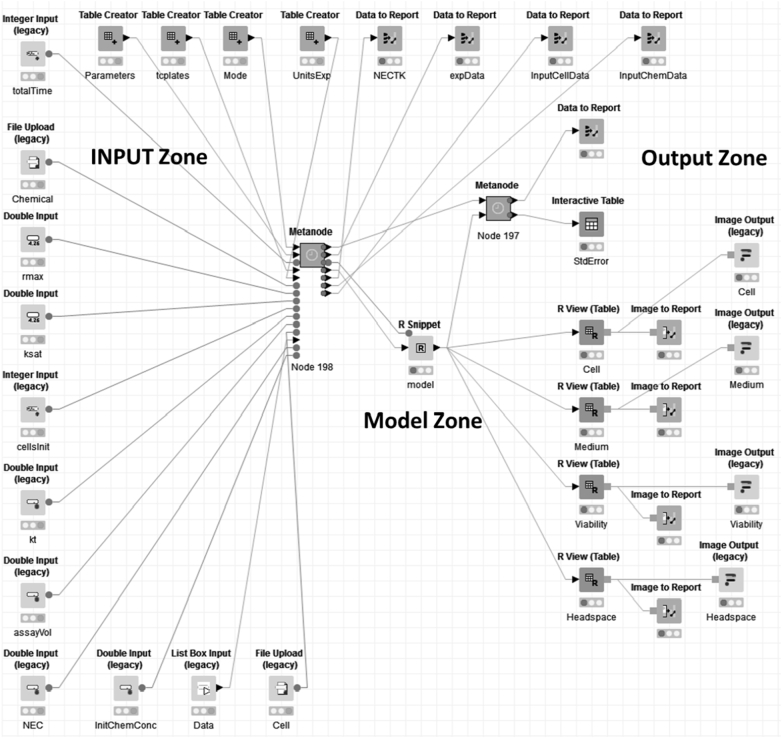
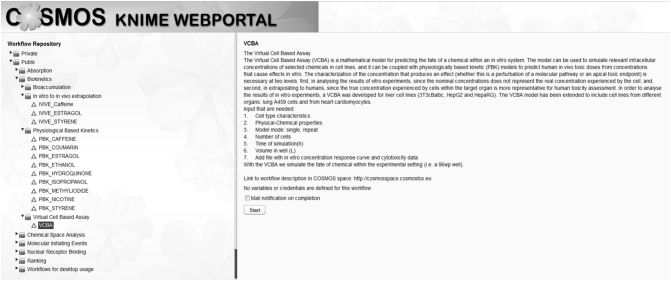
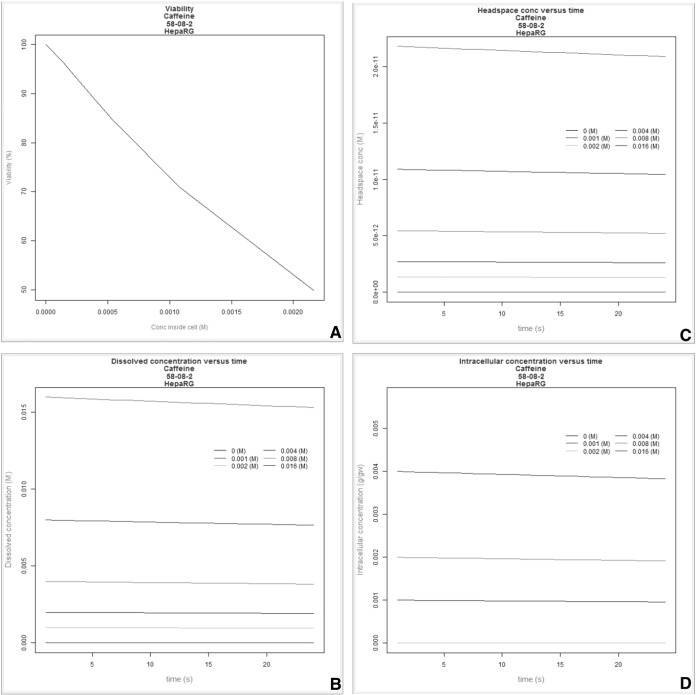
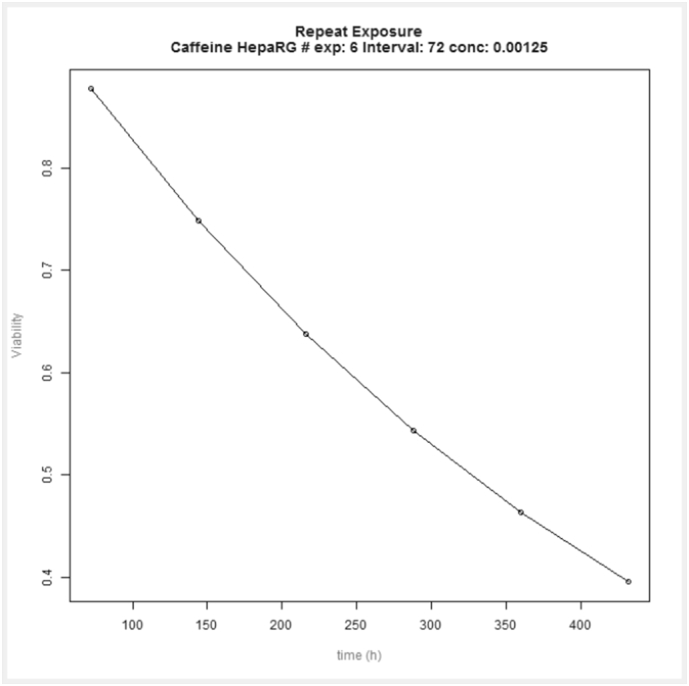
Automation is universal in today's society, from operating equipment such as machinery, in factory processes, to self-parking automobile systems. While these examples show the efficiency and effectiveness of automated mechanical processes, automated procedures that support the chemical risk assessment process are still in their infancy. Future human safety assessments will rely increasingly on the use of automated models, such as physiologically based kinetic (PBK) and dynamic models and the virtual cell based assay (VCBA). These biologically-based models will be coupled with chemistry-based prediction models that also automate the generation of key input parameters such as physicochemical properties. The development of automated software tools is an important step in harmonising and expediting the chemical safety assessment process. In this study, we illustrate how the KNIME Analytics Platform can be used to provide a user-friendly graphical interface for these biokinetic models, such as PBK models and VCBA, which simulates the fate of chemicals in vivo within the body and in vitro test systems respectively.
自动化在当今社会无处不在,从机器等设备的操作,到工厂流程中的自动泊车系统。虽然这些例子展示了自动化机械过程的效率和有效性,但支持化学风险评估过程的自动化程序仍处于起步阶段。未来的人类安全评估将越来越依赖于使用自动化模型,如基于生理学的动力学 (PBK) 和动态模型以及基于虚拟细胞的测定 (VCBA)。这些基于生物学的模型将与基于化学的预测模型相结合,这些模型也可以自动生成关键输入参数,如物理化学性质。开发自动化软件工具是协调和加快化学安全评估过程的重要步骤。在这项研究中,我们说明了如何使用 KNIME Analytics Platform 为这些生物动力学模型(如 PBK 模型和 VCBA)提供用户友好的图形界面,这些模型分别模拟了化学物质在体内和体外测试系统中的命运。