Jang Jiryeon, Rath Oliver, Schueler Julia, Sung Hyun Hwan, Jeon Hwang Gyun, Jeong Byong Chang, Seo Seong Il, Jeon Seong Soo, Lee Hyun Moo, Choi Han-Yong, Kwon Ghee-Young, Park Woong Yang, Lee Jeeyun, Park Se Hoon
Sungkyunkwan University School of Medicine, Samsung Medical Center, Seoul, Republic of Korea.
Oncotest GmbH, Freiburg, Germany.
Transl Oncol. 2017 Jun;10(3):304-310. doi: 10.1016/j.tranon.2017.01.016. Epub 2017 Mar 16.
Although targeting angiogenesis with tyrosine kinase inhibitors (TKIs) has become standard of care in the treatment of clear cell renal cell carcinoma (RCC), resistance mechanism are not fully understood, and there is a need to develop new therapeutic options overcoming them.
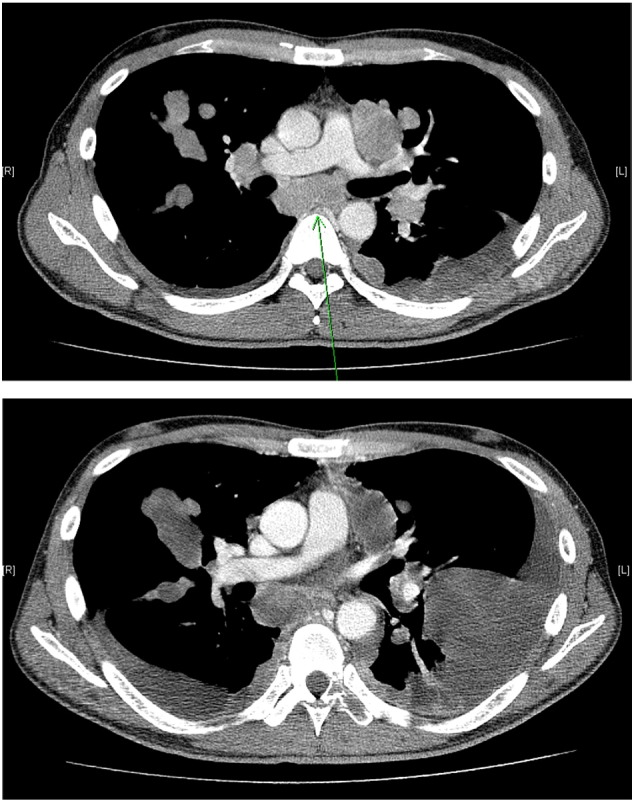
To develop a preclinical model that predicts clinical activity of novel agents in 19 RCC patients, we established patient-derived cell (PDC) and xenograft (PDX) models derived from malignant effusions or surgical specimen.
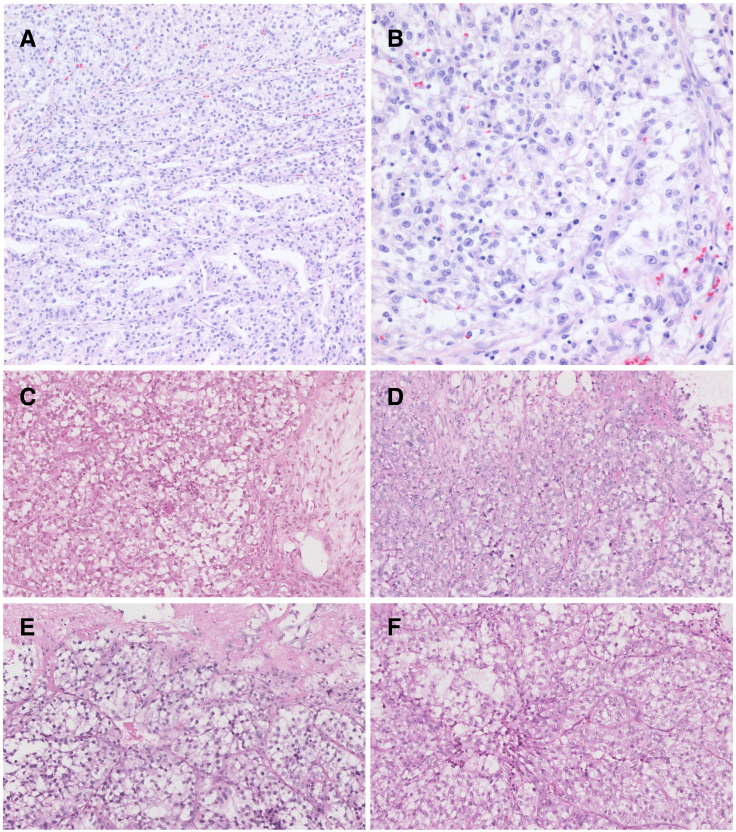
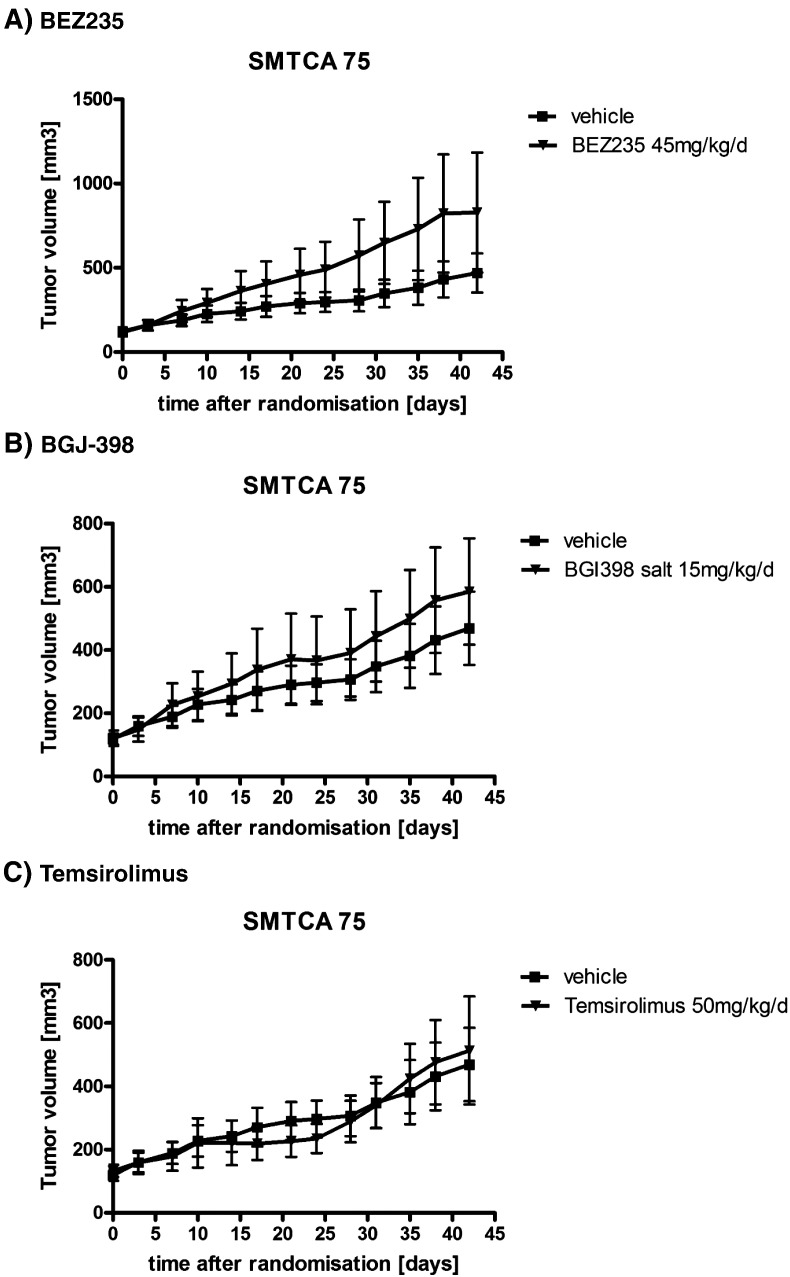
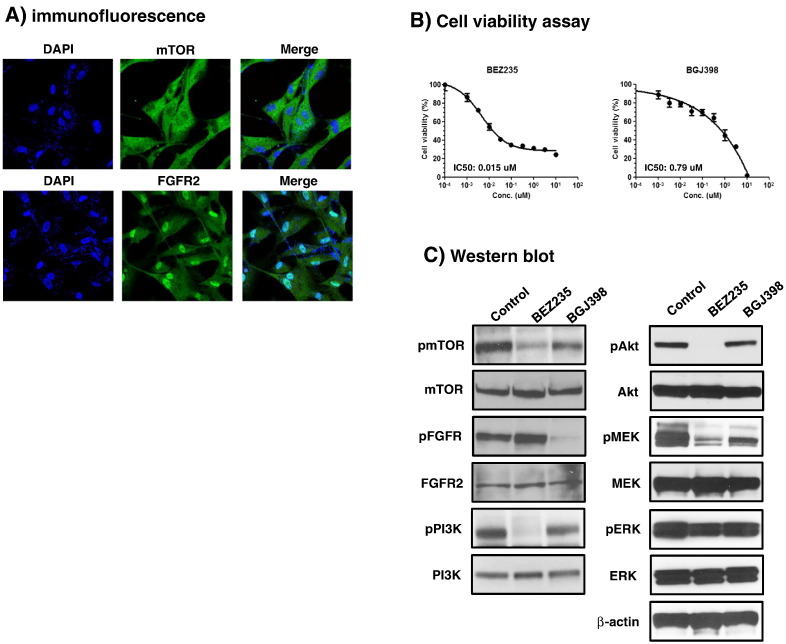
Successful PDCs, defined as cells that maintained growth following two passages, were established in 5 of 15 malignant effusions and 1 of 4 surgical specimens. One PDC, clinically refractory to TKIs, was implanted and engrafted in mice, resulting in a comparable histology to the primary tumor. The PDC-PDX model also showed similar genomic features when tested using targeted sequencing of cancer-related genes. When we examined the drug effects of the PDX model, the tumor cells showed resistance to TKIs and everolimus in vitro.
The results suggest that the PDC-PDX preclinical model we developed using malignant effusions can be a useful preclinical model to interrogate sensitivity to targeted agents based on genomic alterations.
尽管使用酪氨酸激酶抑制剂(TKIs)靶向血管生成已成为透明细胞肾细胞癌(RCC)治疗的标准治疗方法,但耐药机制尚未完全明确,因此需要开发新的治疗方案来克服这些机制。
为了建立一个预测新型药物在19例RCC患者中临床活性的临床前模型,我们建立了源自恶性胸腔积液或手术标本的患者来源细胞(PDC)和异种移植(PDX)模型。
成功建立了PDC,定义为传代两次后仍能维持生长的细胞,15例恶性胸腔积液中有5例成功,4例手术标本中有1例成功。将1例对TKIs临床难治的PDC植入小鼠体内并成功移植,其组织学特征与原发肿瘤相似。使用癌症相关基因的靶向测序进行检测时,PDC-PDX模型也显示出相似的基因组特征。当我们检测PDX模型的药物效果时,肿瘤细胞在体外对TKIs和依维莫司均表现出耐药性。
结果表明,我们使用恶性胸腔积液建立的PDC-PDX临床前模型可能是一种有用的临床前模型,可基于基因组改变来研究对靶向药物的敏感性。