Ju Young Seok, Martincorena Inigo, Gerstung Moritz, Petljak Mia, Alexandrov Ludmil B, Rahbari Raheleh, Wedge David C, Davies Helen R, Ramakrishna Manasa, Fullam Anthony, Martin Sancha, Alder Christopher, Patel Nikita, Gamble Steve, O'Meara Sarah, Giri Dilip D, Sauer Torril, Pinder Sarah E, Purdie Colin A, Borg Åke, Stunnenberg Henk, van de Vijver Marc, Tan Benita K T, Caldas Carlos, Tutt Andrew, Ueno Naoto T, van 't Veer Laura J, Martens John W M, Sotiriou Christos, Knappskog Stian, Span Paul N, Lakhani Sunil R, Eyfjörd Jórunn Erla, Børresen-Dale Anne-Lise, Richardson Andrea, Thompson Alastair M, Viari Alain, Hurles Matthew E, Nik-Zainal Serena, Campbell Peter J, Stratton Michael R
Cancer Genome Project, Wellcome Trust Sanger Institute, Hinxton CB10 1SA, UK.
Graduate School of Medical Science and Engineering, Korea Advanced Institute of Science and Technology, Daejeon, Republic of Korea.
Nature. 2017 Mar 30;543(7647):714-718. doi: 10.1038/nature21703. Epub 2017 Mar 22.
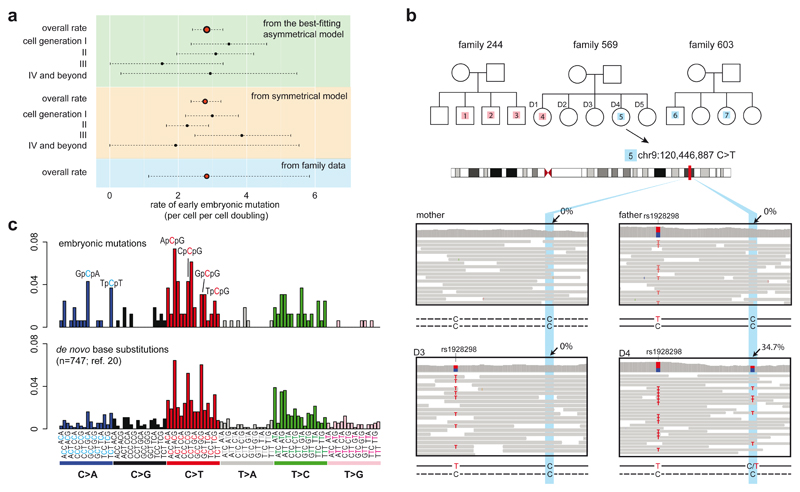
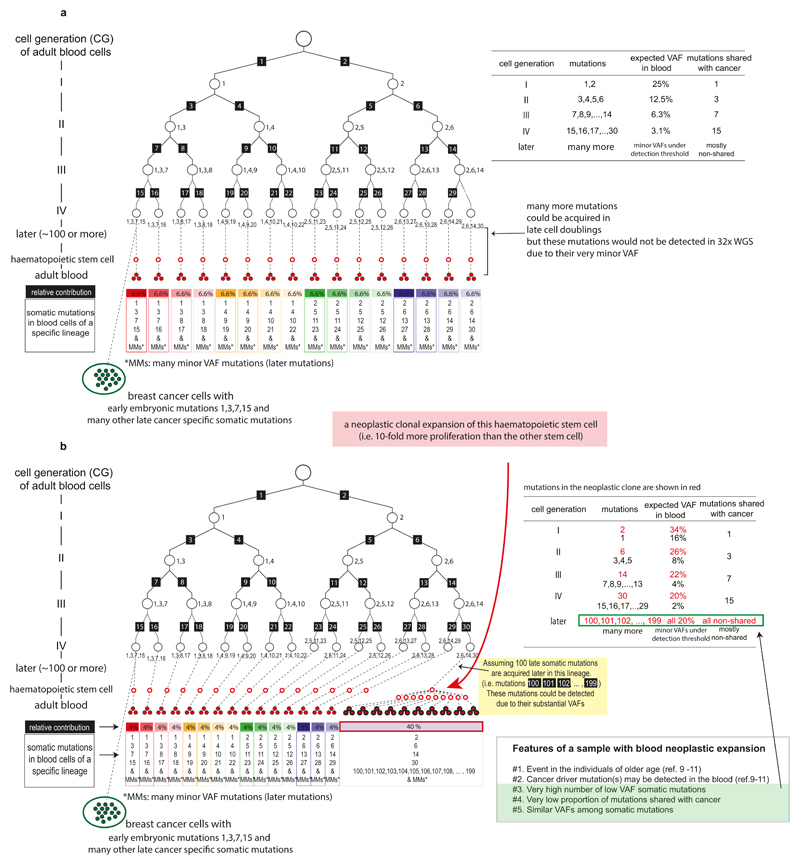
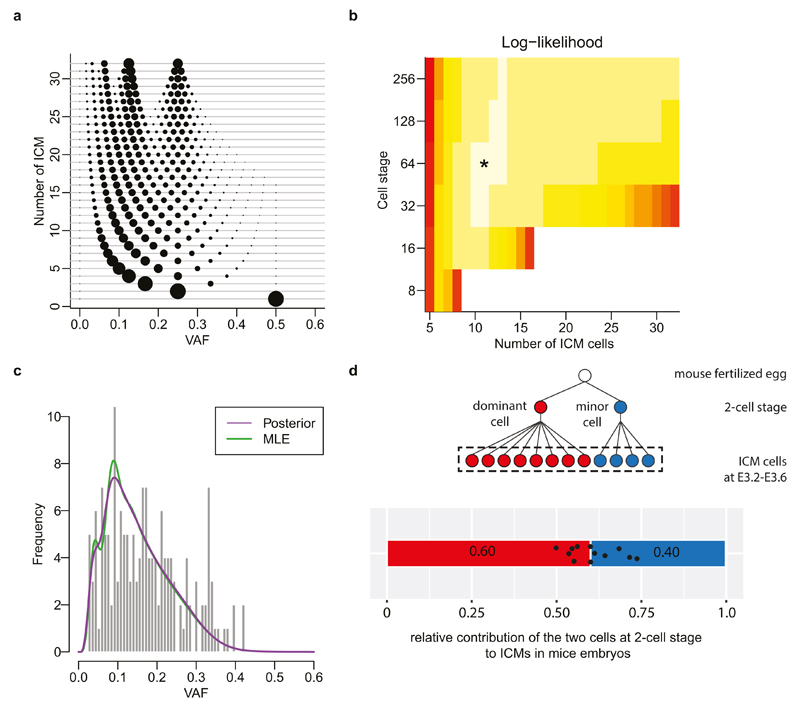
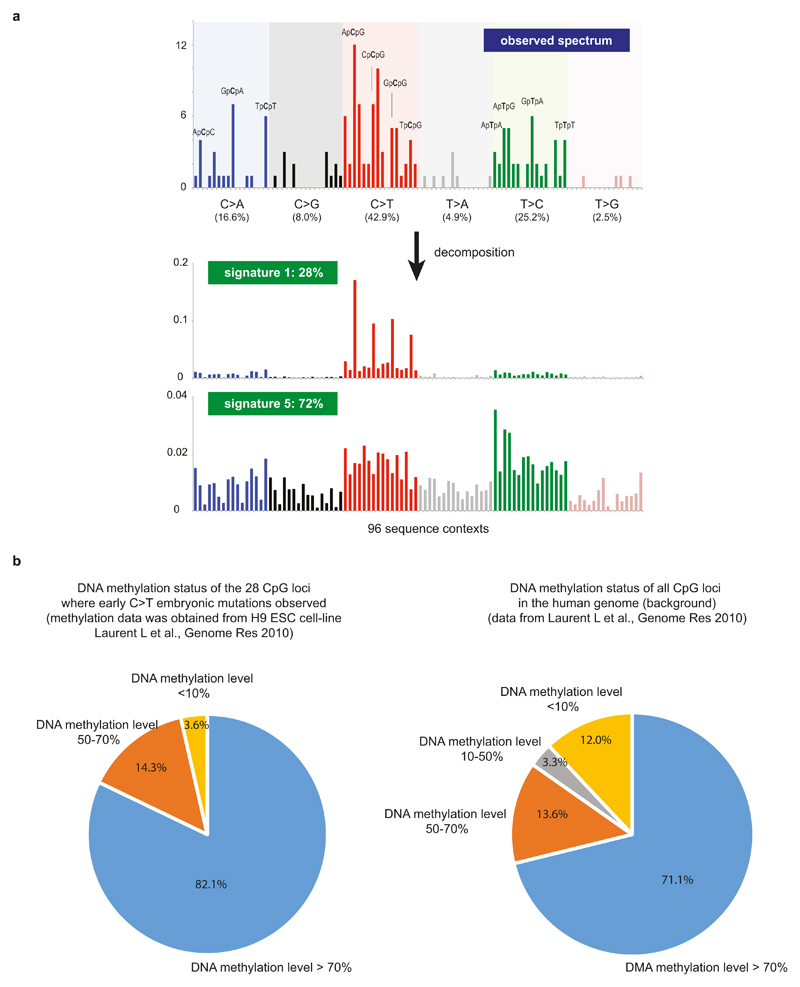
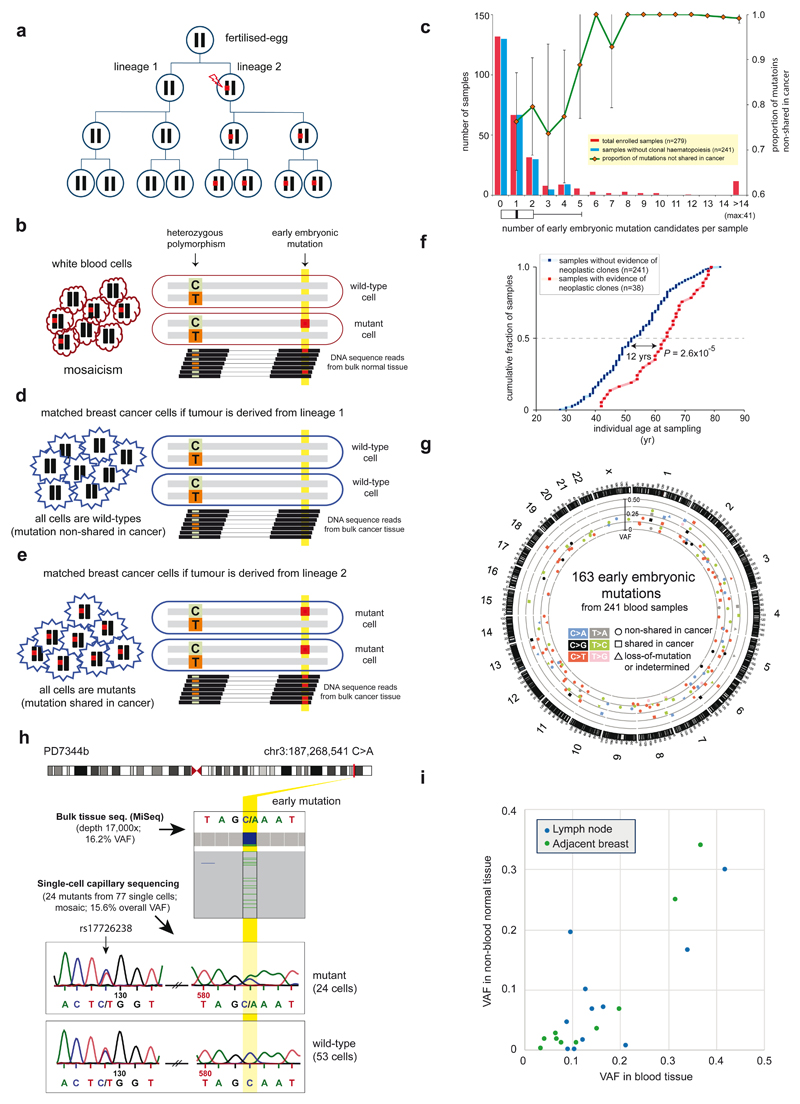
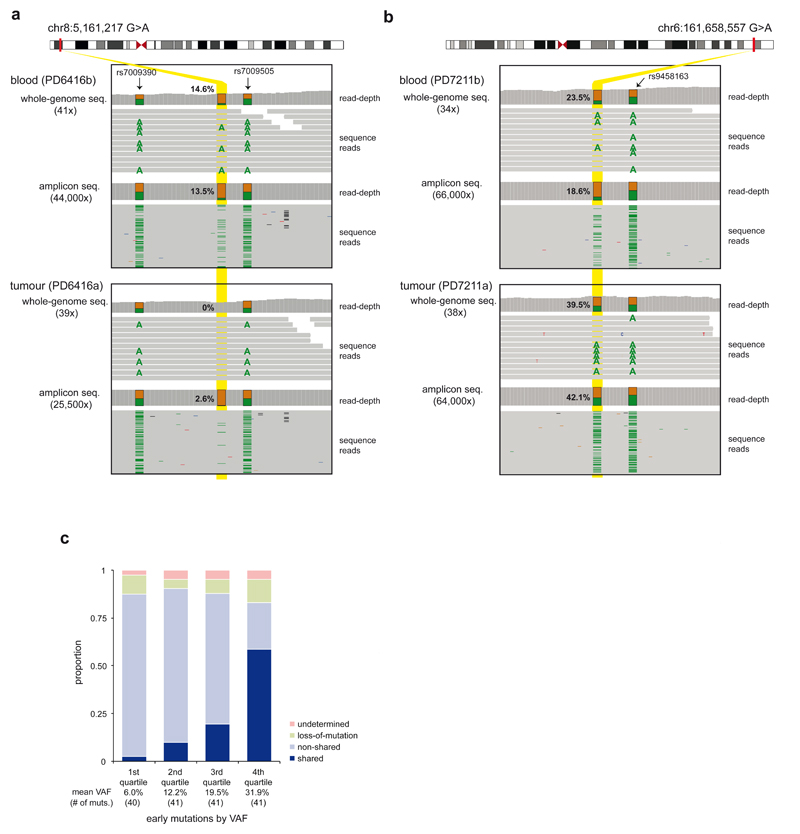
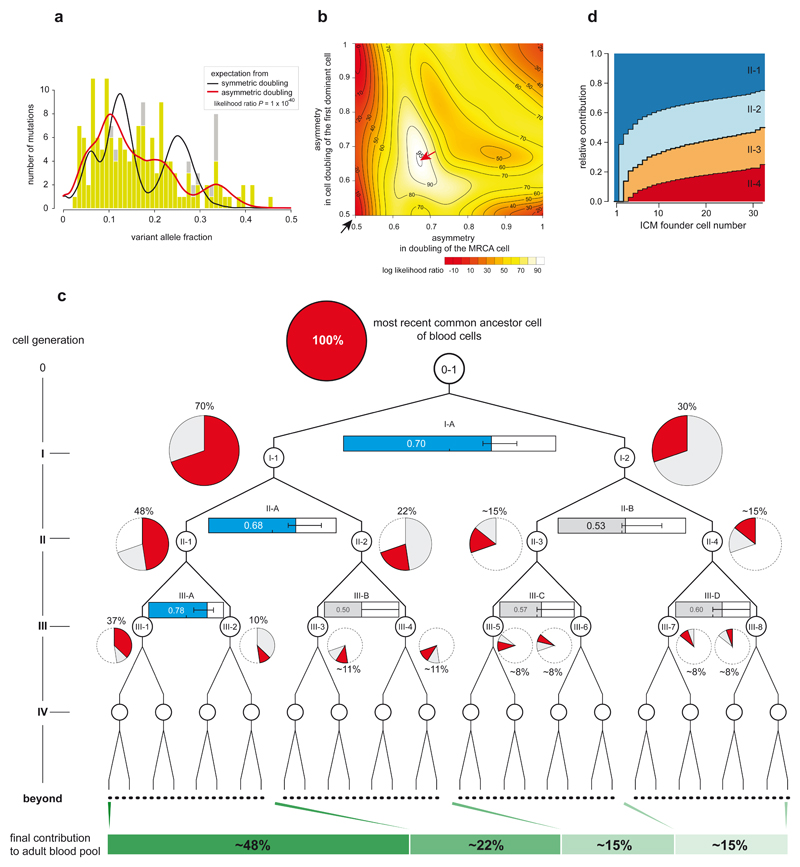
Somatic cells acquire mutations throughout the course of an individual's life. Mutations occurring early in embryogenesis are often present in a substantial proportion of, but not all, cells in postnatal humans and thus have particular characteristics and effects. Depending on their location in the genome and the proportion of cells they are present in, these mosaic mutations can cause a wide range of genetic disease syndromes and predispose carriers to cancer. They have a high chance of being transmitted to offspring as de novo germline mutations and, in principle, can provide insights into early human embryonic cell lineages and their contributions to adult tissues. Although it is known that gross chromosomal abnormalities are remarkably common in early human embryos, our understanding of early embryonic somatic mutations is very limited. Here we use whole-genome sequences of normal blood from 241 adults to identify 163 early embryonic mutations. We estimate that approximately three base substitution mutations occur per cell per cell-doubling event in early human embryogenesis and these are mainly attributable to two known mutational signatures. We used the mutations to reconstruct developmental lineages of adult cells and demonstrate that the two daughter cells of many early embryonic cell-doubling events contribute asymmetrically to adult blood at an approximately 2:1 ratio. This study therefore provides insights into the mutation rates, mutational processes and developmental outcomes of cell dynamics that operate during early human embryogenesis.
体细胞在个体生命过程中会发生突变。胚胎发育早期发生的突变通常存在于出生后人类的相当一部分细胞中,但并非所有细胞都有,因此具有特定的特征和影响。根据这些镶嵌突变在基因组中的位置以及它们所存在的细胞比例,它们可导致多种遗传疾病综合征,并使携带者易患癌症。它们有很高的概率作为新生种系突变传递给后代,原则上,可以为早期人类胚胎细胞谱系及其对成体组织的贡献提供见解。尽管已知染色体大片段异常在早期人类胚胎中非常常见,但我们对早期胚胎体细胞突变的了解非常有限。在这里,我们使用241名成年人正常血液的全基因组序列来识别163个早期胚胎突变。我们估计,在早期人类胚胎发育过程中,每个细胞每发生一次细胞加倍事件大约会出现三个碱基替换突变,这些突变主要归因于两种已知的突变特征。我们利用这些突变重建了成体细胞的发育谱系,并证明许多早期胚胎细胞加倍事件产生的两个子细胞对成人血液的贡献比例约为2:1,是不对称的。因此,这项研究为早期人类胚胎发育过程中细胞动态的突变率、突变过程和发育结果提供了见解。