Kumar Manish, Chandel Madhu, Kaur Paramjeet, Pandit Kritika, Kaur Varinder, Kaur Sandeep, Kaur Satwinderjeet
Department of Botanical and Environmental Sciences, Guru Nanak Dev University Amritsar-143005, Punjab, India; Akal College of Basic Sciences (Botany), Eternal University, Baru Sahib, Sirmour-173101, Himachal Pradesh, India.
Department of Botanical and Environmental Sciences, Guru Nanak Dev University Amritsar-143005, Punjab, India.
EXCLI J. 2016 Dec 21;15:842-857. doi: 10.17179/excli2016-429. eCollection 2016.
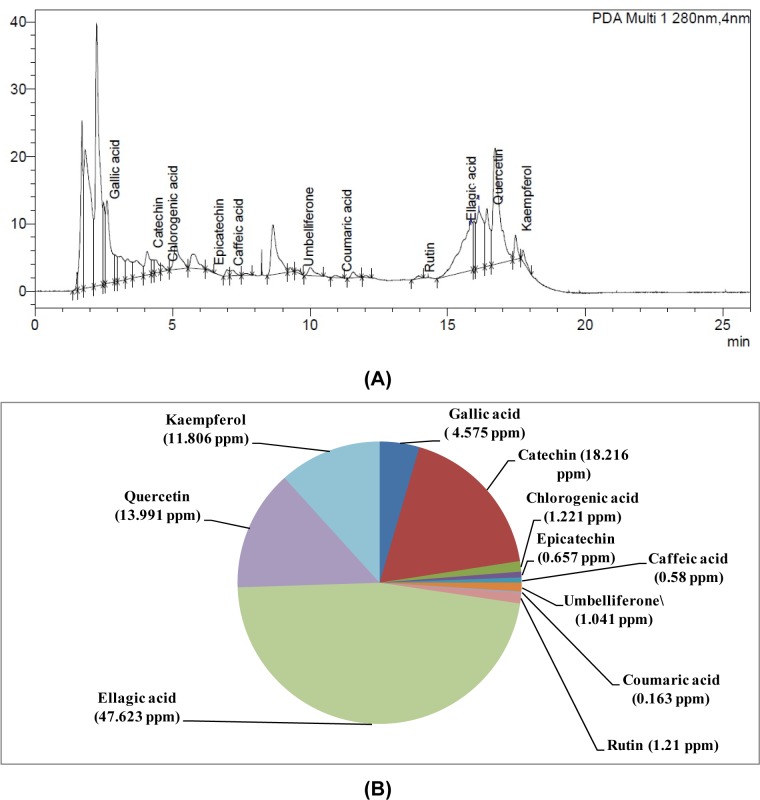
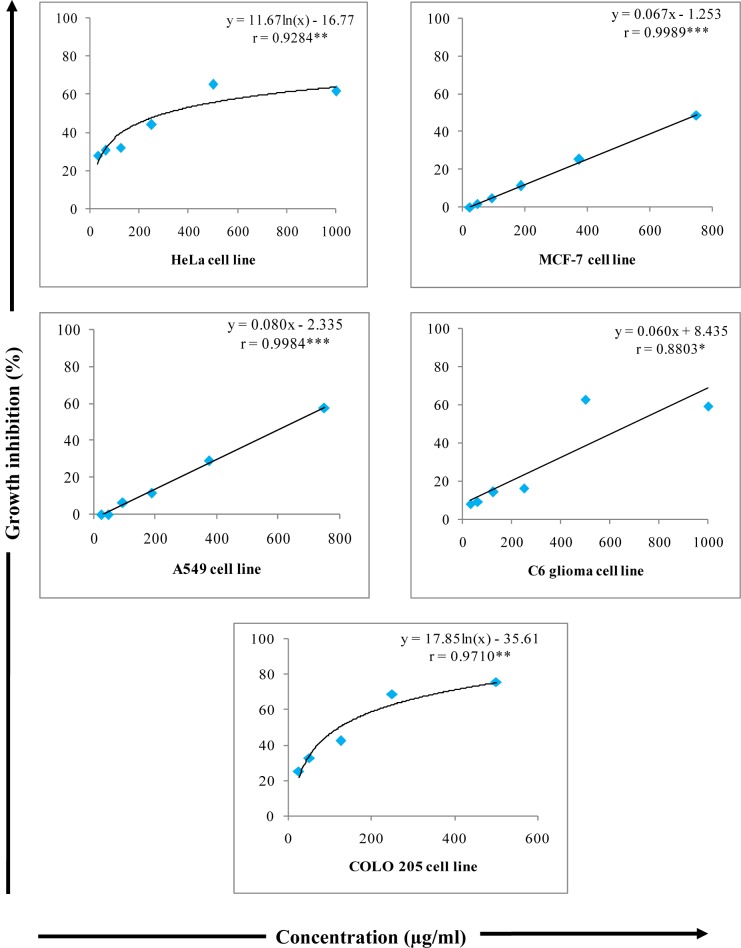
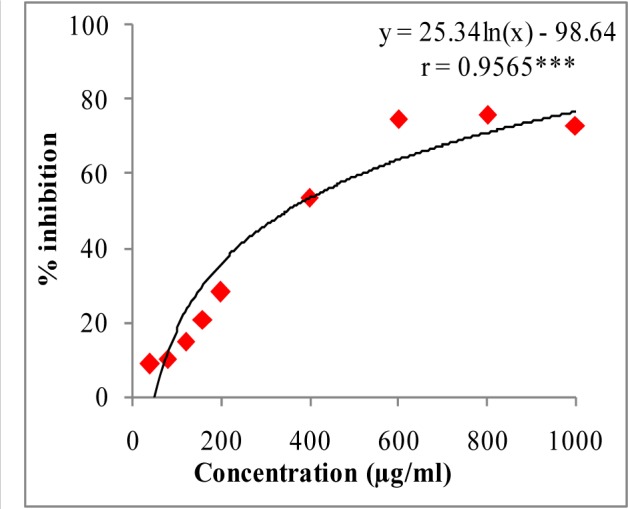
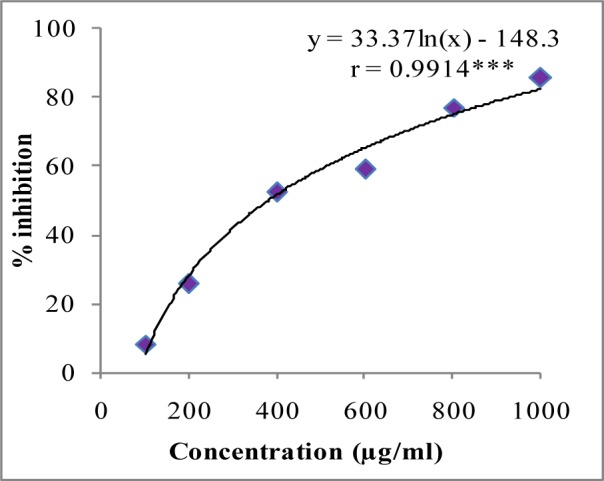
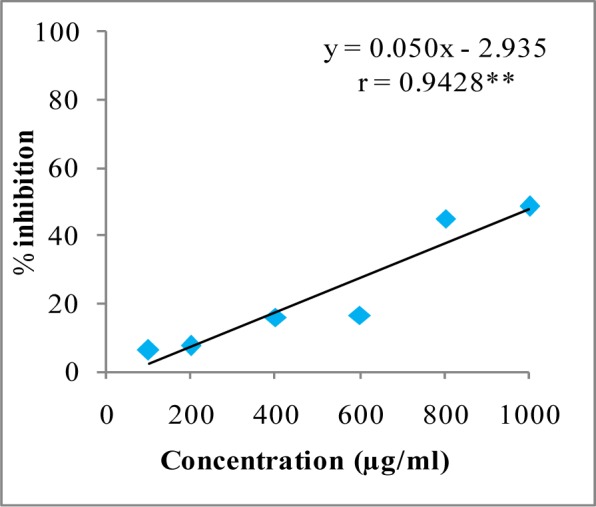
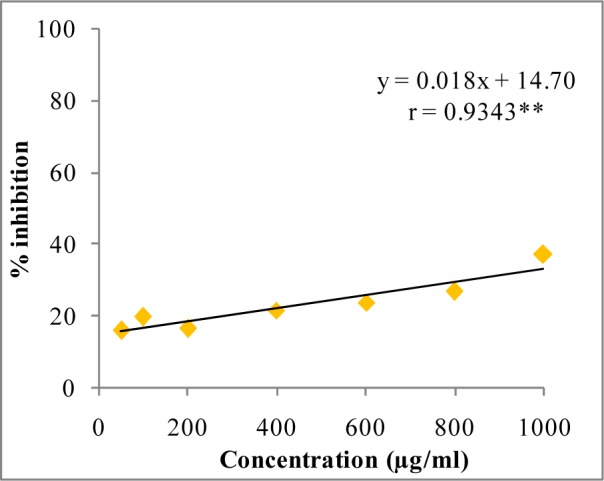
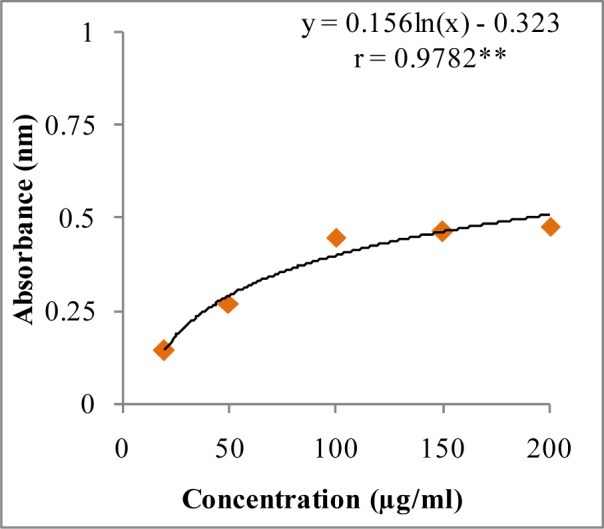
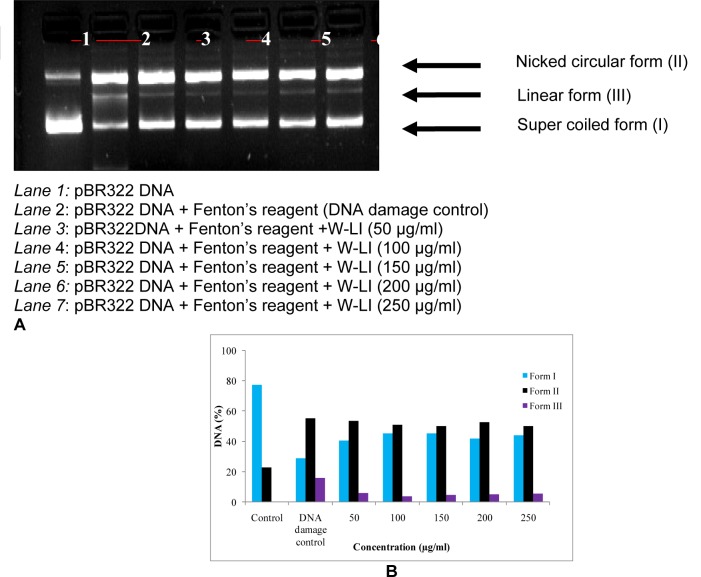
From the centuries, L. (Henna) is utilized in traditional health care system as a medicinal and cosmetic agent. The present study was intended to assess antiradical, DNA protective and antiproliferative activity of water extract of L. leaves (W-LI). Antioxidant activity was estimated using various assays such as DPPH, ABTS, superoxide anion radical scavenging, FRAP, deoxyribose degradation and DNA protection assay. Growth inhibitory effects of W-LI were assessed using MTT assay against different cancer cell lines HeLa, MCF-7, A549, C6 and COLO-205. From the results of antioxidant assays, it was found that W-LI quenched DPPH and ABTS cation radicals with IC value of 352.77 µg/ml and 380.87 µg/ml respectively. It demonstrated hydroxyl radical scavenging potential of 59.75 % at highest test dose of 1000 µg/ml in deoxyribose degradation assay. The results of FRAP assay showed that W-LI also possesses significant reducing activity. Extract inhibited hydroxyl radical induced pBR322 plasmid DNA strand scission, thus conferring DNA protection. Growth inhibition of various cancer cell lines was achieved to the varying extent on treatment with W-LI. Further, it was observed that activity was quite promising against colon cancer COLO-205 cells (GI 121.03 µg/ml). HPLC profiling of W-LI revealed the presence of different polyphenolic compounds such as ellagic acid, catechin, quercetin, kaempferol etc. which might be contributing towards antioxidant and cytotoxic activity. The present study demonstrated that polyphenols rich W-LI extract from leaves of possesses ability to inhibit oxidative radicals and cancer cells proliferation.
几个世纪以来,散沫花(Lawsonia inermis L.)在传统医疗体系中被用作药物和化妆品原料。本研究旨在评估散沫花树叶水提取物(W-LI)的抗自由基、DNA保护和抗增殖活性。使用多种检测方法评估抗氧化活性,如DPPH、ABTS、超氧阴离子自由基清除、FRAP、脱氧核糖降解和DNA保护检测。使用MTT检测法评估W-LI对不同癌细胞系HeLa、MCF-7、A549、C6和COLO-205的生长抑制作用。从抗氧化检测结果发现,W-LI淬灭DPPH和ABTS阳离子自由基,IC值分别为352.77μg/ml和380.87μg/ml。在脱氧核糖降解检测中,在最高测试剂量1000μg/ml时,其显示出59.75%的羟自由基清除潜力。FRAP检测结果表明,W-LI也具有显著的还原活性。该提取物抑制羟自由基诱导的pBR322质粒DNA链断裂,从而提供DNA保护。用W-LI处理后,不同癌细胞系的生长受到不同程度的抑制。此外,观察到其对结肠癌COLO-205细胞的活性非常有前景(GI为121.03μg/ml)。W-LI的HPLC分析表明存在不同的多酚化合物,如鞣花酸、儿茶素、槲皮素、山奈酚等,这些可能有助于抗氧化和细胞毒性活性。本研究表明,散沫花树叶富含多酚的W-LI提取物具有抑制氧化自由基和癌细胞增殖的能力。