Asakawa Shinichiro, Shibata Shigeru, Morimoto Chikayuki, Shiraishi Takeshi, Nakamura Takashi, Tamura Yoshifuru, Kumagai Takanori, Hosoyamada Makoto, Uchida Shunya
Division of Nephrology, Department of Internal Medicine, Teikyo University School of Medicine, 2-11-1 Kaga, Itabashi-ku, Tokyo 173-8605, Japan.
Division of Nephrology, Department of Internal Medicine, Teikyo University School of Medicine, 2-11-1 Kaga, Itabashi-ku, Tokyo 173-8605, Japan; Support for Community Medicine Endowed Chair, Teikyo University School of Medicine, Tokyo 173-8605, Japan.
Oxid Med Cell Longev. 2017;2017:3759153. doi: 10.1155/2017/3759153. Epub 2017 Feb 28.
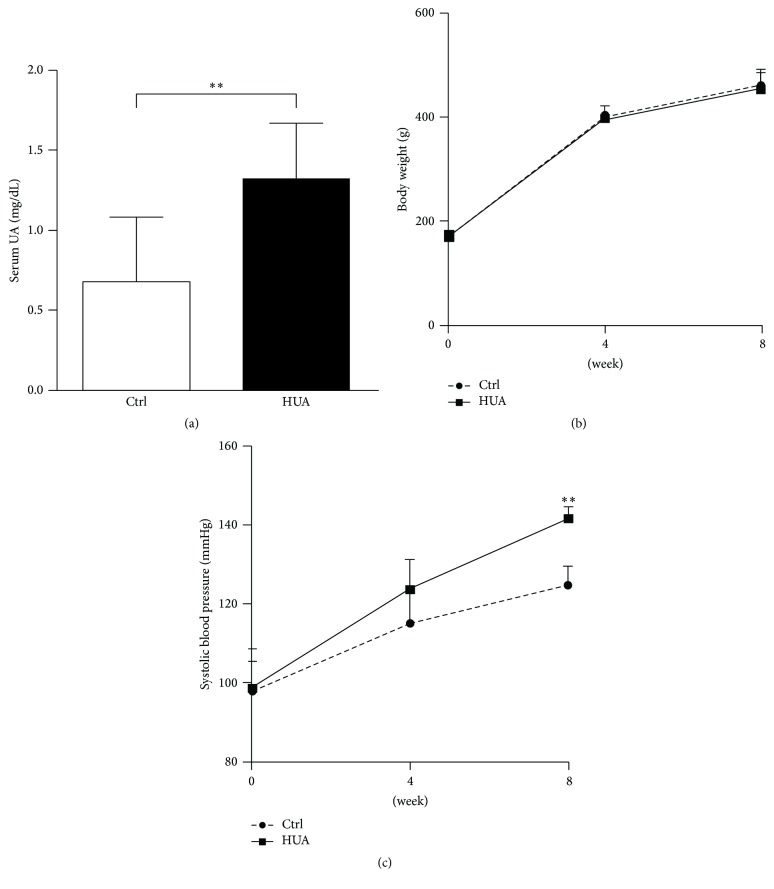
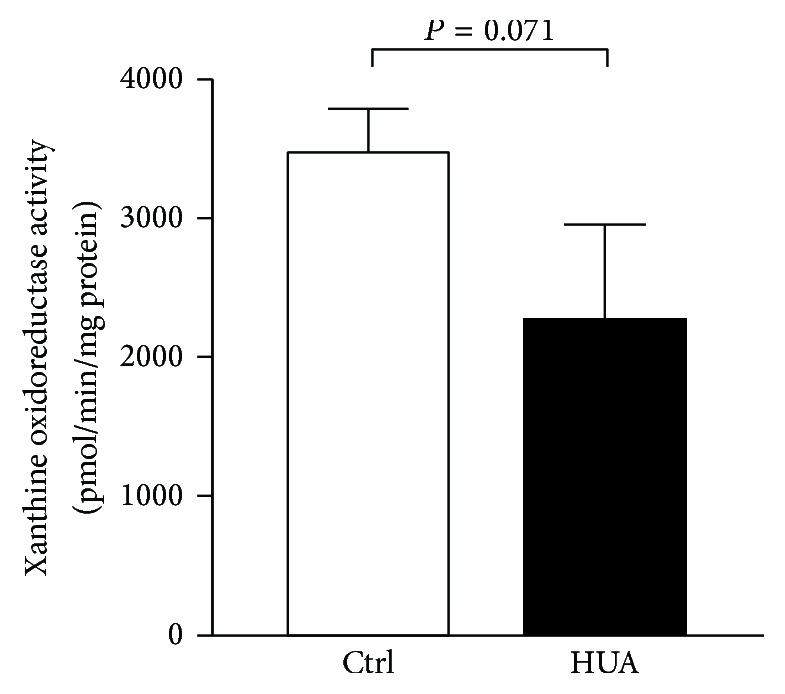
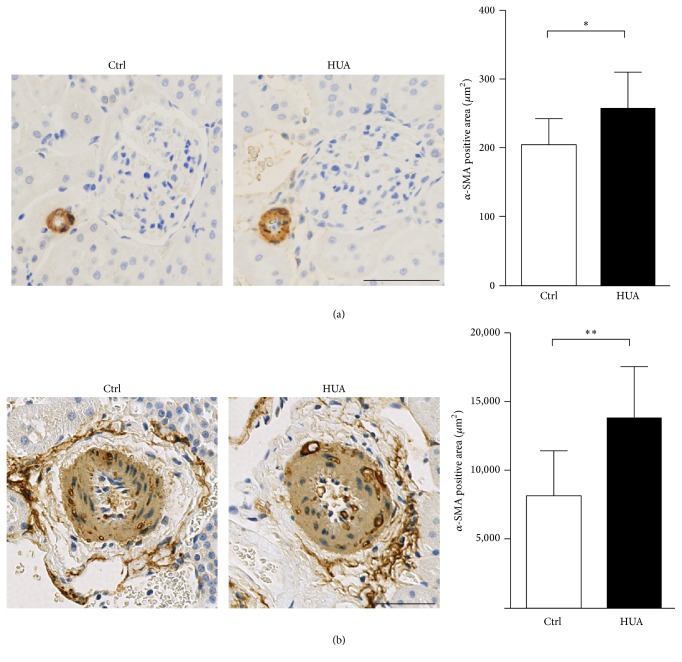
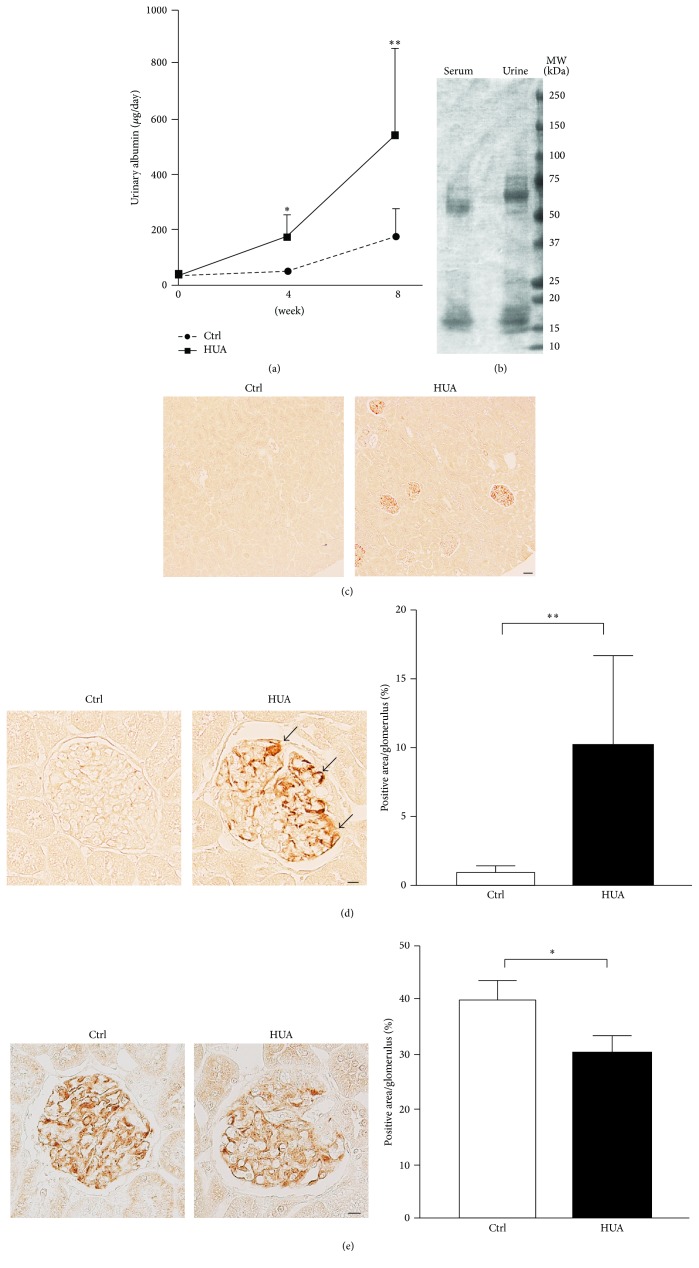
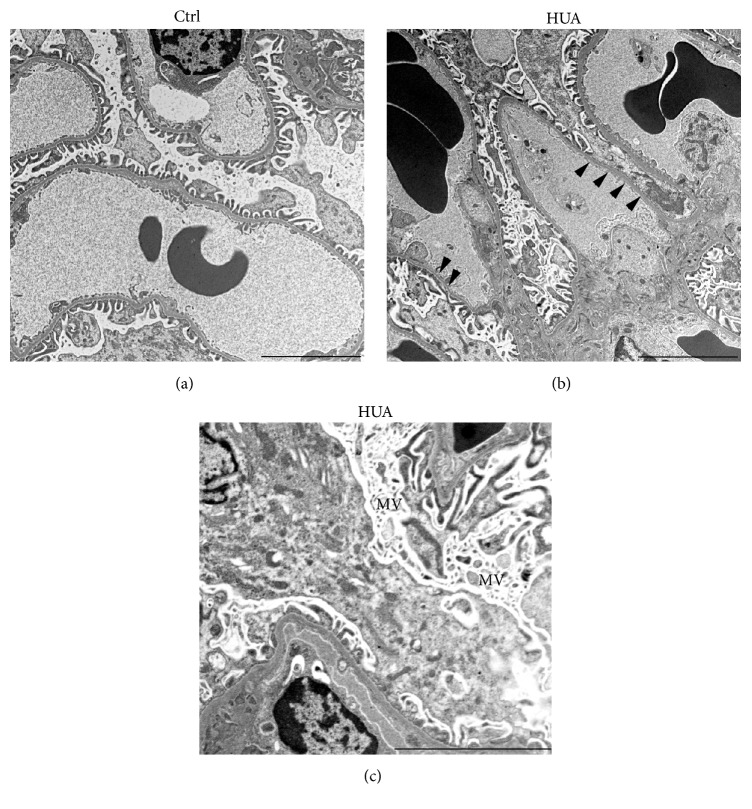
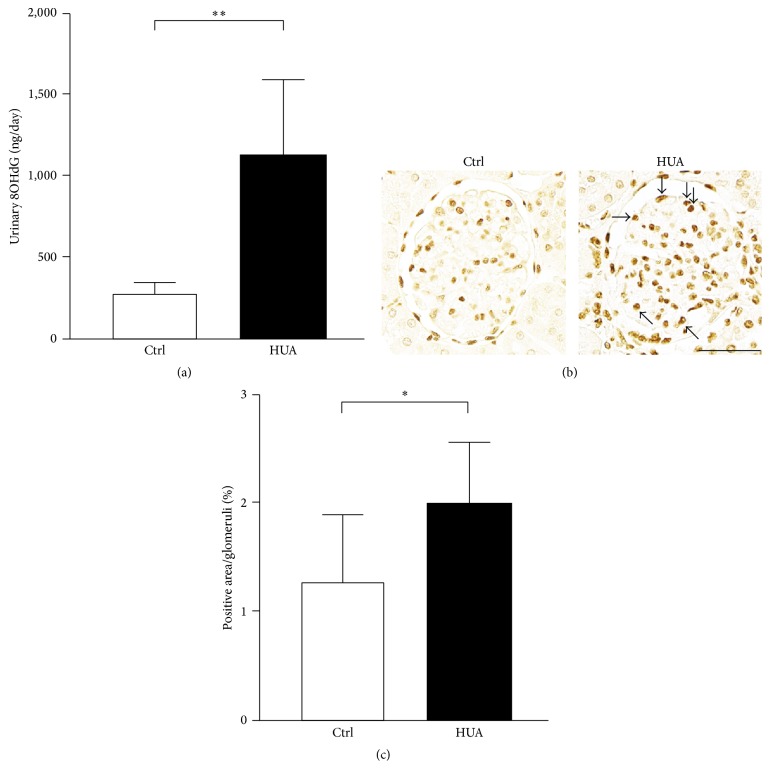
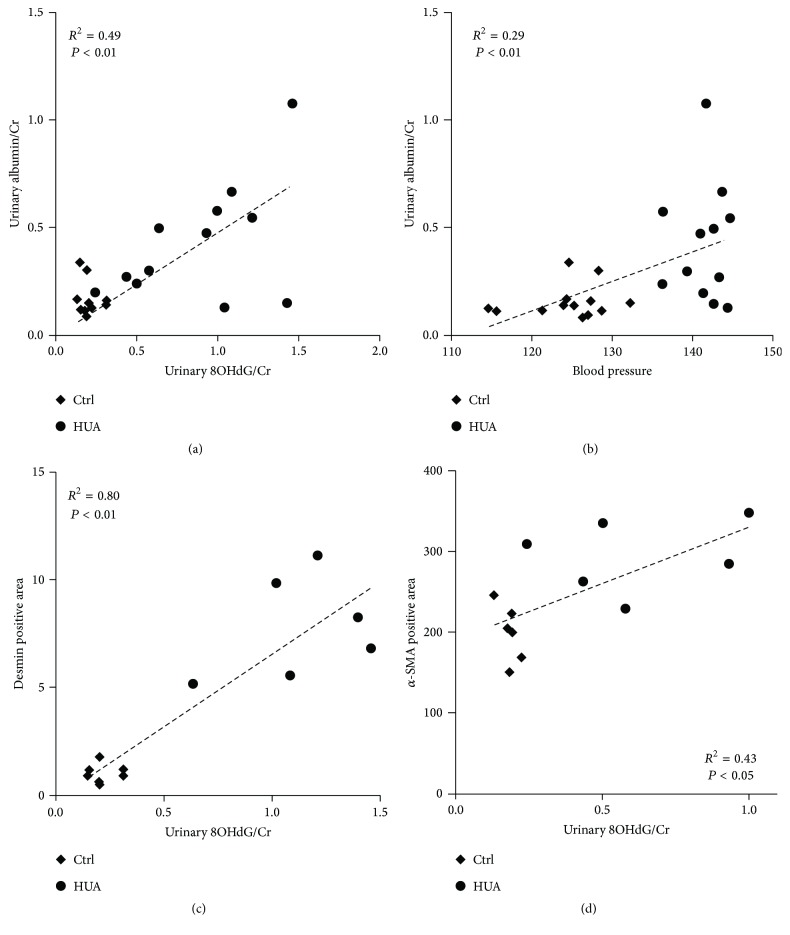
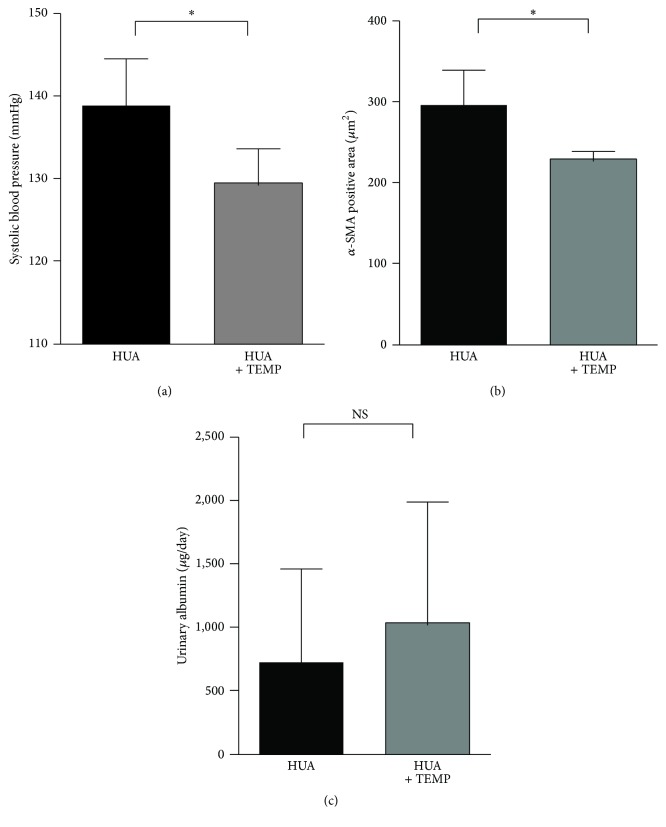
Although hyperuricemia is shown to accelerate chronic kidney disease, the mechanisms remain unclear. Accumulating studies also indicate that uric acid has both pro- and antioxidant properties. We postulated that hyperuricemia impairs the function of glomerular podocytes, resulting in albuminuria. Hyperuricemic model was induced by oral administration of 2% oxonic acid, a uricase inhibitor. Oxonic acid caused a twofold increase in serum uric acid levels at 8 weeks when compared to control animals. Hyperuricemia in this model was associated with the increase in blood pressure and the wall-thickening of afferent arterioles as well as arcuate arteries. Notably, hyperuricemic rats showed significant albuminuria, and the podocyte injury marker, desmin, was upregulated in the glomeruli. Conversely, podocin, the key component of podocyte slit diaphragm, was downregulated. Structural analysis using transmission electron microscopy confirmed podocyte injury in this model. We found that urinary 8-hydroxy-2'-deoxyguanosine levels were significantly increased and correlated with albuminuria and podocytopathy. Interestingly, although the superoxide dismutase mimetic, tempol, ameliorated the vascular changes and the hypertension, it failed to reduce albuminuria, suggesting that vascular remodeling and podocyte injury in this model are mediated through different mechanisms. In conclusion, vasculopathy and podocytopathy may distinctly contribute to the kidney injury in a hyperuricemic state.
尽管高尿酸血症被证明会加速慢性肾脏病的发展,但其机制仍不清楚。越来越多的研究也表明尿酸具有促氧化和抗氧化特性。我们推测高尿酸血症会损害肾小球足细胞的功能,从而导致蛋白尿。通过口服2%氧嗪酸钾(一种尿酸酶抑制剂)诱导高尿酸血症模型。与对照动物相比,氧嗪酸钾在8周时使血清尿酸水平增加了两倍。该模型中的高尿酸血症与血压升高、入球小动脉以及弓状动脉壁增厚有关。值得注意的是,高尿酸血症大鼠出现了明显的蛋白尿,并且肾小球中足细胞损伤标志物结蛋白上调。相反,足细胞裂孔隔膜的关键成分足突蛋白下调。使用透射电子显微镜进行的结构分析证实了该模型中存在足细胞损伤。我们发现尿中8-羟基-2'-脱氧鸟苷水平显著升高,且与蛋白尿和足细胞病变相关。有趣的是,尽管超氧化物歧化酶模拟物tempol改善了血管变化和高血压,但它未能降低蛋白尿,这表明该模型中的血管重塑和足细胞损伤是通过不同机制介导的。总之,血管病变和足细胞病变可能各自对高尿酸血症状态下的肾脏损伤起作用。