Linder Tobias, Bernsteiner Harald, Saxena Priyanka, Bauer Florian, Erker Thomas, Timin Eugen, Hering Steffen, Stary-Weinzinger Anna
Department of Pharmacology and Toxicology , University of Vienna , Austria . Email:
Department of Pharmaceutical Chemistry , University of Vienna , Austria.
Medchemcomm. 2016 Mar 1;7(3):512-518. doi: 10.1039/c5md00443h. Epub 2015 Dec 22.
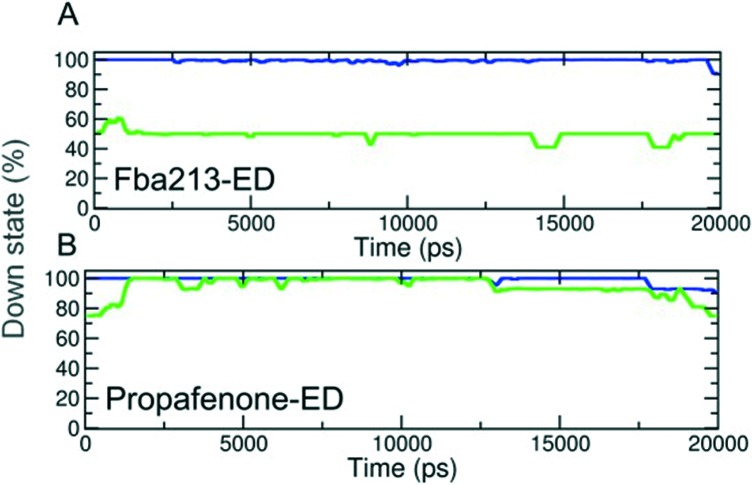
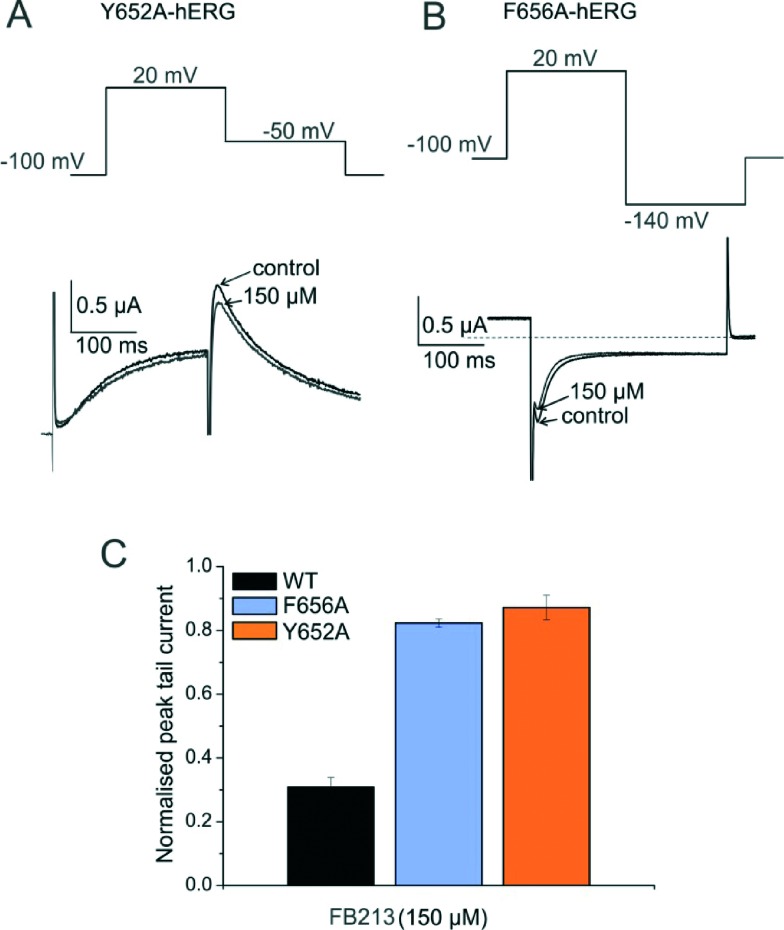
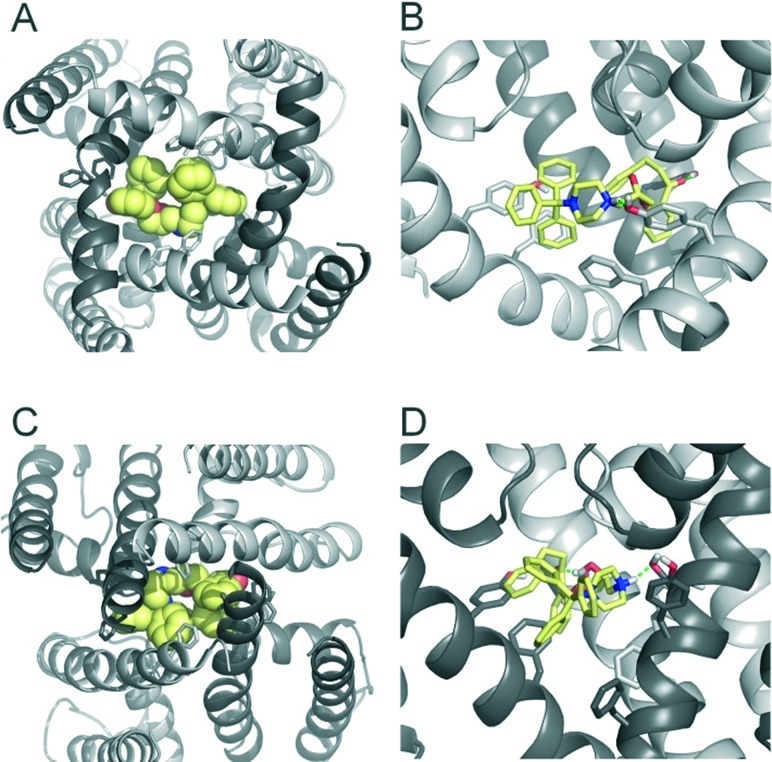
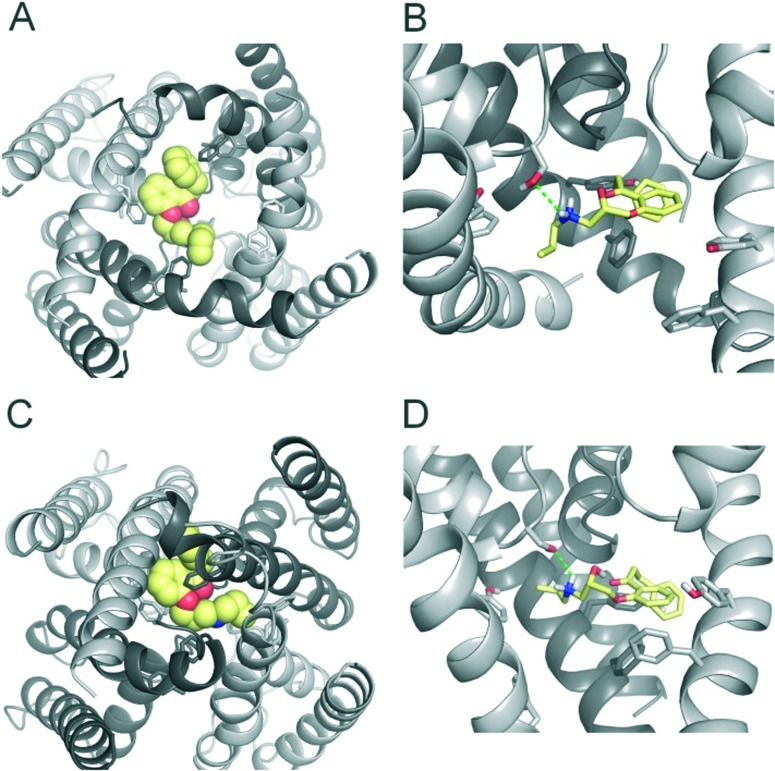
Inhibition of hERG K channels by structurally diverse drugs prolongs the ventricular action potential and increases the risk of torsade de pointes arrhythmias and sudden cardiac death. The capture of drugs behind closed channel gates, so-called drug trapping, is suggested to harbor an increased pro-arrhythmic risk. In this study, the trapping mechanisms of a trapped hERG blocker propafenone and a bulky derivative (MW: 647.24 g mol) were studied by making use of electrophysiological measurements in combination with molecular dynamics simulations. Our study suggests that the hERG cavity is able to accommodate very bulky compounds without disturbing gate closure.
结构多样的药物对人乙醚 - 去极化相关基因(hERG)钾通道的抑制作用会延长心室动作电位,并增加尖端扭转型室性心动过速和心源性猝死的风险。药物在关闭的通道门后被捕获,即所谓的药物滞留,被认为会增加致心律失常风险。在本研究中,通过结合电生理测量和分子动力学模拟,研究了滞留的hERG阻滞剂普罗帕酮及其一种大分子衍生物(分子量:647.24 g/mol)的滞留机制。我们的研究表明,hERG通道腔能够容纳非常大的化合物而不干扰门的关闭。