Pallas-Bazarra Noemí, Kastanauskaite Asta, Avila Jesús, DeFelipe Javier, Llorens-Martín María
Centro de Biología Molecular Severo Ochoa - Consejo Superior de Investigaciones Cientificas, Universidad Autónoma de MadridMadrid, Spain; Centro de Investigación Biomédica en Red sobre Enfermedades NeurodegenerativasMadrid, Spain.
Centro de Investigación Biomédica en Red sobre Enfermedades NeurodegenerativasMadrid, Spain; Cajal Laboratory of Cortical Circuits, Centro de Tecnologá Biomédica, Universidad Politécnica de MadridMadrid, Spain.
Front Neuroanat. 2017 Mar 10;11:18. doi: 10.3389/fnana.2017.00018. eCollection 2017.
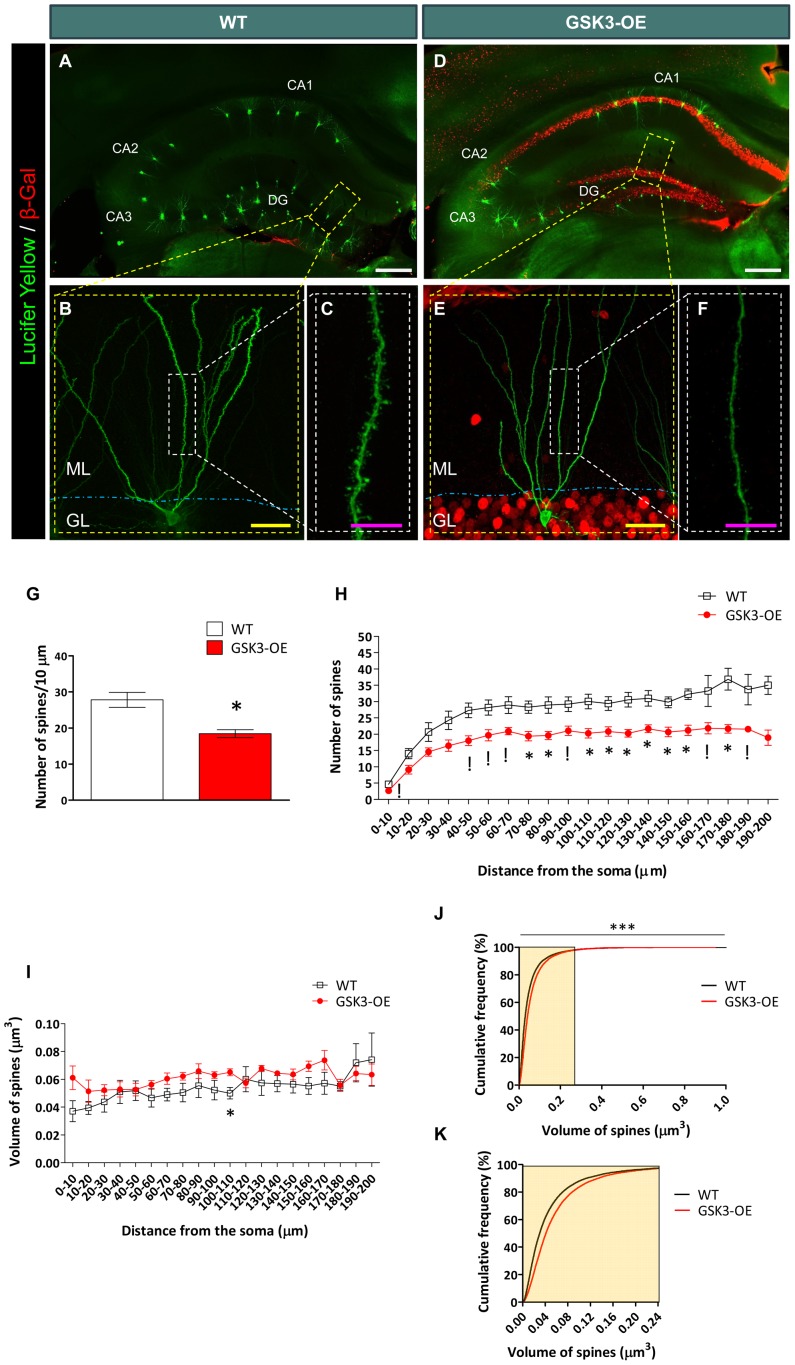
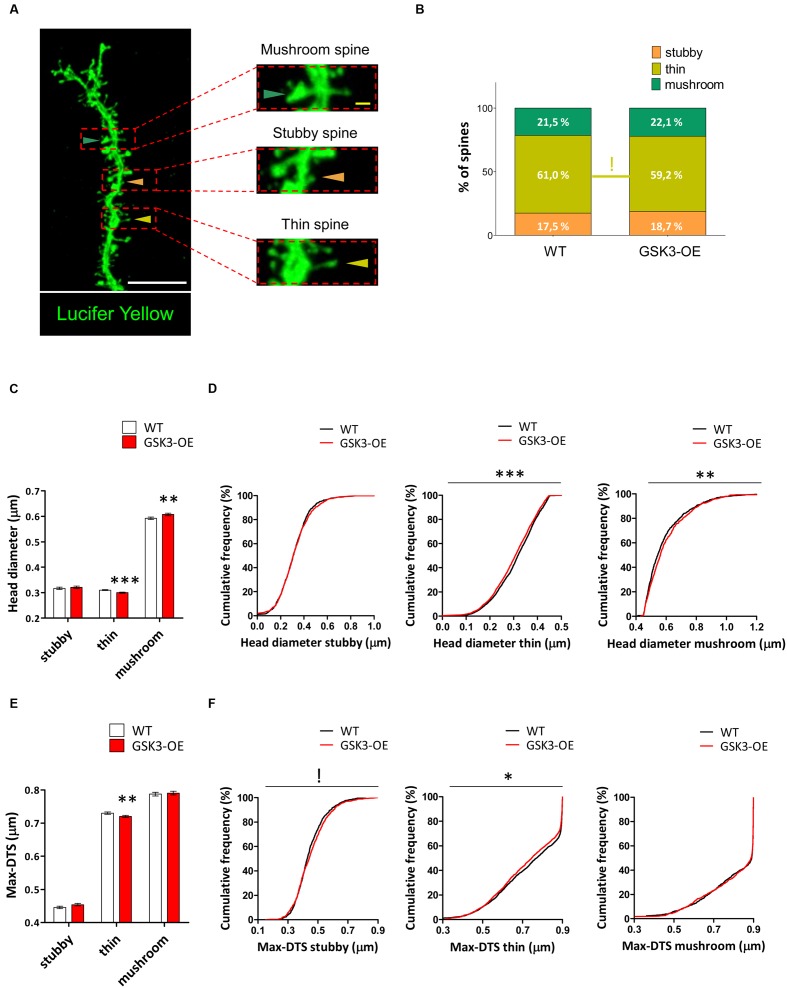
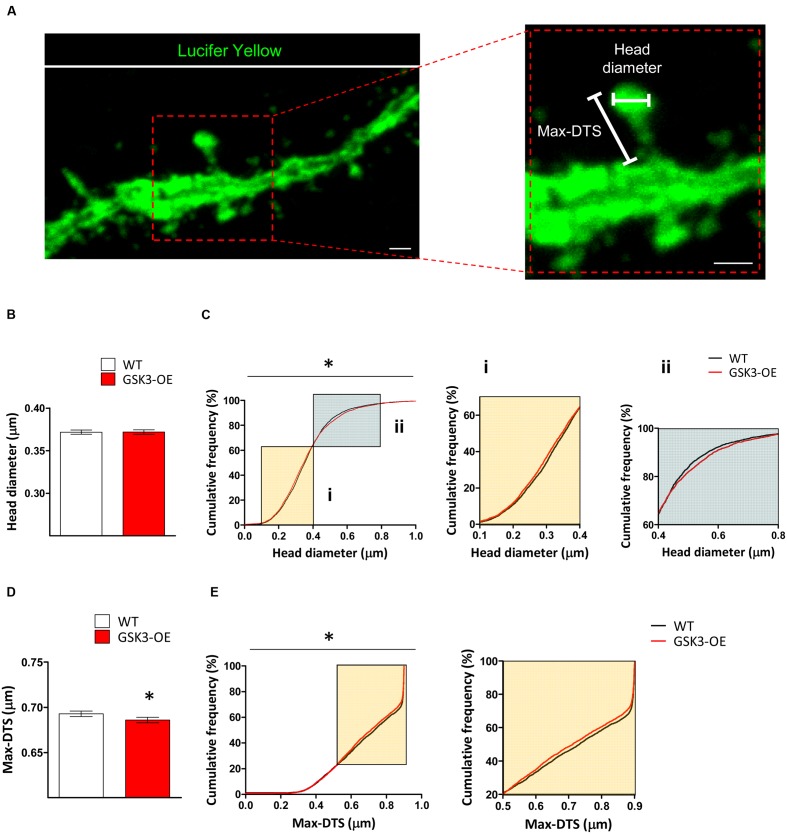
The dentate gyrus (DG) plays a crucial role in hippocampal-related memory. The most abundant cellular type in the DG, namely granule neurons, are developmentally generated around postnatal day P6 in mice. Moreover, a unique feature of the DG is the occurrence of adult hippocampal neurogenesis, a process that gives rise to newborn granule neurons throughout life. Adult-born and developmentally generated granule neurons share some maturational aspects but differ in others, such as in their positioning within the granule cell layer. Adult hippocampal neurogenesis encompasses a series of plastic changes that modify the function of the hippocampal trisynaptic network. In this regard, it is known that glycogen synthase kinase 3β (GSK-3β) regulates both synaptic plasticity and memory. By using a transgenic mouse overexpressing GSK-3β in hippocampal neurons, we previously demonstrated that the overexpression of this kinase has deleterious effects on the maturation of newborn granule neurons. In the present study, we addressed the effects of GSK-3β overexpression on the morphology and number of dendritic spines of developmentally generated granule neurons. To this end, we performed intracellular injections of Lucifer Yellow in developmentally generated granule neurons of wild-type and GSK-3β-overexpressing mice and analyzed the number and morphologies of dendritic spines (namely, stubby, thin and mushroom). GSK-3β overexpression led to a general reduction in the number of dendritic spines. In addition, it caused a slight reduction in the percentage, head diameter and length of thin spines, whereas the head diameter of mushroom spines was increased.
齿状回(DG)在海马体相关记忆中起着关键作用。DG中最丰富的细胞类型,即颗粒神经元,在小鼠出生后第6天左右发育产生。此外,DG的一个独特特征是成体海马神经发生,这一过程在一生中都会产生新生颗粒神经元。成年产生的颗粒神经元和发育产生的颗粒神经元在某些成熟方面有共同之处,但在其他方面存在差异,比如它们在颗粒细胞层中的定位。成体海马神经发生包括一系列改变海马体三突触网络功能的可塑性变化。在这方面,已知糖原合酶激酶3β(GSK - 3β)调节突触可塑性和记忆。通过使用在海马神经元中过表达GSK - 3β的转基因小鼠,我们之前证明了这种激酶的过表达对新生颗粒神经元的成熟有有害影响。在本研究中,我们探讨了GSK - 3β过表达对发育产生的颗粒神经元树突棘形态和数量的影响。为此,我们对野生型和过表达GSK - 3β小鼠发育产生的颗粒神经元进行了荧光黄的细胞内注射,并分析了树突棘的数量和形态(即短粗型、细小型和蘑菇型)。GSK - 3β过表达导致树突棘数量普遍减少。此外,它还导致细小型树突棘的百分比、头部直径和长度略有减少,而蘑菇型树突棘的头部直径增加。