Jain Sachin, Song Ruolan, Xie Jingwu
Indiana University School of Medicine.
Department of Pediatrics, Herman B Wells Center for Pediatric Research, Indianapolis, IN, USA.
Onco Targets Ther. 2017 Mar 16;10:1645-1653. doi: 10.2147/OTT.S130910. eCollection 2017.
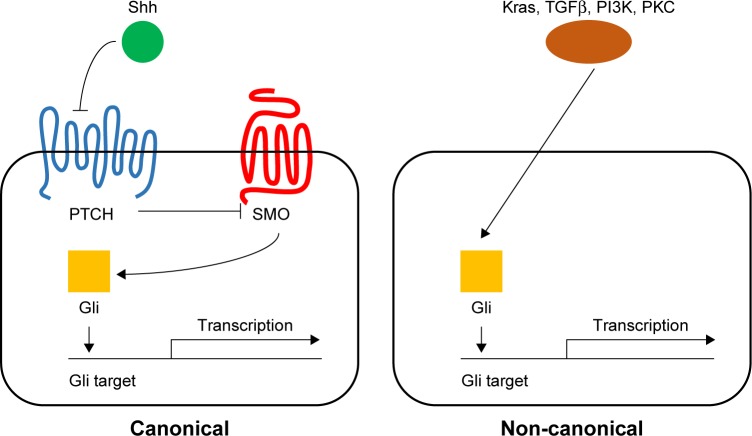
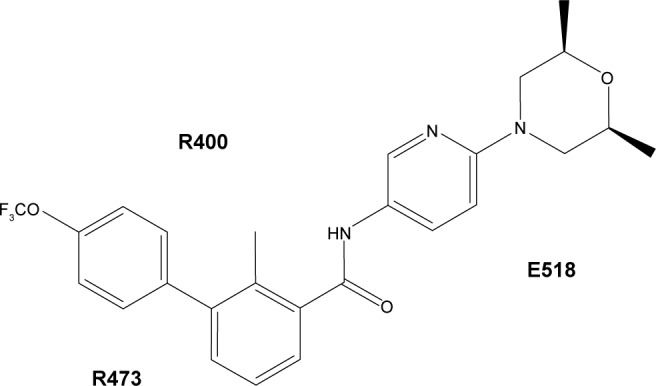
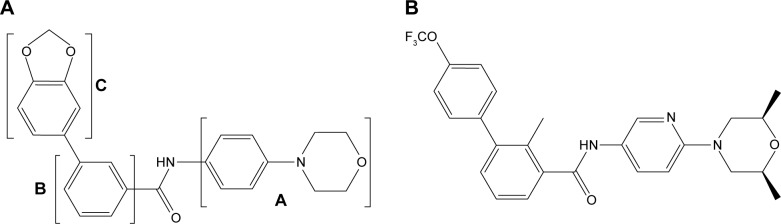
The Hedgehog (Hh) pathway is critical for cell differentiation, tissue polarity, and stem cell maintenance during embryonic development, but is silent in adult tissues under normal conditions. However, aberrant Hh signaling activation has been implicated in the development and promotion of certain types of cancer, including basal cell carcinoma (BCC), medulloblastoma, and gastrointestinal cancers. In 2015, the US Food and Drug Administration (FDA) approved sonidegib, a smoothened (SMO) antagonist, for treatment of advanced BCC (aBCC) after a successful Phase II clinical trial. Sonidegib, also named Odomzo, is the second Hh signaling inhibitor approved by the FDA to treat BCCs following approval of the first SMO antagonist vismodegib in 2012. What are the major features of sonidegib (mechanism of action; metabolic profiles, clinical efficacy, safety, and tolerability profiles)? Will the sonidegib experience help other clinical trials using Hh signaling inhibitors in the future? In this review, we will summarize current understanding of BCCs and Hh signaling. We will focus on sonidegib and its use in the clinic, and we will discuss ways to improve its clinical application in cancer therapeutics.
刺猬信号通路(Hh)在胚胎发育过程中对细胞分化、组织极性和干细胞维持至关重要,但在正常情况下,成年组织中该信号通路处于沉默状态。然而,刺猬信号通路异常激活与某些类型癌症的发生和发展有关,包括基底细胞癌(BCC)、髓母细胞瘤和胃肠道癌症。2015年,美国食品药品监督管理局(FDA)在一项成功的II期临床试验后,批准了音猬因子通路拮抗剂索尼德吉用于治疗晚期基底细胞癌(aBCC)。索尼德吉也被称为奥多姆佐,是继2012年首个音猬因子通路拮抗剂维莫德吉获批后,FDA批准的第二个用于治疗基底细胞癌的刺猬信号通路抑制剂。索尼德吉的主要特点是什么(作用机制、代谢特征、临床疗效、安全性和耐受性特征)?索尼德吉的经验未来是否会对其他使用刺猬信号通路抑制剂的临床试验有所帮助?在这篇综述中,我们将总结目前对基底细胞癌和刺猬信号通路的认识。我们将重点关注索尼德吉及其在临床中的应用,并讨论改善其在癌症治疗中临床应用的方法。