Gobergs Roberts, Salputra Elza, Lubaua Ingūna
Riga Stradiņš University, Riga, Latvia.
Department of Cardiology and Cardio Surgery, Children's Clinical University Hospital, Riga, Latvia.
Acta Med Litu. 2016;23(2):86-98. doi: 10.6001/actamedica.v23i2.3325.
Hypoplastic left heart syndrome (HLHS) is an etiologically multifactorial congenital heart disease affecting one in 5,000 newborns. Thirty years ago there were no treatment options for this pathology and the natural course of the disease led to death, usually within the first weeks of life. Recently surgical palliative techniques have been developed allowing for a five-year survival in more than half the cases.
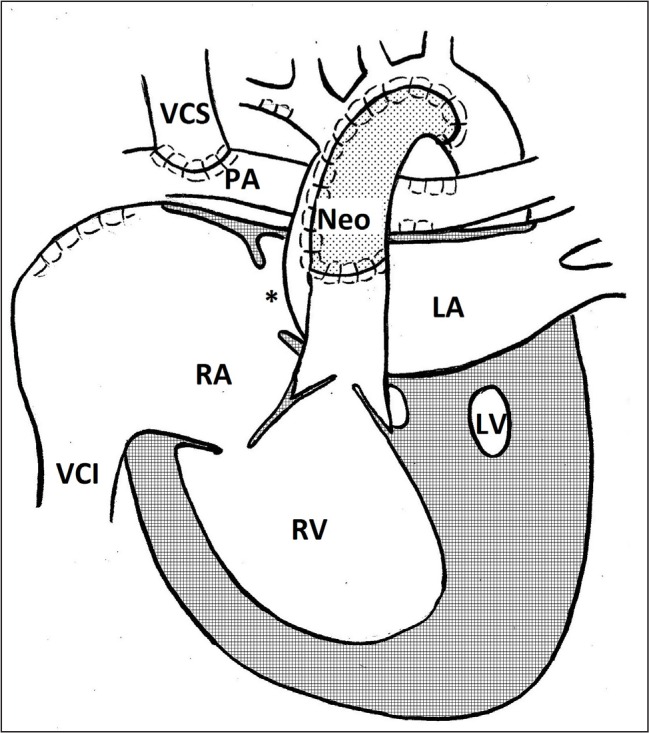
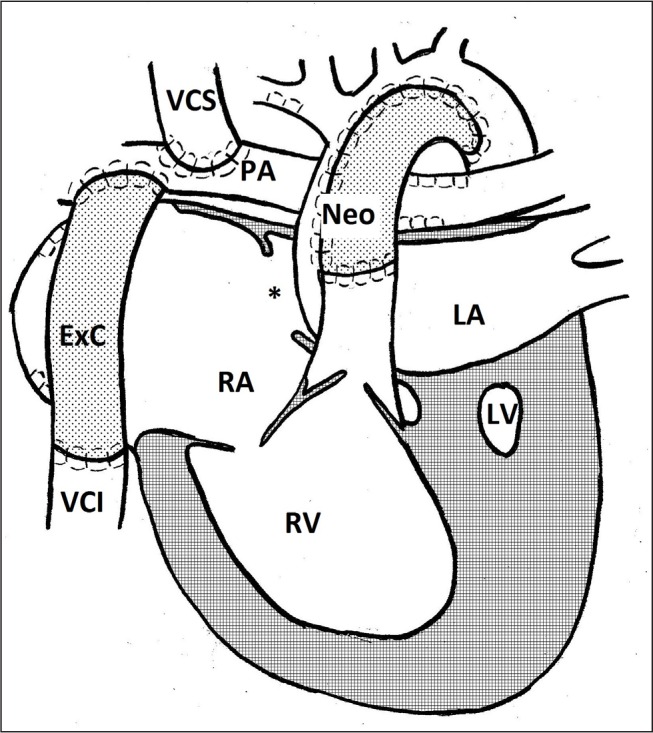
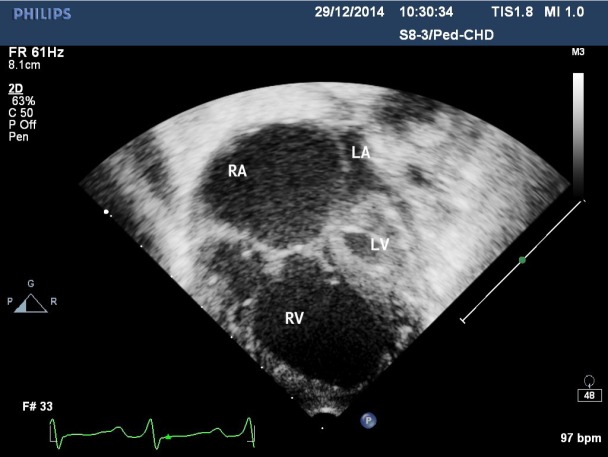
We reviewed literature available on HLHS, specifically its anatomy, embryology and pathophysiology, and treatment. The Pubmed and ClinicalKey databases were searched using the key words The relevant literature was reviewed and included in the article. We reported a case from Children's Clinical University Hospital, Riga, to illustrate treatment tactics in Latvia.
There are three possible directions for therapy in newborns with HLHS: orthotopic heart transplantation, staged surgical palliation and palliative non-surgical treatment or Another treatment mode - foetal therapy - has arisen. Staged palliation and full Fontan circulation is a temporary solution, however, the only means for survival until heart transplantation. Fifty to 70% of patients who have gone through all three stages of palliation live to the age of five years.
The superior mode of treatment is not yet clear and the management must be based on each individual case, the experience of each clinic, as well as the financial aspects and will of the patient's parents.
左心发育不全综合征(HLHS)是一种病因多因素的先天性心脏病,每5000名新生儿中就有1例受影响。30年前,对于这种病症没有治疗选择,疾病的自然进程会导致死亡,通常在生命的最初几周内。最近,外科姑息技术已经得到发展,使得超过一半的病例能够存活五年。
我们回顾了关于HLHS的现有文献,特别是其解剖学、胚胎学、病理生理学和治疗方法。使用关键词在Pubmed和ClinicalKey数据库中进行搜索。对相关文献进行了综述并纳入本文。我们报告了来自里加儿童临床大学医院的一个病例,以说明拉脱维亚的治疗策略。
对于患有HLHS的新生儿,有三种可能的治疗方向:原位心脏移植、分期手术姑息治疗和姑息性非手术治疗或 另一种治疗模式——胎儿治疗——已经出现。分期姑息治疗和完全Fontan循环是一种临时解决方案,然而,是直到心脏移植前唯一的生存手段。经历了所有三个姑息治疗阶段的患者中,50%至70%能活到五岁。
最佳治疗模式尚不清楚,治疗管理必须基于每个个体病例、每个诊所的经验以及经济方面和患者父母的意愿。